Square wire mesh fencing has emerged as a critical component in a diverse range of applications, from agricultural security and animal containment to industrial safety and high-security perimeter protection. Its robust construction and versatile design make it a preferred choice globally, offering a balance of cost-effectiveness, durability, and ease of installation. Understanding its properties and applications is increasingly vital in a world facing growing demands for secure and efficient infrastructure.
The demand for square wire mesh fencing is significantly influenced by global trends in urbanization, industrialization, and agricultural development. The United Nations reports increasing rates of rural-to-urban migration, driving the need for secure perimeter solutions in rapidly expanding cities. Furthermore, the World Bank’s focus on sustainable agriculture highlights the importance of protecting crops and livestock. The ISO standards relating to fencing materials ensure a baseline of quality and performance that further supports its widespread adoption.
This fencing provides a crucial solution to challenges like theft, vandalism, and unauthorized access, bolstering both public and private security. Its adaptability to various terrains and environmental conditions makes it a valuable asset across diverse landscapes and industries. The growing recognition of its benefits positions square wire mesh fencing as a foundational element in modern infrastructure planning.
Introduction to Square Wire Mesh Fencing
Square wire mesh fencing provides a robust and cost-effective solution for a wide array of security and containment needs. Its unique woven construction offers superior strength and resistance to stretching compared to traditional fencing materials. This makes it an ideal choice for applications where durability and longevity are paramount.
The versatility of square wire mesh fencing allows it to be adapted to a variety of environments and purposes. From safeguarding agricultural land to securing industrial facilities, it provides a dependable barrier against intrusion and damage. Its increasing popularity is a testament to its practical benefits and long-term value.
Defining Square Wire Mesh Fencing
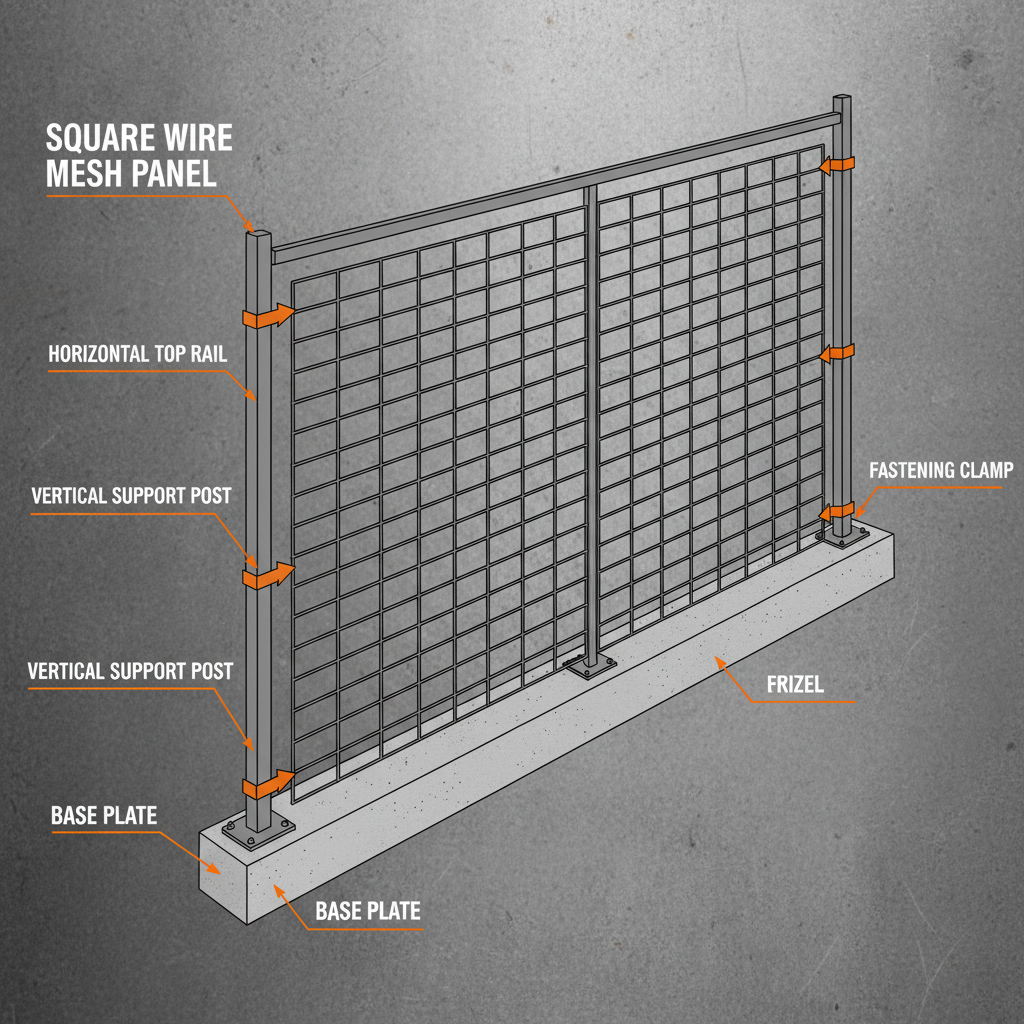
Square wire mesh fencing is a type of woven wire fabric constructed from interconnected wires forming square openings. Unlike traditional diamond-patterned wire mesh, the square grid provides increased rigidity and resistance to deformation. It is typically manufactured from galvanized steel wire, offering excellent corrosion resistance, though other materials like stainless steel are also used for specialized applications.
This fencing is a modern solution addressing critical needs across industries. In humanitarian contexts, it's used for creating secure camps and protecting aid distribution points. Industrially, it secures valuable assets and manages livestock. Its construction reflects a commitment to providing both security and functionality.
The interconnected wire structure distributes stress evenly, making it exceptionally difficult to cut or climb, providing a higher level of security compared to other fencing options. The precision weaving process ensures consistent opening sizes and a neat, professional appearance.
Core Characteristics of Square Wire Mesh Fencing
Durability is a defining characteristic of square wire mesh fencing. The heavy-gauge wires and robust weaving process result in a fence capable of withstanding significant stress and harsh weather conditions. This translates to reduced maintenance costs and a longer service life, making it a financially sound investment.
Scalability is another key advantage. Square wire mesh fencing can be easily customized to fit specific site requirements, including varying heights, widths, and configurations. Rolls of fencing are readily available in different lengths, allowing for efficient installation and adaptation to diverse terrain. This allows for efficient project management and customized solutions.
Cost-efficiency sets square wire mesh fencing apart from more expensive security solutions. It provides a high level of security at a relatively low cost, making it accessible to a wide range of businesses and individuals. When considering the long-term benefits, including reduced maintenance and extended lifespan, the overall value proposition is highly compelling.
Key Performance Indicators of Square Wire Mesh Fencing
Assessing the performance of square wire mesh fencing requires considering several key indicators. These metrics help determine its suitability for specific applications and ensure long-term reliability. Understanding these factors allows for informed decision-making and optimized security solutions.
The strength and tensile properties of the wire used are fundamental. Higher tensile strength provides increased resistance to stretching and deformation. The gauge (thickness) of the wire directly impacts durability and resistance to cutting. Proper galvanization or coating enhances corrosion resistance, extending the lifespan of the fence.
Square Wire Mesh Fencing Performance Comparison
Global Applications and Use Cases
Square wire mesh fencing plays a vital role in securing agricultural lands worldwide, protecting crops and livestock from theft and predation. In regions like Australia and Argentina, where large-scale farming is prevalent, it's a crucial component of rural infrastructure. It helps maintain food security and supports economic stability.
Within industrial zones, especially in developing countries, square wire mesh fencing secures valuable equipment and prevents unauthorized access to sensitive areas. In post-disaster relief operations, it's used to create temporary secure enclosures for displaced populations and aid distribution centers, providing a safe and organized environment.
Advantages and Long-Term Value
The primary advantage of square wire mesh fencing lies in its enhanced security features. The square openings make it more difficult to climb than traditional diamond-patterned fencing, offering a greater deterrent to intruders. The robust construction minimizes the risk of damage from impact or attempted cutting, further enhancing its protective capabilities.
From a long-term perspective, the low maintenance requirements and extended lifespan contribute to significant cost savings. Unlike wooden fences, it doesn't require regular painting or staining. The corrosion-resistant materials minimize the need for repairs or replacements. The inherent durability and reliability instill trust and peace of mind.
Beyond the tangible benefits, square wire mesh fencing offers a sense of security and safety to communities. Knowing that property and assets are well-protected contributes to increased confidence and overall well-being. This provides not only physical security but also peace of mind.
Future Trends and Innovations
The integration of smart technologies into square wire mesh fencing is an emerging trend. Sensors and monitoring systems can be embedded within the fencing to detect intrusions and alert security personnel in real-time. This enables proactive security measures and reduces response times.
Sustainable materials and manufacturing processes are gaining prominence. The use of recycled steel and eco-friendly coatings reduces the environmental impact of production. Advancements in coating technologies enhance corrosion resistance and extend the lifespan of the fencing, minimizing the need for replacements.
Automation in the installation process will also play a role. The development of robotic installation systems will improve efficiency and reduce labor costs. These innovations will further enhance the cost-effectiveness and sustainability of square wire mesh fencing.
Challenges and Solutions
One challenge associated with square wire mesh fencing is the potential for localized corrosion, particularly in harsh marine environments or areas with high levels of industrial pollution. Addressing this requires the use of high-quality galvanized or stainless steel wire, as well as protective coatings specifically designed for challenging conditions.
Another concern is the potential for damage during installation, particularly if proper handling procedures are not followed. Providing comprehensive training to installers and utilizing appropriate tools and techniques can minimize the risk of damage and ensure a professional installation.
Finally, maintaining consistent quality control throughout the manufacturing process is critical. Implementing rigorous testing procedures and adhering to industry standards ensures that the fencing meets the required performance specifications.
Summary of Challenges and Solutions for Square Wire Mesh Fencing
| Challenge |
Severity |
Solution |
Cost of Implementation |
| Corrosion in Harsh Environments |
High |
Use Stainless Steel or Enhanced Coatings |
Moderate to High |
| Installation Damage |
Medium |
Installer Training & Proper Tools |
Low |
| Quality Control Issues |
Medium |
Rigorous Testing & Standards Adherence |
Moderate |
| Vandalism & Cutting Attempts |
Medium to High |
Increase Wire Gauge & Mesh Density |
Low to Moderate |
| Uneven Terrain Installation |
Low |
Flexible Installation Techniques & Support Posts |
Low |
| Long-Term Maintenance |
Low |
Regular Inspections & Spot Repairs |
Very Low |
FAQS
Square wire mesh fencing offers superior rigidity and resistance to deformation compared to diamond mesh, making it harder to climb and more durable. The square openings also distribute stress more evenly, reducing the risk of stretching or damage. It is often preferred in applications where security and longevity are critical, and it often requires less maintenance over the long term.
Several coatings are available to enhance the corrosion resistance of square wire mesh fencing. Galvanization is the most common, providing a zinc layer that protects the steel. Vinyl coating adds an extra layer of protection and aesthetic appeal, while powder coating offers a durable and colorful finish. For highly corrosive environments, specialized coatings like epoxy or fluoropolymer can be used.
Square wire mesh fencing installation typically involves setting posts at regular intervals and attaching the mesh to the posts using tension wires, clips, or hog rings. Essential tools include post hole diggers, wire cutters, tensioning tools, and safety glasses. Proper tensioning is critical to ensure a secure and visually appealing fence. Professional installation is recommended for optimal results.
With proper installation and maintenance, a square wire mesh fence can have a lifespan of 20-30 years or even longer, depending on the material and coating used. Galvanized steel fences typically last 15-25 years, while stainless steel fences can last 50 years or more. Regular inspections and timely repairs can extend the fence's lifespan significantly.
Yes, square wire mesh fencing is excellent for animal containment. The mesh size should be chosen based on the type of animal. For smaller animals like rabbits and poultry, a smaller mesh size (e.g., 1 inch) is required. For larger animals like livestock, a larger mesh size (e.g., 2-4 inches) may be sufficient. The rigidity of square mesh prevents animals from pushing through.
Cost considerations include the price of the fencing material, posts, hardware, and installation labor. Mesh gauge, coating type, and fence height all influence the material cost. Installation costs vary depending on the complexity of the project and local labor rates. Consider potential maintenance costs and the long-term value of the fencing when making budgetary decisions.
Conclusion
Square wire mesh fencing represents a versatile and reliable solution to a wide range of security and containment challenges. Its durability, scalability, and cost-effectiveness make it a preferred choice across diverse industries, from agriculture and industrial security to humanitarian aid and perimeter protection. The inherent strength and long lifespan contribute significantly to its overall value.
Looking ahead, continued innovation in materials and technology will further enhance the performance and sustainability of square wire mesh fencing. By embracing smart technologies and eco-friendly manufacturing practices, we can unlock even greater benefits, ensuring that this essential component of modern infrastructure remains relevant and effective for years to come.