Strong mesh fencing represents a crucial element in modern security, infrastructure, and humanitarian efforts. Its increasing global relevance stems from a demand for robust, adaptable, and cost-effective perimeter solutions. From securing critical national assets to providing rapid deployment housing in disaster zones, the applications of strong mesh fencing are diverse and continually expanding. Understanding its properties, applications, and future trends is vital for professionals across multiple sectors.
The global market for fencing solutions is experiencing substantial growth, driven by increasing security concerns, rapid urbanization, and the need for efficient infrastructure. Strong mesh fencing, particularly high-tensile wire mesh and welded mesh panel systems, is becoming a favored choice due to its superior strength-to-weight ratio, durability, and ease of installation. This demand is evident in regions undergoing significant development, experiencing political instability, or facing natural disaster risks.
Beyond its practical applications, strong mesh fencing plays a role in facilitating humanitarian aid and disaster relief. Its portability and quick assembly capabilities make it invaluable for establishing temporary shelters, securing aid distribution points, and creating safe zones in crisis situations. The rising frequency of extreme weather events and geopolitical conflicts are further amplifying the importance of readily deployable and robust fencing solutions like strong mesh fencing.
Introduction to strong mesh fencing
Strong mesh fencing refers to a robust perimeter security solution constructed from woven or welded wire mesh, offering high tensile strength and durability. This type of fencing is engineered to withstand considerable force and environmental factors, making it suitable for a wide range of applications where security and containment are paramount. The materials used are often galvanized steel, stainless steel, or coated with specialized polymers for increased corrosion resistance.
The importance of strong mesh fencing stems from the increasing need for effective and reliable perimeter security across various sectors. It provides a balance between security, cost-effectiveness, and ease of installation compared to traditional fencing materials like concrete or brick. From safeguarding industrial sites to protecting sensitive infrastructure, strong mesh fencing offers a versatile and adaptable solution for diverse security requirements.
Defining strong mesh fencing
At its core, strong mesh fencing is a woven or welded network of metal wires designed to create a barrier. “Strong” refers to the high tensile strength and resistance to cutting or climbing inherent in the material and construction. Unlike standard chain-link fencing, strong mesh often utilizes heavier gauge wires and tighter mesh patterns, making it significantly more difficult to penetrate. This construction is critical for applications requiring a higher level of security.
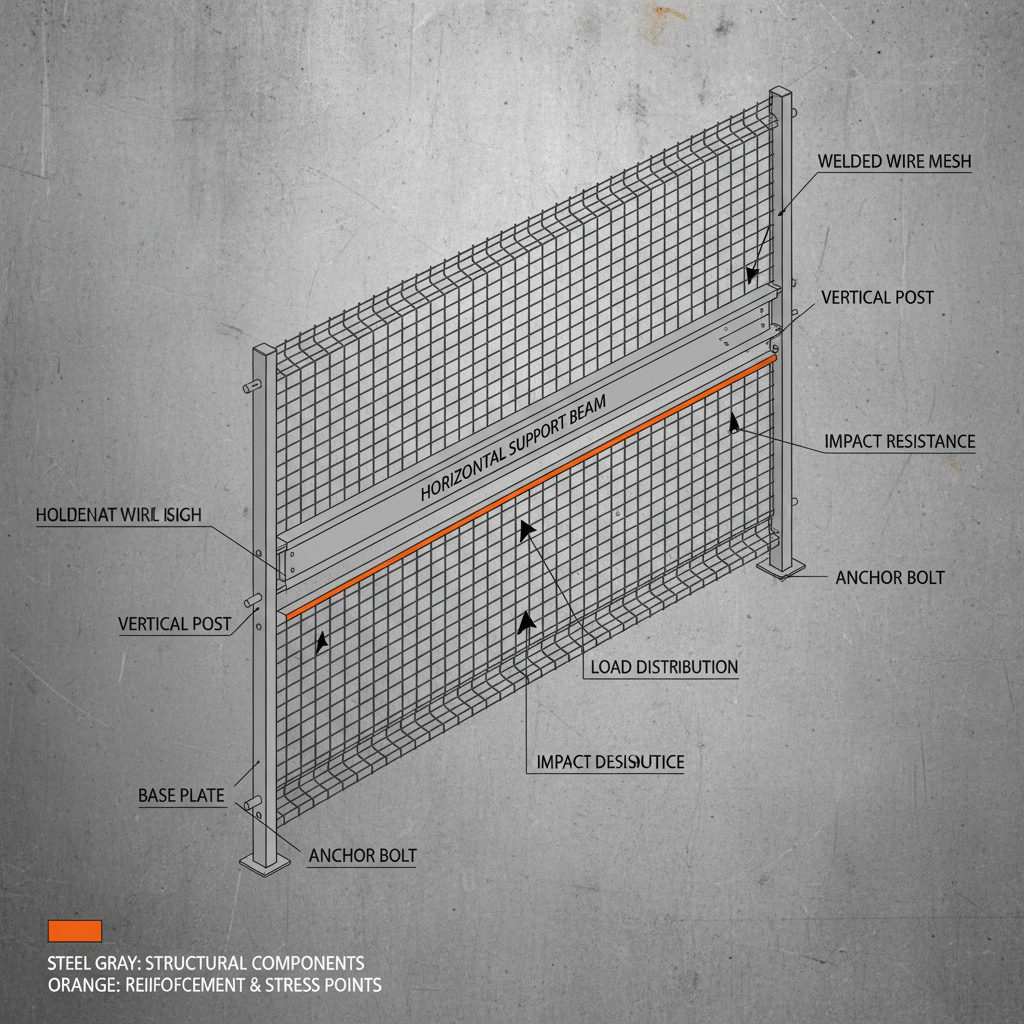
The definition of strong mesh fencing extends beyond just the material itself; it encompasses the entire system, including supporting posts, bracing, and fastening mechanisms. The complete system is engineered to distribute loads effectively and maintain structural integrity under stress. strong mesh fencing is therefore a comprehensive security solution, not merely a physical barrier.
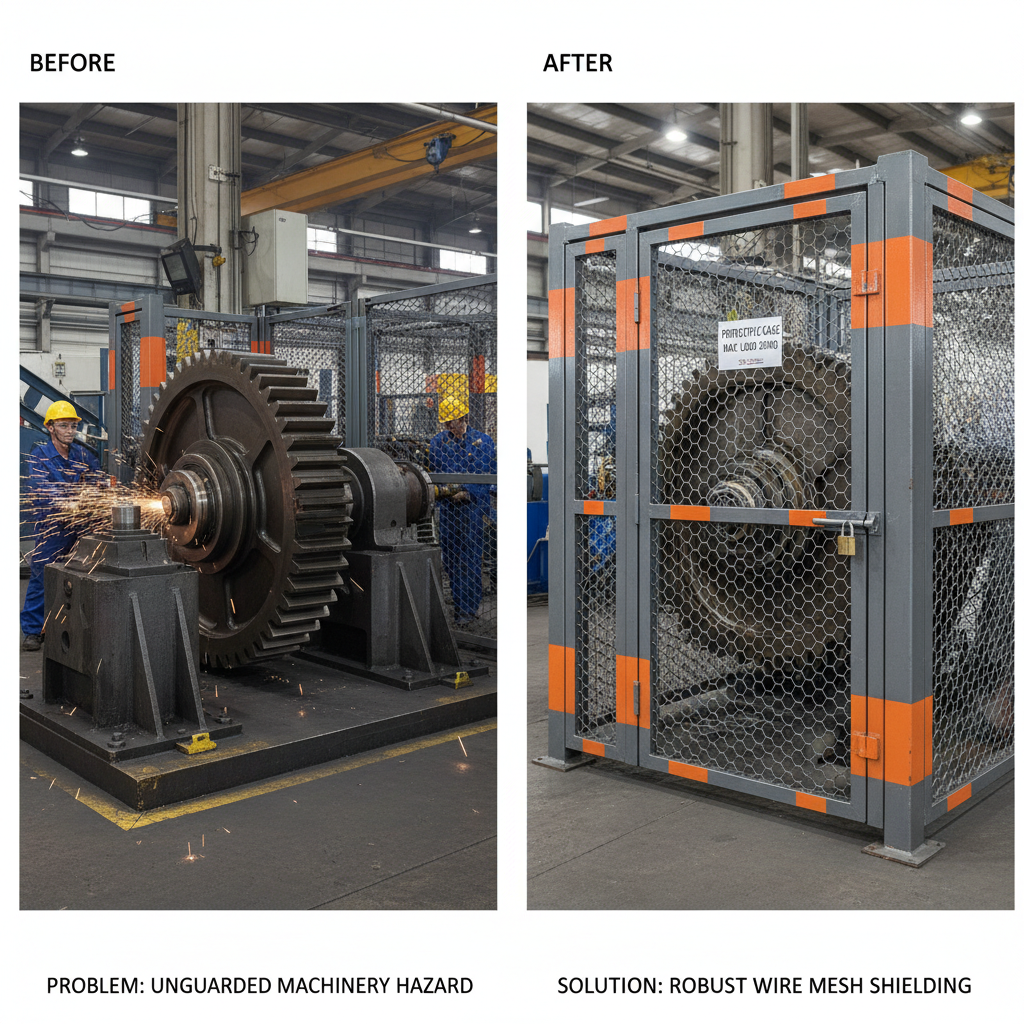
Its connection to modern industry and humanitarian needs is pronounced. Industries like utilities, telecommunications, and transportation rely on it to secure critical infrastructure. In disaster relief, it provides rapid deployment capabilities for creating safe zones and temporary shelters, addressing immediate humanitarian requirements.
Core Components of strong mesh fencing
Durability is a cornerstone of strong mesh fencing. The materials used—typically galvanized steel or stainless steel—are selected for their resistance to corrosion, weathering, and physical damage. Coating processes, such as powder coating or PVC coating, further enhance the longevity and aesthetic appeal of the fencing. This ensures a long service life, reducing the need for frequent repairs or replacements.
Scalability refers to the ability of strong mesh fencing to adapt to diverse site conditions and security requirements. Modular panel systems allow for easy customization of fence height, length, and configuration. This flexibility makes it suitable for securing irregular boundaries, accommodating changes in site layout, and integrating with other security systems.
Cost-efficiency is another key advantage. While initial investment costs may be higher than basic chain-link fencing, the long-term cost of ownership is often lower due to reduced maintenance requirements and extended lifespan. Furthermore, the ease of installation can significantly reduce labor costs.
Applications of strong mesh fencing Globally
Strong mesh fencing finds widespread application in securing critical infrastructure, including power plants, substations, water treatment facilities, and communication towers. The robust nature of the fencing deters unauthorized access and protects against vandalism or sabotage. In Europe, for example, many power grids utilize strong mesh fencing to safeguard their assets.
The agricultural sector relies on strong mesh fencing to protect livestock from predators and prevent unauthorized access to crops. Farms in Australia and New Zealand, facing challenges from wild dogs and other animals, frequently employ strong mesh fencing solutions.
In post-disaster relief operations, strong mesh fencing provides a quick and effective means of establishing temporary secure zones for aid distribution, refugee camps, and medical facilities. International organizations like the UNHCR often deploy strong mesh fencing in emergency situations to ensure the safety and security of vulnerable populations.
Comparative Analysis of strong mesh fencing Applications
Advantages and Long-Term Value of strong mesh fencing
The tangible benefits of utilizing strong mesh fencing are numerous. Reduced maintenance costs, thanks to corrosion-resistant materials, translate to significant savings over the fencing’s lifespan. Its durability minimizes the need for frequent repairs or replacements, further contributing to cost efficiency. Sustainability is also a factor, as the long lifespan minimizes resource consumption associated with frequent replacements.
From a social impact perspective, strong mesh fencing enhances safety and security for communities. Protecting critical infrastructure safeguards essential services, while securing perimeters around schools and public spaces promotes a sense of well-being. The emotional value of security – peace of mind – cannot be overstated.
Future Trends in strong mesh fencing
Innovations in materials science are driving the development of even stronger and more corrosion-resistant mesh alloys. Self-healing coatings, which automatically repair minor damage, are emerging as a promising technology. The integration of smart technologies, such as embedded sensors and alarm systems, is transforming strong mesh fencing into intelligent security systems.
Digital transformation is playing a key role, with the development of software platforms for monitoring fence integrity, detecting intrusions, and managing access control. Automation of installation processes, utilizing robotic systems, is also gaining traction, reducing labor costs and improving efficiency.
Challenges and Solutions with strong mesh fencing
A common challenge is the potential for determined intruders to attempt to cut or climb the fencing. Solutions include utilizing smaller mesh sizes, incorporating anti-climb features such as barbed wire or razor wire, and integrating with surveillance systems. Another challenge is the cost of high-security strong mesh fencing, which can be prohibitive for some applications.
Innovative approaches, such as utilizing recycled materials in manufacturing and optimizing fence designs to minimize material usage, can help reduce costs without compromising security. Expert installation is also crucial to ensure the fencing system performs optimally and resists attempts at penetration.
Proper maintenance, including regular inspections and prompt repairs, is essential to maintain the integrity of the fencing and prevent vulnerabilities. A proactive approach to maintenance extends the lifespan of the fencing and maximizes its return on investment.
Summary of strong mesh fencing Challenges and Corresponding Solutions
| Challenge |
Impact on strong mesh fencing Performance |
Potential Solutions |
Implementation Cost (1-10) |
| Cutting Attempts |
Compromised Perimeter Security |
Smaller Mesh Sizes, Hardened Steel Alloys |
7 |
| Climbing Attempts |
Breach of Security |
Anti-Climb Features (Barbed Wire, Razor Wire) |
6 |
| Corrosion |
Weakened Structural Integrity |
Galvanization, Powder Coating, Stainless Steel |
8 |
| High Initial Cost |
Budget Constraints |
Value Engineering, Recycled Materials |
5 |
| Installation Complexity |
Increased Labor Costs |
Modular Systems, Robotic Installation |
6 |
| Lack of Regular Maintenance |
Reduced Lifespan, Increased Vulnerability |
Scheduled Inspections, Prompt Repairs |
3 |
FAQS
Strong mesh fencing distinguishes itself from traditional chain-link through its heavier gauge wires, tighter mesh patterns, and superior tensile strength. This construction translates to significantly increased resistance to cutting, climbing, and overall physical penetration. While chain-link is suitable for basic containment, strong mesh provides a higher level of security ideal for protecting valuable assets and sensitive infrastructure. Furthermore, strong mesh fencing often utilizes materials more resistant to corrosion, extending its lifespan and reducing maintenance needs.
Galvanization is a critical process in extending the lifespan of strong mesh fencing. It involves coating the steel wires with a layer of zinc, which acts as a sacrificial barrier against corrosion. This means the zinc corrodes before the underlying steel, protecting it from exposure to the elements and preventing rust. Hot-dip galvanization provides a thicker, more durable coating than electro-galvanization. Proper galvanization significantly reduces the need for maintenance and replacement, making it a cost-effective solution in the long run.
Strong mesh fencing excels in a wide range of environments. It’s particularly well-suited for coastal areas due to its corrosion resistance, industrial sites requiring high security, agricultural lands needing livestock protection, and disaster-prone regions demanding rapid deployment solutions. Its adaptability also makes it ideal for securing irregular terrain, perimeter security around critical infrastructure, and creating safe zones in emergency situations.
Yes, various mesh patterns are available, each impacting security levels differently. Common patterns include square, rectangular, and diamond. Smaller mesh openings provide a higher level of security by making it more difficult to climb or create openings. Welded mesh panels generally offer greater rigidity and resistance to cutting compared to woven mesh. The choice of mesh pattern depends on the specific security requirements and the potential threats.
A well-maintained strong mesh fencing system can typically last 25-30 years, and in some cases even longer. This longevity is attributable to the use of durable materials like galvanized steel or stainless steel, along with protective coatings. Regular inspections and prompt repairs are crucial for maximizing the lifespan. Factors like environmental conditions (salt spray, humidity) can influence lifespan, but proper maintenance significantly mitigates these effects.
Environmental considerations are increasingly important. Manufacturers are adopting more sustainable practices, such as using recycled materials in production and minimizing waste. At the end of its life, strong mesh fencing can often be recycled, recovering valuable steel. Choosing durable materials and coatings reduces the need for frequent replacements, lessening the overall environmental impact. Selecting suppliers committed to responsible manufacturing practices is key.
Conclusion
Strong mesh fencing stands as a robust and versatile security solution addressing critical needs across diverse sectors. From safeguarding infrastructure and protecting agricultural assets to facilitating humanitarian aid and disaster relief, its advantages in durability, scalability, and cost-efficiency are undeniable. The integration of innovative materials and technologies further enhances its performance and sustainability.
Looking ahead, continued advancements in materials science and smart technologies will solidify strong mesh fencing’s position as a leading perimeter security solution. By embracing sustainable manufacturing practices and prioritizing long-term value, we can maximize the benefits of this essential technology. To explore tailored strong mesh fencing solutions for your specific needs, visit our website: www.tikemetal.com.