0%

Table of Contents

Mesh panels are increasingly vital components across diverse industries, offering a unique blend of strength, flexibility, and cost-effectiveness. From architectural facades and industrial safety barriers to agricultural applications and even advanced filtration systems, their versatility is undeniable. Understanding the nuances of mesh panel design, material science, and application techniques is becoming crucial for engineers, architects, and manufacturers seeking innovative and sustainable solutions.

The global demand for mesh panel solutions is driven by factors like rapid urbanization, increasing safety regulations, and a growing need for lightweight and durable materials. The rise of prefabrication and modular construction further amplifies this demand, as mesh panels integrate seamlessly into these modern building techniques. This trend isn't limited to developed nations; developing countries are also adopting mesh panel technology for infrastructure projects and disaster relief efforts.

Ultimately, mastering the principles behind mesh panel technology unlocks a world of possibilities – enabling safer, more efficient, and aesthetically pleasing solutions across a multitude of sectors. This knowledge empowers professionals to address contemporary challenges and create a more sustainable built environment.
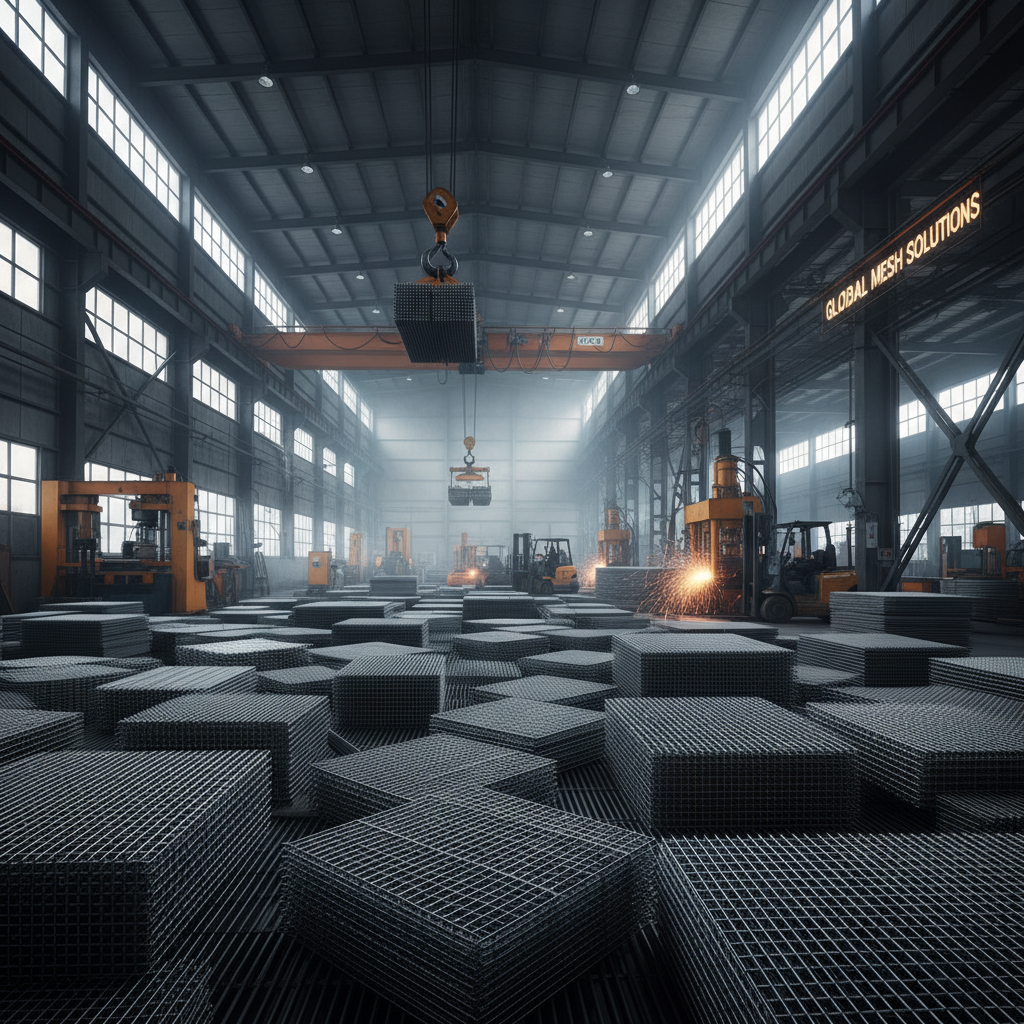
Exploring the Versatility and Innovation of Modern Mesh Panel Technology

The Significance of Mesh Panel in Modern Industry

Exploring the Versatility and Innovation of Modern Mesh Panel Technology

Mesh panels represent a shift towards lighter, more adaptable building and industrial materials. Their open structure allows for airflow, light transmission, and efficient material usage. This is especially crucial in applications where weight reduction is paramount, such as aerospace and automotive industries. mesh panel is proving vital for efficient solutions.

Beyond material benefits, the manufacturing process for mesh panels is becoming increasingly sophisticated, allowing for customized shapes, sizes, and finishes. This adaptability fuels innovation in areas like architectural design and acoustic control, offering tailored solutions to meet specific project requirements.

Defining Mesh Panel Technology

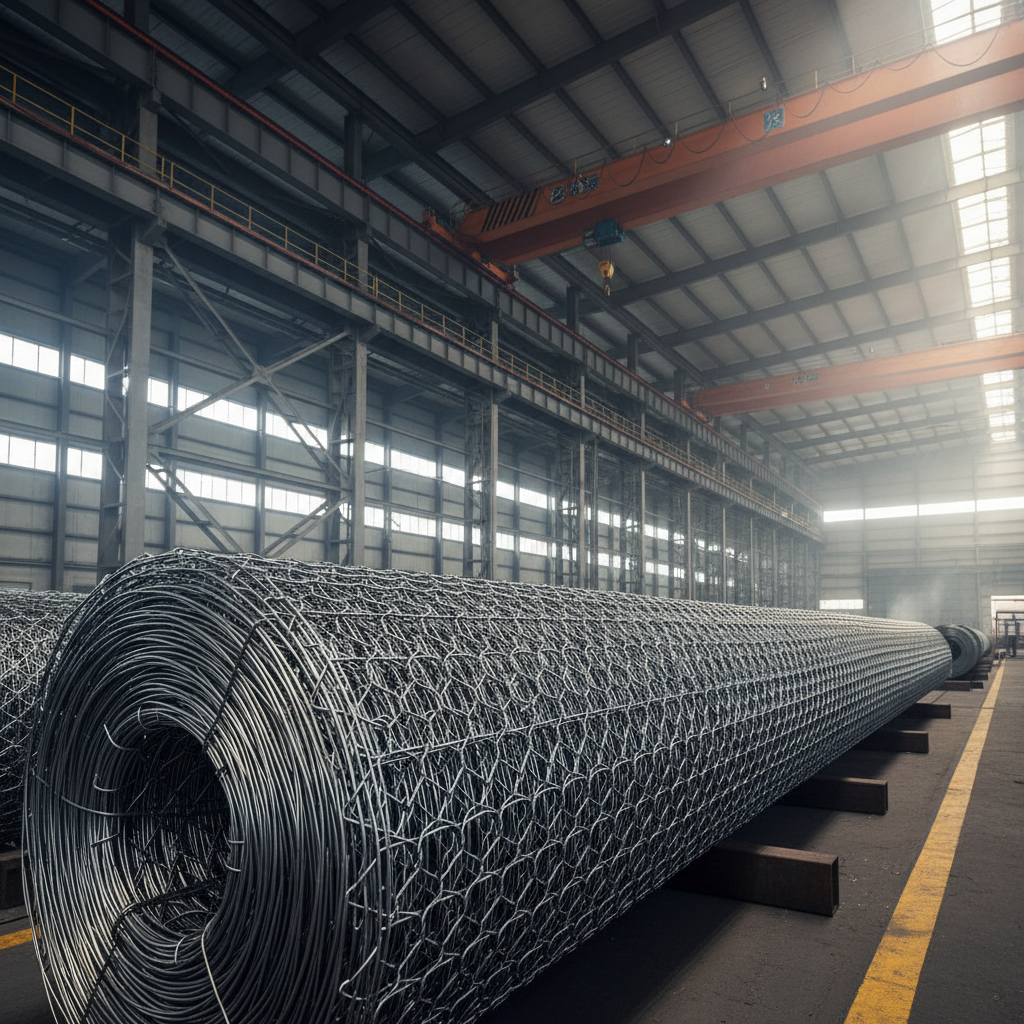
At its core, a mesh panel is a woven, welded, or expanded metallic structure characterized by regularly spaced openings. The specific configuration of these openings – their shape, size, and density – dictates the panel’s performance characteristics. Materials commonly used in mesh panel fabrication include stainless steel, aluminum, carbon steel, and various alloys, selected based on the intended application and environmental exposure.

The technology extends beyond simply creating an open framework. Sophisticated manufacturing techniques enable the integration of additional functionalities, such as conductive coatings for electromagnetic shielding, or specialized surface treatments for corrosion resistance. This elevates the mesh panel from a basic structural component to a multi-functional material system.

Mesh panel's connection to modern industry and humanitarian needs stems from its ability to provide robust, lightweight, and adaptable solutions. From critical infrastructure projects to rapid deployment shelters, its versatility is continuously expanding the scope of its applications.

Core Components of Effective Mesh Panel Design

Durability is a foundational element of any effective mesh panel design. The choice of material, welding or weaving technique, and surface treatment all contribute to the panel’s resistance to corrosion, fatigue, and impact. Long-term performance in harsh environments demands a careful consideration of these factors.

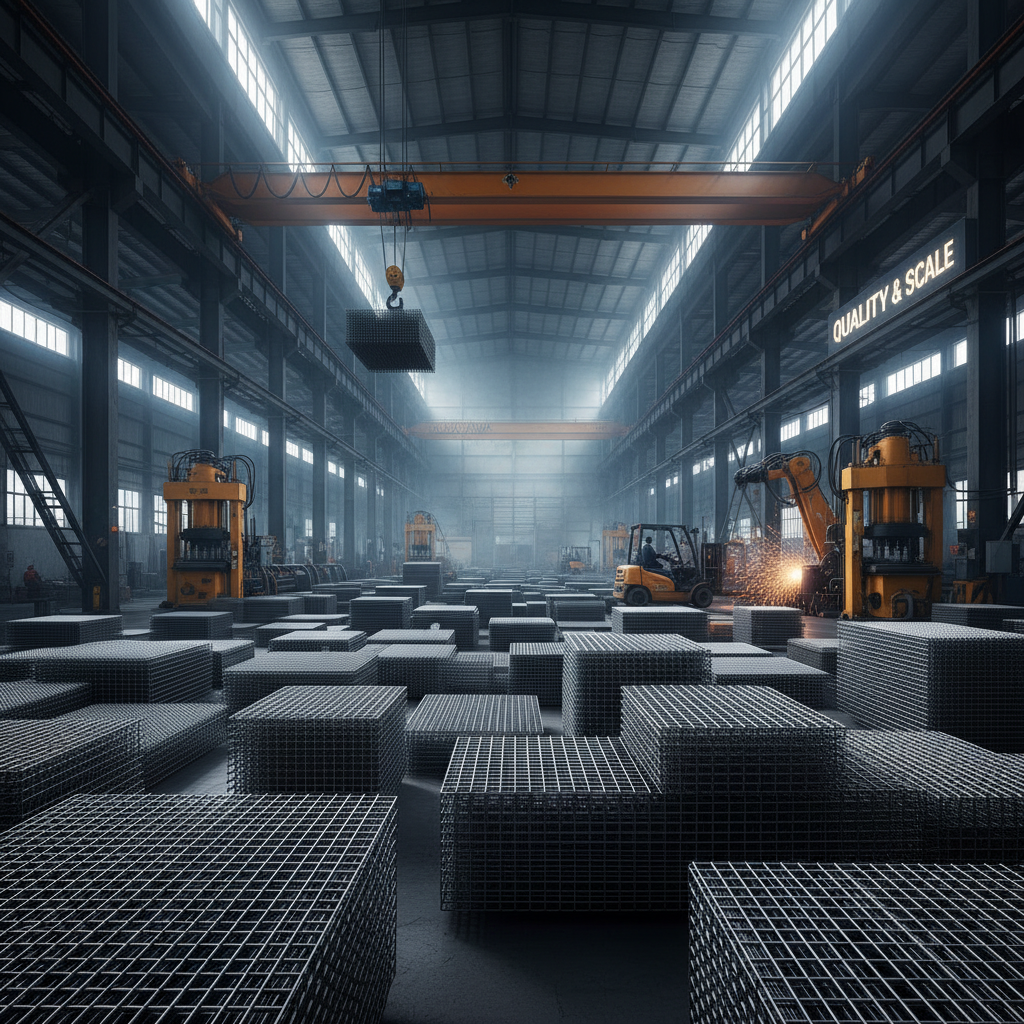
Scalability refers to the ability to produce mesh panels in various sizes and configurations to meet specific project demands. Modular designs and adaptable manufacturing processes are key to achieving scalability without compromising quality or structural integrity. This often involves optimizing material usage and minimizing waste.

Cost efficiency isn't solely about the price of raw materials. It also encompasses manufacturing costs, installation time, and long-term maintenance expenses. Optimizing the panel’s design to reduce material usage, streamline fabrication, and minimize the need for future repairs can significantly lower the overall lifecycle cost.

Key Performance Indicators for Mesh Panel Applications

When evaluating mesh panel performance, several key indicators must be considered. Load-bearing capacity, measured in PSI or kPa, defines the panel’s ability to withstand static and dynamic forces. Open area percentage is crucial for applications requiring ventilation or light transmission, and must be carefully balanced against structural integrity.

Another important metric is weight-to-strength ratio, reflecting the panel’s efficiency in providing structural support with minimal material usage. Corrosion resistance, often assessed through salt spray testing, determines the panel’s longevity in harsh environments.

Mesh Panel Performance Comparison


Global Applications and Diverse Use Cases

In architectural applications, mesh panels are transforming building facades, offering a modern aesthetic while providing sun shading and natural ventilation. From iconic skyscrapers to community centers, their versatility is reshaping urban landscapes. mesh panel provides diverse aesthetic solutions.

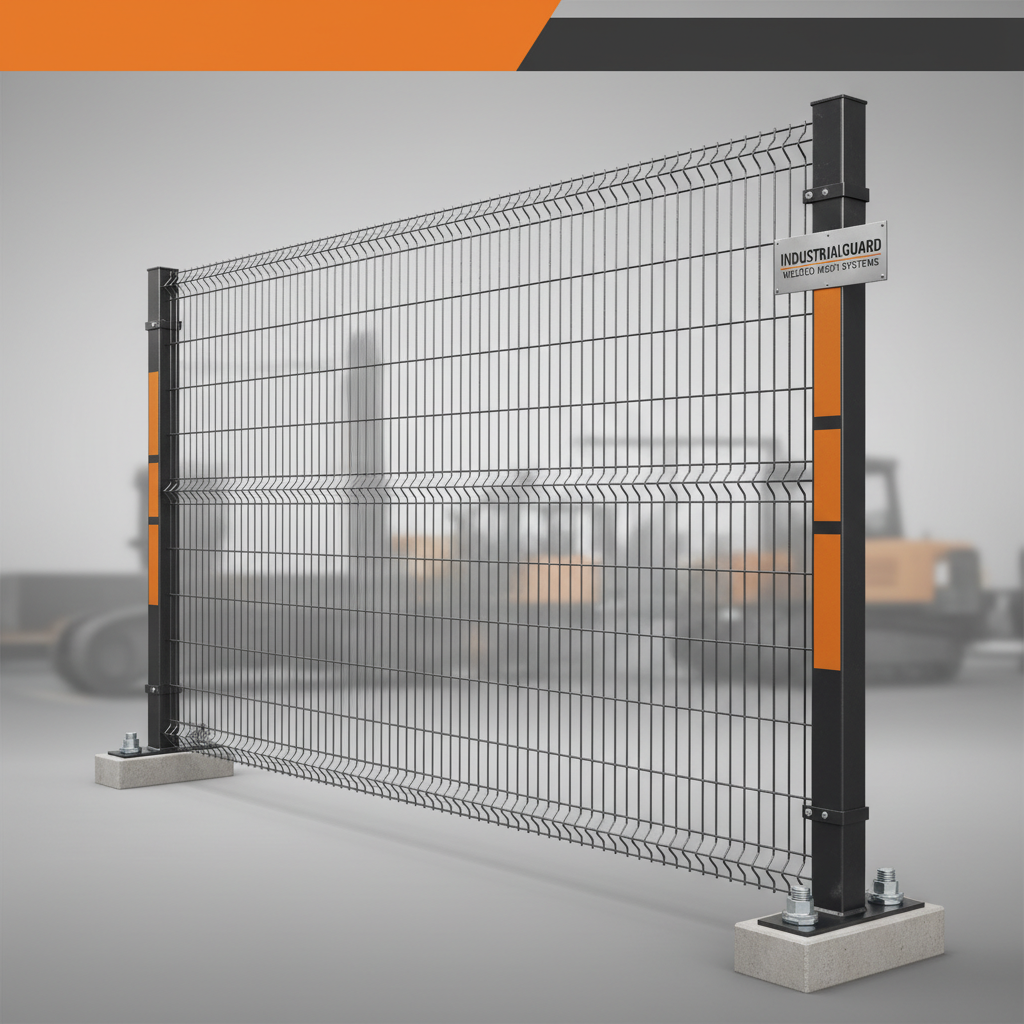
Industrial sectors widely utilize mesh panels for safety barriers, machine guards, and filtration systems. Their robust construction and open structure enhance worker safety and optimize process efficiency. In remote industrial zones, they provide a cost-effective solution for security and containment.

Advantages and Long-Term Value Proposition

The tangible benefits of mesh panel technology include reduced material costs, lower installation times, and minimized maintenance requirements. Its lightweight nature translates to lower transportation costs and simplified handling. Furthermore, the potential for incorporating recycled materials enhances its sustainability profile.

Beyond the economic advantages, mesh panel solutions offer significant social impact by improving worker safety, enhancing building aesthetics, and enabling rapid deployment of emergency shelters. The inherent reliability and durability build trust with stakeholders and contribute to long-term project success.

Future Trends and Innovations in Mesh Panel Technology

The integration of smart materials, such as self-healing polymers and shape-memory alloys, promises to revolutionize mesh panel performance. These materials can enhance durability, adapt to changing environmental conditions, and even repair minor damage autonomously. The utilization of additive manufacturing (3D printing) opens up new possibilities for creating complex geometries and customized designs.

Sustainability is driving a shift towards bio-based and recycled materials in mesh panel fabrication. Researchers are exploring the use of bamboo, hemp, and other renewable resources as alternatives to traditional metals. Advancements in digital fabrication and automation are streamlining production processes and reducing waste.

Furthermore, the convergence of mesh panel technology with IoT (Internet of Things) sensors enables real-time monitoring of structural integrity and environmental conditions, facilitating predictive maintenance and optimizing performance.

FAQS

What are the primary material options for mesh panel construction?

Common materials include stainless steel (superior corrosion resistance), aluminum (lightweight and cost-effective), carbon steel (high strength but requires corrosion protection), and various alloys tailored for specific applications. The selection depends on the project's environmental exposure, load requirements, and budget constraints. Each material offers different advantages regarding strength, weight, durability, and cost.

How does mesh panel design influence airflow and light transmission?

The design parameters – aperture size, shape, and density – directly impact airflow and light transmission. Larger apertures and lower densities allow for greater airflow and light penetration, while smaller apertures and higher densities provide increased structural integrity and reduced permeability. Computational fluid dynamics (CFD) and lighting simulations are often used to optimize these parameters for specific applications.

What are the typical corrosion resistance treatments for mesh panels?

Common treatments include galvanization (zinc coating), powder coating, passivation (for stainless steel), and the application of specialized anti-corrosion paints. The choice of treatment depends on the severity of the environmental exposure. Salt spray testing is used to evaluate the effectiveness of these treatments and ensure long-term durability.

How do mesh panels compare to traditional solid panels in terms of weight and cost?

Mesh panels are typically significantly lighter than solid panels of comparable strength due to their open structure. This translates to lower transportation costs and simplified installation. While the raw material cost may be similar, the optimized material usage in mesh panel design can often result in overall cost savings. Furthermore, reduced maintenance requirements contribute to long-term cost efficiency.

Are there any sustainable materials options for mesh panel manufacturing?

Yes, research is ongoing to explore the use of bio-based materials like bamboo and hemp fibers, as well as recycled metals, in mesh panel fabrication. These sustainable alternatives reduce the environmental impact of production and contribute to a circular economy. The challenge lies in ensuring these materials meet the required performance standards for strength and durability.

How are mesh panels typically connected and installed?

Common connection methods include welding, bolting, riveting, and the use of specialized clips and fasteners. Installation techniques vary depending on the application and substrate. Proper surface preparation and secure fastening are crucial to ensure structural integrity and prevent corrosion. Pre-fabricated modular systems streamline the installation process and reduce on-site labor.

Conclusion

Mesh panel technology has emerged as a versatile and increasingly essential material solution across diverse sectors. Its unique combination of strength, lightweight properties, adaptability, and cost-effectiveness addresses critical needs in architecture, industry, and beyond. By understanding the core principles of mesh panel design, material selection, and application techniques, professionals can unlock its full potential.

Looking ahead, continued innovation in materials science, manufacturing processes, and smart technologies will further enhance the performance and sustainability of mesh panel solutions. Embracing these advancements is crucial for creating a more resilient, efficient, and aesthetically pleasing built environment. For superior mesh panel solutions, visit our website: www.tikemetal.com

Robert Chen

Robert Chen

Robert Chen is the Export Department Manager for North America at SHENZHOU TIKE METAL CO., LTD. He focuses on building and maintaining strong relationships with our partners across the US and Canada. Robert brings 10 years of international trade experience, with a specialized focus on the wire mesh and metal
Previous Exploring the Versatility and Importance of Modern Fence Panel Solutions
Next The Expanding Applications of Wire Mesh Panel in Modern Infrastructure and Security