Different types of wire fencing are a critical component of modern infrastructure, security, and agricultural practices worldwide. From simple barbed wire to high-security woven meshes, these barriers serve diverse purposes, protecting property, containing livestock, and safeguarding communities. Understanding the nuances of these different types of wire fencing is paramount for efficient resource allocation, appropriate selection for specific needs, and ensuring long-term durability and effectiveness. The global market for wire fencing is substantial, driven by increasing urbanization, agricultural intensification, and a growing demand for security solutions.
The relevance of different types of wire fencing extends beyond mere physical barriers. They play a vital role in managing boundaries, defining spaces, and contributing to environmental conservation. For instance, wildlife-friendly fencing designs minimize animal harm while still effectively containing livestock, promoting sustainable land management. Furthermore, advancements in materials and manufacturing techniques have led to more cost-effective and durable fencing options, making them accessible to a broader range of users, particularly in developing countries. The United Nations and various NGOs frequently utilize fencing materials in humanitarian aid and disaster relief efforts.
Ultimately, selecting the appropriate type of wire fencing involves a careful consideration of factors such as intended use, environmental conditions, security requirements, and budget constraints. A thorough understanding of the available options—and their respective advantages and disadvantages—is essential for making informed decisions that maximize value and minimize long-term costs. This exploration of different types of wire fencing aims to provide a comprehensive overview of these essential barriers and their applications.
Introduction to different types of wire fencing
Different types of wire fencing encompass a broad spectrum of materials and designs, each tailored to specific requirements. From the traditional galvanized steel used in agricultural settings to the more sophisticated coated wires offering enhanced corrosion resistance, the choice of material significantly impacts the longevity and performance of the fence. Considering the environment and intended use – whether it’s containing livestock, securing a perimeter, or providing safety barriers – is crucial when navigating the options available. different types of wire fencing provides a wide array of choices for all these scenarios.
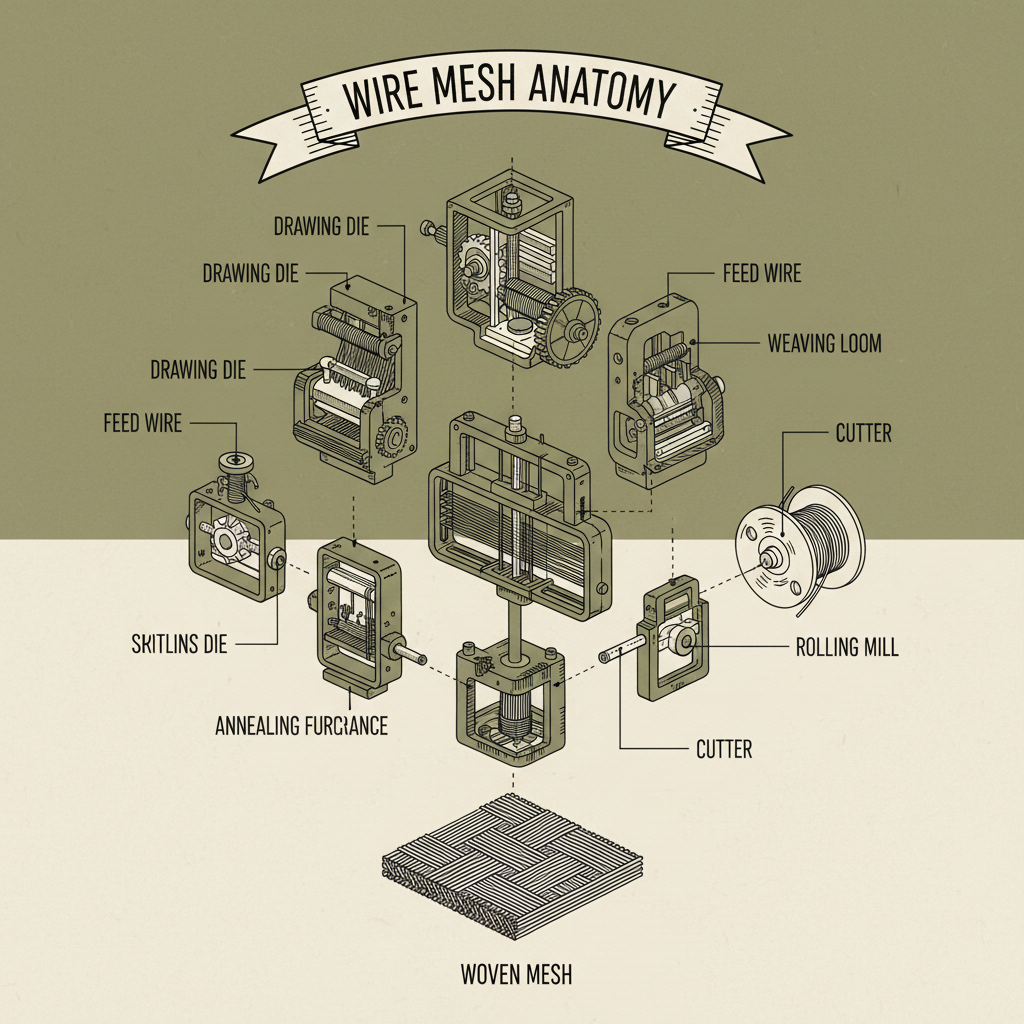
The evolution of wire fencing has been driven by a constant need for improved durability, security, and cost-effectiveness. Early forms of wire fencing were often susceptible to rust and breakage, leading to frequent repairs and replacements. Modern manufacturing processes, incorporating advanced coatings and weaving techniques, have significantly addressed these limitations, resulting in fencing solutions that can withstand harsh weather conditions and provide years of reliable service.
Defining different types of wire fencing
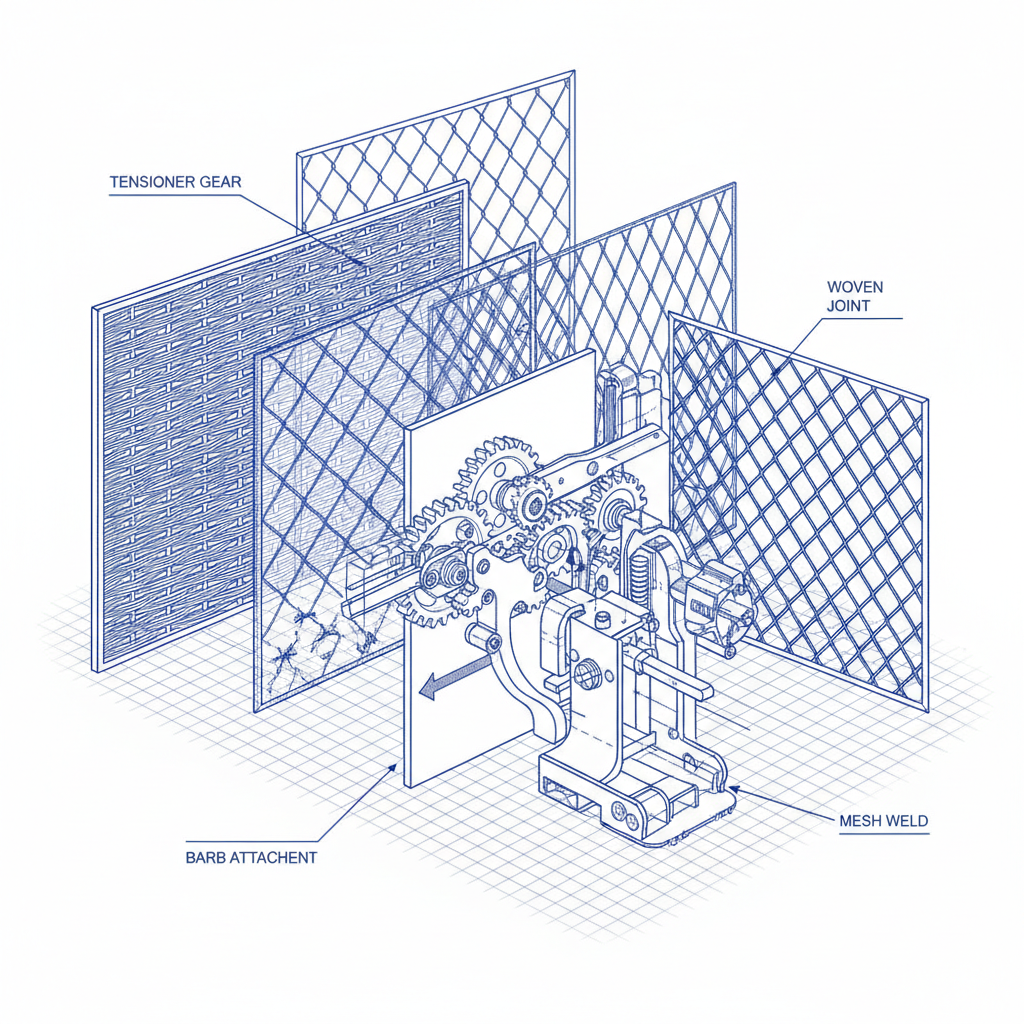
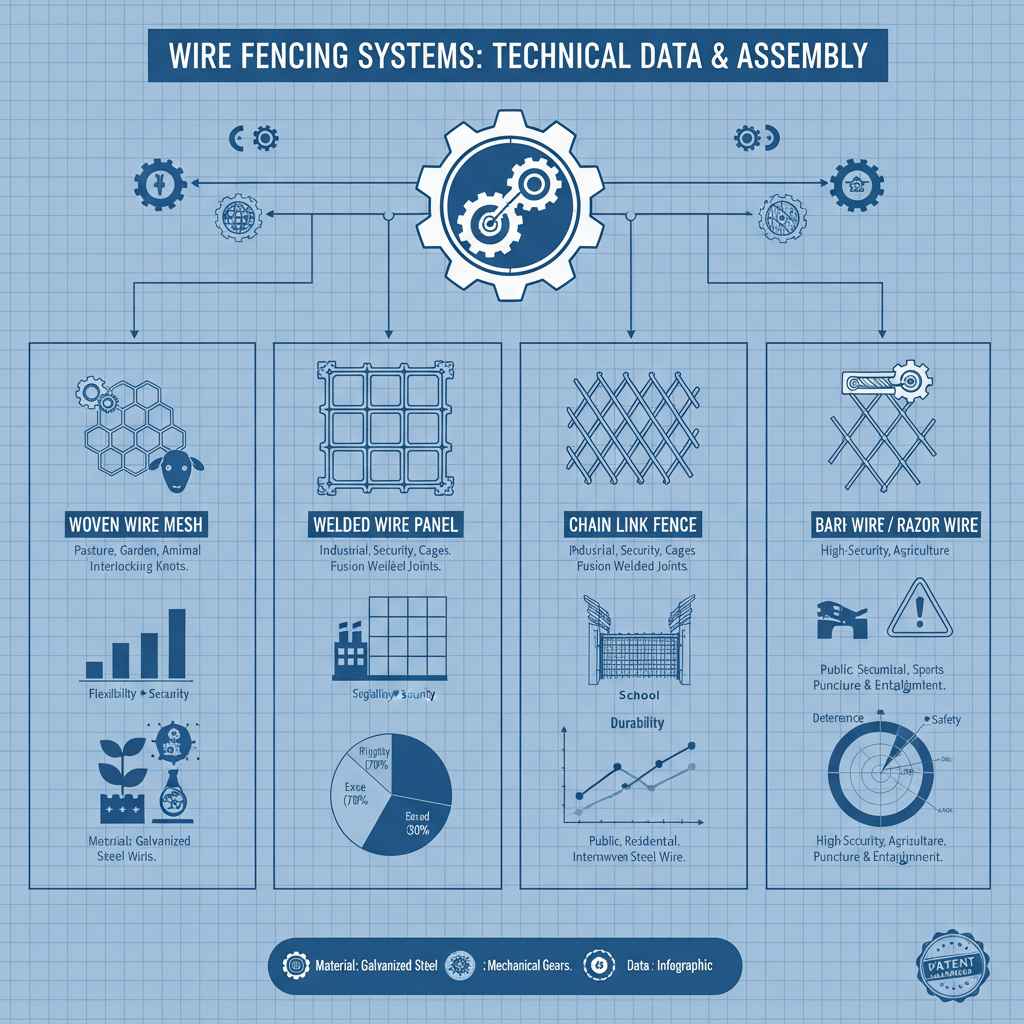
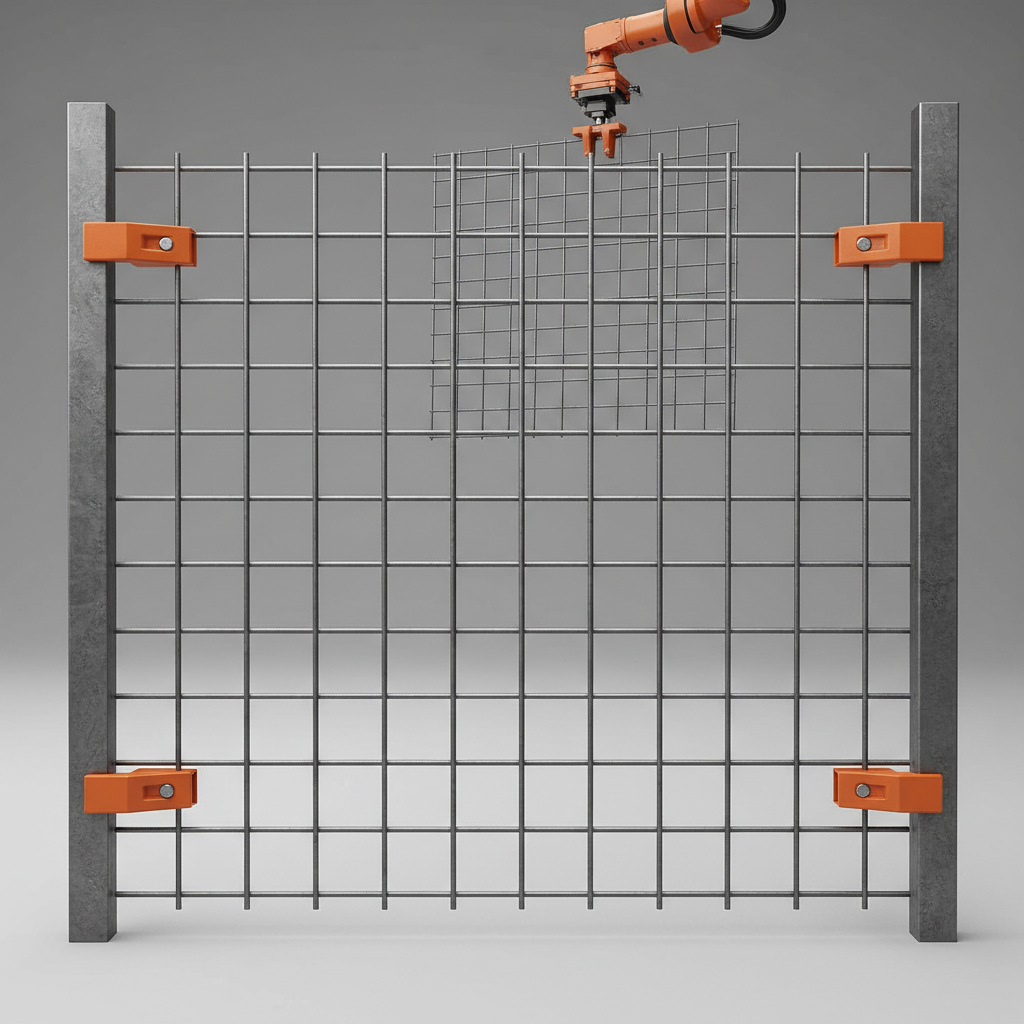
Different types of wire fencing, in its simplest definition, refers to barriers constructed from woven, twisted, or welded wires. These barriers serve to delineate boundaries, provide security, contain animals, or offer protection. However, the term encompasses a vast range of variations, each distinguished by its material composition, construction method, and intended application. These variations can include, but are not limited to, barbed wire, woven wire mesh, chain-link fencing, welded wire panels, and high-tensile wire fencing.
Understanding the specific terminology associated with different types of wire fencing is essential for effective communication and accurate selection. Terms like “gauge,” “mesh size,” and “wire diameter” all refer to specific characteristics of the fencing material that impact its strength, durability, and suitability for a given purpose. A deeper understanding of these technical aspects allows for more informed purchasing decisions.
The connection between different types of wire fencing and modern industry extends to infrastructure development, agriculture, and public safety. From securing construction sites to protecting critical infrastructure, these barriers play a vital role in maintaining order and preventing unauthorized access. Furthermore, advancements in fencing technology are continually addressing emerging security threats and environmental concerns.
Key Characteristics of different types of wire fencing
Durability is a paramount characteristic of any effective fencing system. Different types of wire fencing exhibit varying levels of resistance to corrosion, weathering, and physical damage. Materials like galvanized steel and stainless steel offer superior corrosion protection compared to untreated carbon steel. The thickness of the wire coating and the quality of the galvanization process also significantly influence durability.
Scalability refers to the ability of the fencing system to adapt to changing needs and accommodate future expansion. Modular fencing solutions, such as welded wire panels and chain-link fencing, offer greater scalability than fixed systems like barbed wire. The ease of adding or removing sections allows for flexible boundary adjustments.
Cost-efficiency is a critical consideration for many buyers. Different types of wire fencing vary significantly in price, depending on the materials used, the complexity of the construction, and the installation costs. Barbed wire is generally the most affordable option, while high-tensile wire fencing and ornamental steel fencing tend to be more expensive.
Applications of different types of wire fencing Worldwide
Different types of wire fencing find extensive application in agriculture, particularly for livestock containment and pasture management. Barbed wire remains a common choice for fencing cattle and horses due to its cost-effectiveness and effectiveness in deterring animals. Woven wire fencing provides a more secure barrier, especially for smaller livestock like sheep and goats, preventing escapes and protecting against predators.
In urban and suburban areas, chain-link fencing is widely used for security purposes, surrounding residential properties, schools, and industrial facilities. Its durability, relatively low cost, and ease of installation make it a popular choice for perimeter security. Welded wire panels are also gaining popularity for their aesthetic appeal and enhanced security features.
Globally, different types of wire fencing are deployed in a variety of specialized applications. In post-disaster relief operations, fencing materials are used to establish temporary shelters and secure relief supplies. In remote industrial zones, high-security fencing systems protect valuable assets and prevent unauthorized access. In environmentally sensitive areas, wildlife-friendly fencing designs minimize harm to animals while still providing effective boundary control.
Comparative Analysis of different types of wire fencing Performance
Advantages and Long-Term Value of different types of wire fencing
The most tangible benefit of utilizing different types of wire fencing lies in cost-effectiveness. Compared to solid walls or other barrier solutions, wire fencing generally requires lower material and installation costs, making it an accessible option for a wide range of budgets. This affordability extends to maintenance, with repairs often being simpler and less expensive.
From a sustainability perspective, many wire fencing materials are recyclable, reducing their environmental impact. Additionally, the durability of modern wire fencing minimizes the need for frequent replacements, conserving resources and reducing waste. Choosing responsibly sourced materials further enhances the sustainability profile.
Future Trends in different types of wire fencing
Emerging trends in different types of wire fencing focus on integrating smart technology to enhance security and automation. This includes incorporating sensors, cameras, and alarms into fencing systems to provide real-time monitoring and intrusion detection. These “smart fences” offer a proactive approach to security, alerting authorities to potential threats.
The development of more environmentally friendly fencing materials is also gaining momentum. Researchers are exploring the use of recycled plastics and biodegradable polymers to create sustainable fencing options. These materials offer a reduced carbon footprint and minimize environmental impact.
Furthermore, advancements in coating technologies are leading to fencing materials with even greater corrosion resistance and durability, extending their lifespan and reducing maintenance requirements. Nano-coatings and self-healing materials represent promising areas of innovation in this field.
Challenges and Solutions in different types of wire fencing
A common challenge with different types of wire fencing is susceptibility to corrosion, particularly in harsh environmental conditions. Salt spray, humidity, and exposure to industrial pollutants can accelerate corrosion, compromising the integrity of the fence. However, utilizing high-quality coatings, such as galvanization and powder coating, can significantly mitigate this risk.
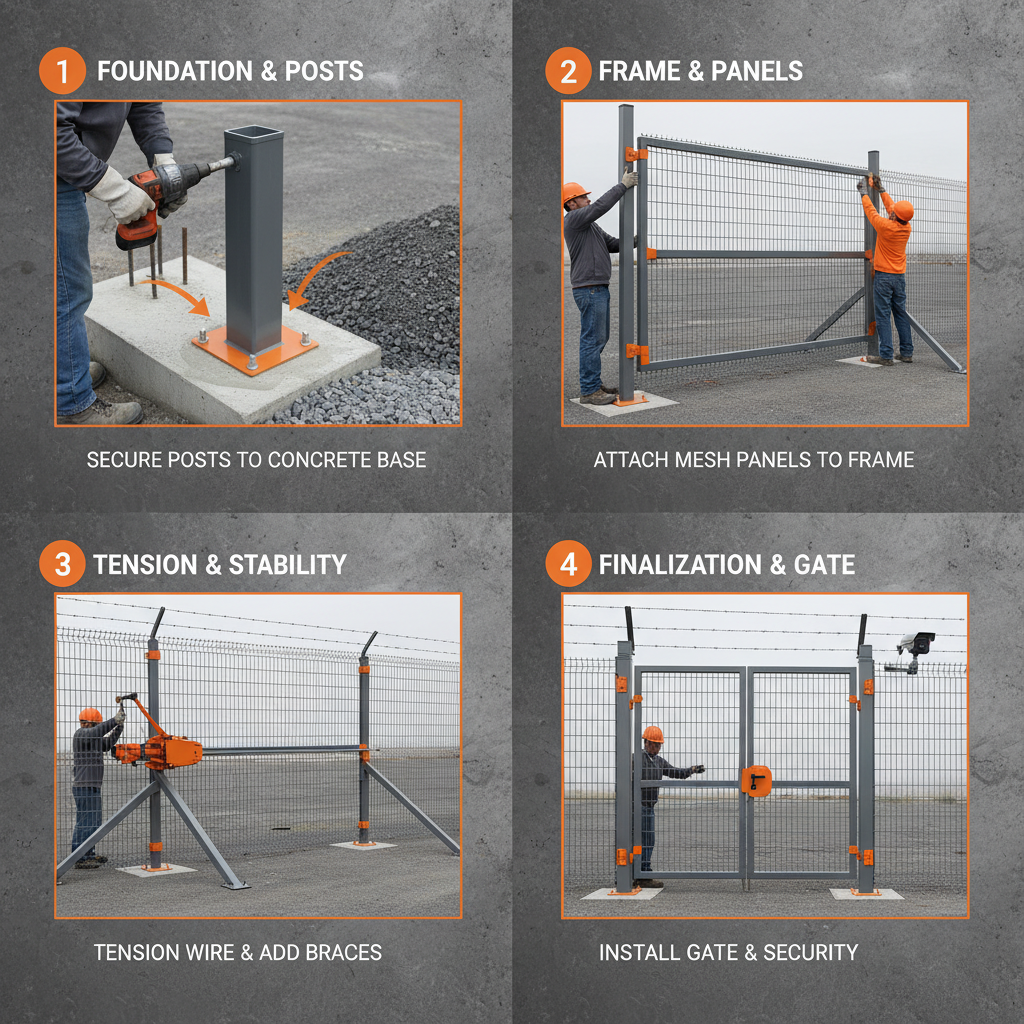
Another challenge is maintaining the tension and alignment of wire fencing over time. Weather fluctuations, ground movement, and animal pressure can cause the fence to sag or become distorted. Implementing proper installation techniques, utilizing high-tensile wire, and conducting regular inspections and maintenance can address this issue.
Finally, security breaches, such as cutting or climbing over the fence, pose a constant threat. Employing anti-climb features, such as barbed wire extensions or razor wire, and integrating electronic security systems can deter intruders and enhance the overall security of the perimeter.
Summary of Different Types of Wire Fencing Challenges & Solutions
| Challenge |
Impact on different types of wire fencing |
Proposed Solution |
Cost Estimate (1-10) |
| Corrosion |
Reduces structural integrity, shortens lifespan |
High-quality coatings (galvanization, powder coating) |
7 |
| Loss of Tension |
Sagging, distortion, reduced effectiveness |
High-tensile wire, proper installation, regular maintenance |
6 |
| Security Breaches (Cutting) |
Unauthorized access, theft, vandalism |
Anti-climb features (barbed wire, razor wire) |
5 |
| Security Breaches (Climbing) |
Unauthorized access, theft, vandalism |
Integration of electronic security systems |
8 |
| Environmental Degradation |
Material breakdown due to UV exposure, weather |
UV-resistant coatings, durable materials |
7 |
| Animal Damage |
Fence breaching by large animals |
Reinforced fencing, appropriate height, strategic placement |
4 |
FAQS
For large agricultural areas, barbed wire typically presents the most cost-effective solution. It offers a good balance between affordability and effectiveness in containing livestock. However, it’s important to consider the type of animals being contained. For smaller animals, woven wire might be necessary despite the higher cost. The overall length of fencing needed also plays a significant role in the total cost. Proper installation is key to maximizing longevity and minimizing maintenance.
The lifespan of different types of wire fencing varies greatly depending on the material, coating, environmental conditions, and maintenance. Galvanized steel fencing typically lasts 15-20 years with proper care. Chain-link fencing can last even longer, potentially 20-30 years. High-tensile wire fencing, when correctly installed and maintained, can exceed 30 years. Regular inspections and prompt repairs are crucial for maximizing the lifespan of any fencing system. Coastal areas, with high salinity, require more frequent maintenance.
Chain-link fencing provides a moderate level of security for residential properties. While it’s not impenetrable, it acts as a deterrent to casual trespassers. To enhance security, consider using a higher gauge wire, adding privacy slats, or integrating an alarm system. For higher security needs, other options like welded wire panels or ornamental steel fencing might be more appropriate, although at a higher cost.
High-tensile wire fencing offers several benefits, including exceptional strength, durability, and longevity. It requires fewer posts than traditional fencing, reducing material costs and installation time. It’s also highly adaptable to different terrains and can withstand significant animal pressure. However, proper installation is critical, requiring specialized tools and techniques to ensure the correct tension and prevent sagging.
Coastal environments pose a significant corrosion risk to wire fencing. To mitigate this, choose fencing materials with superior corrosion resistance, such as stainless steel or heavily galvanized steel. Regularly wash the fencing with fresh water to remove salt deposits. Applying a protective coating, such as a marine-grade paint, can also extend its lifespan. Regular inspections for rust and prompt repairs are also essential.
Yes, there are increasingly environmentally friendly options for wire fencing. These include using recycled wire, choosing coatings with low volatile organic compounds (VOCs), and selecting materials that are durable and long-lasting to reduce the need for frequent replacements. Biodegradable fencing options, though still emerging, are also becoming available for certain applications. Responsible disposal of old fencing materials is also important.
Conclusion
In conclusion, different types of wire fencing are indispensable components of modern society, serving a diverse range of purposes from agricultural containment to security and environmental protection. Understanding the nuances of each type—its strengths, weaknesses, and appropriate applications—is crucial for making informed decisions that maximize value and ensure long-term performance. The selection process should involve careful consideration of factors like cost, durability, scalability, and environmental impact.
Looking ahead, innovation in materials, coating technologies, and smart fencing systems promises to further enhance the effectiveness and sustainability of wire fencing solutions. By embracing these advancements and prioritizing responsible practices, we can ensure that different types of wire fencing continue to play a vital role in safeguarding our communities, protecting our resources, and shaping a more secure and sustainable future. Visit our website at www.tikemetal.com to explore our comprehensive range of wire fencing products and solutions.