Panel fences, increasingly vital in modern infrastructure and emergency response, represent a versatile and rapidly deployable boundary solution. Their application extends far beyond simple perimeter security, encompassing crowd control, temporary workspace demarcation, and even forming the structural basis for rapid deployment shelters. The growing need for flexible, efficient, and cost-effective solutions in diverse scenarios drives the increasing global relevance of panel fence systems.
The demand for panel fences is directly linked to escalating urbanization, increased security concerns, and a rising frequency of natural disasters. Global market analysis indicates a consistent growth trajectory, fueled by government infrastructure projects, private sector security enhancements, and humanitarian aid organizations. This trend underscores the importance of understanding the technology, applications, and future potential of panel fence solutions.
Addressing challenges like site security, event management, or disaster relief often requires swift and adaptable solutions – areas where panel fences excel. Their ease of installation and removal, combined with reusability, offer significant advantages over traditional fencing methods, making them an essential component in a modern response toolkit.
Introduction to Panel Fences
Panel fences represent a modern, efficient, and versatile approach to creating temporary or semi-permanent boundaries. They consist of interconnected panels, typically constructed from metal, plastic, or composite materials, offering a robust and easily configurable barrier solution. The design prioritizes ease of installation, portability, and durability, making them ideal for a wide range of applications.
Unlike traditional fencing, panel fences often require minimal ground preparation and can be quickly assembled and disassembled without specialized tools. This adaptability is key to their popularity in situations demanding rapid deployment and reconfiguration, such as event security, construction site perimeters, and emergency disaster zones. panel fence systems are designed with modularity in mind.
Global Relevance and Applications
The global need for effective boundary solutions is continually increasing, driven by factors ranging from urban development and infrastructure projects to security concerns and humanitarian crises. Panel fences address this need by providing a scalable and adaptable solution that can be deployed in diverse environments, from bustling city centers to remote disaster areas. The United Nations, for example, frequently utilizes panel fences in refugee camps and peacekeeping operations to establish secure perimeters and manage populations.
Statistics from the World Bank highlight the growing investment in infrastructure projects across developing nations, many of which incorporate panel fences for site security and crowd control. Furthermore, the increasing frequency of extreme weather events, as reported by the ISO, necessitates rapid deployment of temporary fencing solutions for disaster relief and recovery efforts. These trends demonstrate the critical role panel fences play in addressing pressing global challenges.
The demand extends to private sector applications as well, with construction companies, event organizers, and security firms increasingly relying on panel fences to manage access, protect assets, and ensure public safety. This widespread adoption across both public and private sectors confirms the versatility and enduring relevance of panel fence systems.
Defining Panel Fences
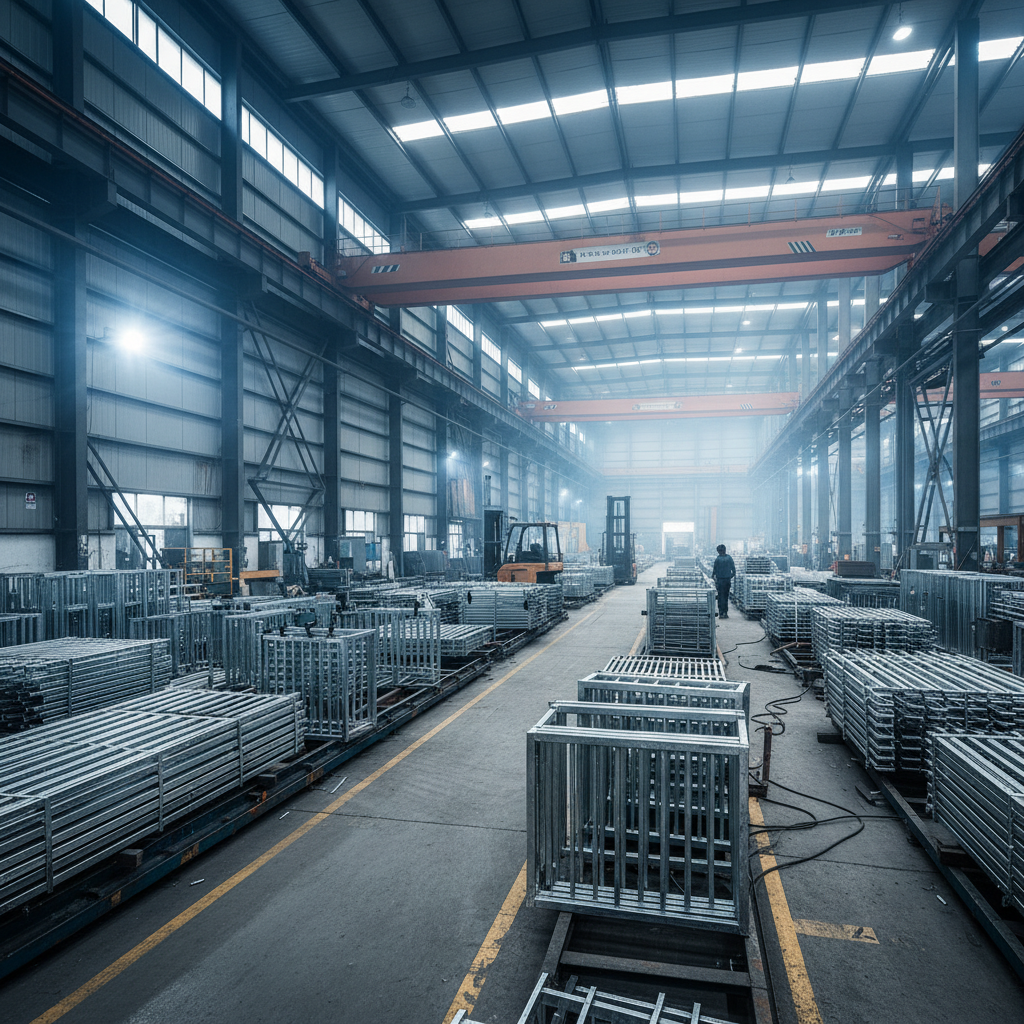
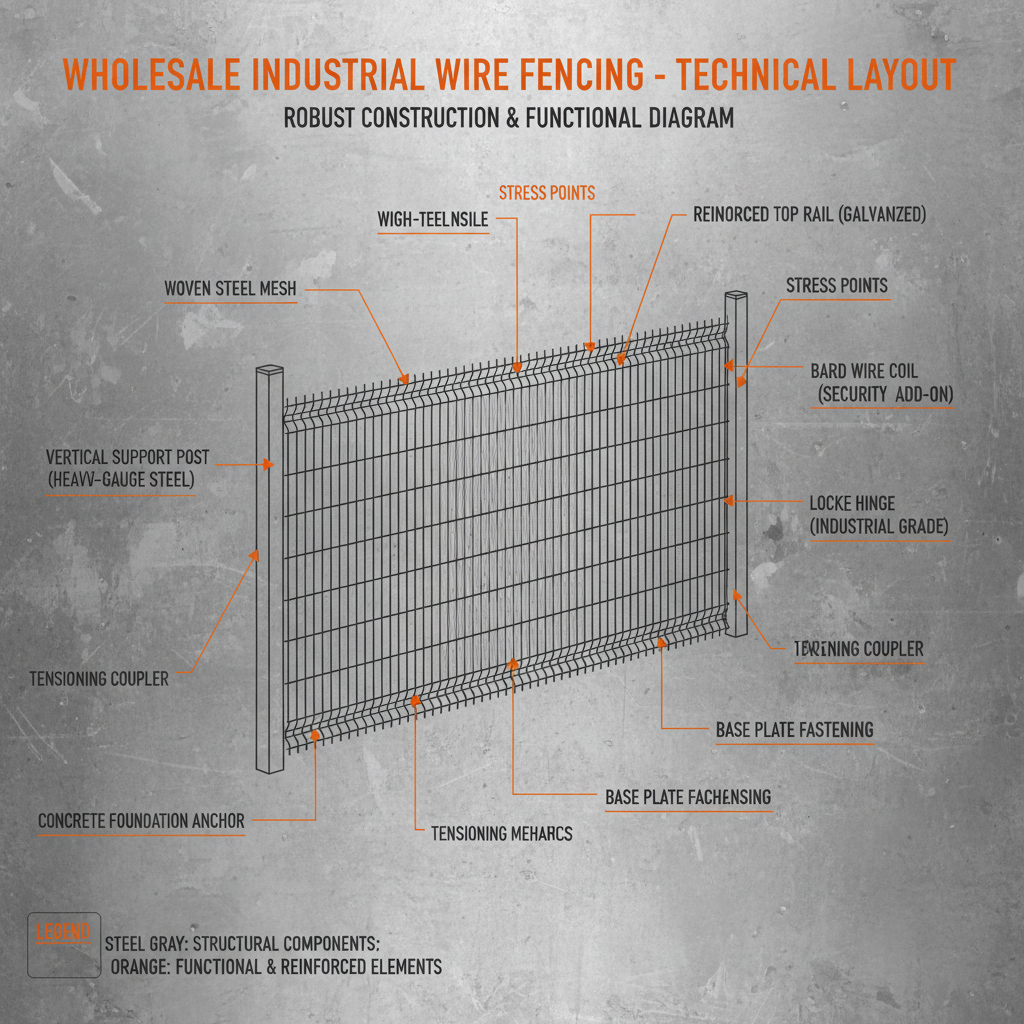
In simple terms, a panel fence is a pre-fabricated barrier system composed of individual panels connected to form a continuous boundary. These panels are typically constructed from materials like galvanized steel, aluminum, or high-density polyethylene (HDPE), chosen for their strength, durability, and resistance to corrosion. The panels are often designed with interlocking features or connection points for easy and secure assembly.
The connection to modern industry lies in their efficiency and cost-effectiveness compared to traditional fencing methods. Construction projects benefit from reduced installation time and labor costs, while event organizers appreciate the speed and ease with which they can create secure perimeters. panel fence systems are designed for modularity and adaptability.
Their relevance extends to humanitarian needs as well, offering a rapid and practical solution for establishing safe and secure environments in disaster zones and refugee camps. Panel fences provide a vital sense of security and order in chaotic situations, contributing to the well-being and dignity of affected populations.
Key Characteristics of Panel Fences
Panel fences distinguish themselves through several key characteristics. First, their Durability is paramount, offering resistance to impact, weathering, and tampering, ensuring long-term performance and reliability. Second, Scalability allows for easy expansion or contraction of the fence line to accommodate changing needs, making them adaptable to diverse site layouts.
Portability is another significant advantage, as the panels are designed for easy transport and handling, reducing logistical challenges. Furthermore, Cost Efficiency makes panel fences an attractive alternative to traditional fencing, minimizing upfront investment and long-term maintenance costs. Finally, Ease of Installation significantly reduces labor costs and project timelines, contributing to overall efficiency.
Panel Fence Performance Comparison
Real-World Applications of Panel Fences
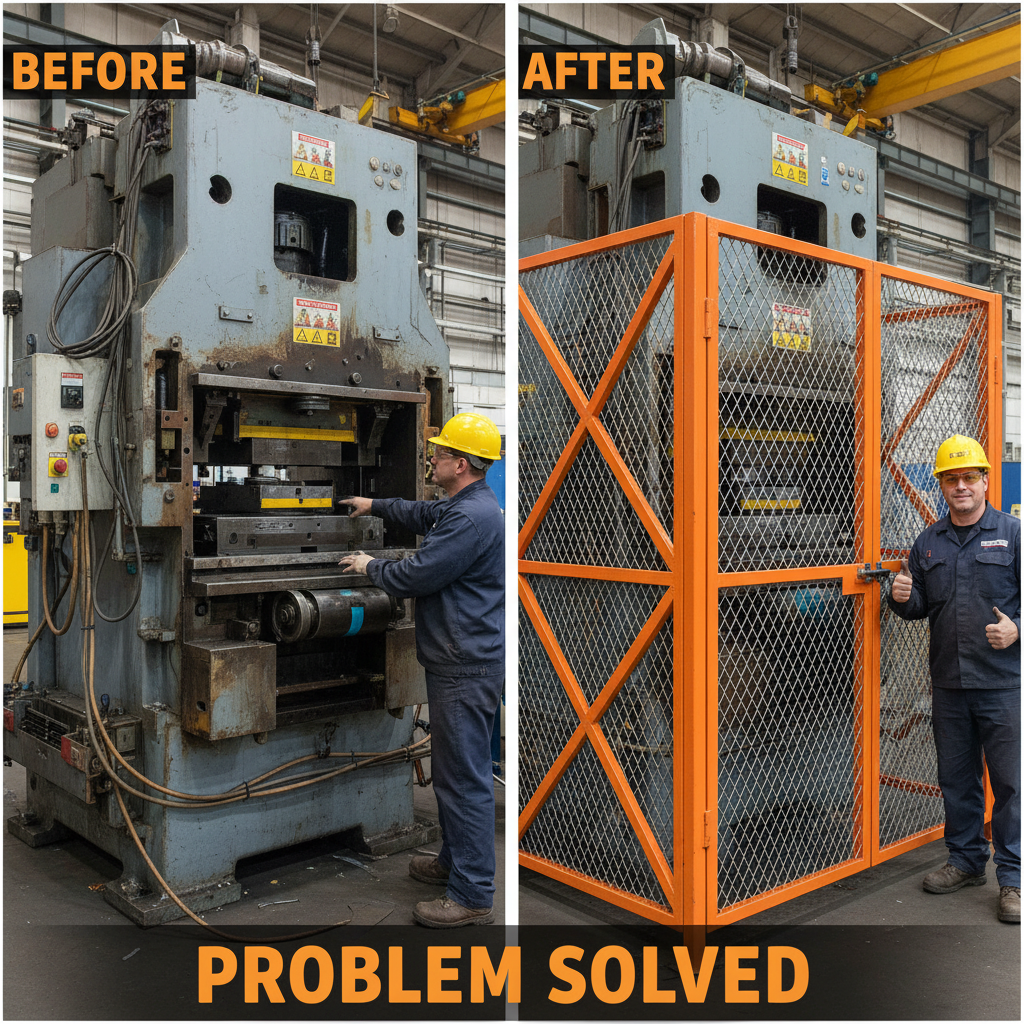
Panel fences find application across a vast spectrum of industries and situations. Construction sites utilize them for security, hazard containment, and perimeter demarcation. Event management companies deploy them for crowd control, VIP areas, and access restriction at concerts, festivals, and sporting events. Security firms employ them for temporary or semi-permanent security barriers in diverse settings.
In post-disaster relief operations, panel fences are instrumental in establishing secure zones for aid distribution, temporary shelters, and medical facilities. They are also used in military and defense applications for perimeter security and camp construction. In remote industrial zones, panel fence systems provide a cost-effective and efficient solution for safeguarding valuable assets.
Benefits and Long-Term Value
The tangible benefits of utilizing panel fences are numerous. Cost savings are realized through reduced installation time, minimal maintenance requirements, and reusability. Sustainability is enhanced through the use of recyclable materials and reduced waste compared to traditional fencing methods. From a social impact perspective, panel fences contribute to increased safety and security in vulnerable communities, particularly in disaster-affected areas.
Beyond the practical advantages, panel fences offer emotional benefits such as peace of mind and a sense of security. They foster trust and confidence in the safety of events and facilities, while also representing a commitment to innovation and responsible resource management. Their robust construction and reliable performance ensure a long-term return on investment.
Future Trends in Panel Fence Technology
The future of panel fence technology is poised for significant advancements. Smart fencing systems, incorporating sensors and IoT connectivity, will provide real-time monitoring and security alerts. The development of more sustainable and eco-friendly materials, such as bio-based plastics and recycled metals, will further reduce the environmental impact of panel fences.
Automation in manufacturing processes will drive down production costs and increase efficiency. Digital twins and virtual reality simulations will enable designers to optimize panel fence configurations for specific applications. The integration with renewable energy sources, such as solar power, could power integrated lighting and security features.
Moreover, advancements in coating technologies will enhance corrosion resistance and extend the lifespan of panel fences, while further improvements in modular design will offer even greater flexibility and adaptability. These innovations promise to elevate the functionality, sustainability, and value of panel fence systems.
Analysis of Common Challenges and Potential Solutions in Panel Fence Applications
| Challenge |
Impact on Panel Fence Use |
Potential Solution |
Implementation Difficulty (1-5) |
| Ground Instability |
Compromises fence stability, requiring extensive groundwork. |
Utilize adjustable base plates or helical anchors for secure footing. |
3 |
| Theft or Vandalism |
Increases replacement costs and disrupts security. |
Implement anti-theft locking mechanisms and increase perimeter surveillance. |
4 |
| Wind Load |
Can cause instability and potential collapse in high-wind areas. |
Employ wind-resistant panel designs and reinforce anchoring systems. |
2 |
| Uneven Terrain |
Creates gaps and compromises the integrity of the fence line. |
Utilize modular panels with adjustable height capabilities. |
3 |
| Logistical Challenges |
Difficulties transporting and assembling panels in remote locations. |
Optimize panel design for compact storage and easy transport; pre-assemble sections when possible. |
2 |
| Material Degradation |
Exposure to harsh elements can reduce lifespan and structural integrity. |
Utilize corrosion-resistant coatings and UV-protective materials. |
2 |
FAQS
Panel fences are typically constructed from galvanized steel, known for its strength and durability, aluminum for its lightweight properties and corrosion resistance, and high-density polyethylene (HDPE) for its affordability and weather resistance. Composite materials are also gaining popularity, offering a blend of strength, durability, and sustainability. The choice of material often depends on the specific application and budget constraints, impacting the overall lifespan and performance of the panel fence.
The installation process for panel fences is significantly faster and easier compared to traditional fencing methods. Traditional fencing often requires extensive groundwork, post setting, and individual picket installation, while panel fences utilize pre-fabricated panels that simply connect to one another. This modular design minimizes labor costs and project timelines, making panel fences a more efficient and cost-effective solution, especially for temporary or semi-permanent boundaries.
Panel fences play a crucial role in disaster relief by providing rapid perimeter security for aid distribution centers, establishing safe zones for temporary shelters, and creating boundaries for medical facilities. Their quick deployment capability allows aid organizations to quickly establish order and security in chaotic situations. They also help manage crowd control and protect vulnerable populations.
Yes, panel fences can be suitable for long-term security applications, particularly when constructed from durable materials like galvanized steel or aluminum. Proper maintenance, including regular inspection and the application of corrosion-resistant coatings, can significantly extend their lifespan. However, for high-security applications, additional security features, such as anti-climb measures and surveillance systems, may be necessary.
Panel fences contribute to sustainable practices through several avenues. The materials used, such as steel and aluminum, are often recyclable. Their reusability reduces waste compared to single-use fencing solutions. Furthermore, the reduced installation time and minimal ground disturbance contribute to a lower environmental impact. The development of bio-based plastic panel fences is a growing trend, further enhancing sustainability.
The average lifespan of a panel fence varies depending on the material, environmental conditions, and maintenance practices. Galvanized steel panel fences can last 10-20 years with proper maintenance. Aluminum fences have a similar lifespan, offering excellent corrosion resistance. HDPE plastic fences typically have a lifespan of 5-10 years. Regular inspection, cleaning, and the application of protective coatings can significantly extend the lifespan of any panel fence system.
Conclusion
Panel fences represent a significant advancement in boundary solutions, offering a compelling combination of durability, scalability, cost-effectiveness, and ease of installation. Their adaptability makes them ideal for a wide range of applications, from construction and event management to disaster relief and security. Understanding their benefits and potential future developments is crucial for informed decision-making across various industries.
Looking ahead, continued innovation in materials science and smart technology will further enhance the functionality and sustainability of panel fences. By embracing these advancements and addressing existing challenges, we can unlock the full potential of panel fence systems to create safer, more secure, and more efficient environments for communities worldwide. Visit our website at www.tikemetal.com to learn more about our panel fence solutions.