At first glance, chain link fences might seem like a plain old staple of property boundaries or sports fields, but extend that very fence—and suddenly, it's a global tool solving some surprisingly complex challenges. Chain link fence extension is all about adding modular sections or height to existing fences, enhancing their coverage, security, or function without complete replacement.
This matters on a worldwide scale, especially with growing urban density, industrial expansions, and heightened security needs across borders. Understanding how to effectively add on to chain link fences means better containment, safer zones, and more sustainable fencing solutions.
Plus, it delivers benefits like cost savings, quicker installation, and adaptability that many governments and organizations around the world increasingly rely on.
Globally, security infrastructure spending topped several billion USD in recent years and is projected to rise (according to markets tracked by entities like the ISO and World Bank). Chain link fencing, due to its strong but lightweight metal mesh, remains a popular standard, especially when expanded strategically with chain link fence extensions.
Challenges stacking up today include urban sprawl with limited space, industries requiring rapid perimeter upgrades, and humanitarian scenarios needing temporary but robust fencing. For example, in refugee camps or disaster relief zones, scalable fencing becomes a practical and humane necessity.
Simply put, a chain link fence extension is an addition—be it added height panels, roll-out fabric, or prefabricated modular parts—that attaches seamlessly to an existing chain link fence. It's like stretching your fence just a bit further or taller without having to pull the whole thing down. Easy, fast, and efficient.
This straightforward concept meets modern needs in construction, industrial safety, and humanitarian assistance by allowing fencing to evolve with its environment rather than being a static line. It blends well with temporary or permanent setups, which is a big plus in dynamic or emergency contexts.
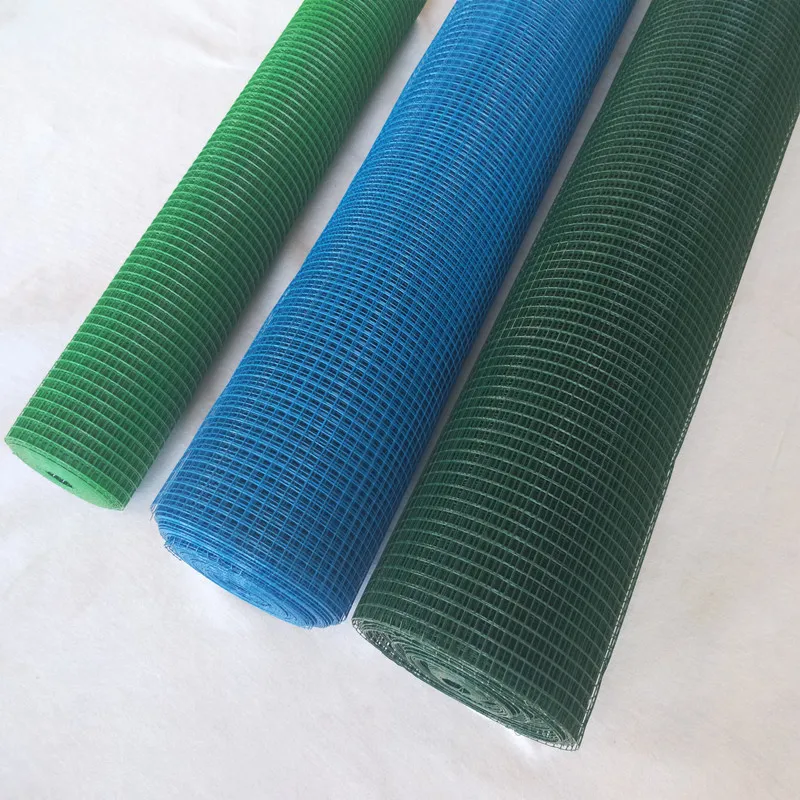
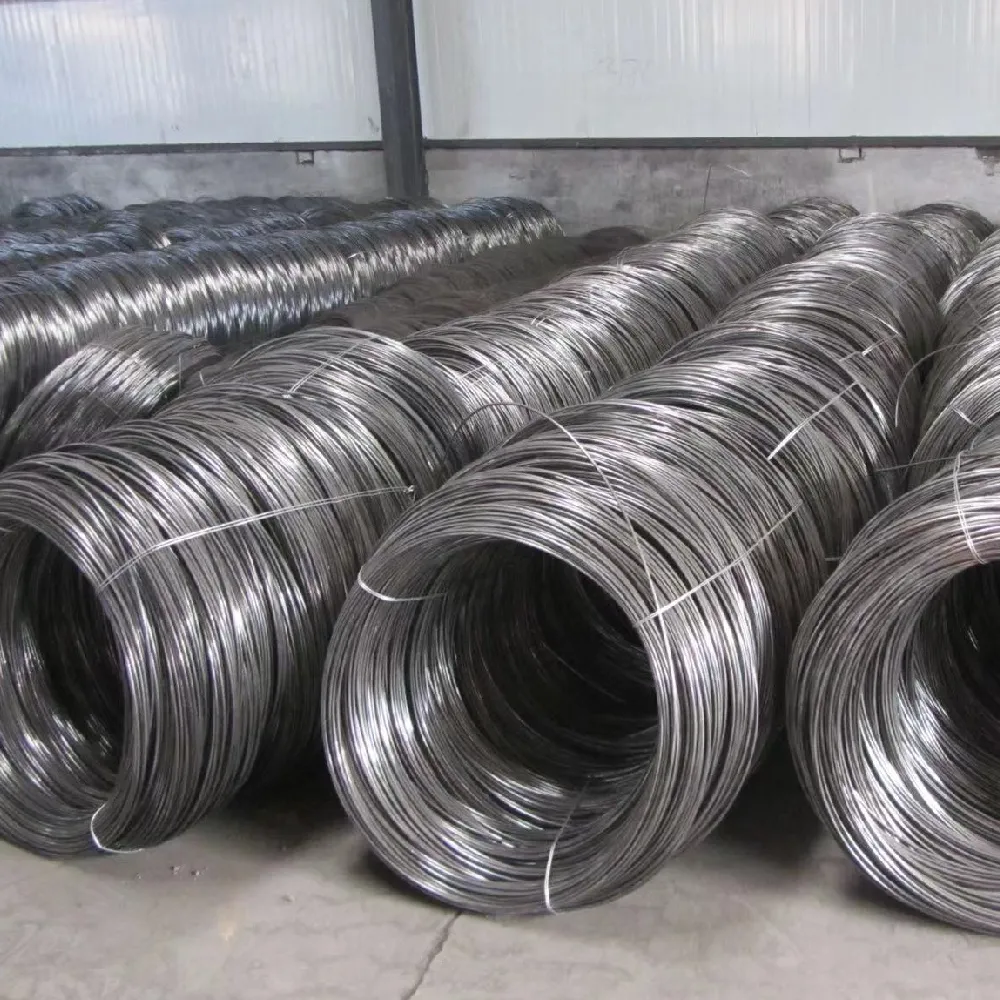
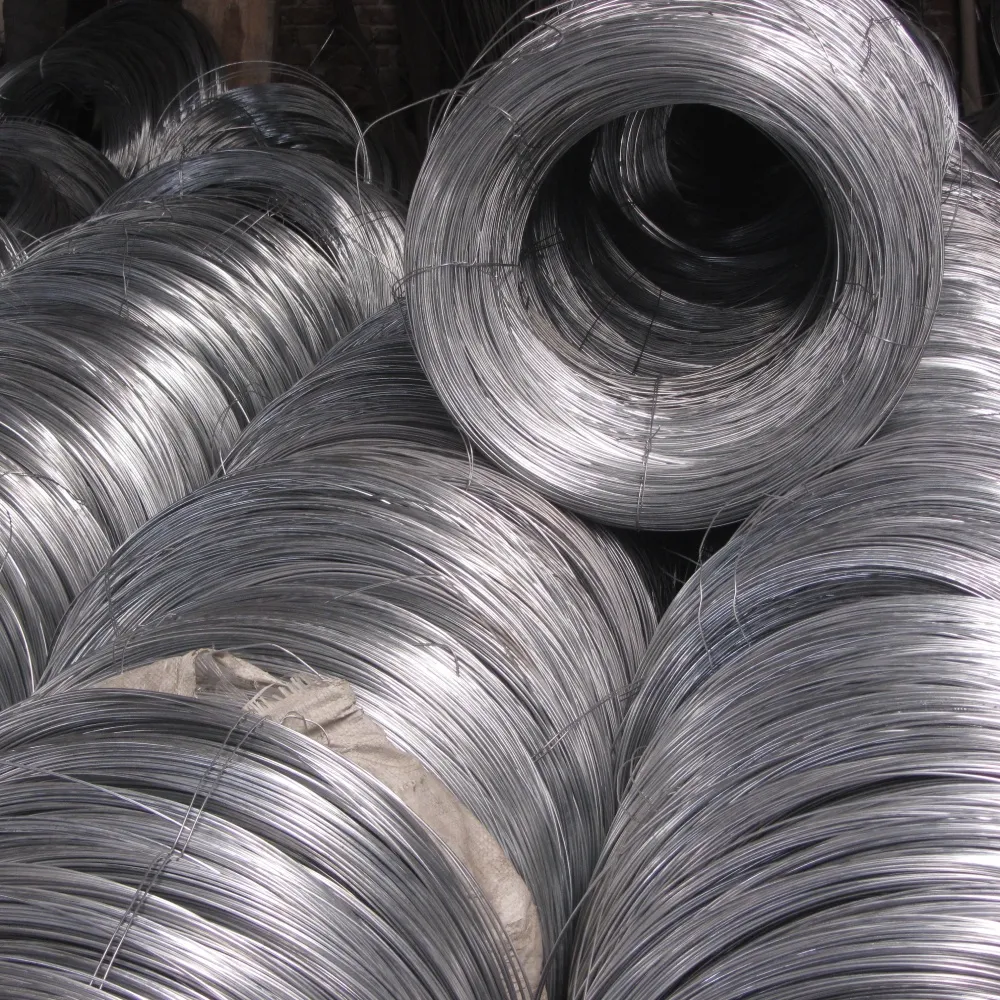
Typically made from galvanized steel or vinyl-coated metal, chain link fence extensions stand up well against corrosion and weather, even in harsh climates. Choosing the right coating matters, especially in coastal areas or industrial sites exposed to chemicals.
The magic lies in easy assembly. Sections are designed to slot onto existing fences without specialized tools. Scalability means adding one panel or ten, based on need — whether it's for a small business compound or a sprawling warehouse perimeter.
No need for total fence overhaul equals big savings. Extensions save labor and material costs. Plus, with less downtime during install, businesses stay operational—something many can’t put a price tag on.
Extensions can range from additional height to attachments like barbed wire or privacy slats that add layers of protection. This customizable approach fits any security profile.
Reuse of existing fencing lessens waste, and many manufacturers offer recyclable or sustainably sourced materials — a nod to the greener trends pushing across industries.
The versatility of chain link fence extension makes it a go-to for diverse global needs — from safeguarding precious infrastructure to protecting lives in crisis zones.
Beyond the upfront convenience and cost savings, chain link fence extensions contribute to long-term reliability. They preserve original fencing investment and reduce material waste, aligning with increasingly strict sustainability standards.
From a social standpoint, improving security with minimal disruption nurtures trust among communities — important when fences frame both public and private spaces. A well-extended fence feels both robust and respectful, which is oddly important.
| Specification | Details |
|---|---|
| Material | Galvanized Steel Wire (7 gauge) |
| Coating | Vinyl or Zinc-coated |
| Height Options | 2 ft, 3 ft, 4 ft extensions |
| Mesh Size | 2 inches (standard diamond) |
| Installation | Bolt-on with brackets, no welding required |
| Average Weight | 7 - 10 lbs per linear foot |
| Vendor | Price Range (per linear foot) |
Lead Time | Customization | Eco-Friendly Options |
|---|---|---|---|---|
| Tike Metal | $15 - $25 | 2–3 weeks | High (sizes/coatings) | Yes |
| FencePro | $18 - $28 | 3–4 weeks | Medium | Limited |
| SecureLine | $20 - $30 | 4–5 weeks | Low | No |
The future feels like smart fences with embedded sensors (motion, temperature, or tampering detectors) that blend with chain link extensions. Also, expect greener, recycled materials and coatings reducing carbon footprints. Some companies trailblaze with solar-powered security lighting attached to fence posts — quite futuristic but practical.
Digitally, installation might be aided by augmented reality guides or drones performing site analysis to optimize fence extension deployment. It sounds high-tech, but it’s gradually becoming necessary as projects grow in scale and complexity.
Not all is smooth sailing: one common headache is alignment difficulties on older fences due to warping or wear. Then, localized weather conditions might degrade upgrade components faster than expected.
Experts recommend thorough inspections before installation and selecting high-quality, penetrating coatings. Some go beyond and pre-customize extension kits for tricky fence profiles.
For large-scale sites, training crews on modular assembly avoids costly mistakes and makes maintenance easier.
Chain link fence extension isn’t just an incremental product upgrade; it’s a practical answer to evolving fencing needs worldwide. Whether safeguarding communities, industries, or temporary settlements, this adaptable solution pays dividends in cost, speed, and sustainability.
For those keen to explore tailored solutions, check out chain link fence extension options at Tike Metal — specialists who blend expertise with customizable products spanning multiple use cases.
RELATED PRODUCTS





Top