At first glance, a commercial chain link fence might seem like a simple construction: interlinked metal wires forming a mesh, stretching across a site. But this straightforward structure plays an outsized role globally—in everything from securing industrial zones to aiding humanitarian missions. Knowing what a commercial chain link fence entails and why it’s essential helps us appreciate the unsung infrastructure that keeps economies humming and communities safe.
With urbanization soaring and security demands evolving worldwide, understanding these versatile fences offers insights into cost-effective, scalable boundary solutions. Whether it’s safeguarding factories in bustling cities or marking relief zones after natural disasters, commercial chain link fences are quietly indispensable.
According to the World Bank, global industrial land use has increased by nearly 40% over the last two decades, prompting heightened needs for perimeter security and delineation. Furthermore, the United Nations highlights that infrastructure resilience, including fencing and security systems, becomes critical in fragile post-conflict and disaster relief areas to restore order and protect assets.
Despite their humble appearance, commercial chain link fences address a fundamental challenge: how to rapidly, affordably, and durably secure or define large outdoor spaces. From manufacturing plants in Asia and Europe to international humanitarian aid camps in Africa, this fencing type blends practicality with accessibility. The ISO even offers standards for the durability and coating of metal fences, showing how industry and regulation intersect here.
Mini Takeaway: The commercial chain link fence serves as a global answer to the growing security and infrastructure challenges across industries, urban development, and humanitarian efforts.
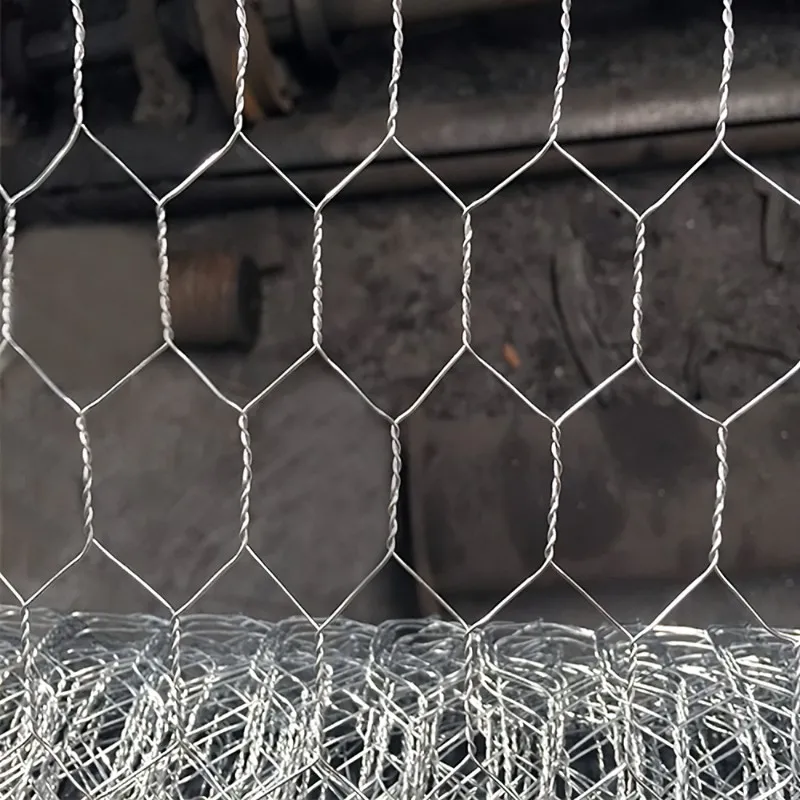
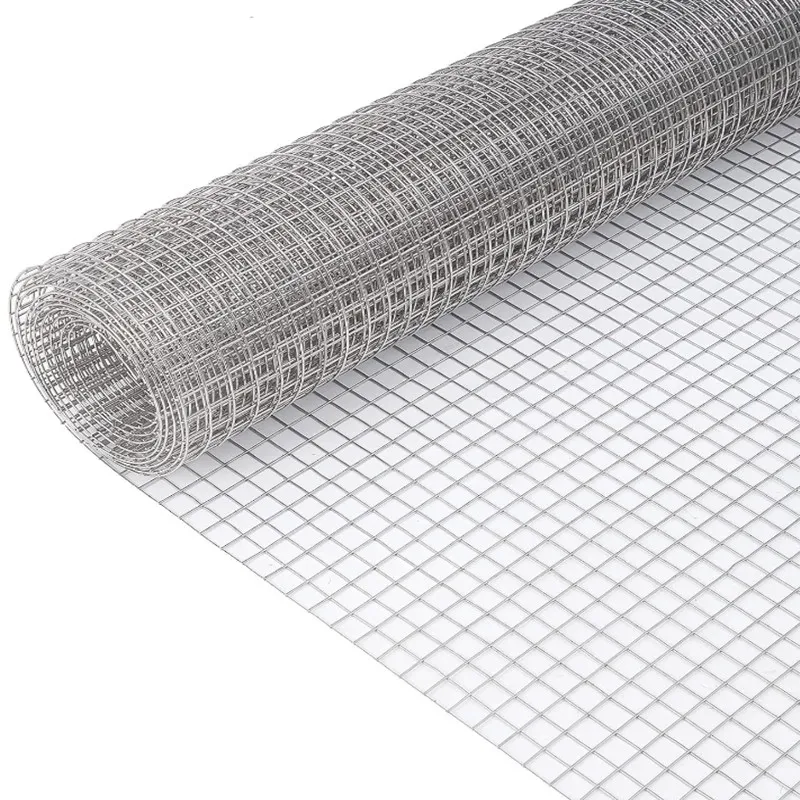
At its core, a commercial chain link fence is a woven fence made from galvanized or coated steel wire, configured in a diamond pattern. Unlike residential fences, commercial variants are designed for heavy-duty use—meaning sturdier wire gauges, reinforced posts, and coatings suited to weather harsh environments over many years.
Besides their glaring utility in securing industrial premises, chain link fences feature heavily in supporting humanitarian needs. For instance, controlling access to refugee camps or protecting equipment in aid operations relies on these fences’ durability and quick deployment. They are also infinitely scalable, adaptable to countless terrains and security requirements.
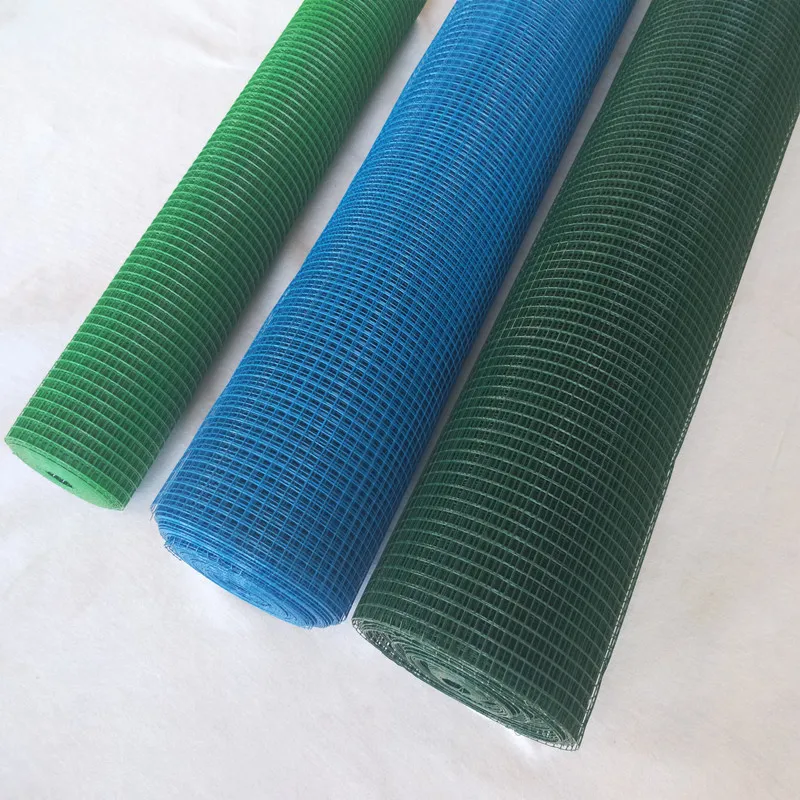
Commercial chains use robust galvanized steel or VINYL coatings that resist corrosion, even under extreme weather—think salty sea breezes or industrial pollution. This longevity translates into low maintenance costs and extended service lifespan.
You can extend or modify these fences relatively quickly, ideal for sites needing phased implementation. Whether enclosing a sprawling warehouse or a temporary humanitarian camp, you simply add more fencing panels or gates.
Compared to concrete walls or wrought iron fences, chain link fences offer a better return on investment. They're lightweight, easy to ship, and faster to install — saving time and labor.
Commercial chain link fences provide strong deterrence without obstructing visibility—key for surveillance cameras or patrol security. The mesh design strikes a sweet spot between physical protection and openness.
From varying mesh sizes, heights, colors, to electrification readiness or privacy slats, these fences adapt to different customer requirements. This flexibility makes them a go-to for many industries and regions.
Mini Takeaway: These core factors contribute to why commercial chain link fences remain a popular, practical choice worldwide.
If you picture an industrial complex in Germany, a petrochemical plant in Texas, or a refugee transit site in Jordan, you’ll likely spot these fences in action. In post-disaster relief efforts, NGOs deploy chain link fences to secure supply zones quickly, preventing theft or chaos. Commercial zones benefit greatly from their scalability—in large logistics hubs, zoning off restricted access areas maintains operational safety.
In developing regions, where budgets are often tight, local governments and companies rely on chain link fences to demarcate perimeters affordably yet consistently. South America’s mining sites, sub-Saharan power plants, and Southeast Asian manufacturing parks all illustrate the fence’s worldwide footprint.
| Specification | Typical Value |
|---|---|
| Wire Gauge | 9 to 11 gauge steel wire |
| Mesh Size | 2" to 2.5" diamond pattern |
| Fence Height | 4 to 12 feet (customizable) |
| Coating | Galvanized or PVC-coated |
| Posts | Galvanized steel, round or square |
| Installation Time | 1,000 sq.ft in roughly 1 day (professional) |
Beyond straightforward security, these fences offer a blend of social and economic benefits. They foster safety—helping workers feel protected, customers assured. In humanitarian contexts, they offer dignity by creating organized, controlled spaces instead of chaotic, vulnerable zones.
On a financial level, businesses save due to reduced maintenance, longer fence life, and faster installation. Some companies even value chain link fences as environmentally preferable compared to large concrete structures since they use less raw material and enable natural airflow.
Oddly enough, there's also an element of trust that a well-maintained perimeter conveys—clients and partners often read this as a signal of professionalism and care.
As sustainability targets tighten globally, vendors innovate with eco-friendly coating materials and powder-coated steel that’s 100% recyclable. Digital integration is also emerging—smart fences with embedded sensors for intrusion detection, wear monitoring, or wireless connectivity.
Automation in installation using drone surveying and AI-powered design is reducing human error and cost. Some companies experiment with solar-powered lighting integrated into fences for off-grid sites.
All these push commercial chain link fences beyond their “basic barrier” roots into a layer of intelligent infrastructure.
Common issues include corrosion in extreme environments, occasional vandalism, and sometimes limited privacy. Fortunately, innovations in polymer blends, anti-graffiti coatings, and privacy slats increasingly address these. Faster modular components and pre-assembled panels reduce installation errors, one of the notorious causes of fence underperformance.
Meanwhile, combining chain link fences with CCTV and patrol systems helps ensure layered security. And as environmental regulations tighten, companies invest in green coatings and more thorough lifecycle testing to reduce waste.
| Vendor | Material Quality | Customization Options | Lead Time | Sustainability |
|---|---|---|---|---|
| Tike Metal | High-grade galvanized steel, ISO certified | Custom heights, mesh sizes, coatings | 2-4 weeks | Eco-friendly powder coating options |
| FencePro Co. | Standard galvanized steel | Limited color options | 3-5 weeks | Basic PVC coating only |
| Global Fence Solutions | Varies; bulk sourcing | Extensive customization but higher prices | 4-6 weeks | Limited sustainability program |
Mini Takeaway: When selecting a commercial chain link fence supplier, prioritize quality, lead times, and sustainability credentials to match your project's demands.
Frankly, the commercial chain link fence is far more than a fence. It’s a durable, cost-effective, and flexible solution that underpins security and organization worldwide. Whether for sprawling industrial zones, humanitarian aid contexts, or growing commercial complexes, its adaptability and long-term value make it a go-to choice.
If you’re looking to invest in a fence system that balances performance, sustainability, and scalable design, you might find exactly what you need in these fences. To explore more or get a tailored quote, visit our website: commercial chain link fence.
Keep in mind, such infrastructure quietly supports millions of lives and businesses worldwide — sometimes, the simplest things are the most foundational.
References:
RELATED PRODUCTS





Top