At first glance, chain link fences might seem like just another utilitarian barrier, but when you think about chain link privacy, the story gets a tad more interesting. It’s about balancing openness with discretion — providing security without feeling trapped. Globally, with urban spaces tightening, communities craving safety, and industries needing reliable fencing, understanding how chain link privacy solutions work is vital. Plus, it’s not just about borders or fences anymore; it has implications for social dignity, security, and even aesthetics. So, why should you care? Because whether you’re securing an industrial site, a backyard, or a humanitarian shelter, knowing the options out there can save time, money, and hassle down the road.
Chain link fences contribute to a global fencing market valued in the billions, addressing everything from residential privacy to sensitive industrial perimeters. According to recent ISO environment reports, more than 35% of commercial property investments include some form of fencing improvement for privacy and security purposes. Meanwhile, UN habitat initiatives highlight the growing need for safe, private spaces in urban slums and refugee camps alike — surprisingly, chain link privacy solutions often come up as a flexible answer.
Yet, here’s the catch: The open weave design of usual chain link fences is a privacy no-no by itself. This creates real challenges. How do users protect their property or personal space without resorting to heavy, expensive walls? This dilemma is exactly where innovations in chain link privacy come into play.
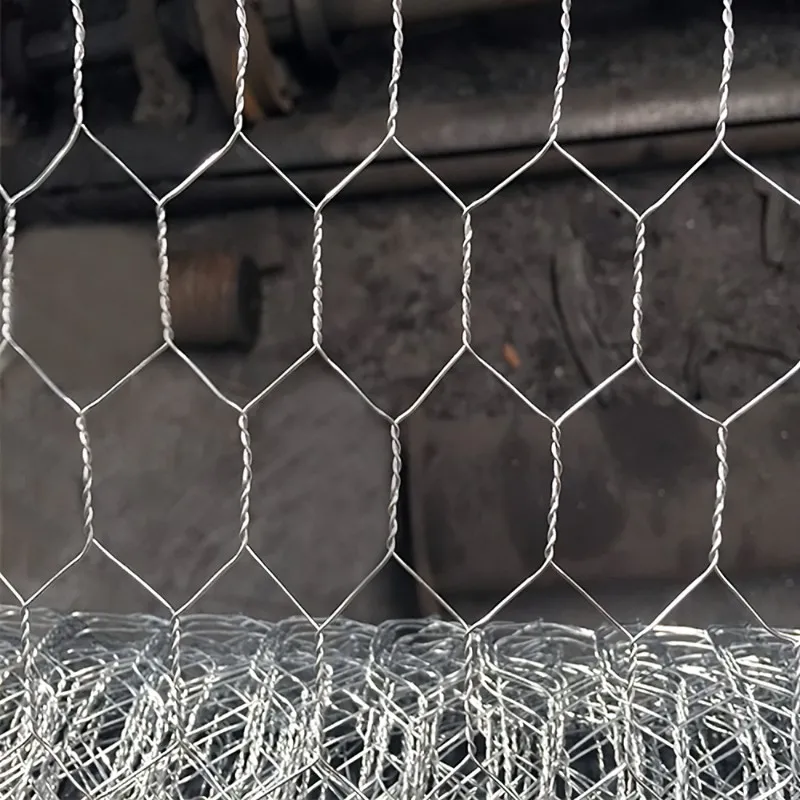
Simply put, chain link privacy refers to techniques and materials used to increase the visual and sometimes acoustic privacy of a traditional chain link fence. Normally, chain link fencing is a diamond-pattern steel mesh — great for security but lousy for shielding eyes from peeking. Privacy can be added by attaching slats, mesh fabrics, or vinyl coatings that obscure view through the fence.
This upgrade transforms a basic security barrier into a multi-functional perimeter solution, essential for everything from industrial plants wanting to hide sensitive activities to homeowners who want to enjoy their backyard without feeling watched. Oddly enough, it also fits humanitarian work — think makeshift camps needing quick, robust, and private fencing that’s easy to install.
Because chain link fences are often outdoors and exposed to weather, the privacy additions need to hold up to wind, rain, and UV rays without tearing or fading. Materials like vinyl-coated slats or woven polyethylene are popular because they last years with little maintenance.
The beauty of chain link privacy elements is that they scale — you can cover one panel or an entire perimeter with the same system. Many vendors offer adjustable slat sizes or roll-out privacy fabric, making installations faster and adaptable to different fence heights.
Compared to building solid walls or wood fences, chain link privacy upgrades are wallet-friendly. The initial investment often pays off quickly when you consider ease of installation, longevity, and reduced upkeep.
Not all privacy fences have to look like bland blocks. Manufacturers offer slats in various colors and patterns, allowing for branding or simply making a residential yard feel homier. This design flexibility is surprisingly important for many users.
Some privacy slats and fabrics are now produced from recycled materials or are themselves recyclable, a nod towards sustainability that matters in today’s eco-conscious market.
Mini takeaway: Chain link privacy isn’t just about ‘covering up’ — it’s about smart, durable, cost-effective upgrades that fit diverse budgets and needs.
It’s one thing to talk theory, another to see how these solutions get used. For example, in post-disaster relief, rapid fencing is critical. Refugee camps or temporary shelters often need flexible fencing that ensures personal safety while maintaining dignity — exactly where privacy-enhanced chain link fences come in.
In industrial zones across North America and Europe, chain link privacy helps protect trade secrets and shields noisy machinery from curious eyes. Residential communities worldwide leverage these fences along their property lines to create safe, intimate outdoor spaces without blocking airflow.
Educational campuses use chain link fences with privacy slats for added security without the starkness of solid walls, improving perceptions of openness while still controlling access.
| Feature | Description | Standard Size | Material | Expected Lifespan |
|---|---|---|---|---|
| Vinyl Slats | Interlocking vertical slats for privacy and wind deflection | 1.5” x 96” (length) | High-density polyethylene (HDPE) with vinyl coating | 10-15 years |
| Woven Mesh Fabric | Opaque woven polyethylene fabric, attached by ties | 4' x 100' roll | UV-stabilized polyethylene | 5-7 years |
| Aluminum Slats | Durable, rust-proof slats for long-term privacy | 2” x 96” | Anodized aluminum | 15+ years |
Mini takeaway: Whether fabric, vinyl, or metal, there's a chain link privacy solution engineered for diverse climates and needs.
| Supplier | Material Options | Installation Support | Price Range | Warranty |
|---|---|---|---|---|
| Tike Metal | Vinyl, Metal, Mesh fabric | Detailed guides & videos | Mid | 10 years |
| PrivacyGuard Inc. | Woven Mesh fabric only | Phone support only | Low | 5 years |
| FenceFlex Solutions | Vinyl slats & metal slats | On-site consultation | High | 15 years |
Cost savings aside, privacy-enhanced fencing offers emotional value. It gives people a sense of security, protects sensitive operations, and retains openness that a solid concrete wall just can’t. Many engineers say it’s a subtle way of balancing community safety with individual freedom — a fence that doesn’t feel like a prison.
In sustainability terms, the light materials reduce waste and energy in transport compared to bulky stone or wood walls. Plus, less invasive installation protects natural surroundings.
Here’s where it gets exciting: new materials like biodegradable slats and smart privacy fabrics embedded with sensors are on the rise. Imagine a fence that not only shields you but alerts you when tampered with or adjusts opacity based on weather or light levels. Companies are also exploring solar-powered fences embedding lighting and cameras discreetly.
The broader digital transformation pushes fence manufacturers to integrate IoT technologies, making privacy fences part of smart perimeter control systems. No longer just “look but don’t touch,” they might soon "see" and "respond."
Despite these gains, issues persist. Wind loads can strain privacy slats, causing premature wear or fence damage—an uphill battle in storm-prone areas. Installation mistakes also reduce effectiveness dramatically.
Experts recommend carefully matching slat types to local climate rigors and investing in professional installation or at least robust guides. Also, modular fencing solutions are trending, helping replace damaged sections swiftly without a full fence teardown.
So, if you’re weighing options for fencing that protects, dignifies, and adds an unexpected style point, chain link privacy enhancements are worth a close look. They balance cost, durability, and customization without the heavy permanence or price tag of other materials.
Interested in upgrading your fence? Visit https://www.tikemetal.com for a peek at the latest in chain link privacy solutions that could fit your project just right.
References:
1. ISO Environmental Management Standards
2. UN Habitat – Urban Fencing and Privacy
3. Wikipedia - Fence
RELATED PRODUCTS





Top