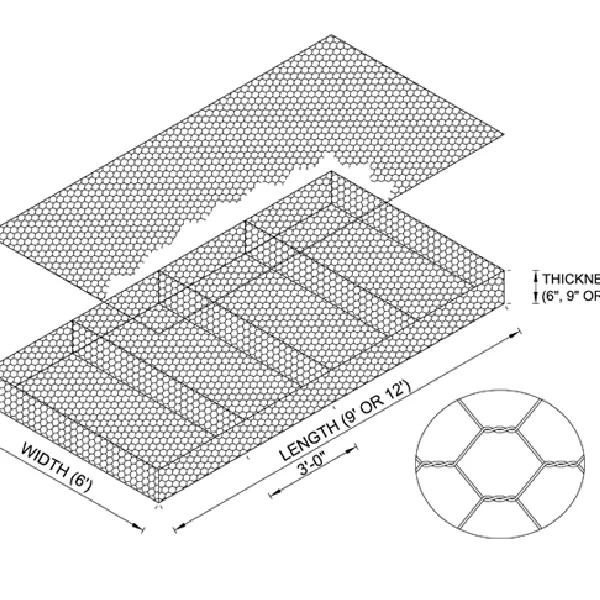
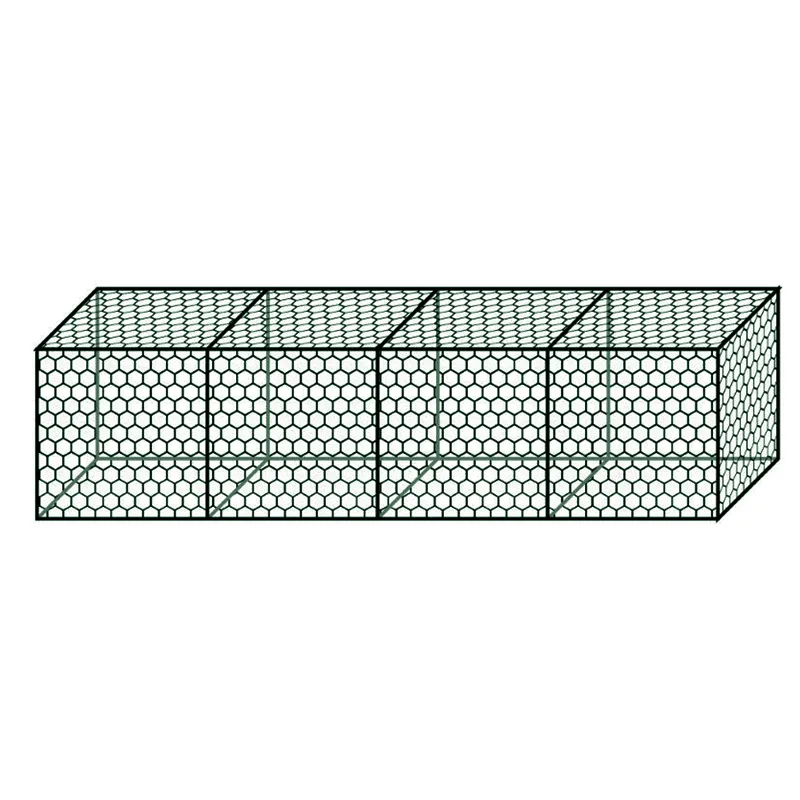
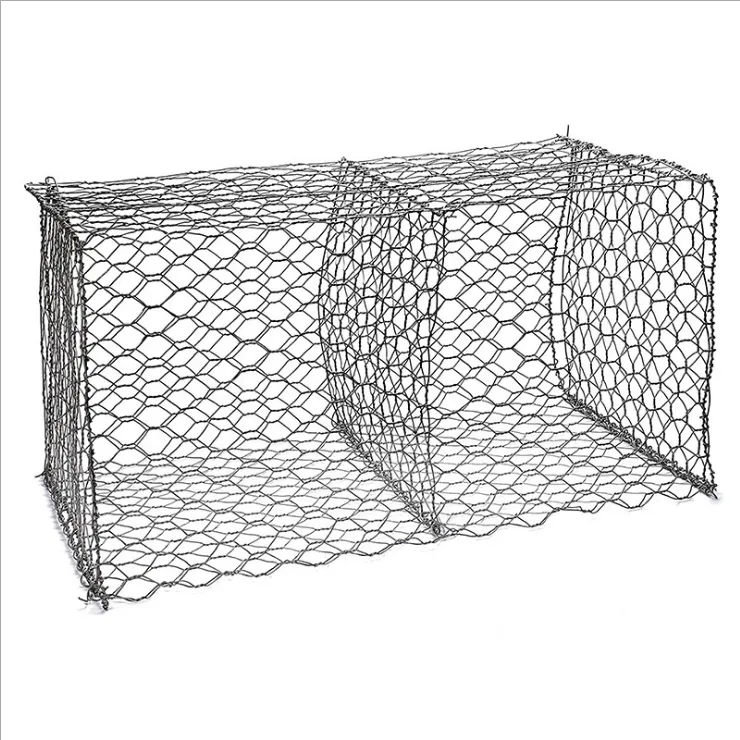
Wire fence privacy isn’t just about keeping prying eyes away—it’s a surprisingly crucial component in safeguarding spaces, especially in our increasingly urbanized and security-conscious world. Whether it’s for residential backyards, industrial perimeters, or humanitarian relief camps, understanding this concept helps solve real challenges fencing alone couldn’t. At its core, wire fence privacy blends function with discretion, offering protection, safety, and peace of mind in one neat package.
As urbanization accelerates worldwide — the United Nations estimates that 68% of the global population will live in cities by 2050 — so does the demand for privacy in crowded environments. Wire fence privacy solutions have become critical in balancing security needs with aesthetic and environmental concerns. According to ISO standards on fencing and enclosure, the choice of material, strength, and design dramatically impacts durability and user satisfaction. But here’s the rub: many urban or industrial zones still face open, exposed fencing that defeats the very purpose of privacy, often causing security, safety, or confidentiality issues.
Beyond cities, think of relief efforts where refugee or disaster camps need fences that not only secure but also grant some personal space. Wire fence privacy tackles this with options that are quick to deploy yet robust enough to sustain harsh conditions.
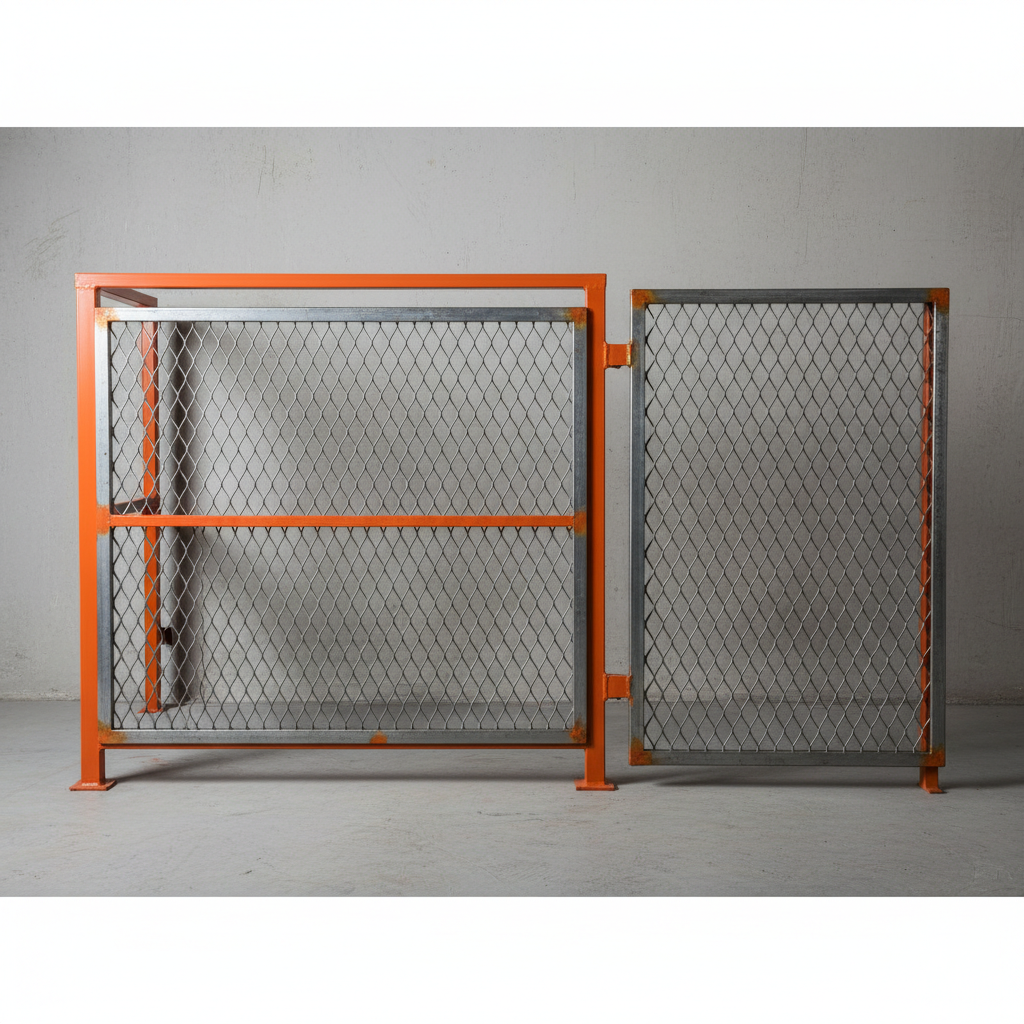
At its simplest, wire fence privacy refers to the design and installation of wire-based barriers enhanced with elements—like slats, mesh covers, or coatings—that block direct visibility without compromising ventilation or natural light. It’s kind of like wearing sunglasses inside your own yard: you get privacy but don’t feel boxed in.
This fencing approach is intertwined with modern industry demands, notably in sectors such as construction, manufacturing, and humanitarian projects, where secure yet breathable boundaries must coexist. It’s an elegant solution to a longstanding problem: how do you secure a perimeter without creating a fortress feeling or environmental drawbacks?
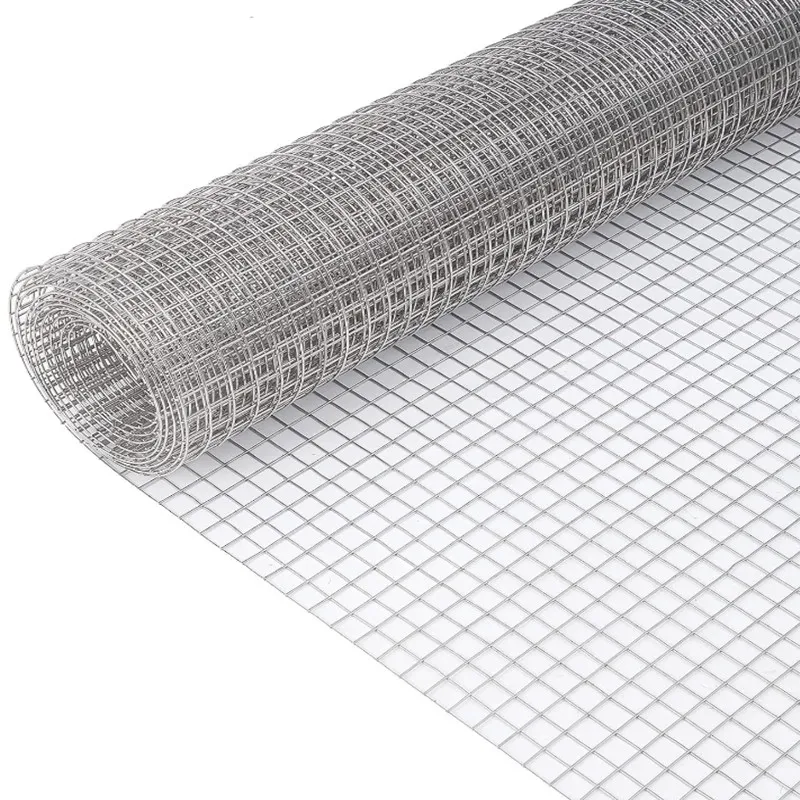
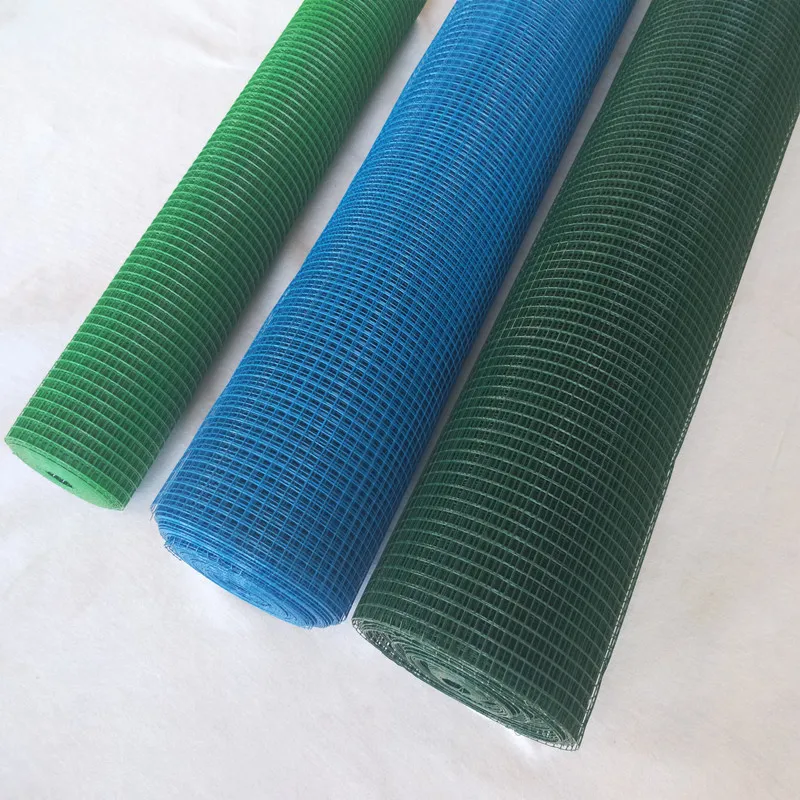
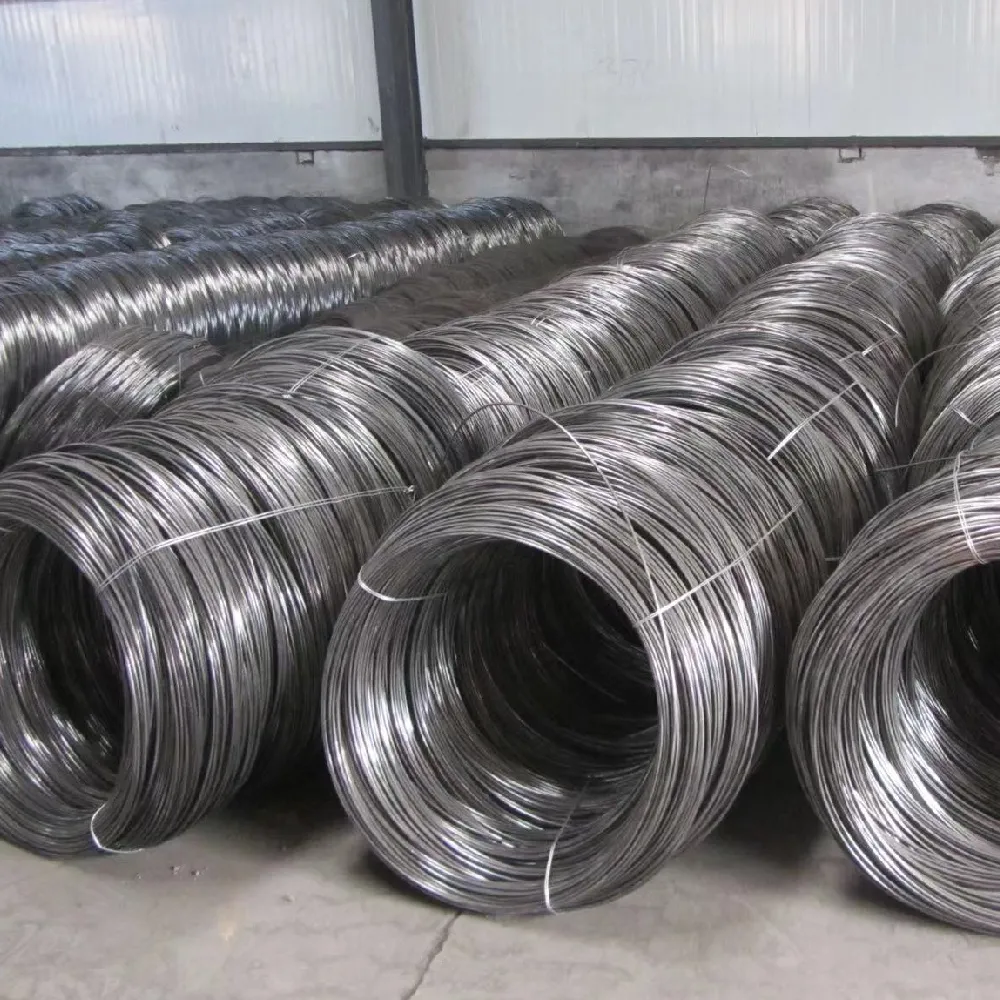
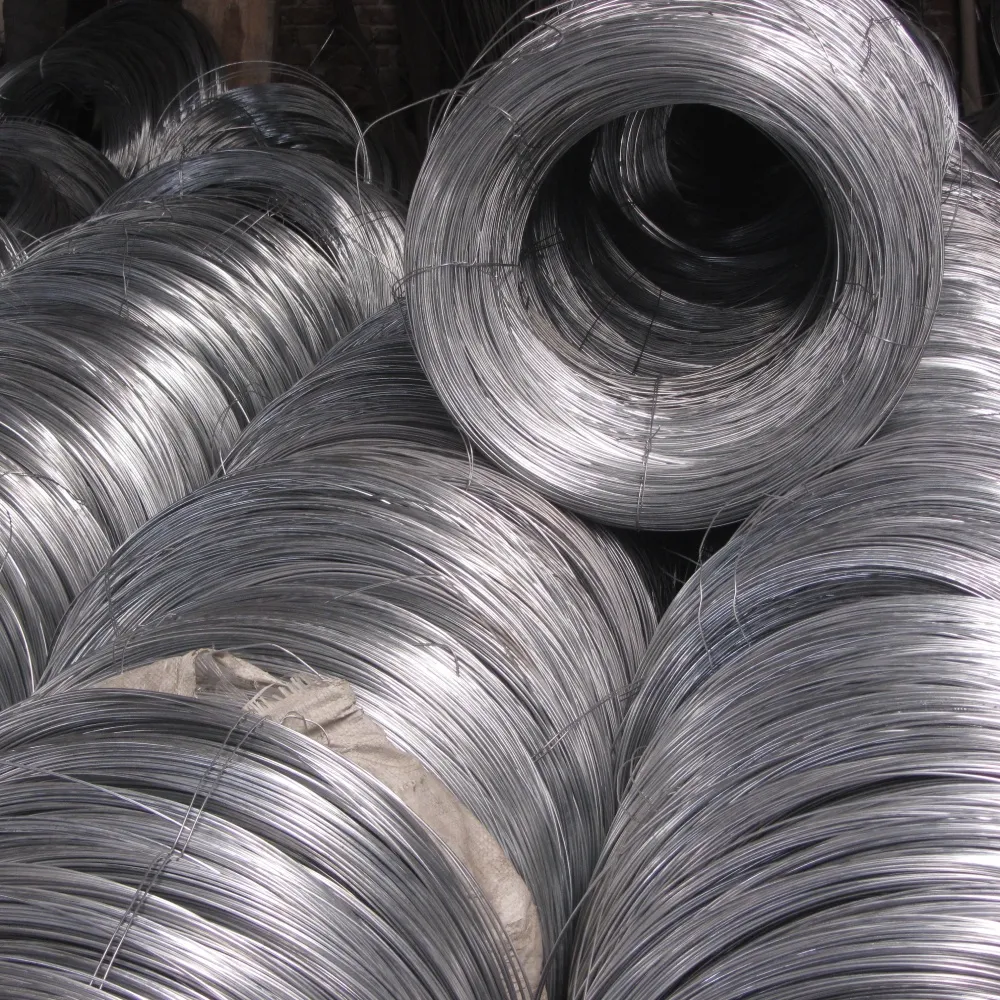
Many engineers underline that the backbone of effective wire fence privacy solutions is durability—the ability to withstand weather, physical strain, and even vandalism. Materials like galvanized steel or vinyl-coated wire meshes are front-runners for this reason, promising years of wear resistance.
Wire fence privacy can be scaled — literally and figuratively — from small residential fences to kilometers of industrial perimeter. Its modular nature means you add, remove, or adjust panels to suit evolving demands. This flexibility is precious in fast-moving sectors like construction or refugee camp setups.
Privacy fencing needn’t be eyesores. Manufacturers are increasingly offering color-coated wires and infused natural materials or green barriers that blend into landscapes. Plus, porous designs protect fauna movement and light passage, which worries environmentalists less than solid barriers.
Wire fence privacy meshes generally require lower upfront investment than more rigid fencing alternatives like concrete walls. Installation is faster, and maintenance costs stay relatively low, making it a smart choice for tight budgets.
Quick deployment is not trivial for many users — especially NGOs or temporary installations. Prefabricated panels with privacy slats help reduce downtime and labor efforts significantly.
Routine checks for rust, slat displacement, or mesh integrity keep the fence effective. Luckily, many modern coatings reduce the frequency of repairs.
Practically every continent and sector benefits from wire fence privacy. In Europe, urban planners use it to shield mixed-use developments without sacrificing light. In Asia, factory sites rely on it for secure but breathable surroundings. Africa and South America see NGOs installing privacy-enhanced fencing in refugee camps and medical quarantine zones, where settings require both security and a humane touch.
One particularly interesting use case emerged recently when a large disaster relief organization deployed wire fence privacy around temporary shelters post-hurricane in the Caribbean, ensuring displaced families could reclaim a semblance of dignity while maintaining security. It’s a subtle yet profound impact.
| Specification | Standard Value | Notes |
|---|---|---|
| Material Type | Galvanized Steel Wire, Vinyl Coated | Corrosion resistance enhanced |
| Wire Gauge | 14-16 Gauge | Balance of strength & flexibility |
| Mesh Opening Size | 25mm x 50mm | Optimized for privacy |
| Privacy Slats | Polyvinyl or Polyethylene | UV-resistant color options |
| Height Range | 1.2m to 2.5m (standard) | Custom sizes available |
| Installation Type | Post and Panel System | Easy to assemble or relocate |
There’s a lot more to wire fence privacy than meets the eye. For one, cost savings add up over time. Low maintenance and longevity slash replacement expenses. There’s also an environmental angle: coatings and materials have improved to reduce ecological footprints and promote sustainability.
Emotionally, these fences help restore a sense of safety and dignity—whether it’s parents feeling their kids are protected in a playground, or office staff appreciating a confidential outdoor area. The trust built around privacy can even improve workplace morale or community cohesion.
The future is dotted with interesting advances. Anti-microbial coatings, solar-powered integrated security systems, and smart mesh technologies that alert owners against tampering are becoming real. More excitingly, ecologically ‘friendly’ fences embedded with biodegradable or recycled materials are on the rise—a nod to the global shift toward sustainability in construction and materials.
Automation is another curveball: imagine fences that adjust transparency based on light or proximity sensors. While still niche, these are being tested in tech-savvy sectors.
Wire fence privacy isn’t flawless. Challenges like weather-related damage in extreme climates, vandalism, and installation errors crop up regularly. Experts recommend thorough site analysis before installation: knowing factors like wind load, soil type, and local regulations helps avoid costly mistakes.
Solutions include using hybrid materials, modular designs for easy repairs, and community training to foster respect for fencing areas. It feels a bit like the fencing is only as good as the people around it — a reminder of the human aspect behind what seems like just “wire and plastic.”
| Vendor | Material Quality | Customization | Price Range | Delivery Time |
|---|---|---|---|---|
| FenceCo Global | High (Galvanized, vinyl coated) | Wide range | $$$ | 2-3 weeks |
| SecureMesh Solutions | Medium (Galvanized) | Limited colors | $$ | 1-2 weeks |
| EcoFence Tech | High (Recycled materials) | Moderate (Natural tones) | $$$ | 3-4 weeks |
Wire fence privacy isn’t just a fence—it’s a thoughtful investment in security, dignity, and adaptability. Whether you’re a homeowner, business, or NGO, the balance of durability, cost, and aesthetics makes it a compelling choice for many global applications. If you’re interested in exploring options or need a tailored solution, wire fence privacy providers like those we’ve discussed offer a wealth of choices.
In the end, privacy isn’t just about isolation—it’s about creating spaces where freedom and safety coexist. And that’s something worth fencing in carefully.
RELATED PRODUCTS





Top