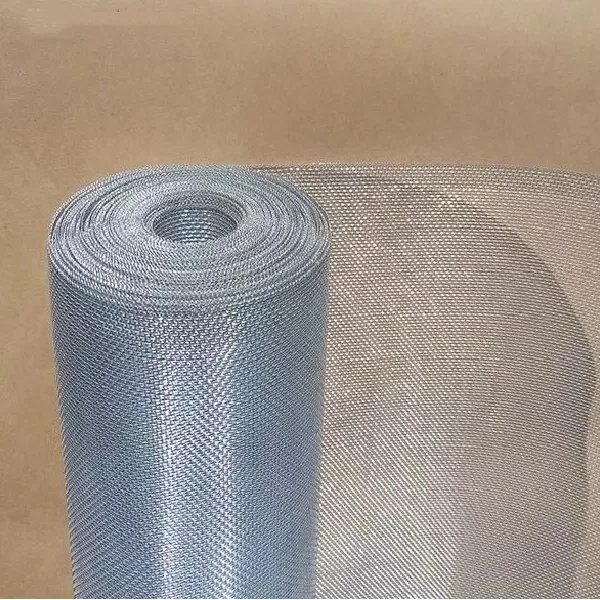
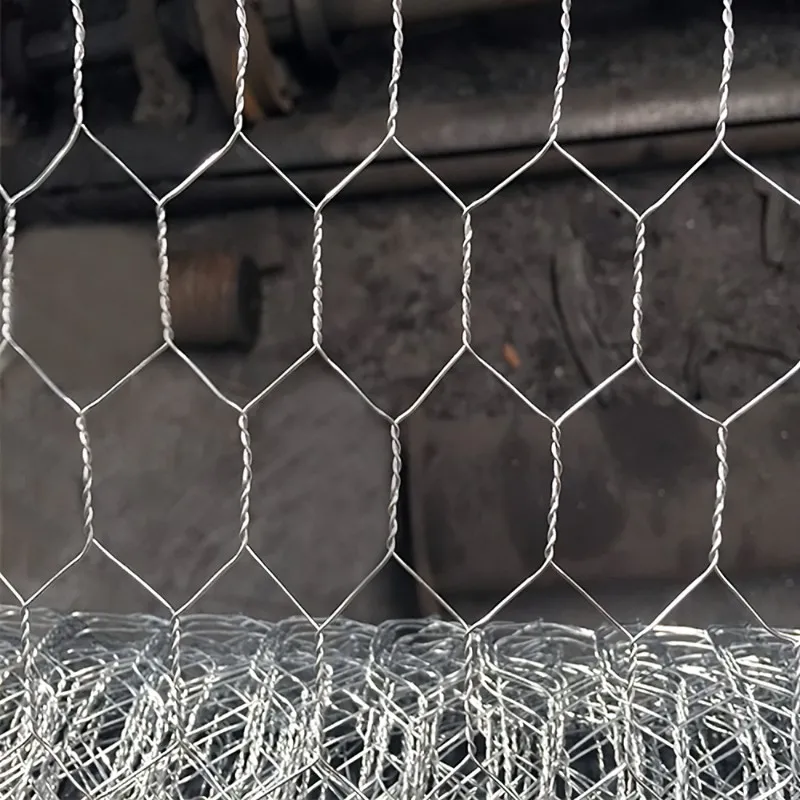
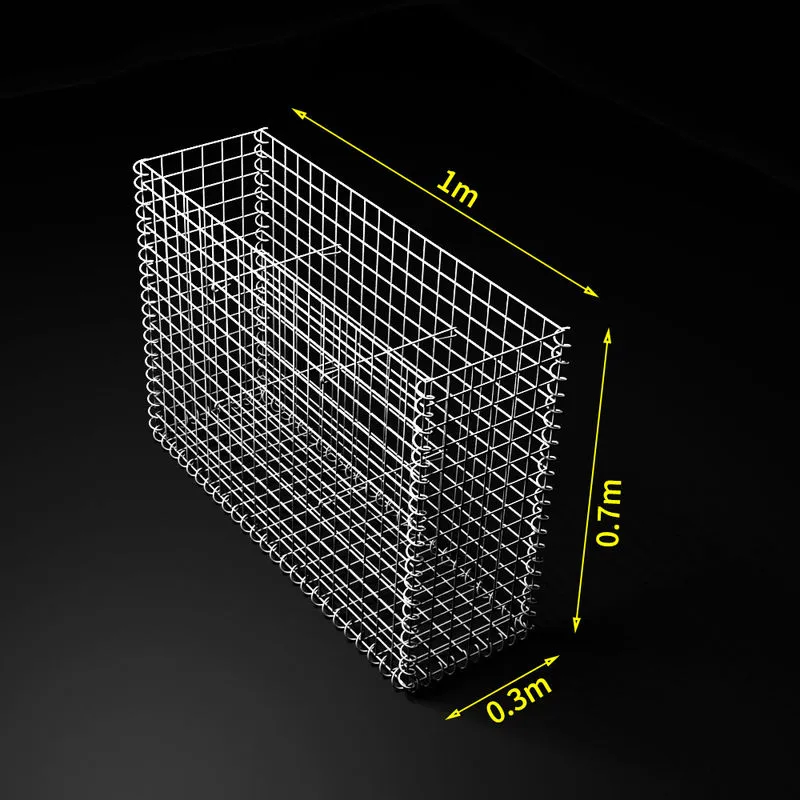
In a world that depends on interconnected systems more than ever, the concept of chain link extension has taken on a critical role. Its importance isn’t limited to physical fences or basic industrial chains; rather, it represents how expanding connectivity—both literally and metaphorically—can drive efficiency, security, and sustainability worldwide. Understanding chain link extension helps industries optimize their infrastructure, humanitarian aid efforts scale faster, and supply chains stay robust against unpredictable challenges. So, why is it suddenly a buzzword in sectors from manufacturing to relief logistics? Let’s take a closer look.
U.N. reports suggest that global trade volumes have more than doubled since 2000, emphasizing an urgent need for adaptable and durable linking systems to manage sprawling networks of goods and services. Meanwhile, industries face growing pressure to improve asset longevity and scalability, especially in developing regions. Chain link extensions come in as a practical yet innovative solution: boosting connectivity with minimal downtime and cost. Frankly, without such seamless extensions, many industries would struggle to maintain efficiency at scale.
In simple terms, chain link extension means adding segments or units to an existing chain structure—whether a literal metal fence or digital supply chain—to increase its length, strength, or functionality. You can think of it as “scaling out” a chain to cover wider or more complex needs while preserving its core integrity.
Today, the concept goes far beyond physical links. It symbolizes the expansion of supply chains, modular infrastructure, and even humanitarian resource networks, crucial for addressing needs from disaster zones to industrial expansions swiftly and reliably.
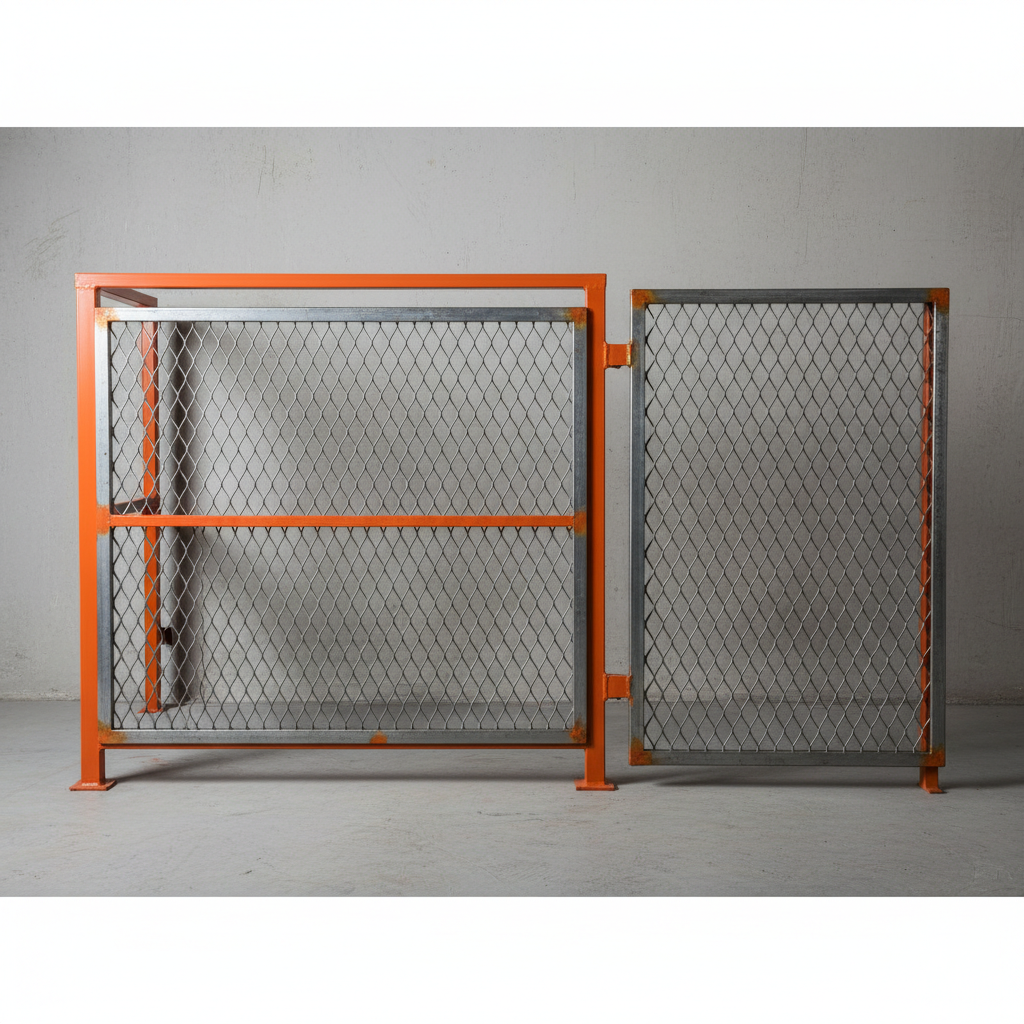
Whether made of galvanized steel or advanced polymers, chain links must resist wear, weather, and mechanical stress. Durability extends lifespan, decreases maintenance, and guarantees safety—key for everything from perimeter fencing to conveyor belts.
This is the magic. The ability to add extensions easily, without replacing entire setups, saves time and allows customized fits for specific projects. Scalability ensures solutions grow alongside operational demands.
Extending rather than replacing reduces budget strains—both in materials and labor. Many engineers point to the reduced total cost of ownership as one of the top reasons to opt for chain link extension approaches.
Not all environments are equal. Flexible chain link designs adjust to terrain, climate variations, and even changing security protocols. This means they’re often the choice for regions with complex logistical challenges.
Innovations in recyclable materials and eco-friendly coatings mean chain link extensions can support circular economy goals, reducing waste and energy consumption.
Regions like Southeast Asia and Sub-Saharan Africa particularly benefit, as modular extensions mean systems can adapt without huge upfront costs or delays, according to World Bank findings.
The benefits stack up beyond just the immediate mechanical or financial gains:
It’s odd, but you realize even something as simple as a chain extension can symbolize trust—trust that a system won’t fail when it’s needed most.
| Feature | Specification | Benefit |
|---|---|---|
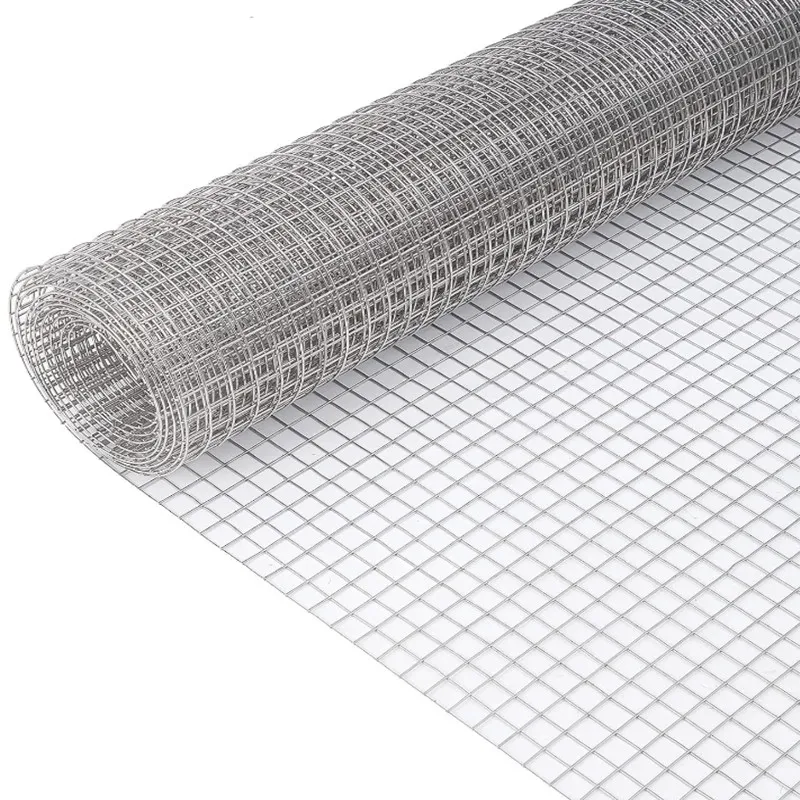
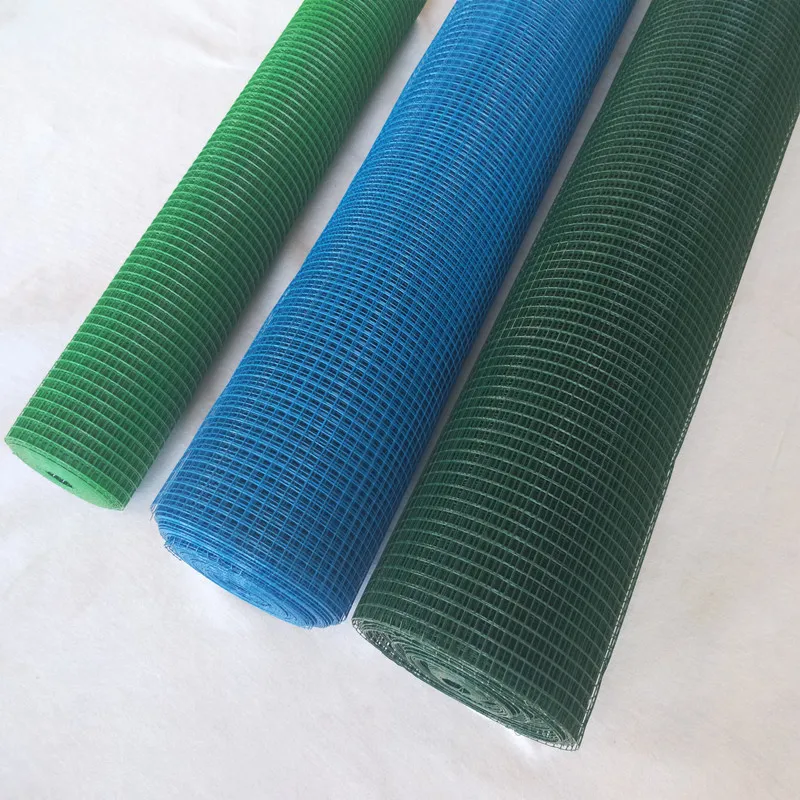
| Material | Galvanized Steel / PVC Coated | Corrosion resistance, longevity |
| Link Size | 50mm x 50mm typical, customizable | Fits diverse fencing/industrial setups |
| Extension Type | Modular Panels or Link by Link | Easy, flexible installation |
| Weight | 3.2 - 5.5 kg/m² | Balance between strength & handling |
| Lifespan | 15+ years under normal conditions | Long-term reliability |
| Vendor | Product Range | Lead Time | Customization Options | Typical Pricing |
|---|---|---|---|---|
| Tike Metal Works | Standard & Heavy-Duty Extensions | 1-2 weeks | Custom sizes, coatings | $$$ (mid-range) |
| Global Chain Solutions | Industrial-grade & Modular Kits | 2-3 weeks | Limited customization | $$ (budget) |
| FlexiLink Tech | High-tech polymer & Smart Links | 3-4 weeks | Extensive custom options | $$$$ (premium) |
Smart materials are already transforming chain link extension products—with embedded sensors monitoring stress and corrosion over time. Imagine a fence that signals when it needs repair, or modular chains that self-lock for enhanced security. Plus, greener materials derived from recycled plastics or bio-based resins shape a promising eco-friendly future.
Digital transformation means integration with asset-tracking platforms, enabling seamless chain-of-custody transparency. Automation in manufacturing is driving costs down, making tailor-made chain link extensions more affordable than ever.
One hurdle is the compatibility of new extensions with older systems, often causing installation delays or performance issues. Experts advise standardized connectors and pre-assembly testing to ease integration pains. Geographic constraints and weather extremes remain stubborn challenges—selecting materials suited for local climates mitigates many problems.
I’ve seen projects where simple modular extensions cut weeks of downtime, so sometimes “thinking small” like this really pays off.
To sum up, chain link extension is more than just an add-on—it’s an enabler of growth, flexibility, and trust in systems that keep our world running smoothly. From industrial terrains to disaster relief, these extensions deliver cost-effective, scalable, and sustainable solutions that meet the future head-on.
If you’re looking to upgrade your operations or secure expanding sites, you might want to explore the options available at Tike Metal Works. After all, the right link can make all the difference.
RELATED PRODUCTS





Top