Chain link fence sections have become one of those quietly essential products that are everywhere — from securing your local playground to fencing off industrial sites in remote locations. Despite their seeming simplicity, these panels are crucial worldwide, not only for their practical benefits but also for the social and economic contexts they touch. Understanding chain link fence sections means appreciating an infrastructure element that quietly supports safety, boundary management, and cost-effective construction across many sectors.
Globally, fencing solutions like chain link fencing rank high among favorite choices for temporary and permanent boundaries. According to the International Organization for Standardization (ISO), fencing solutions grew by roughly 4% annually worldwide, driven by urbanization, increased industrial activity, and heightened security awareness. The World Bank’s urban development reports highlight the need for affordable, scalable fencing options in rapidly growing cities — to protect infrastructure, maintain order, and ensure safety. Yet, many communities and industries still grapple with challenges like cost, ease of installation, and environmental impact when choosing fencing solutions.
Chain link fence sections answer many of these problems with their versatility and affordability. For humanitarian groups working in conflict zones or disaster-hit areas, they offer a quick and effective way to secure camps and supplies. For industrial zones, they ensure safety compliance with minimal ongoing maintenance. Frankly, not every fencing solution can do that.
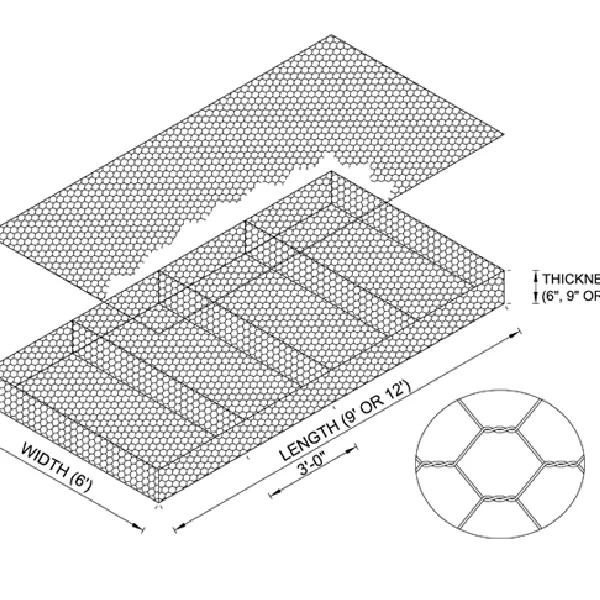
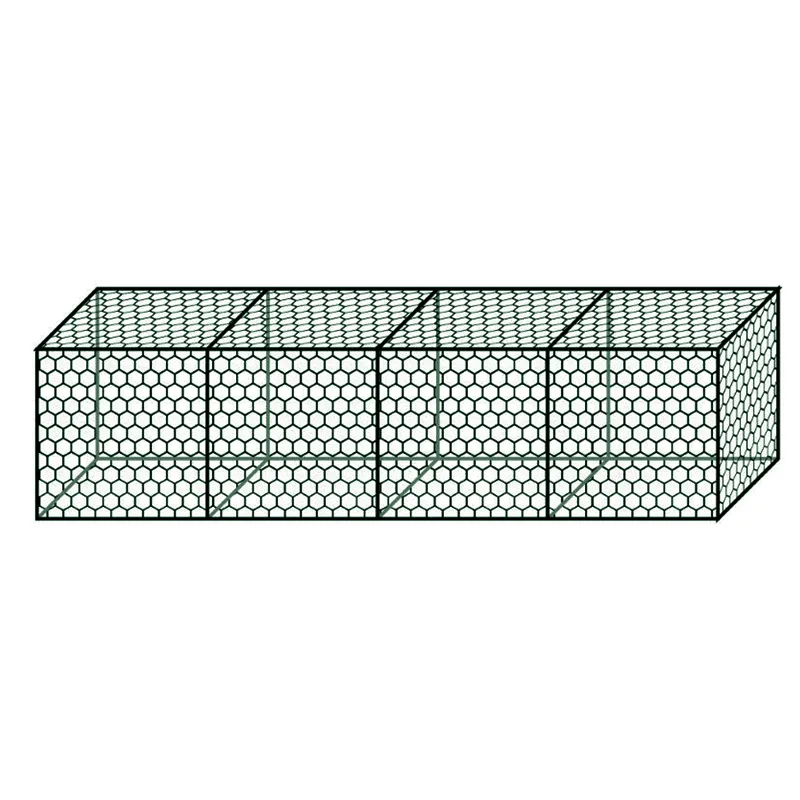
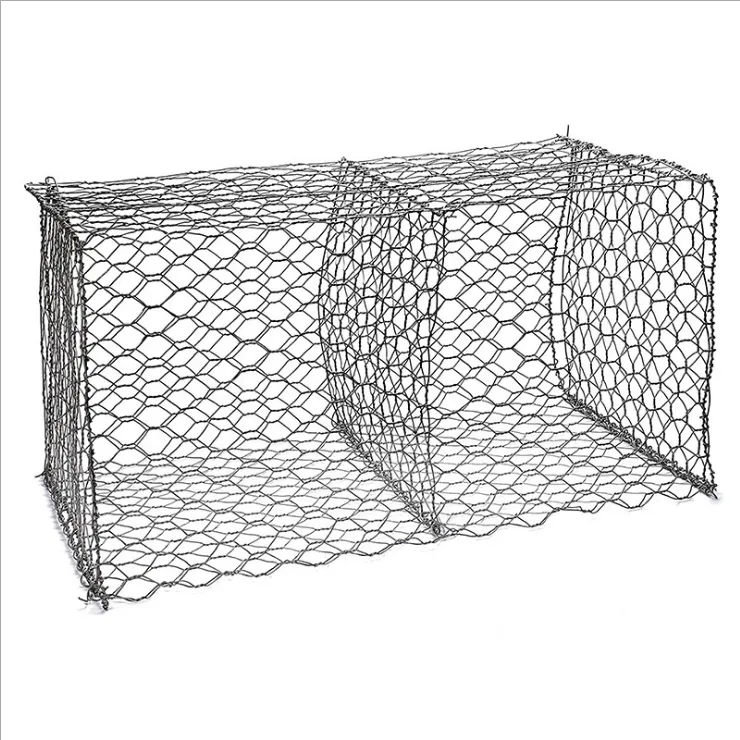
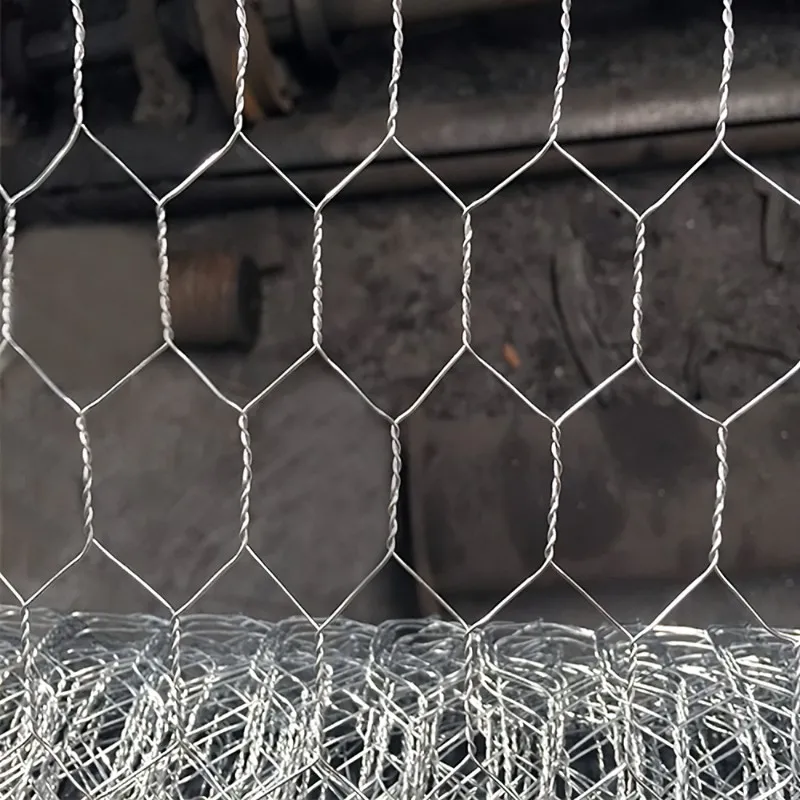
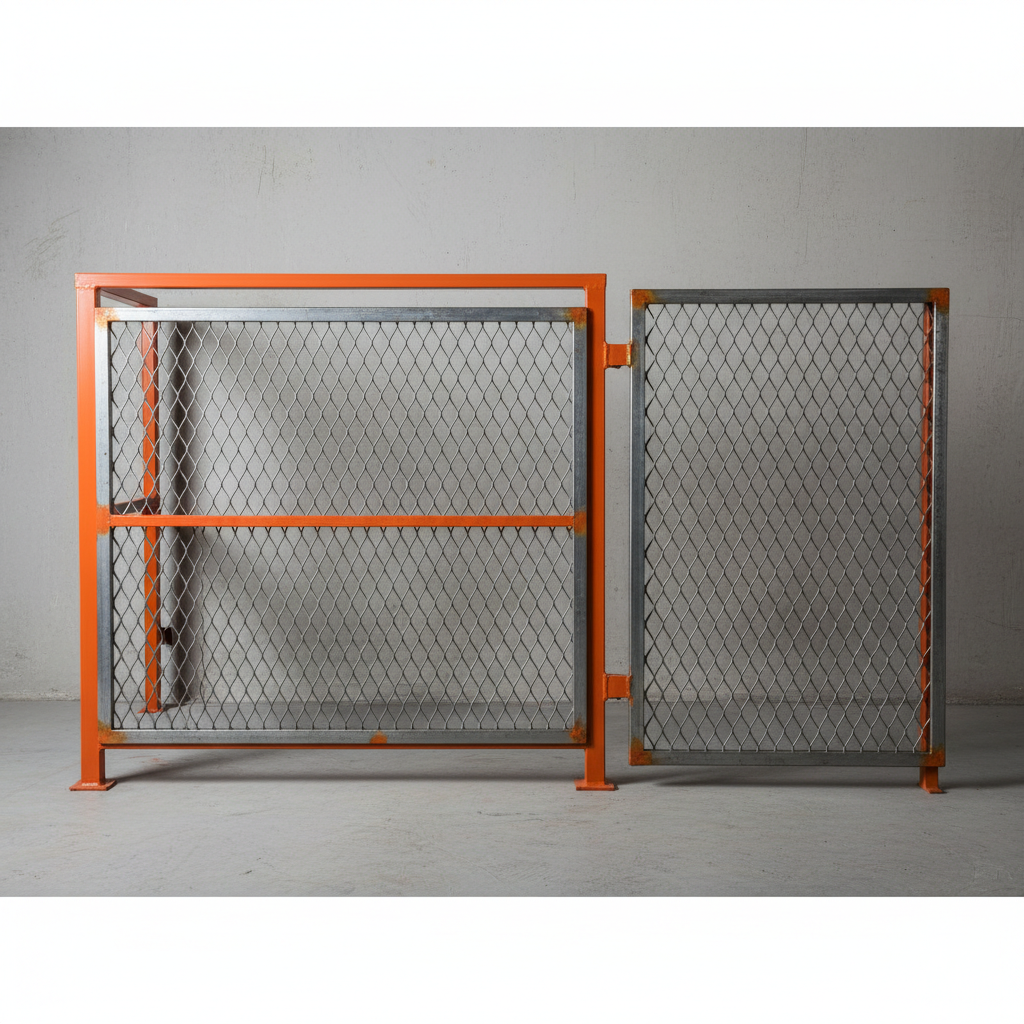
At its core, a chain link fence section is a pre-assembled panel made of interwoven galvanized steel wire, forming a diamond pattern mesh, framed by metal pipes or rails. These sections can be quickly joined to create fences of virtually any length. Simple, yet robust, they come ready to be anchored into the ground or onto posts.
This modularity allows rapid deployment in industrial sites, residential areas, sports facilities, and refugee camps alike. Plus, the wire’s galvanization protects it from weather and corrosion, extending its lifespan significantly. Interestingly, while the design hasn’t drastically changed for decades, subtle improvements in coating technologies and materials have kept chain link fencing relevant.
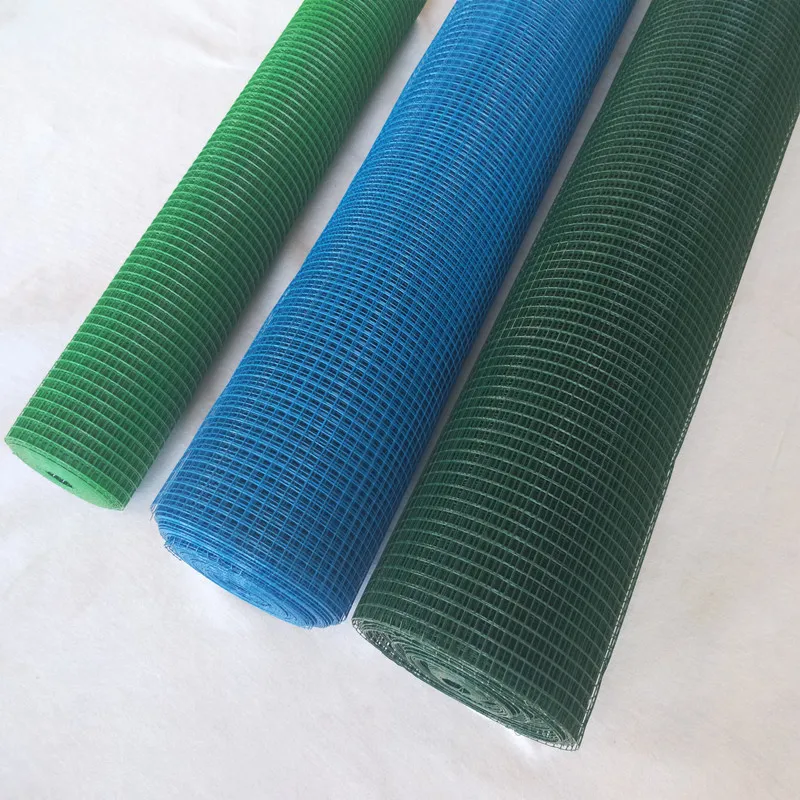
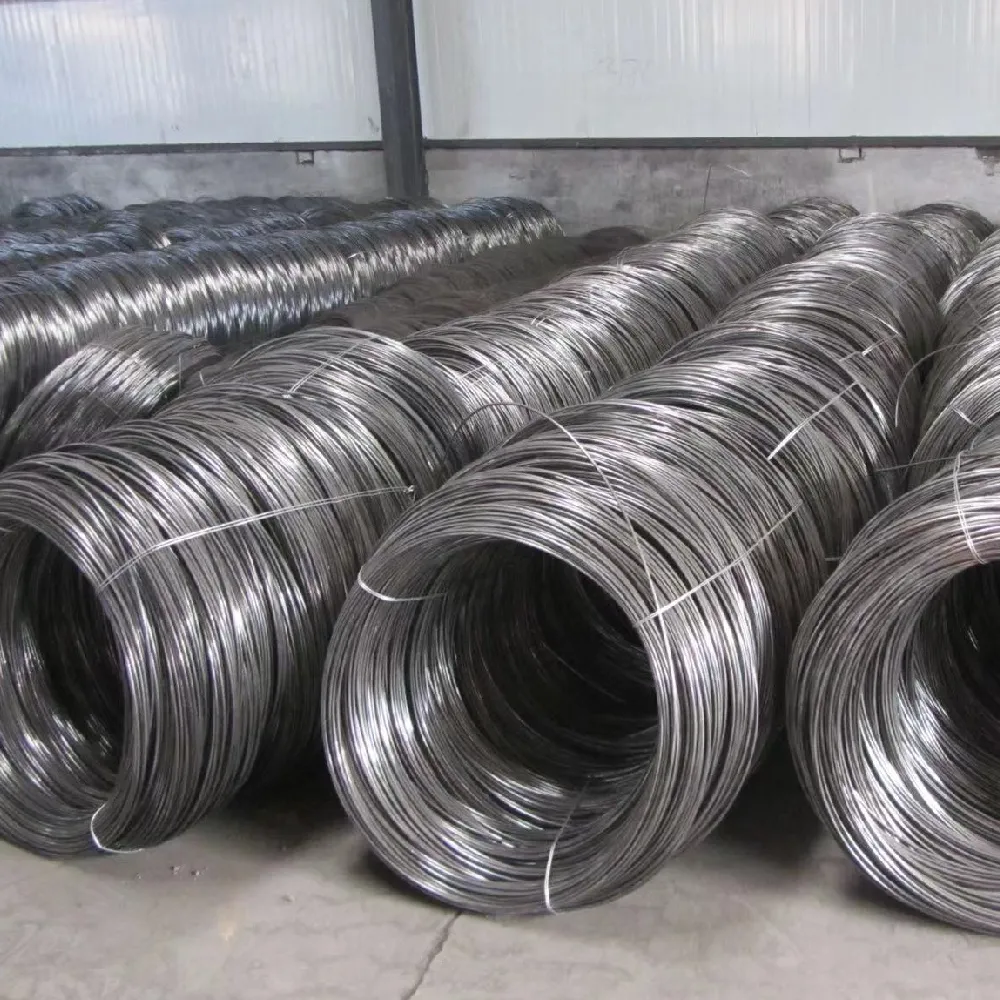
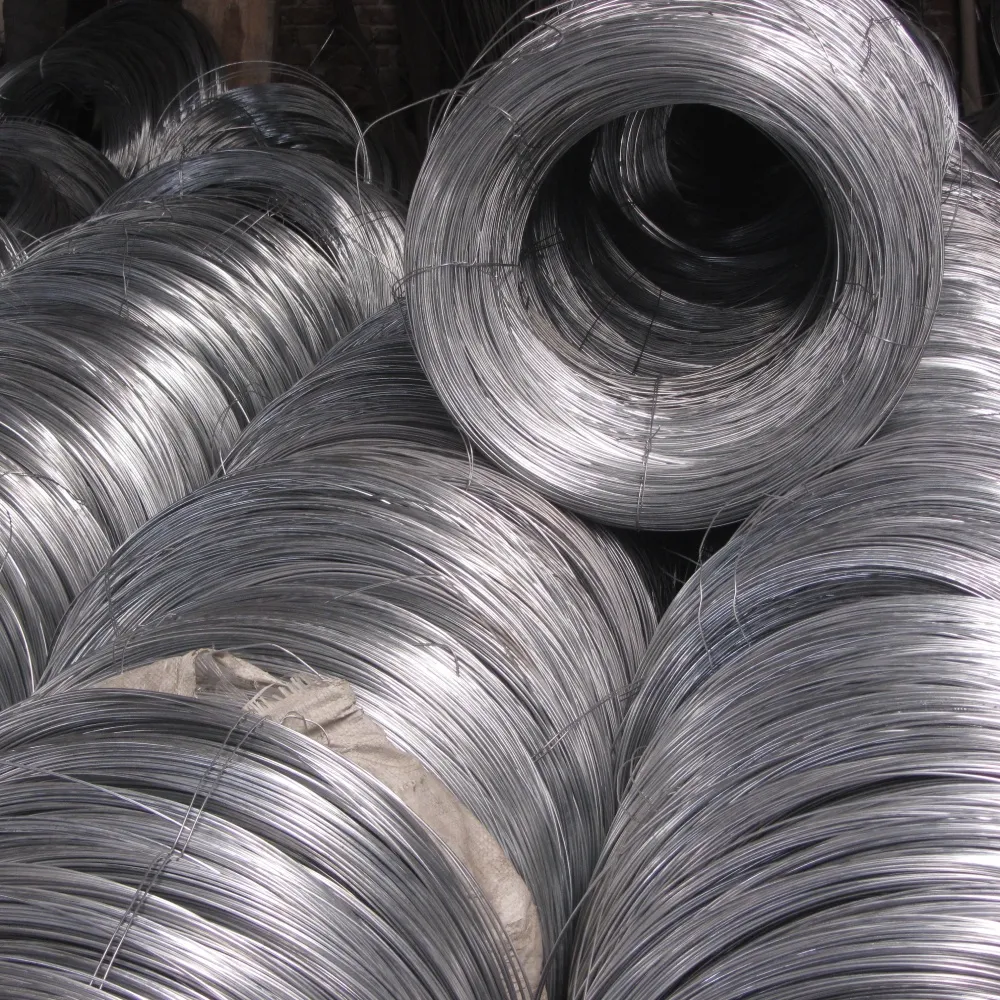
Material quality matters. The steel wire is usually galvanized and sometimes powder-coated to increase resistance to rust and wear. This ensures that fences endure years of exposure to harsh weather with minimal upkeep.
These panels ship flat and are easy to handle onsite. The modular sections fit together like building blocks, accelerating installation times. For large projects, this means less labor cost and disruption.
Compared to solid walls or wrought iron fencing, chain link fence sections offer an excellent price-performance ratio. The materials are inexpensive, widely available, and the labor is relatively straightforward.
Chain link fences can be adapted to different heights, lengths, and security needs. Adding barbed wire or security cameras is straightforward, making these fences scalable for different threat levels.
Unlike solid fences, the open mesh preserves sight lines and airflow. This is why these fences work well around sports grounds or parks where openness is crucial.
From North American construction sites to urban areas in Southeast Asia, chain link fence sections are everywhere. Humanitarian organizations use these fences to delineate refugee camps or quarantine zones quickly. For instance, in the aftermath of the 2015 Nepal earthquake, relief agencies deployed chain link fencing to protect medical areas and supply depots.
Industrial hubs in parts of Africa and South America use these fences because they withstand tropical climates while remaining affordable. Even wildlife reserves and zoos benefit from them, balancing animal containment with visibility.
Interestingly, regions affected by rising security concerns often see a spike in chain link fencing demand. In the US, the Department of Homeland Security recommends chain link fencing for certain secure facilities because it’s both sturdy and cost-effective.
Beyond pricing and durability, there’s a human side to why these fences matter. They foster safety — giving a sense of protected space — without imposing harsh barriers. They allow light and visibility, minimizing that “walled-off” feeling.
Socially, in refugee or disaster zones, chain link fence sections help define spaces respectfully and efficiently, supporting dignity and order. Industrially, they reduce downtime and maintenance costs considerably. Over time, the environmental footprint is less than pouring concrete walls or steel sheet fences — not insignificant in modern sustainable construction.
In short, they combine practicality with an approach that balances security and openness — kind of a rare combo if you think about it.
2020 onwards brought material upgrades, including advanced polymer coatings that improve corrosion resistance while lowering maintenance. Some manufacturers experiment with integrating solar-powered security sensors into fence posts — a neat convergence of green tech and security.
There is also talk in industry circles about using recycled steel for wire manufacture, aligning with circular economy goals. Digitization plays a role, too: fence installation projects increasingly use digital design software for precise custom layouts and faster deployment.
One drawback is aesthetics — chain link fences aren’t the prettiest option for residential or commercial properties. But adding privacy slats or landscaping can mitigate this.
Another issue is that despite durability, fences require regular inspection to prevent damage or corrosion in extreme climates. Here, IoT-based monitoring systems are emerging, allowing proactive maintenance.
Security-wise, chain link fences alone don’t stop determined intruders, so pairing them with other security measures is often essential. Experts recommend combining these fences with cameras, sensors, or patrols.
| Specification | Typical Value / Range | Notes |
|---|---|---|
| Mesh Size | 50mm x 50mm (2"x2") common | Varies based on security needs |
| Wire Gauge | 9 - 11 gauge (3.76 mm - 2.95 mm) | Thicker gauges offer more strength |
| Height | 1.2m to 3.6m (4ft to 12ft) | Custom heights possible |
| Material | Galvanized Steel, PVC coated options | PVC improves corrosion resistance |
| Panel Width | 2m - 2.5m (6.5ft - 8ft) | Standard sizes for ease of handling |
| Finish | Hot-Dip Galvanized, Powder Coated | Improves lifespan and appearance |
| Vendor | Product Range | Lead Time | Quality Certifications | Global Reach |
|---|---|---|---|---|
| Tike Metal | Customizable chain link fence sections, PVC coated options | 2-4 weeks | ISO 9001, CE Mark | Worldwide (Europe, Americas, Asia) |
| Global Fence Co. | Standard chain link panels, barbed wire | 3-6 weeks | ISO 14001 | North America, Europe |
| Fence Masters | High-security chain link fencing, anti-climb options | 4-5 weeks | ISO 9001, ANSI/ASTM | Global |
To recap, chain link fence sections combine affordability, durability, and versatility — a trio that makes them invaluable from sprawling industrial zones to emergency relief camps. They strike a balance between security and visibility, low cost and long service life, which is rare in construction materials. The future promises smarter, greener fences, but the core benefits remain. So if you’re looking to secure your next project without fuss, chain link fences deserve a serious look.
For tailored solutions and detailed specs, feel free to visit our website and explore our full range. Because sometimes, the simplest products make the biggest difference.
RELATED PRODUCTS





Top