Chain link fence fabric is one of those quietly ubiquitous materials you might hardly notice, yet it’s crucial in countless applications around the world. From securing construction sites in Chicago to defining humanitarian perimeters in remote refugee camps, its importance stretches far beyond simple barriers. In a world increasingly concerned with safety, sustainability, and cost-effectiveness, understanding chain link fence fabric — what it is, how it works, and why it matters — unlocks a surprisingly rich story of industrial progress and global cooperation.
It might sound odd, but for many communities and industries, this woven steel mesh serves as the first line of defense — securing assets, enhancing public safety, and even protecting environments. With global infrastructure development predicted to surge by 15% by 2027 (World Bank 2023), chain link fencing will likely remain a centerpiece of security and boundary solutions worldwide.
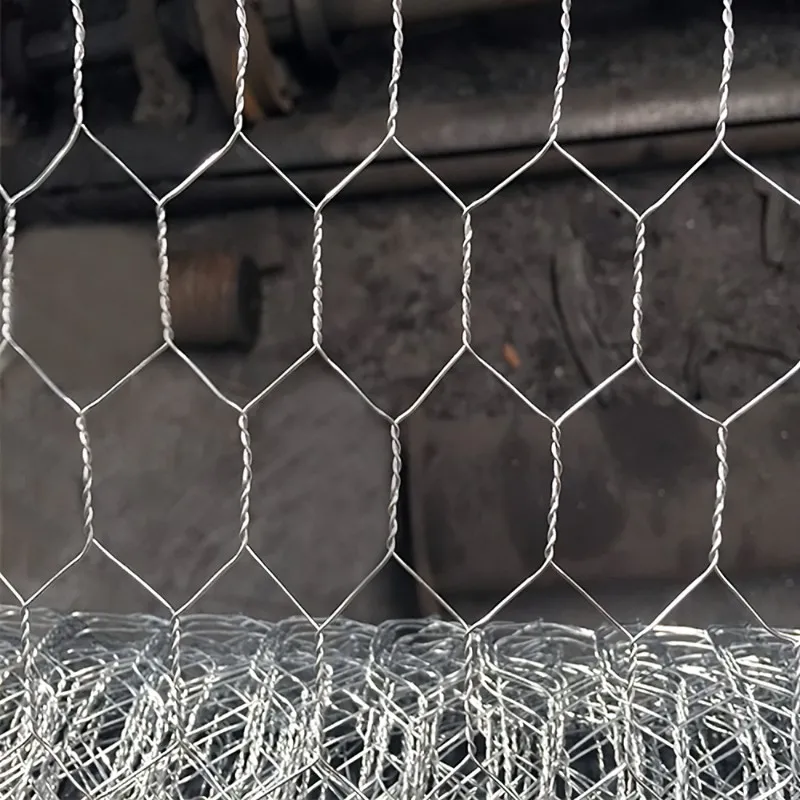
Chain link fence fabric, at first glance, feels obviously simple and raw — galvanized steel wires twisted together in a diamond pattern. Yet, this simplicity breeds flexibility. According to ISO standards and trade data, the industry that produces chain link fabrics supports millions of jobs across Asia, Europe, and the Americas, owing to its vital role in urban development and industrial safety.
However, a challenge emerges: as urban areas densify and vulnerable zones multiply (think disaster relief camps or conflict zones), the need for rapidly deployable, durable fencing grows exponentially. Policing boundaries, managing crowd control, and safeguarding vital resources without breaking budgets or environmental rules — this is where chain link fence fabric enters the scene.
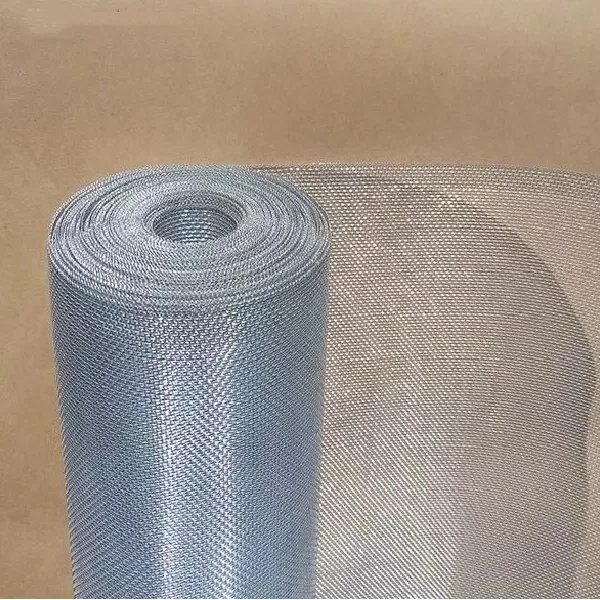
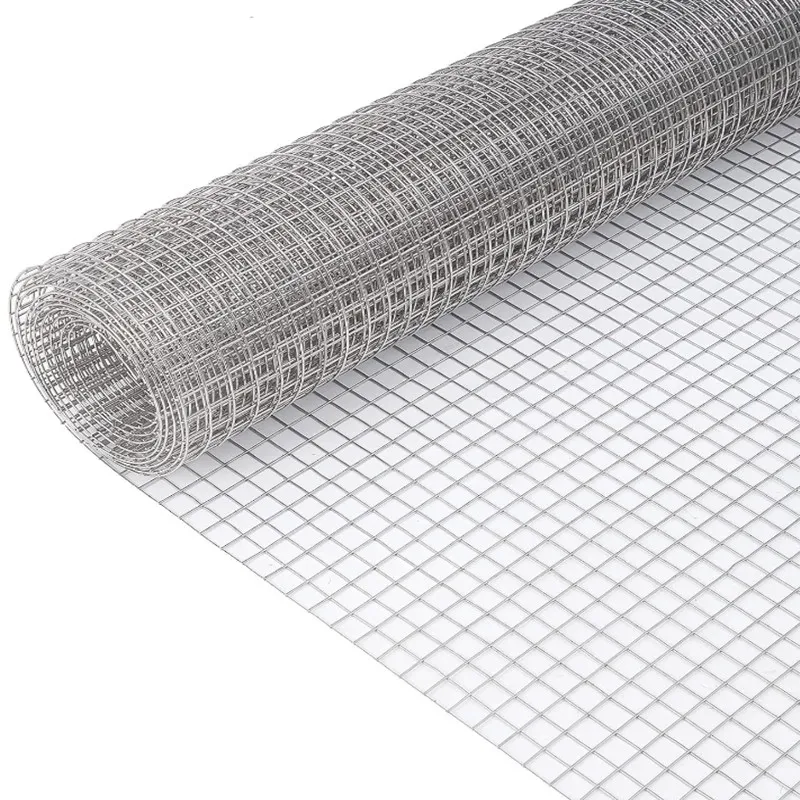
So, what exactly is chain link fence fabric? In plain language, it’s a woven mesh made from interconnected steel wires, often galvanized or coated with vinyl to resist rust and weathering. Imagine a giant metal netting strong enough to hold a toddler, but pliable enough to be rolled, transported, and installed quickly. That’s chain link fencing fabric. It’s a cost-effective alternative to wooden fences or walls, offering transparency (visibility through the fence), security, and adaptability.
Industries from agriculture to construction use this fabric, while humanitarian organizations rely on it to quickly set up secure perimeters for refugee camps or disaster zones. Its strength lies not just in the steel but in the way it meshes community needs with industrial engineering.
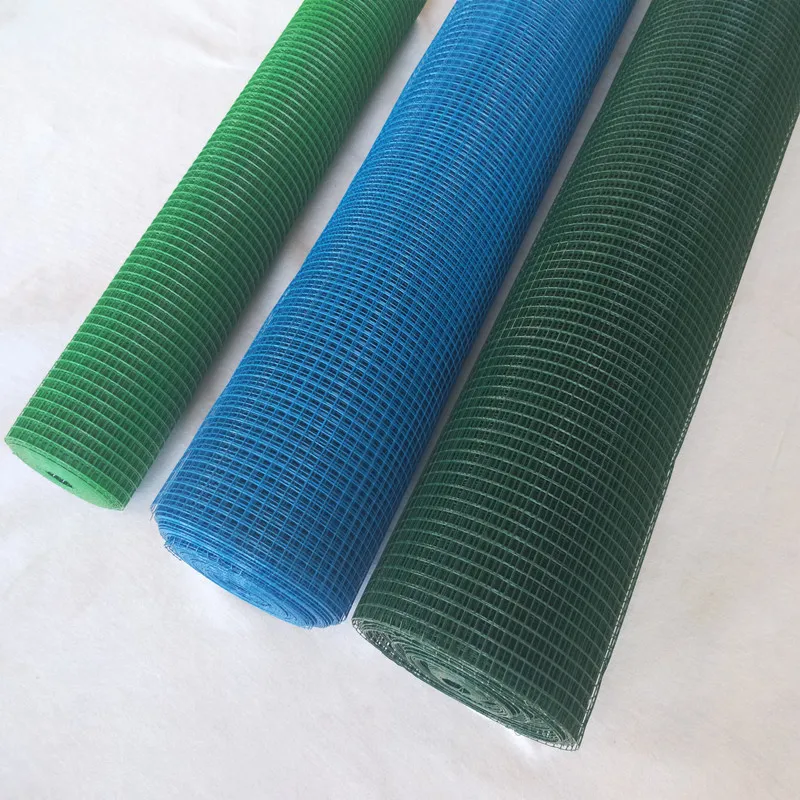
The backbone of chain link fence fabric is its resistance to the elements. Galvanized zinc coatings prevent corrosion, prolonging fence life to 20+ years in moderate climates. For harsher environments, PVC coating adds extra protection. It’s this durability that makes it unbeatable for outdoor use where maintenance must be minimal.
One of chain link's underrated strengths is its modular nature. Stretch it across hundreds of meters to enclose an entire industrial complex or roll up compactly for quick mobilization in temporary zones. It adapts to uneven terrain, can be anchored easily, and adjusted on-site to fit almost any shape.
Compared to brick or solid fences, chain link fabric offers remarkable savings both in material and labor costs. Quicker installation means less downtime. Long-term, the reduced maintenance and repair bills add up to tangible economic advantages.
Where transparent boundary control is vital — think airports, schools, or sensitive industrial sites — chain link fabric delivers. You can monitor activities on both sides without compromising perimeter integrity. As communities seek safer environments, this feature resonates strongly.
Interestingly, many manufacturers now use recycled steel, and the fabric itself is recyclable at end-of-life, aligning with global sustainability standards, including ISO 14001 certifications. This means less landfill waste and a smaller carbon footprint.
Chain link fabric is durable, flexible, economical, secure, and greener — a balance not many materials hit this well.
Where do you practically find chain link fence fabric in action? Practically everywhere.
Take Xinjiang Province in China, where rapid industrial growth demanded swift site lockdowns; chain link fence fabric met those needs without crippling budgets or timelines. Or think of UNHCR refugee operations in sub-Saharan Africa, where fencing is crucial to maintaining order and protecting vulnerable populations.
Beyond immediate protection, chain link fence fabric offers layered benefits:
Emotionally, there’s reassurance in a fence you know won’t fall apart after a season or two. For businesses, it signals professionalism and concern for employee safety; for communities, it’s dignity and security in physical form.
| Specification | Typical Range | Notes |
|---|---|---|
| Wire Gauge | 9 to 12 AWG | Thicker wire = stronger fence |
| Mesh Size | 1.5" to 2.5" diamonds | Common sizes for visibility & strength |
| Coating | Galvanized zinc or PVC coated | PVC adds corrosion resistance and color |
| Roll Length | 25m to 50m | Depends on vendor and need |
| Height | 1m to 4m | Customizable per security need |
| Criteria | Vendor A (Asia) | Vendor B (Europe) | Vendor C (North America) |
|---|---|---|---|
| Price per Roll | $250 - $300 | $320 - $370 | $280 - $330 |
| Lead Time | 2-3 weeks | 4-6 weeks | 1-2 weeks |
| Coating Options | Galvanized & PVC | Galvanized only | Galvanized & PVC + Color |
| Compliance Certifications | ISO 9001, ISO 14001 | ISO 9001 | ASTM, ISO 9001 |
| Typical Customers | Large industrial sites, NGOs | Government & urban parks | Construction, agriculture |
Not to sound too futuristic, but chain link fencing fabric is quietly evolving. There’s a growing push towards eco-friendly coatings using biodegradable polymers that reduce chemical runoff. Some manufacturers are testing solar reflective paints to reduce heat absorption in urban heat islands — how clever is that?
Automation in installation is also emerging: imagine drones or robotic arms unrolling fabric and anchoring it precisely, cutting manual labor dramatically in hazardous zones.
Plus, digital tagging with RFID embedded in fence components for asset tracking — especially in high-security zones — is becoming a real thing, bridging physical security with IT management.
Granted, chain link fence fabric isn’t perfect. Exposure to extremely corrosive environments (think coastal salt air or industrial chemicals) can wear coatings faster than expected. And vandalism or cutting is a risk, especially in volatile areas.
Experts suggest hybrid solutions: combining chain link with barbed or razor wire atop fences, or integrating surveillance tech as part of security systems to mitigate these risks. Advances in coated wire strength and tougher vinyl formulations also reduce damage over time.
What’s truly striking about chain link fence fabric goes beyond its obvious physical barrier role — it’s the blend of utility, economy, and sustainability that makes it globally valued. For anyone looking to secure land, protect assets, or build trustworthy boundaries, the fabric’s reliability and flexibility hold long-term value.
If you’re curious or ready to explore chain link fence fabric for your projects, take a moment to visit chain link fence fabric specialists. They offer tailored advice and products that might just fit your next challenge perfectly.
Whatever your fence needs, chain link fabric is a proven, adaptable solution with decades of innovation behind it. That combination of humble steel wire and smart engineering continues to keep the world safer, one mesh at a time.
RELATED PRODUCTS





Top