The term coated chain might not be headline news every day, but its impact sneaks quietly into many corners of global industry and infrastructure. Coated chains — chains wrapped or layered with protective materials — aren’t just about aesthetics. They’re a crucial piece of engineering that improves safety, durability, and efficiency worldwide. Whether in harsh industrial environments, shipping logistics, or even humanitarian relief efforts, understanding coated chains helps businesses and governments avoid costly breakdowns and environmental harm.
Globally, industries increasingly rely on corrosion-resistant, long-lasting hardware. According to the International Organization for Standardization (ISO), corrosion-related losses equal billions of dollars annually — so innovations like coated chains which mitigate such damage are vital.
As worldwide infrastructure ages and climate stresses intensify — with humidity, saltwater exposure, and industrial pollution — chains made of bare metal simply don’t cut it anymore. Coated chain technology steps up to combat corrosion and wear. In fact, data from the UN Conference on Trade and Development suggests that losses due to mechanical failure and material degradation cost developing economies disproportionately, threatening supply chains and relief operations alike.
The challenge? Many environments, from offshore oil rigs to remote construction sites, require chains that can handle extreme conditions without losing integrity — without costly downtime or replacement.
Simply put, a coated chain is a chain whose metal links are covered with a protective layer, commonly materials like zinc (galvanized), vinyl, polyurethane, or powder coatings. This layer guards against rust, abrasion, chemical exposure, and sometimes even UV radiation.
In modern industry, coated chains mean less maintenance, fewer replacements, and higher safety margins. For humanitarian organizations, it means reliable equipment that holds strong during disaster response — when failure isn’t an option.
The main goal is longevity. Coatings like galvanization or polymer prevent rust and physical wear, keeping steel chains functional years longer than bare metal.
In salty or moist environments — think marine or outdoor construction — coating prevents oxidation, saving countless hours of downtime.
Protective layers reduce sharp rust flakes and rough edges, making it safer for workers who handle and operate the chains daily.
While coated chains cost more upfront, their lifespan and reduced need for replacements significantly lower overall costs.
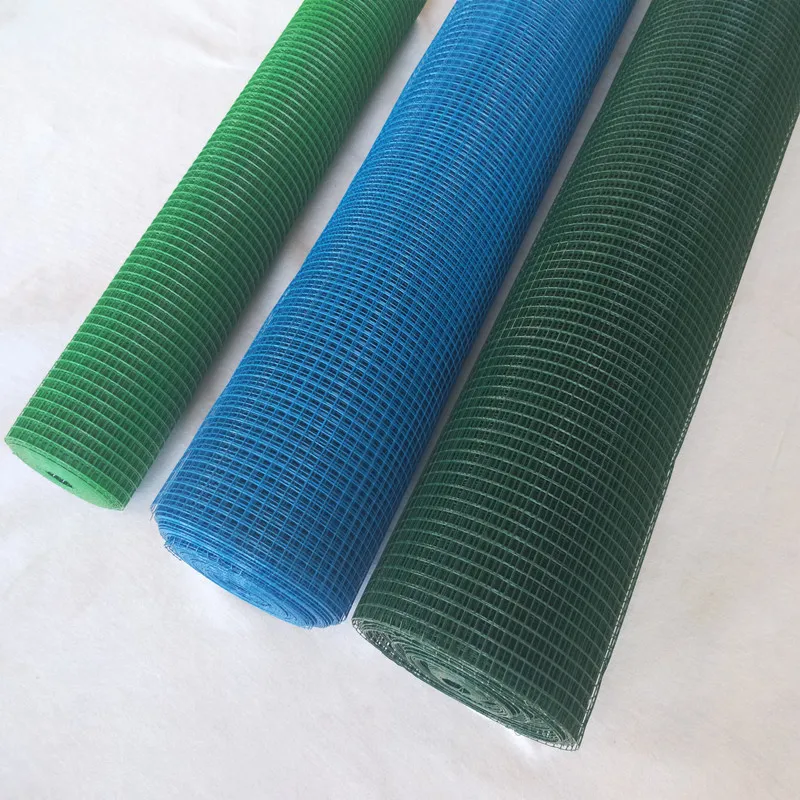
Some industries value colored coatings to code different chain grades or simply to better identify equipment — an often-overlooked practical benefit.
By extending chain life, coatings cut down on metal discard and manufacturing emissions linked to repeated manufacturing cycles.
Coated chains appear in industries as diverse as:
For instance, during typhoon relief in Southeast Asia, coated chains enabled faster deployment of temporary bridges and shelters, with minimal equipment failure reported by NGOs.
| Feature | Specification |
|---|---|
| Material | Grade 80 Alloy Steel |
| Coating Type | Zinc Electroplated / Powder Coated |
| Link Diameter | 8 mm to 32 mm |
| Working Load Limit | 1 to 10 tons (depending on size) |
| Typical Lifespan | 5 to 15 years (varies by environment) |
| Available Colors | Silver, Black, Yellow, Custom |
| Vendor | Coating Types | Price Range | Lead Time | Certifications |
|---|---|---|---|---|
| Tike Metal | Zinc galvanization, powder coating | $$ | 2-4 weeks | ISO 9001, CE |
| ChainCo International | Vinyl and urethane coatings | $$$ | 3-5 weeks | ISO 14001, API Certified |
| SteelGuard | Powder coated, zinc + chrome | $ | 1-3 weeks | CE, ANSI |
Choosing a coated chain isn’t just a technical detail; it’s a long-term investment. Here’s why:
The coated chain market isn’t stuck in the past. Advances in nanotechnology coatings, eco-friendly materials like biodegradable polymers, and smart sensors embedded in chains for real-time wear detection are stirring things up. As automation and AI-driven equipment management become norms, chains that can “talk” about their condition will redefine maintenance standards.
Plus, as sustainability standards rise globally, expect new regulations favoring low-impact materials and fully recyclable coated chains, driven by initiatives from organizations such as the United Nations Environment Programme (UNEP).
Despite the perks, challenges remain. Some coatings can peel or chip if manufacturing’s not precise. Overcoating can hide underlying defects if quality control skips steps. Sometimes dirty operating environments reduce coating adhesion.
Experts recommend stringent testing like salt spray tests per ISO 9227, alongside field trials, to catch weak points early. Partnerships with suppliers who prioritize quality and certification also alleviate many risks.
Whether you’re in heavy industry, logistics, or aid work, coated chains prove to be an elegantly simple but game-changing upgrade. They cost a bit more upfront but pay off in reliability, safety, and environmental sense long term. So next time you specify hardware that’s going to live outdoors or in tough conditions, remember the humble—but crucial—coated chain.
For a deeper dive and professional-grade options, visit our website at https://www.tikemetal.com. Because protection isn’t just an option — it’s a necessity.
References:
RELATED PRODUCTS





Top