At first glance, a chain link fence lattice might just seem like one of those everyday structures quietly standing guard around schools, factories, or parks. But peel back the layers, and it’s a surprisingly critical element in global infrastructure, industrial safety, and even humanitarian aid. Why does this matter? Because whether you’re securing a factory line in Ohio or safeguarding temporary refugee camps in Jordan, understanding these fences means better safety, cost savings, and adaptability across diverse settings.
Unpacking the role of chain link fence lattice helps industries and governments tackle risks related to security breaches, environmental wear, and evolving customer needs. Plus, it opens pathways to streamlined installations and even eco-friendly upgrades—topics we all care about in 2024 and beyond.
Globally, fencing solutions cover billions of square meters—across urban, industrial, and rural zones. The United Nations reports that infrastructure resilience is critical for sustainable development, citing robust fencing systems as pivotal in securing assets and preserving public safety. And with rising urbanization—more than 55% of the world’s population lives in cities now (UN, 2023)—the demand for reliable fencing like chain link systems is surging.
Yet challenges persist. For example, rapid urban growth sometimes means installing fencing that doesn’t quite hold up to local climates or security demands. That’s where a well-designed chain link fence lattice comes in, solving problems that matter:
It’s honestly impressive how this relatively simple mesh pattern tackles complex problems worldwide.
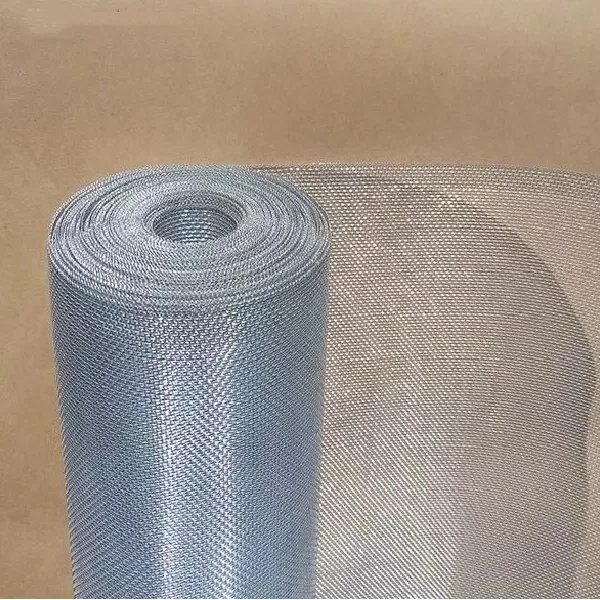
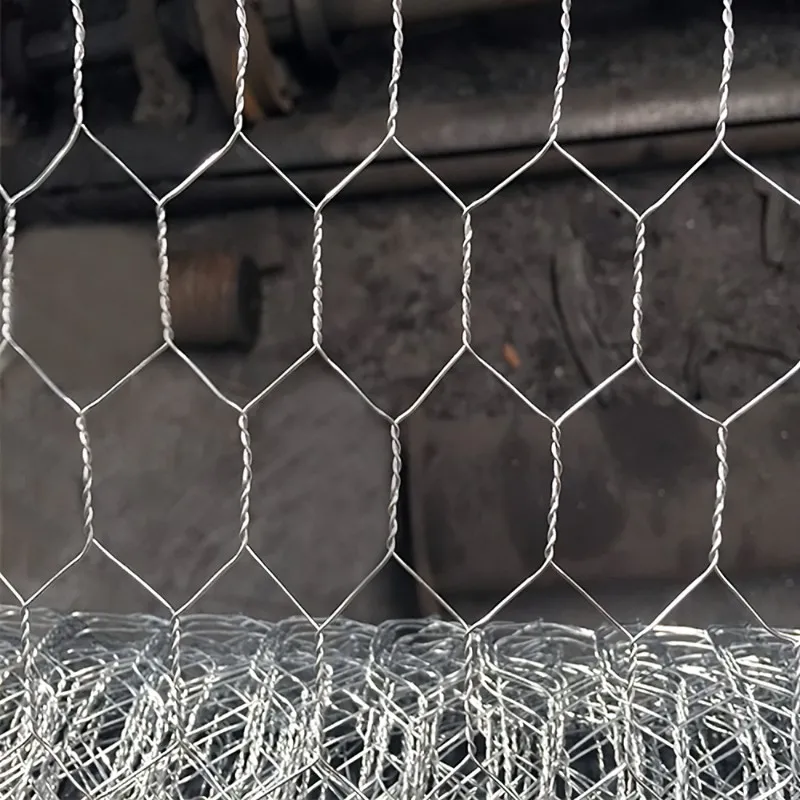
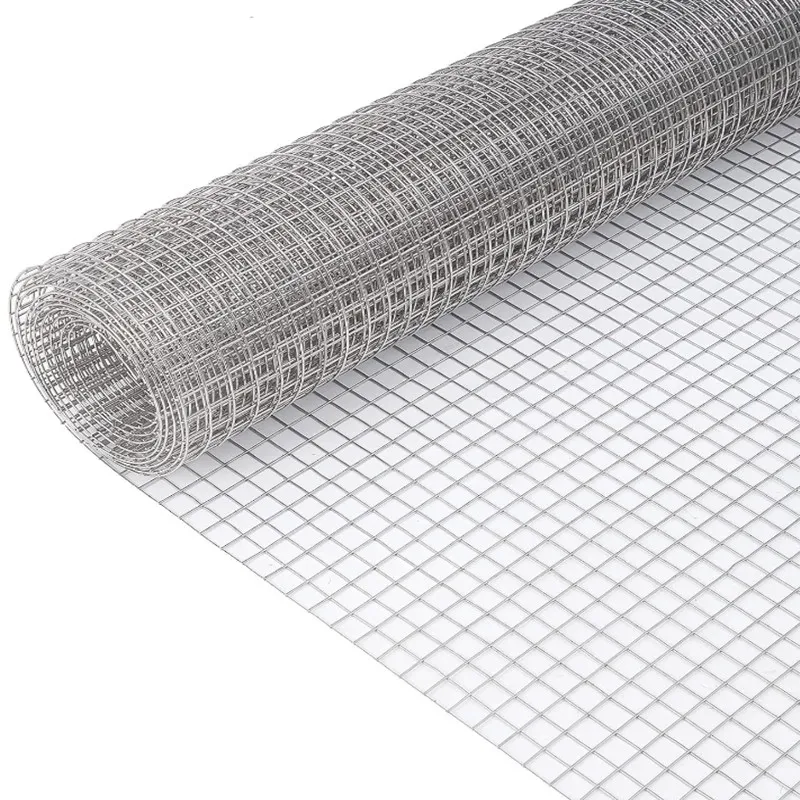
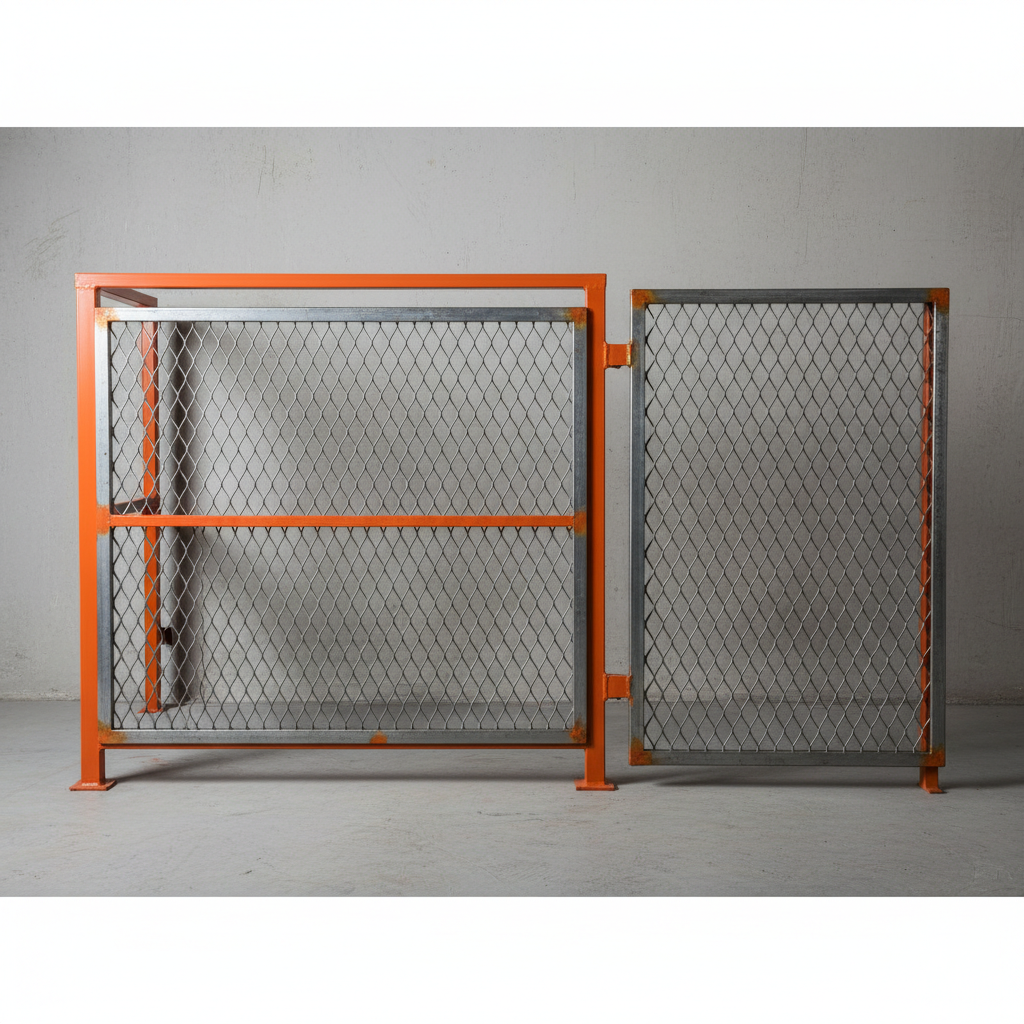
Simply put, a chain link fence lattice is a mesh network of galvanized or coated steel wires woven tightly in a diamond-shaped pattern to form a flexible but sturdy grid. Think of it as a metal “web” that’s light yet resilient, and infinitely adjustable to different lengths and heights.
In industry, these lattices safeguard premises, delay intruders, and delineate boundaries without obstructing sightlines. In humanitarian contexts — say, refugee camps or temporary relief zones — they provide quick-to-erect, strong but breathable enclosures. The lattice is like the “skeleton” holding together zones, zones vital to both security and dignity.
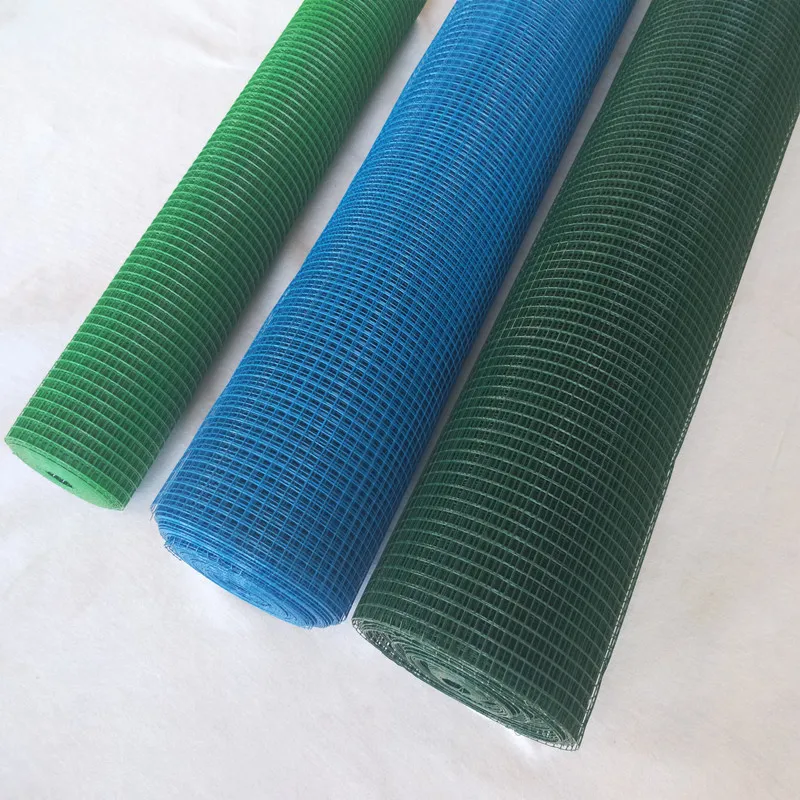
Chain link fences usually feature galvanized steel—zinc-coated for corrosion resistance—which can last over 20 years outdoors without rusting significantly. Some high-end varieties include PVC-coated layers to boost lifespan and add color options.
The lattice design is easily expanded or contracted, allowing for quick customization onsite compared to rigid panel fencing. Angles, curves, and heights adapt smoothly, making it a favorite for large industrial lots or evolving construction sites.
From the outset, chain link fencing is one of the most affordable secure fencing options. The materials are widely available, and installation requires fewer heavy tools, which prolongs the budget and reduces labor delays.
Oddly enough, its see-through diamond grid provides enough transparency for site supervision while creating a formidable barrier—often deterring opportunistic trespassing without needing camera-heavy setups.
It withstands sun, rain, wind, and even frost reasonably well, which makes it an all-season choice. Plus, recyclable steel means a smaller environmental footprint compared to plastic or wooden fences.
Chain link fence lattice often feels like the “Goldilocks” option among fencing systems—not too expensive, not too fragile, not too complex—and hence globally practical.
Across continents, these lattices thread through an array of industries and purposes:
The flexibility and antiviral properties embedded in new coatings extend these applications further into sterile environments, such as food distribution sites.
The tangible benefits extend beyond mere boundary creation. Let me break down why chain link fence lattice continues to win fans among engineers and planners:
| Specification | Details |
|---|---|
| Material | Galvanized steel wire (standard), PVC-coated steel (optional) |
| Wire Gauge | 9 to 11 gauge (approx. 2.77 mm to 3.76 mm) |
| Mesh Size | Typically 50mm x 50mm (2” x 2” diamond pattern) |
| Coating Type | Hot-dip galvanized or PVC (various colors) |
| Height Range | From 0.9 meters (3 ft) up to 4 meters (13 ft) or custom |
| Weight per square meter | 3.5 - 6 kg depending on gauge and coating |
| Vendor | Material Quality | Customization Options | Lead Time | Pricing | Sustainability Certifications |
|---|---|---|---|---|---|
| Tike Metal | Premium galvanized and PVC coatings | Highly customizable sizes and colors | 2-4 weeks | Competitive, volume discounts | ISO 14001 & RoHS compliant |
| Global Fencing Co. | Standard galvanized steel | Limited color options | 3-5 weeks | Moderate | ISO 9001 certified |
| SteelMesh International | Wide range from low to premium | Custom engineering support | 4-6 weeks | Higher end | Sustainable supplier initiative |
Oddly enough, while the base technology feels quite mature, innovation keeps knocking. Manufacturers are now integrating greener production methods—like reducing zinc use and swapping to bio-based PVC coatings.
In tandem, smart fencing technologies embed sensors and IoT devices into lattices to detect breaches or structural stress. This “digital fence” concept is catching on in sensitive sites like data centers or border posts.
Meanwhile, 3D knitting and robotic automation promise customizable mesh patterns that fit not just security but aesthetic demands—black diamond lattices with UV-resistant paints, anyone?
When you step back, it’s clear why this humble woven mesh remains vital in many sectors and regions. For safety, cost-effectiveness, and sheer adaptability, chain link fence lattice delivers value day in and day out.
Whether securing industrial perimeters or supporting urgent humanitarian needs, it blends practical performance with evolving features primed for the future.
If you want reliable fencing with proven pedigree and customization, don't hesitate to check out solutions like those offered by Tike Metal. Sometimes, the simple things truly are the best.
RELATED PRODUCTS





Top