When you hear “chain link fence,” you might instantly picture the ordinary grey fences surrounding sports fields or industrial sites. But an attractive chain link fence isn’t just another security barrier — it’s a smart blend of utility, aesthetics, and sustainability that’s gaining momentum worldwide.
Why does it matter on a global scale? Around the world, urbanization and land development explode, creating increasing demand not only for effective security but also for fencing solutions that enhance community appeal, promote sustainability, and balance cost-effectiveness. Understanding this means grasping how nicely designed fences shape public and private spaces while helping industries and humanitarian efforts adapt to ever-changing needs.
In 2023, according to UN-Habitat data, nearly 55% of the world’s population lives in urban areas, trending toward 68% by 2050. This swell means fencing isn’t just about “keeping out.” It’s about creating zones that feel safe, accessible, and visually pleasing amid dense, vibrant communities.
Unfortunately, traditional chain link fences often tick only the utility box — cheap and functional, yes, but not inspiring. They can even detract from public perception and reduce property values, contributing to “visual pollution.” The attractive chain link fence addresses this by marrying strength with design, expanding the role fences play in everything from parks to industrial zones to disaster relief encampments.
Challenges persist too — security needs often come with budget constraints, and environmental impact looms large. But this evolving fencing type offers solutions by improving durability, sustainability, and overall user satisfaction.
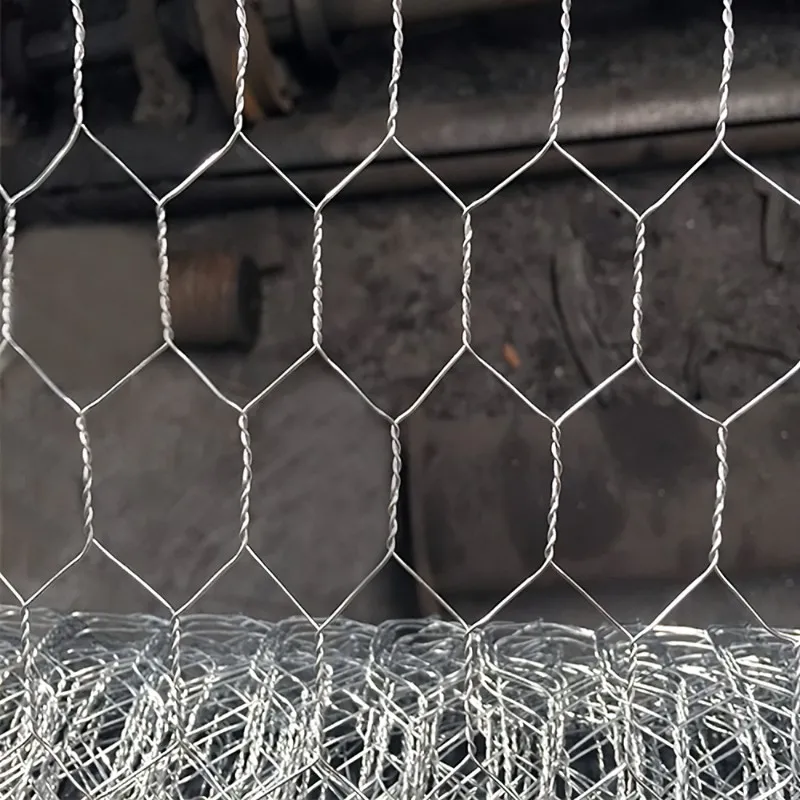
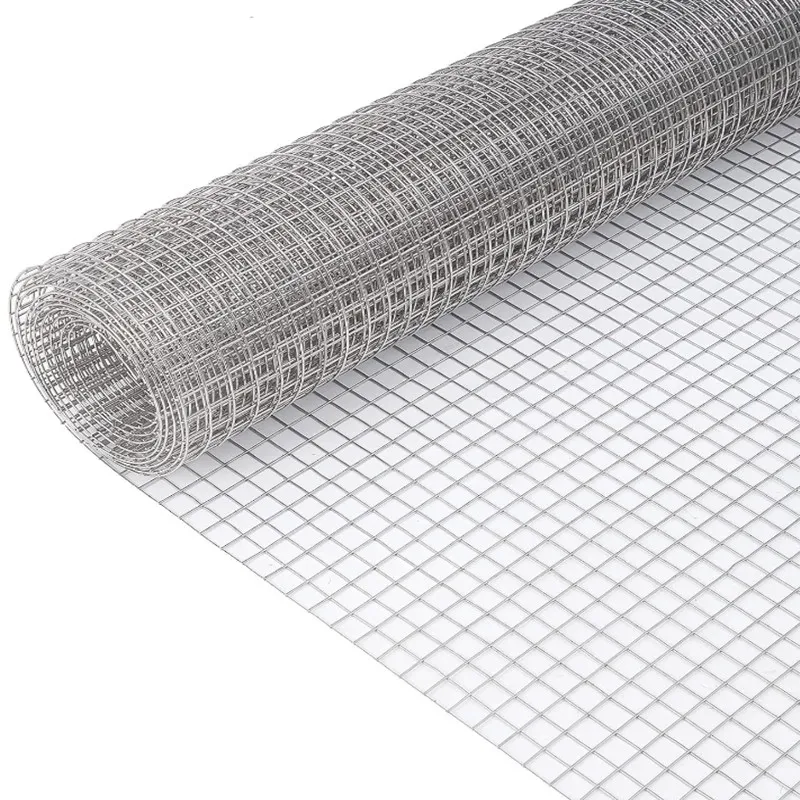
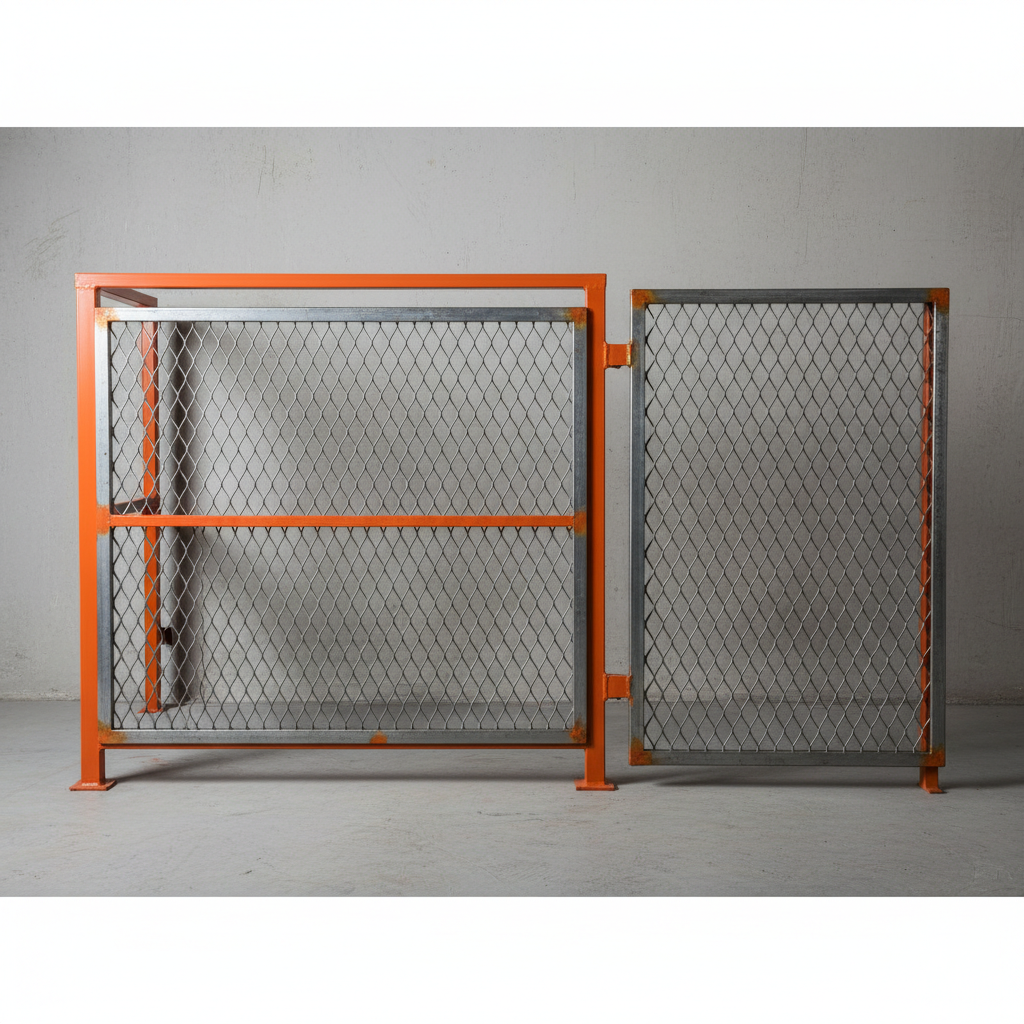
Simply put, an attractive chain link fence is a traditional chain link fence that’s been enhanced through design choices like powder-coated colors, vinyl coatings, mesh variations, landscaping integration, and architectural accents. It keeps all the practical benefits — lightweight, quick installation, visibility — but adds visual appeal that integrates better with surroundings.
In industrial settings, this can mean improved brand image or safer, more secure environments that workers respect rather than resent. And in humanitarian or urban community contexts, it literally helps people feel dignified and safe while maintaining openness and accessibility.
Many engineers swear by galvanized steel combined with vinyl coatings to fight rust, corrosion, and wear. This dual approach extends the fence’s life by years — sometimes decades — saving replacement headaches.
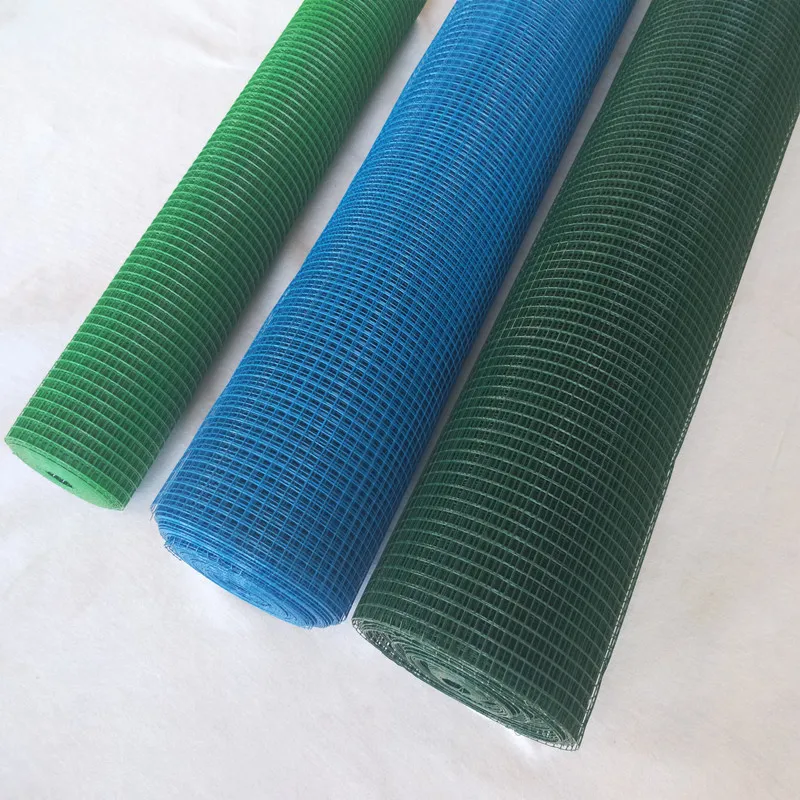
From classic dark green and black colors to earth tones or custom branding colors, the colour options go beyond mere paint. Vinyl-coated mesh and posts help create fences that complement or blend with the environment, even around attractive chain link fence projects supporting schools or sports facilities.
One of the understated winning features is how quickly these fences go up and can be adapted. Modular post systems and standardized panels allow adjustments — a true plus in temporary or emergency setups.
Using recycled materials and powder coatings reduces environmental footprints. Moreover, fences that last longer reduce waste overall, touching on ISO’s sustainability guidelines for production and disposal.
While attracting the eye in a positive way, these fences maintain the classic chain link advantage: clear lines of sight for security without imposing barriers that feel claustrophobic or intimidating, which matters in community spaces.
The attractiveness of a chain link fence lies as much in thoughtful material choices and finish as in its adaptability to both aesthetic and practical demands.
In real-world settings, you’ll find these fences all around — from suburban parks in Europe to remote mining camps in Australia, even in emergency refugee camps in Africa. Post-disaster zones often require fencing that can be deployed quickly yet not look like just a cold barrier. Industrial zones use them for safety with style, while schoolyards depend on their robust but friendly appearance.
For instance, in the Netherlands, many municipalities adopted color-coated fencing around playgrounds to reduce vandalism and improve neighborhood pride. Similarly, large construction sites in Asia increasingly use vinyl-coated fences to meet both safety regulations and environmental goals.
| Feature | Model A - Standard | Model B - Premium | Model C - Eco Line |
|---|---|---|---|
| Material | Galvanized Steel | Vinyl-coated Steel | Recycled Steel with Powder Coat |
| Mesh Size | 2"x2" | 1.5"x1.5" | 2"x2" |
| Coating Color Options | Galvanized Grey | Custom Colors | Earth Tones |
| Warranty | 5 years | 10 years | 8 years |
| Average Cost per meter (USD) | $15 | $25 | $20 |
| Vendor | Customization Options | Sustainability Certifications | Global Shipping | Specialized Applications |
|---|---|---|---|---|
| Tike Metal | Vinyl Colors, Branding, Heights | ISO 14001 Certified | Yes | Sport Facilities, Post-Disaster Zones |
| FencePro Inc. | Custom Mesh Patterns | None | Limited | Industrial Zones |
| EcoFence Global | Earth-Tone Colors Only | Cradle-to-Cradle Certified | Yes | Environmental Reserves, Parks |
Oddly enough, the future of chain link fencing is not just stronger steel or prettier coatings — it’s smart tech and sustainability fused together. We’re seeing sensors embedded for perimeter alarms, solar panels integrated for security lighting, and AI-driven monitoring that changes fencing from passive barriers to active community assets.
The green movement will also mandate more recycled materials and less carbon-heavy manufacturing, so vendors like Tike Metal are already experimenting with bio-based polymer coatings and modular designs that can be reused or repurposed across projects.
It’s not all rosy, of course. Some users worry about vinyl coating peeling in harsh climates or the upfront cost of premium materials. Installation sometimes demands specialized labor, especially when customization grows complex. But expert manufacturers offer quick-install kits and factory preassembled panels these days, drastically cutting time and errors.
Plus, ongoing R&D aims to develop coatings that self-heal minor abrasions and reduce maintenance needs. These innovations might sound like science fiction, but they’re edging closer to real-world use.
At the end of the day, an attractive chain link fence is more than a divider. It’s a statement — about care, security, and future-ready design. For cities, businesses, and humanitarian groups alike, it’s an affordable way to elevate spaces visually and functionally.
Curious to learn more or take the first step? Visit our website to explore customizable fencing options that merge durability with design, nurturing safer and friendlier environments for all.
With rising urban density and the desire for sustainability, the humble chain link fence has quietly evolved into an attractive chain link fence — a versatile, durable, and surprisingly stylish solution shaping the world’s spaces in ways that few expect, but many appreciate.
RELATED PRODUCTS





Top