At first glance, a garden chain fence might seem like just another backyard feature—something to keep the dog in or to border the roses. But when you zoom out a bit, you realize this simple structure plays a surprisingly vital role globally—from securing industrial zones to marking humanitarian aid perimeters. The garden chain fence is a mix of practicality, affordability, and strength that perfectly fits the needs of both private homeowners and large-scale organizations.
Globally, the demand for flexible and durable fencing solutions has soared. Whether it’s protecting crops in rural Africa or sealing off urban construction sites in Europe, chain link fencing adapts remarkably well. Understanding its design, components, and applications gives manufacturers, businesses, and even consumers a leg up in choosing the right fencing for their needs—plus, it sheds light on innovations making the industry greener and smarter each year.
Mini takeaway: What starts as a humble garden fence quickly becomes a tool of safety, efficiency, and sustainability worldwide.
According to reports from industry bodies and UN agencies, over 30% of urban facilities globally use some form of chain link fencing for security and boundary marking. The ISO even standardizes certain fencing materials to guarantee quality and durability. In developing regions, inexpensive fencing solutions like garden chain fences can drastically reduce theft or unauthorized access.
However, the challenge remains: how do we balance cost efficiency with durability and environmental impact? Steel production accounts for a significant chunk of industrial emissions, prompting more research into greener manufacturing methods for fencing products. Meanwhile, climate shifts demand solutions that withstand extreme weather without crumbling.
Given these factors, the garden chain fence today isn’t just a backyard staple—it’s an evolving piece of global infrastructure responding to economic, social, and environmental pressures.
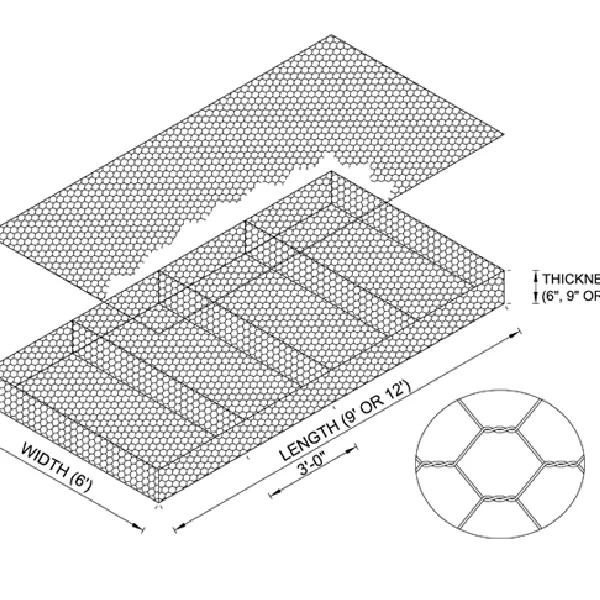
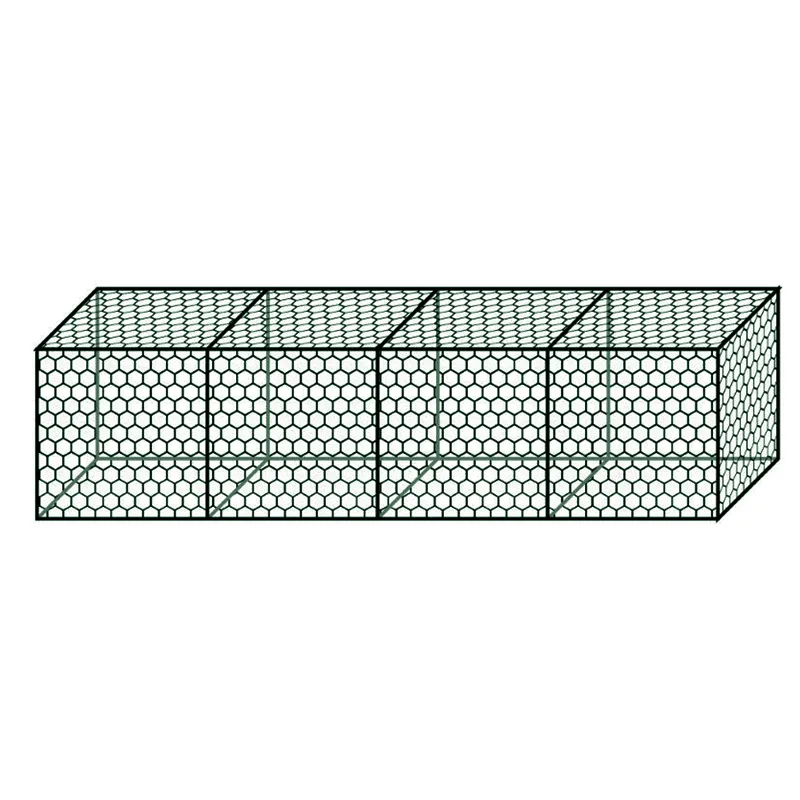
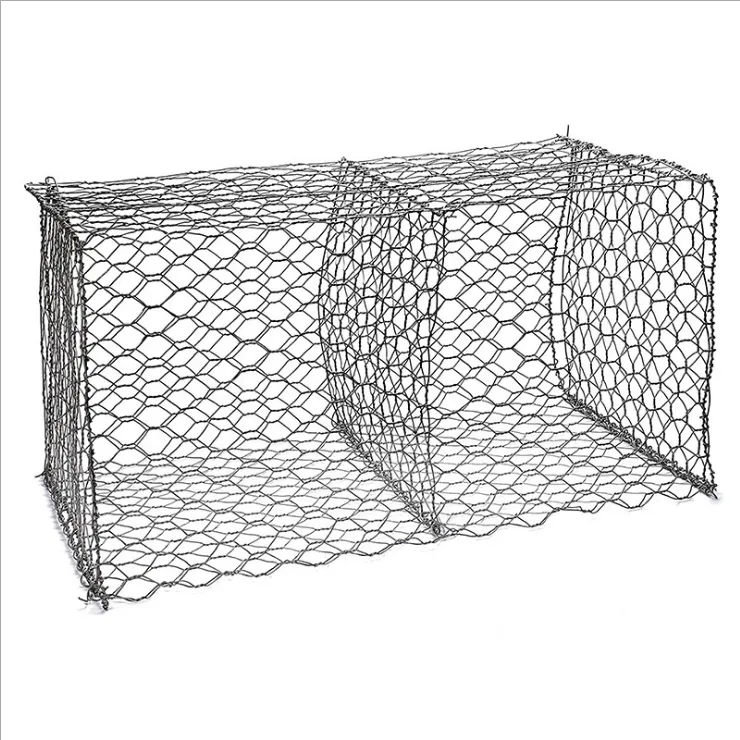
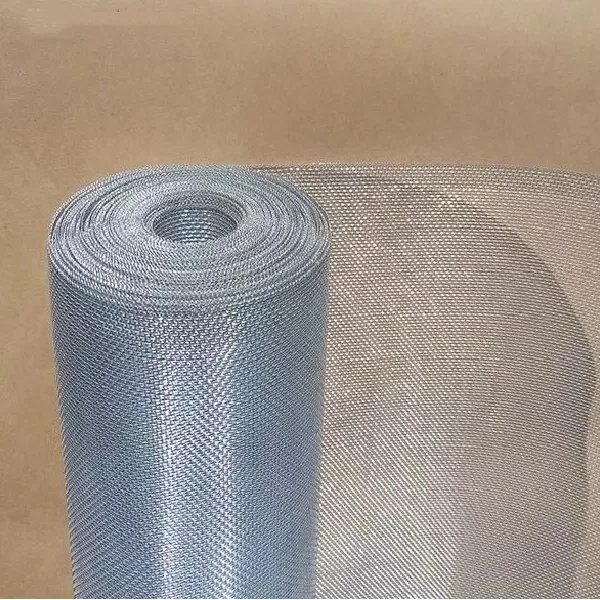
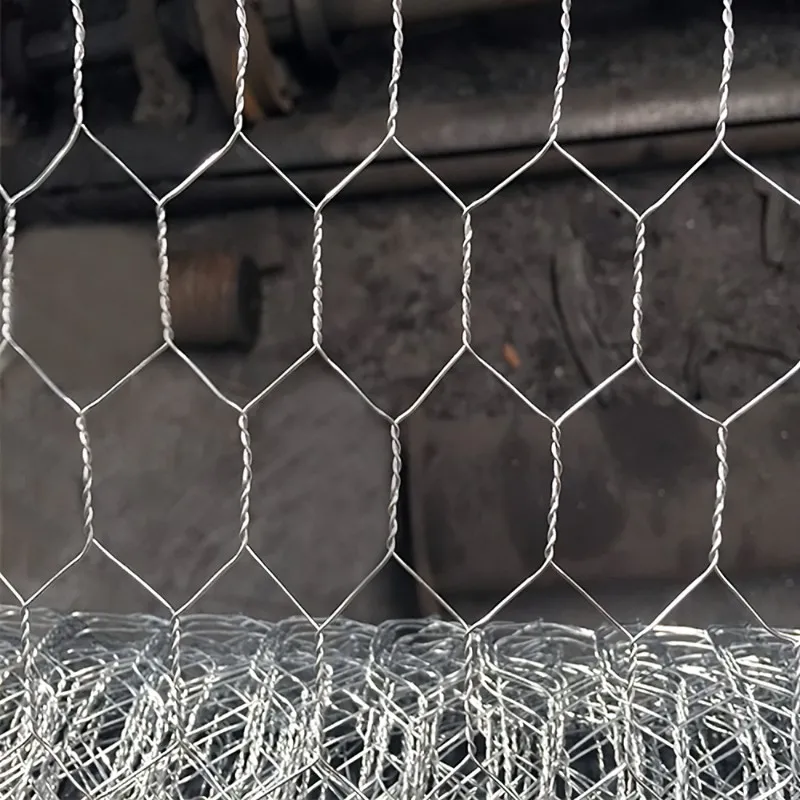
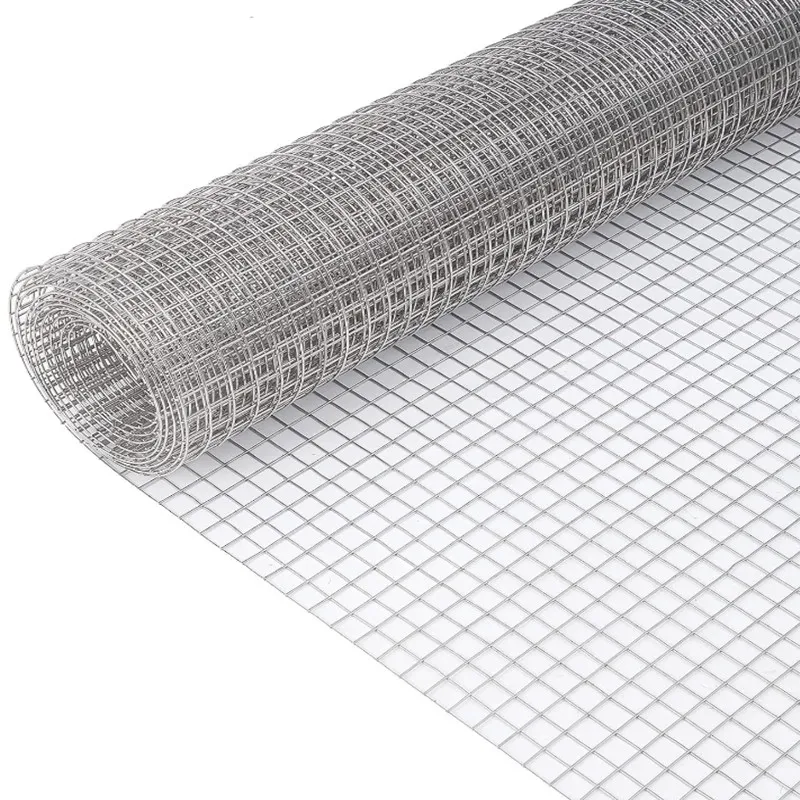
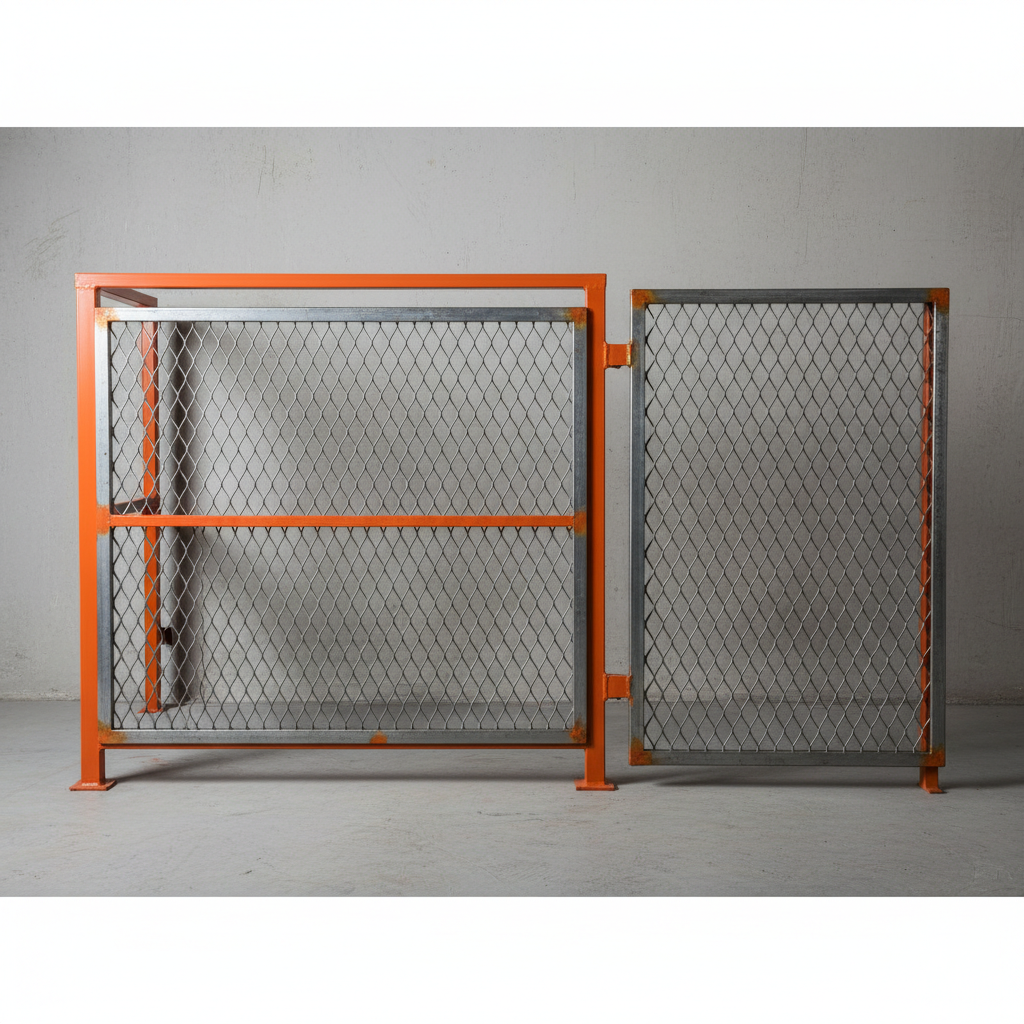
Simply put, a garden chain fence consists of interlocking steel wires woven into a diamond pattern, attached to posts for support. It’s a type of woven wire fencing that’s lightweight yet sturdy, allowing visibility while defining boundaries and delivering security.
Though traditionally used in residential backyards, today it’s ubiquitous across sectors: agriculture, construction, public works, and emergency relief. Its modularity and ease of installation align with modern needs for scalability and rapid deployment—think quickly fencing off a humanitarian aid site or a temporary sports event perimeter.
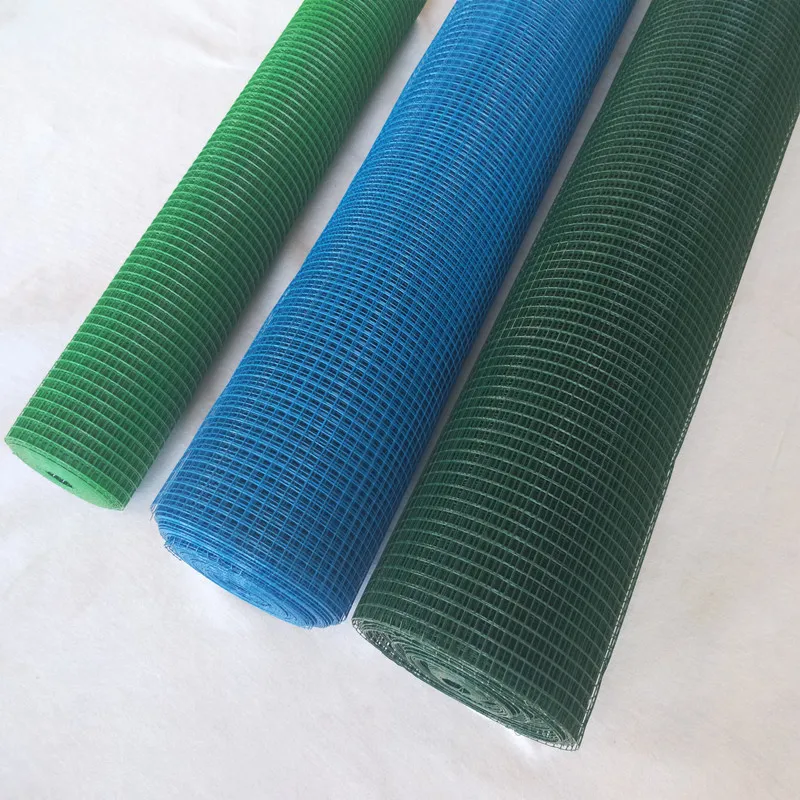
These fences are usually made with galvanized steel or coated with PVC to resist rust and corrosion. That’s critical because fences left exposed to rain, snow, or salty air can deteriorate rapidly without this treatment.
The wire mesh can be cut, bent, or extended. It’s a bit like Lego for fencing—modular, adaptable—in both small gardens and sprawling industrial compounds.
Compared to brick walls or wooden barriers, chain fences offer a budget-friendly solution with lower maintenance, making it a favorite for both homeowners and large projects.
The diamond-pattern mesh lets you see through, deterring unwanted entrants while maintaining surveillance. This strikes a balance between openness and safety.
With basic tools and labor, many installers can set it up quickly—even in hard-to-reach locations.
Whether in the suburbs of Chicago or remote African farmlands, chain link fencing proves invaluable:
In Japan, for example, enhanced coatings make fences that withstand typhoons, while in parts of the US, eco-conscious manufacturers now use recycled steel to produce garden chain fences.
| Specification | Typical Value | Notes |
|---|---|---|
| Wire Gauge | 9 to 11 gauge (3.5-4.5 mm) | Thicker wire = higher strength |
| Mesh Size | 1.5 to 2 inches diamond openings | Balancing visibility and security |
| Coating | Galvanized Zinc or PVC | Corrosion resistance |
| Post Material | Steel or Aluminum | Supports and improves strength |
| Height | 3 to 12 feet | Depends on application and local codes |
| Vendor | Product Range | Coating Options | Customization | Average Lead Time |
|---|---|---|---|---|
| Tike Metal | Standard, Premium, PVC-coated | Galvanized Zinc & Colored PVC | Custom sizes & colors | 2 weeks |
| FencePro Ltd. | Basic to Heavy Duty | Galvanized Zinc only | Limited customization | 3-4 weeks |
| GreenFence Co. | Eco-friendly, Recycled steel | Powder Coating | Colors & anti-graffiti options | 3 weeks |
Chain fences deliver practical value—cost-effective installation, minimal upkeep, and reliable performance. But if you ask many users, the emotional side counts, too: a fence offering safety gives peace of mind to families and industrial managers alike. It’s about dignity, really. Knowing your property is guarded without feeling closed off or imprisoned.
Furthermore, green manufacturing trends—like recycled steel fences and low-impact coatings—ensure the garden chain fence taps into sustainability goals. That’s increasingly important for corporations aiming to shrink their carbon footprint or communities looking to protect their natural surroundings.
Here’s where it gets exciting. Imagine fences embedded with sensors to detect breaches or weather impacts in real-time, or solar-powered illumination that runs off the fence posts. Some manufacturers are experimenting with composite materials combining steel with plastics to make fences lighter but equally strong. And digital ordering platforms mean faster customization and delivery than ever before.
Despite its many virtues, garden chain fencing isn't without issues. Rust still sneaks in if coatings get scratched. Sometimes, fences can give a cold, industrial vibe that clashes with natural spaces. And in extreme weather, posts may loosen if not anchored properly.
Experts recommend regular inspection, improved anti-corrosion tech, and design tweaks like adding privacy slats or greenery. Plus, better training for installers reduces premature failures—a tiny investment, but a game-changer.
A well-maintained garden chain fence can last 15 to 30 years depending on material and environment. Galvanized and PVC-coated fences typically outlive plain steel by years if cared for properly.
Basic installations are DIY-friendly with the right tools and some skill. However, for large-scale or customized fences, professional installers ensure proper post setting and tensioning, leading to longer lifespan.
Minimal maintenance is one of the appeals. Periodic inspections for rust, tightness, and post stability suffice. Cleaning debris and fixing minor damages promptly keeps the fence going strong.
While not impenetrable, it offers decent deterrence against casual trespassing and theft. Adding barbed wire or electronic sensors boosts security levels where needed.
Yes! Many vendors now offer fences made from recycled steel and use environmentally friendly coatings. These choices reduce environmental impact without sacrificing strength.
It’s funny to think how a garden chain fence can be both everyday and extraordinary—simple yet vital, humble yet innovative. As the world grapples with changing climates, urban growth, and security needs, these fences quietly keep things in order. Whether you’re a homeowner, an NGO, or an industrial giant, taking a moment to understand garden chain fences means investing in something that’s practical today and future-ready tomorrow.
If you’re considering fencing options, why not explore the latest from Tike Metal? Their range balances tradition with innovation—pouring years of expertise into solutions tailored to your needs.
RELATED PRODUCTS





Top