When you hear “50 ft chain link fence,” you might picture a stretch of metal wire fencing in a backyard or around a sports field. But it's honestly so much more than just a boundary marker. Worldwide, chain link fencing—especially in standardized lengths like 50 feet—is a backbone for security, safety, and even humanitarian aid. In an era where secure perimeters matter for everything from protecting industrial zones to managing refugee camps, understanding the practical uses and benefits of this fencing type is surprisingly important.
Globally, fencing solutions like these help safeguard infrastructure, prevent unauthorized access, and delineate boundaries quickly and cost-effectively. Think about how urban sprawl is increasing or how governments are securing critical infrastructure. The demand for durable, scalable fencing systems that are not a pain to install or maintain is growing, and the 50 ft chain link fence often fits the bill.
Mini takeaway: A 50 ft chain link fence isn’t just "fence"—it’s a practical, globally relevant solution for secure boundaries and safety.
Globally, land and property security is an escalating concern. According to a recent UN report, urban areas are expected to house 68% of the world’s population by 2050, resulting in increased security demands. Organizations like the ISO are even working on standards for fencing materials to improve quality and sustainability. Meanwhile, industries across manufacturing, energy, and agriculture require fencing that’s both cost-effective and adaptable — enter the 50 ft chain link fence.
One challenge that crops up repeatedly is finding fencing that balances affordability, durability, and ease of deployment. The 50 ft section length is popular in the industry because it strikes a practical balance between long enough to cover significant ground and compact enough to transport and install efficiently.
Mini takeaway: In a rapidly urbanizing world, having a standardized, reliable fencing option like the 50 ft chain link fence addresses key security challenges and logistical worries.
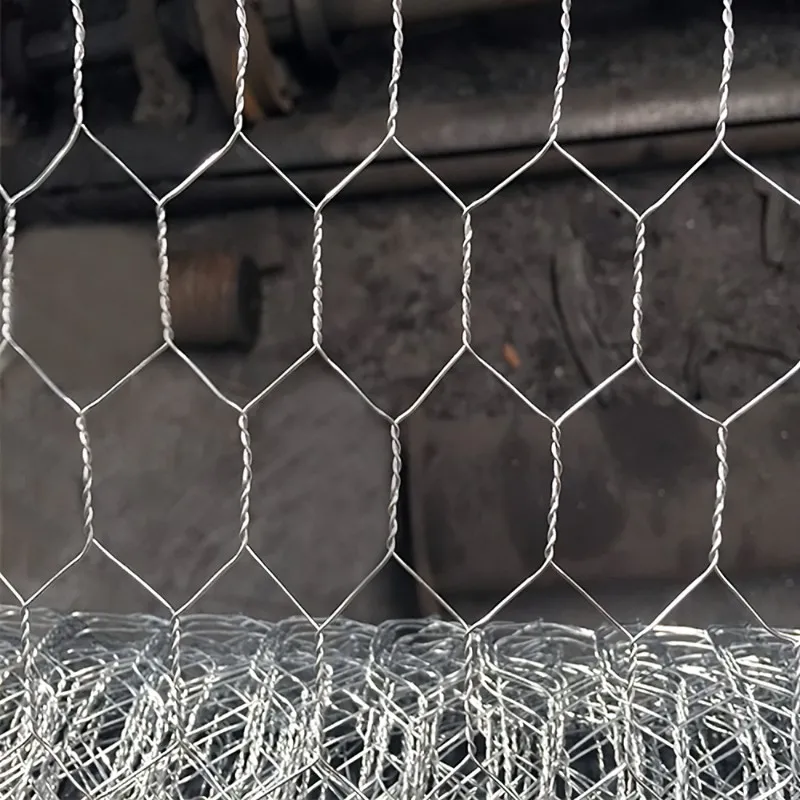
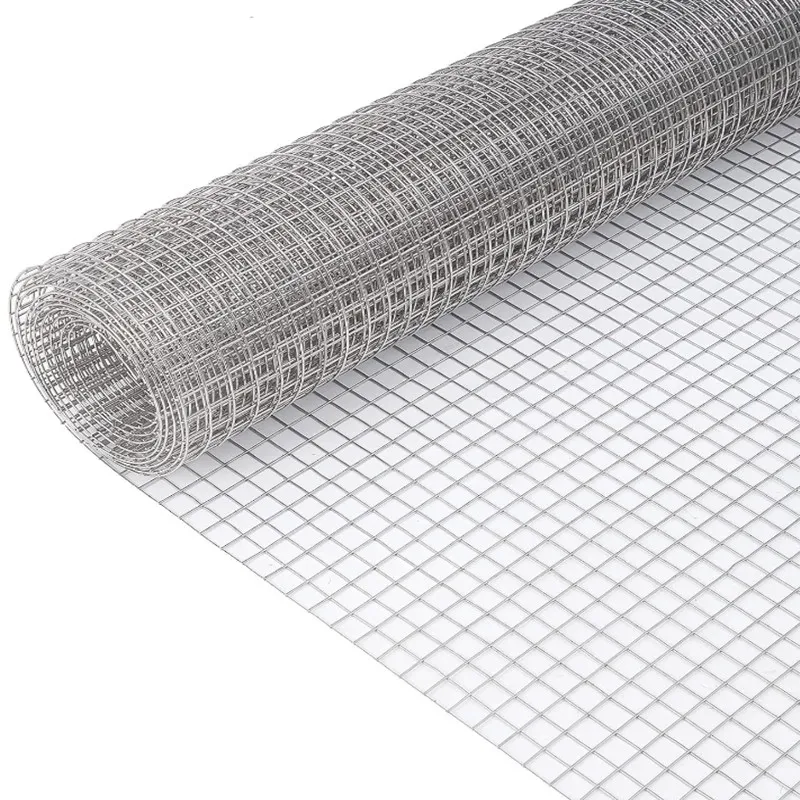
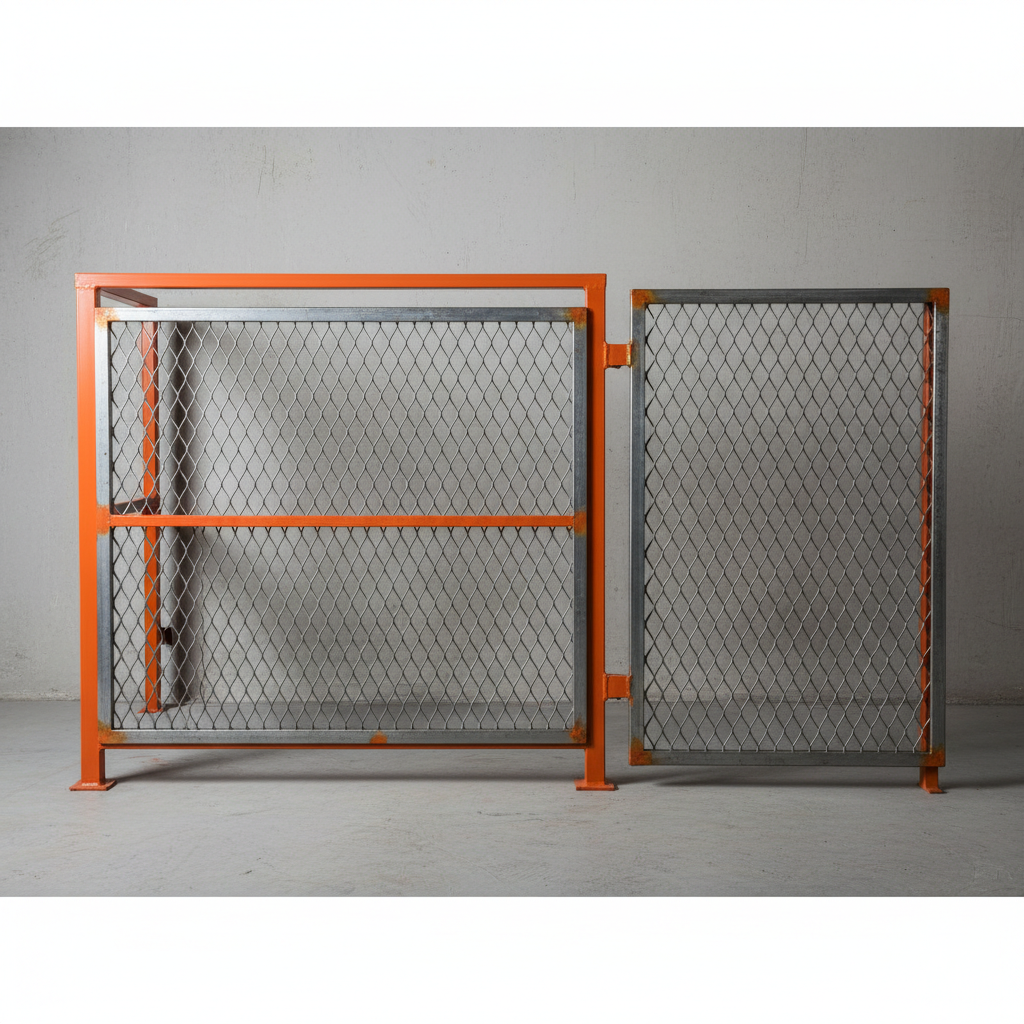
At its core, a 50 ft chain link fence is a woven steel wire fence mesh panel, measuring 50 feet in length. Typically galvanized or coated with vinyl, it creates a resilient, see-through barrier. It’s omnipresent in industrial sites, school yards, sports enclosures, and disaster relief settings. The consistent length allows suppliers and contractors to streamline installation.
In humanitarian contexts especially, these fences create safe zones during emergency response—think of refugee settlements or quarantine areas. It’s modular, relocatable, and relatively simple to erect. That’s huge when time and resources are tight.
Mini takeaway: The 50 ft chain link fence blends strength and flexibility—simple, but crucial for both commercial and humanitarian needs.
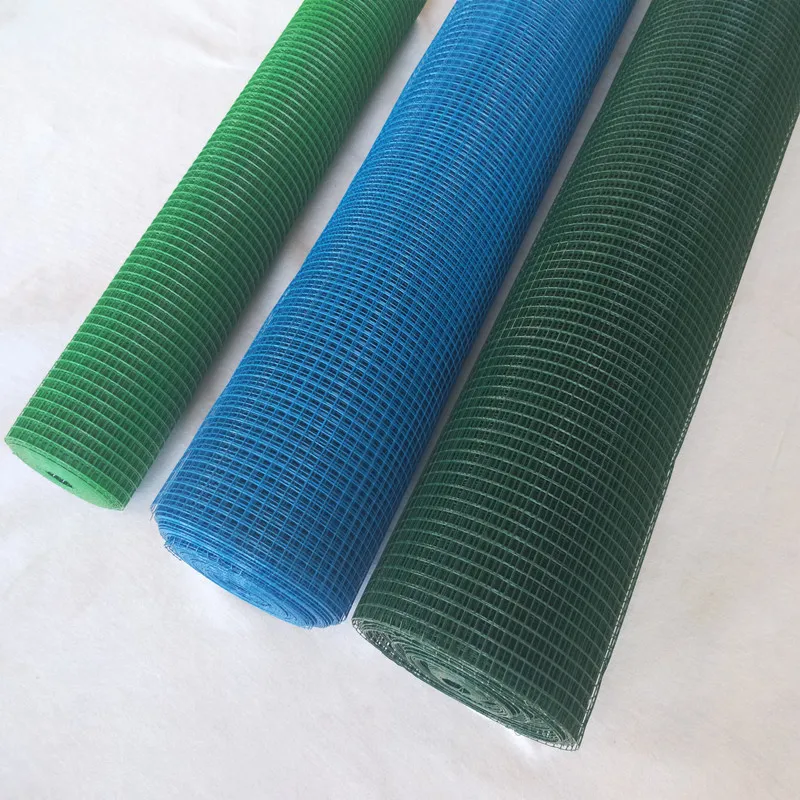
Most chain link fences are galvanized steel wire, sometimes coated with PVC. This makes them resistant to corrosion, UV degradation, and harsh weather conditions. Durability isn’t just about lasting longer; it means fewer replacements and less hassle—key for projects in remote or challenging environments.
The 50 ft length is an industry sweet spot. It’s long enough to cover larger areas to reduce the number of posts but short enough to prevent unwieldy transportation or excess weight during installation.
Compared with high-security panel fencing or concrete walls, chain link fencing offers a cost-effective solution that doesn’t compromise its protective function. Given global budget constraints, especially in development aid projects, this matters a lot.
The sections connect easily with tension wires and posts, allowing fences to be expanded or reduced as needed. For evolving projects—like expanding a facility or adapting a protected area—this flexibility is gold.
Unlike solid walls, chain link fences allow visibility through them. This both deters intruders through transparency and offers safety by allowing surveillance or natural light.
Mini takeaway: These core factors—durability, modularity, cost-effectiveness, and visibility—combine to make the 50 ft chain link fence both practical and smart.
Regions including Sub-Saharan Africa, Southeast Asia, and Latin America have increasing demand for these fences, often bundled with quick-assembly kits to streamline installation by local teams.
| Feature | Specification | Notes |
|---|---|---|
| Length per panel | 50 feet (approx. 15.24 meters) | Standardized for ease of handling |
| Height | 4 ft to 12 ft | Varies depending on application |
| Material | Galvanized steel wire, optionally PVC-coated | Enhances corrosion resistance |
| Mesh size | 2-inch to 2 1/4-inch diamond pattern | Typical for visibility and strength |
| Coating thickness | 15-20 microns (galvanized) | Industry standard for durability |
| Vendor | Pricing | Lead Time | Customization | Sustainability Practices |
|---|---|---|---|---|
| FenceCo Global | Mid-range | 2-3 weeks | Limited to standard lengths/colors | Uses recycled steel |
| SecureNet Supplies | Higher-end | 1-2 weeks | Custom panel heights & coatings | ISO 14001 certified |
| Rapid Fence Solutions | Budget-friendly | 4+ weeks | Standard products only | None specified |
What’s compelling here isn’t just the fencing itself, but what it represents in practical terms. It’s a marriage of affordability, ease of installation, and reliable protection. The social benefits? Safer communities, protected assets, and improved trust. In humanitarian contexts, these fences uphold dignity by clearly defining safe zones without creating oppressive barriers.
Emotionally, having a secure fenced area can provide peace of mind—knowing that your facility or family is shielded without isolation. Logically, the fences’ long service life cuts replacement cycles and reduces labor costs.
Mini takeaway: The 50 ft chain link fence delivers on value, sustainability, and the human need for safety and order.
Interestingly, the industry is exploring eco-friendly coating materials to replace traditional vinyl, which can be environmentally taxing. Biodegradable or recycled polymer coatings look promising. Digital integration—like sensor-embedded fences—is another avenue being tested for enhanced security management.
Automation in installation is slowly gaining momentum too. Imagine drone-assisted site surveys or robotic installers handling repetitive tasks. While still tomorrow’s technology, these trends will affect how fences like the 50 ft chain link panels are produced and deployed.
One common hurdle is vandalism or unauthorized cutting, which can compromise chain link fences’ effectiveness. However, reinforcing with barbed wire, CCTV integration, or alarm systems sometimes mitigates that. Another limitation is that chain link fences don’t provide privacy—but that’s by design.
Balancing security with accessibility and visibility means choosing the right fence style for each project. For more sensitive sites, combining chain link panels with other materials might be necessary.
The humble 50 ft chain link fence may seem straightforward, but its global importance and practical advantages can’t be overstated. It’s cost-effective, durable, modular, and suits a curious mix of real-world needs: safeguarding industry, supporting humanitarian efforts, and securing communities.
If this sounds like the fencing solution you need for your next project, or you’re curious about the options, do check out 50 ft chain link fence offerings from reliable suppliers—solid investments like this usually pay off over decades.
References:
1. United Nations, Urban Solutions and Security
2. ISO, ISO 9001/14001 Standards on Material Quality
3. Wikipedia, Chain-link fencing
RELATED PRODUCTS





Top