At first glance, building a chain link fence might seem like a straightforward task: stretch some galvanized wire between posts and you're done. But when you zoom out, it’s clear that this skill touches more industries, regions, and lives than many anticipate worldwide. From securing sprawling industrial sites in Africa to helping humanitarian workers quickly fence off camp perimeters in Asia, knowledge about chain link fencing is both practical and globally relevant.
Understanding the ins and outs of chain link fence construction goes beyond DIY weekend projects. In a rapidly urbanizing world, creating reliable barriers that are cost-effective, scalable, and adaptable is critical. Whether we’re talking privacy, security, or demarcation, chain link fencing holds a unique place. Let’s dive deep into why it matters and how it’s shaping landscapes everywhere.
According to the United Nations, the world's urban population is expected to reach nearly 70% by 2050. This growth inevitably demands perimeter controls—be it for housing developments, factories, schools, or agricultural fields. Chain link fences offer a flexible fencing solution that can be deployed quickly and economically, addressing the urgent need for boundary security and crowd control.
In industrial zones, especially across emerging markets, securing assets with permanent walls is often too costly or slow. For humanitarian organizations responding to crises (floods, refugee camps), chain link fences provide a rapid-response, modular barrier. Data from the World Bank reports growing investments in affordable infrastructure, underlining the rising demand for fencing materials that balance cost with durability.
Of course, challenges exist—like vandalism, environmental wear, or local regulations—but these only highlight the importance of choosing the right materials and installation techniques upfront.
Whether creating safe urban enclaves or quickly establishing secure zones after disasters, chain link fencing is a global solution bridging safety, cost, and practicality.
Simply put, building a chain link fence involves installing a wire mesh fabric attached to vertical and horizontal posts to create a barrier or enclosure. That mesh, typically made from galvanized steel or coated with PVC for extra longevity, is woven in a diamond pattern to provide strength without blocking visibility.
This isn't just backyard work. Modern industry and humanitarian sectors depend on this fencing because it’s:
Think of it as the quiet workhorse of boundary solutions—unassuming but indispensable.
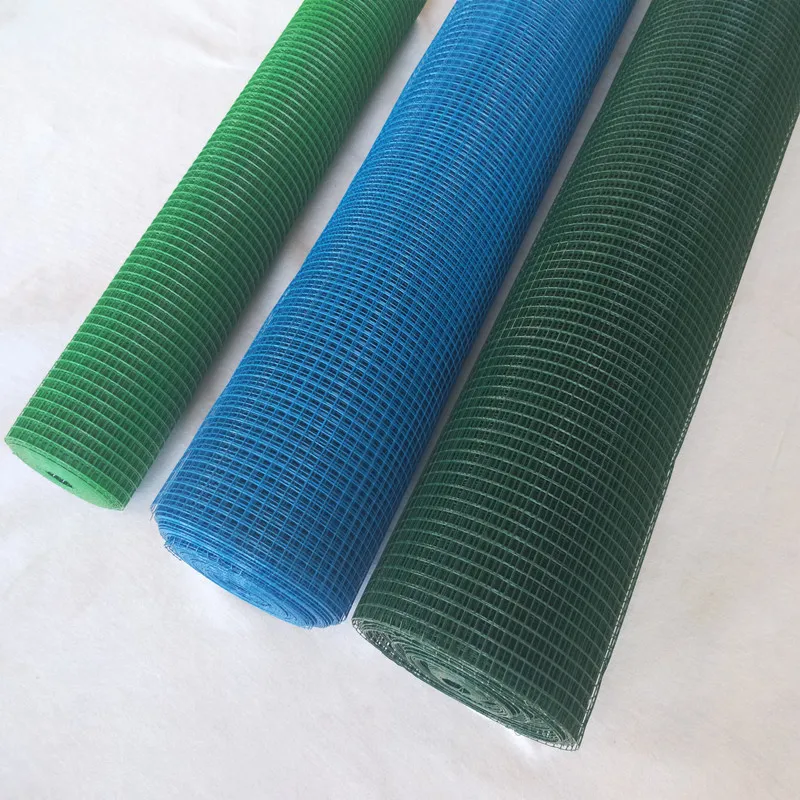
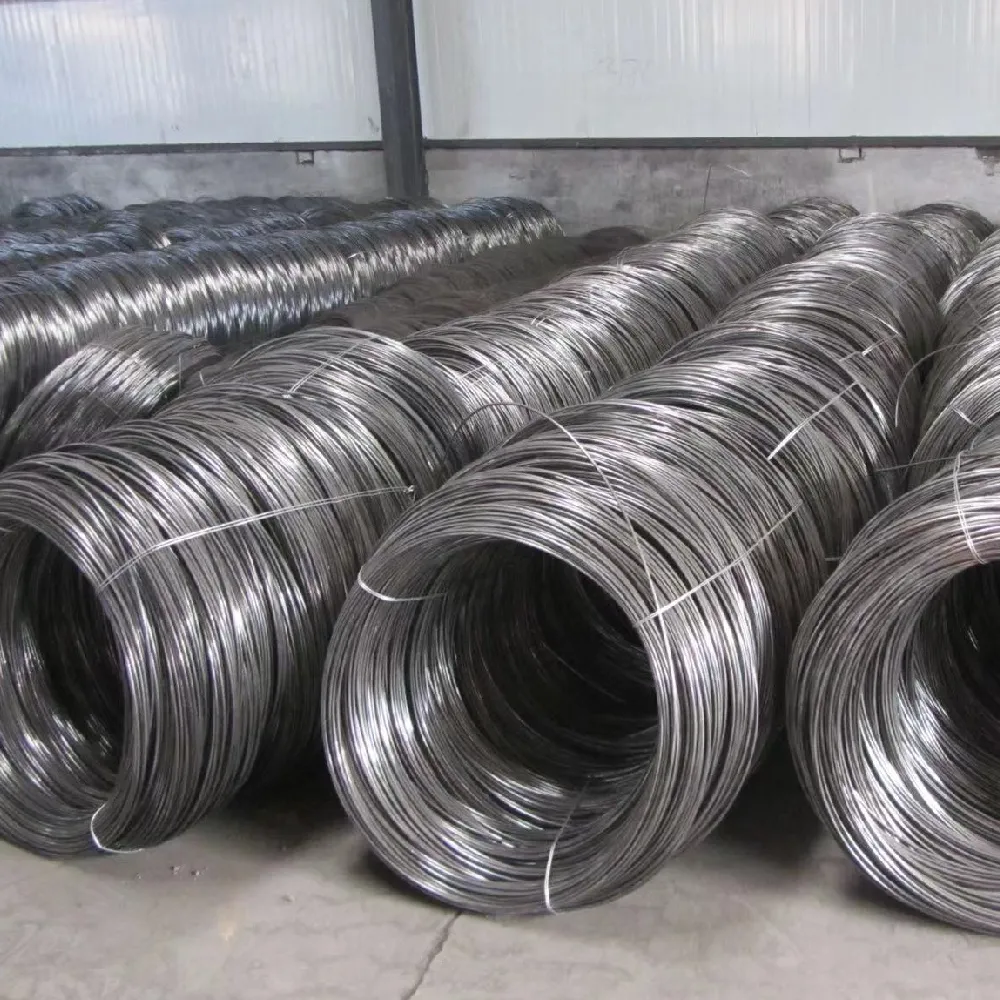
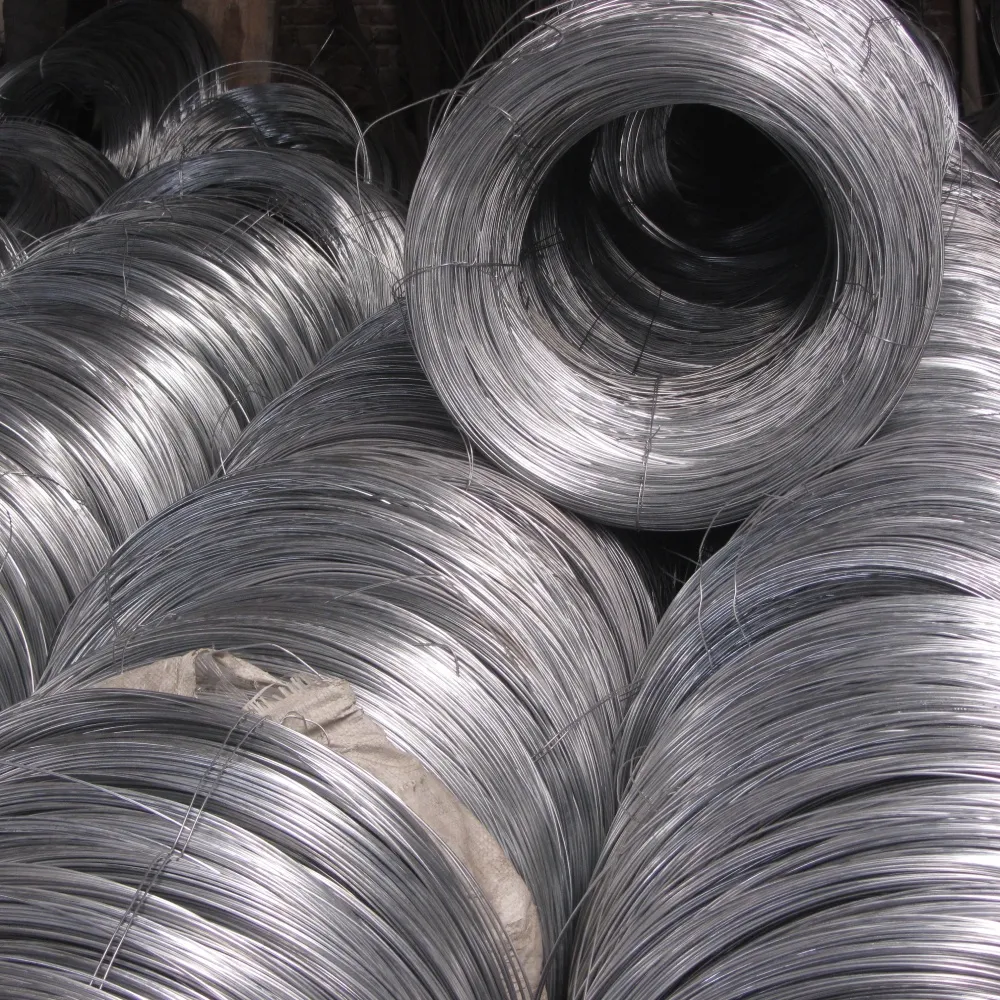
Most chain link fences use galvanized steel wire that resists rusting, extending lifespan up to 20 years or more depending on climate. For enhanced protection, PVC-coated wire is popular where corrosion risks run high, like coastal zones.
Fence posts—usually made of steel or metal alloys—anchor the fence securely. They come in terminal, line, and corner posts depending on location in the setup. Properly setting these posts in concrete or compacted gravel foundations is key for stability and longevity.
The thickness (gauge) of the wire mesh affects strength and price. Industrial fences favor thicker gauges (9 to 11 gauge) for security, while residential uses might select thinner, more flexible mesh. Height ranges from 3 feet for garden fencing to over 12 feet for high-security needs.
Correct tensioning of fabric, fastening to posts with bands and caps, and finishing with top rails or barbed wire establish fence integrity. Experienced installers avoid sagging or gaps that could reduce effectiveness.
Even the best fence requires occasional inspections for loose fittings, corrosion spots, or erosion around post foundations.
Choosing the right materials and installation methods determines how well your chain link fence performs—both immediately and in the long haul.
| Specification | Details |
|---|---|
| Mesh Material | Galvanized Steel, PVC Coated option |
| Wire Gauge | 9 - 11 Gauge |
| Common Heights | 4, 6, 8 feet (custom heights available) |
| Post Material | Steel Tubing (1.5" to 2" diameter) |
| Installation Method | Concrete Set Posts with Tensioned Fabric |
| Lifespan | 15 - 20+ years depending on maintenance |
Chain link fences appear in so many unexpected corners of the world. In sub-Saharan Africa’s mining industries, for example, robust fencing protects expensive equipment and limits unauthorized access. In North America and Europe, municipal parks and sports facilities frequently employ chain link fences for crowd control and safety delineation.
In the humanitarian sector, NGOs and UN agencies have long utilized chain link fencing to establish secure perimeters in refugee camps and relief centers. During the 2010 Haiti earthquake response, rapid fencing solutions proved critical to organizing aid distribution and protecting vulnerable communities from looting.
Even in remote industrial zones—think oil fields in Siberia or solar farms in the Middle East—fences provide a first-line defense against wildlife intrusion or trespassing.
For residential neighborhoods, the appeal lies in visible boundary definition without sacrificing openness or increasing building costs.
The adaptability and scalability of chain link fencing make it the go-to barrier for industries, governments, and aid organizations globally.
Frankly, it’s refreshing to see a product that blends logic with very real emotional reassurance—security that’s affordable, dependable, and flexible.
The fencing industry is quietly embracing innovation:
It's kind of like the fencing world is stepping from vintage utility into smart infrastructure—subtle but definitely forward looking.
Nothing’s perfect, and chain link fences face problems such as:
| Vendor | Product Range | Customization Options | Warranty | Approximate Pricing |
|---|---|---|---|---|
| Tike Metal | Standard and PVC coated mesh, posts, gates | Colors, gauges, heights, and accessories | 10 years against corrosion | $$ (mid-range) |
| Global Fencing Co. | Heavy duty security fences, barbed wire | Limited customization - focus on standard security | 15 years | $$$ (premium pricing) |
| Budget Fence Solutions | Basic galvanized mesh & posts | Minimal | 5 years | $ (low cost) |
Depending on the length and terrain, small fences (under 100 ft) can be installed in a day or two by experienced crews. Larger industrial or disaster-relief fences might take longer, but modular components speed assembly. It’s surprisingly quick when planned well.
Yes, the materials and installation costs tend to be lower than wood or concrete fences. Plus, lower maintenance expenses over time make chain link fencing a smart financial choice for many applications.
Absolutely. Options like PVC coating come in different colors (green, black, beige) allowing a fence to match natural surroundings or corporate branding. Adding slats or fabric can enhance privacy and aesthetics.
Site clearing, marking boundary lines accurately, ensuring local permits are in place, and checking underground utilities are vital steps to avoid issues during installation.
Regularly inspecting for broken mesh, tightening loose fittings, and treating any rust spots promptly will keep your fence in prime condition for decades.
In a nutshell, building a chain link fence offers a blend of affordability, flexibility, and durability that suits a broad spectrum of needs—from busy urban parks to remote humanitarian mission sites. The evolving materials and installation technologies promise smarter, more sustainable fencing solutions ahead.
If you’re considering installing or upgrading fencing, I highly recommend checking out the detailed options and support available at Tike Metal. Their product range and expertise make them a go-to resource in the fencing industry.
Take your boundary solutions seriously—it’s where protection begins, peace of mind starts, and communities grow safely.
RELATED PRODUCTS





Top