Understanding Chain Link Fence Options: Why They Matter Worldwide
Chain link fences have quietly, but steadily, become a backbone of security, industry, and even humanitarian efforts worldwide. Just think for a moment about the fences that surround everything from your local schoolyard to sprawling industrial sites and even emergency relief zones: chain link fences are there. The variety in
chain link fence options—ranging from mesh thickness to coatings and heights—significantly influences their durability, cost, and suitability for different environments.
Globally, with urbanization and infrastructure projects booming (according to the World Bank, urban populations grow by 2.5 billion by 2050), the demand for adaptable, affordable, and reliable fencing solutions has never been more pressing. Not only do these fences secure spaces and control access, but they also play a surprisingly important role in preserving community safety and environmental boundaries. Knowing your chain link fence options gives you the power to pick a solution that's both practical and long-lasting.
Mini takeaway: Even something as “simple” as a chain link fence affects large-scale projects and everyday safety worldwide. Appreciating the options helps you tailor solutions that truly fit your needs.
The Global Context: Why Chain Link Fence Options Are a Big Deal
In an increasingly globalized world, fencing is more than just a boundary marker. According to data from the United Nations Environment Programme, urban sprawl and industrial expansion have increased land-use conflicts. Chain link fence options address this by providing flexible, quick-to-install, and cost-effective barriers adaptable to many uses—from securing construction sites in Asia, to protecting wildlife reserves in Africa, to crowd control in European events.
However, there's a challenge. Choosing the wrong fencing type can lead to higher maintenance costs or fail safety regulations, causing losses in security or environmental damage. The global market for fencing materials is expected to grow by 5.4% annually through 2027 (Statista), partly because industries and governments want better, tailored fencing solutions.
What does all this mean?
Chain link fence options matter because they are at the intersection of cost, security, durability, and environmental awareness. Selecting the right type influences budgets and long-term sustainability.
What Exactly Are Chain Link Fence Options?
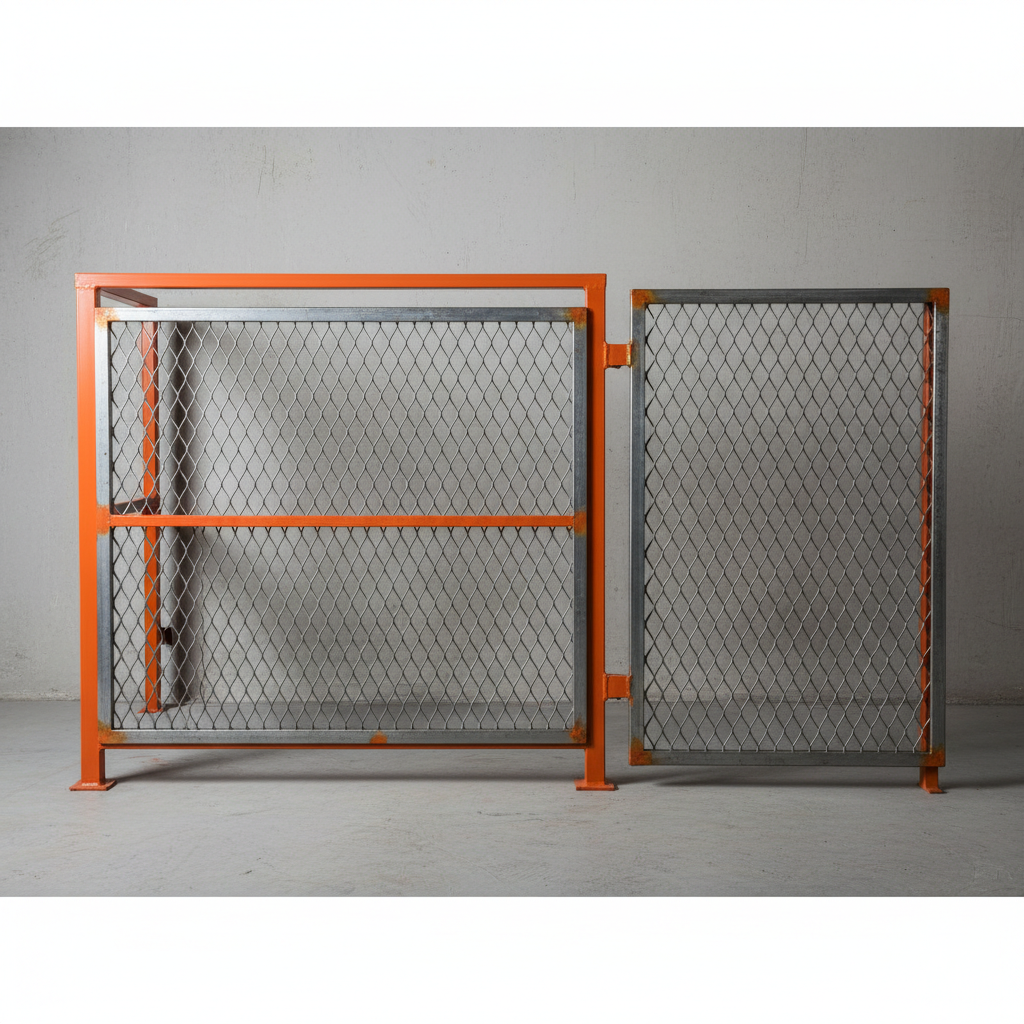
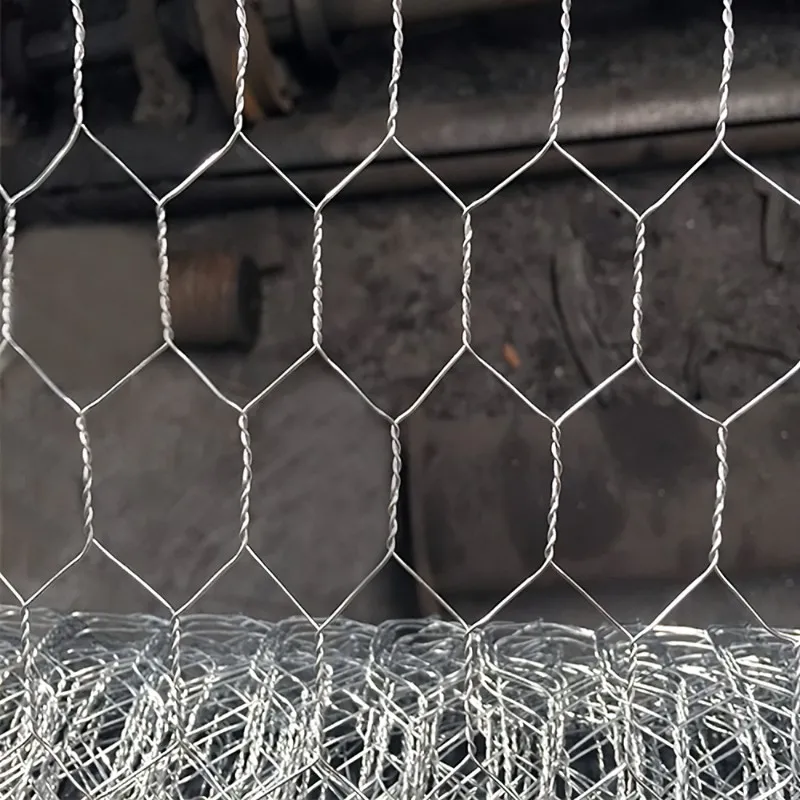
In everyday terms, chain link fences are constructed from woven steel wires, often galvanized or coated, which create a diamond-shaped mesh. But when we talk about
chain link fence options, we’re referring to the many variations you can choose from:
- Material Type: galvanized steel, vinyl-coated, stainless steel, or aluminum
- Mesh Thickness & Gauge: determines strength and flexibility
- Mesh Size: smaller mesh sizes offer better security but can increase cost
- Height & Post Design: count on these to meet safety needs or local regulations
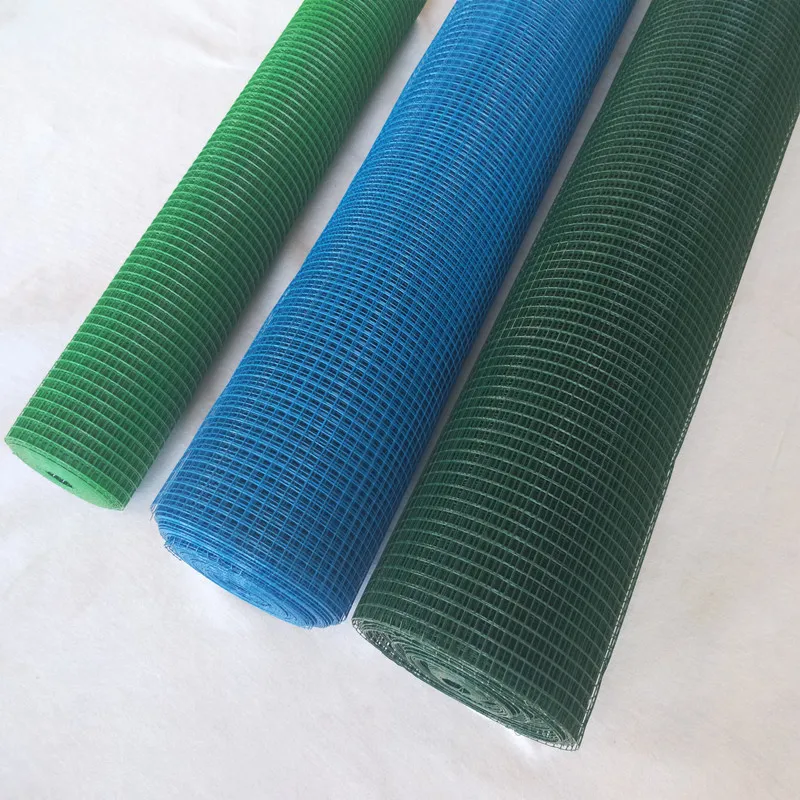
- Coatings & Colors: from plain galvanization to colored vinyl coatings for aesthetics and corrosion resistance
Such versatility lets industries—from construction companies to humanitarian NGOs—adapt fences precisely to their site’s needs, whether it’s creating safe perimeters for refugee camps or marking industrial zones.
Mini takeaway:
Chain link fence options aren't just about how the fence looks—they affect everything from lifespan to installation speed, and ultimately your project's costs or the lives it protects.
Core Components That Define Every Good Chain Link Fence
Durability
The wire gauge, coating type, and post strength dictate how long a fence lasts, especially outdoors. Galvanized steel has been a time-tested favorite because it resists rust—a concern, especially in humid or rainy climates.
Scalability & Customization
Because chain link fences are modular, adding height or sections later is fairly straightforward. Custom post spacing or gates can be integrated seamlessly.
Cost Efficiency
Compared to concrete walls or wooden fences, chain link is generally more affordable upfront and in maintenance, partly due to its simple materials and installation process.
Security Level
Variations in mesh size and fencing height directly affect how secure a perimeter is against intrusions. Adding barbed wire or razor edges are common “enhancements” for industrial or correctional facilities.
Environmental Considerations
Selecting recyclable materials or coatings that reduce heavy metal runoff aligns fencing with growing sustainability goals.
How Chain Link Fence Options Are Used Globally: Real-World Examples
Around the world, chain link fences show up in diverse places:
- Post-Disaster Relief: After hurricanes or earthquakes in the Caribbean, NGOs use lightweight vinyl-coated fences to quickly secure supplies and safe zones.
- Industrial Zones in Remote Regions: In mining areas of Australia and Canada, heavy-gauge galvanized fences protect vast perimeters without constant upkeep.
- Urban Playgrounds and Schools: Cities from New York to Tokyo select colored vinyl-coated fences to blend safety with aesthetics.
- Wildlife Reserves and Parks: Certain mesh sizes prevent small endangered animals from escaping or predators from entering, balancing security and conservation.
These examples show just how varied the demands are—and why a cookie-cutter approach doesn’t work well in fencing.
Advantages and Long-Term Value of the Right Fencing Choice
Chains link fences triumph because they balance a practical and emotional equation:
-
Cost-effective: Lower procurement and maintenance costs free budgets for other critical needs.
-
Sustainability: Using eco-friendlier coatings or recycled metal contributes to green building goals.
-
Safety & Trust: Populations feel secure when boundaries are clear, well-maintained, and reputable.
-
Innovation: New materials and coatings ensure these fences stay relevant in harsher climates and critical infrastructure sectors.
Oddly enough, chain link fences often receive less credit—but they silently underpin many sectors' sense of security and operational continuity.
Product Specification Table: Typical Chain Link Fence Options
| Feature |
Standard Option |
Premium Option |
Use Case |
| Wire Gauge |
9 gauge (3.76mm) |
7 gauge (4.55mm) |
High security, industrial sites |
| Mesh Size |
2 inch (50 mm) |
1 3/8 inch (35 mm) |
Child-safe playgrounds, zoos |
| Coating |
Galvanized steel |
Vinyl-coated with UV protection |
Outdoor exposure, aesthetics |
| Height |
4 feet (1.2 m) |
12 feet (3.65 m) |
Residential vs. correctional facilities |
Vendor Comparison: Choosing the Right Partner
| Vendor |
Product Range |
Customization |
Lead Time |
Sustainability |
| Tike Metal |
Full range, from economy to premium vinyl-coated |
Custom mesh sizes, colors, heights |
2-4 weeks |
High focus on recycled materials |
| FenceCo |
Standard galvanized and chain link only |
Limited custom options |
1-3 weeks |
Basic |
| EcoFence Ltd. |
Eco-friendly coatings, stainless-steel mesh |
Moderate; focus on green solutions |
3-5 weeks |
Strong, ISO certified |
Looking Forward: Innovations in Chain Link Fencing
It's fascinating that even in seemingly “traditional” products like chain link fencing, innovation is buzzing. We see increasing use of polymer-coated wires not just for color but for UV and chemical resilience. There’s also movement toward integrating smart sensors that detect breaches to enhance security without bulky additions. Additive manufacturing and automation might one day reduce costs and improve consistency in mesh weaving.
Sustainability remains another driver: developing lighter fences with similar strength is ideal to reduce carbon footprints during transport, while more recyclable coatings further green the lifecycle.
Facing Challenges: What Could Still Improve?
Of course, no product is perfect. Some fences struggle with corrosion despite coatings, especially near saltwater or industrial pollutants. Installation quality can vary and affect function. Also, some cheaper options suffer from low tensile strength, meaning fences sag or deform faster.
To tackle such issues, expert suppliers like
Tike Metal recommend thorough site assessments and high-grade material choice to match climate and use cases better.
FAQ: Your Chain Link Fence Questions Answered
Q1: How do I decide between galvanized and vinyl-coated chain link fences?
A galvanized fence offers strong rust protection at a lower cost, ideal for industrial or utility uses. Vinyl coating adds an extra layer of protection plus aesthetics, often used where appearance and longer durability matter. Consider the environment and expected lifespan when choosing.
Q2: Are chain link fences suitable for wildlife protection?
Yes, especially with smaller mesh sizes that prevent small animals from passing through. The right fence can balance restricting access while allowing natural flow in protected areas.
Q3: What maintenance is required for chain link fences?
Regular visual inspections for damage or rust spots are essential. Vinyl-coated fences need less frequent care, but overall, debris cleaning and occasional tension adjustment preserve fence integrity.
Q4: Can chain link fence options be customized for height and color?
Absolutely. Customization is one of the biggest benefits; many suppliers allow you to select mesh size, wire gauge, height, post spacing, and coatings in various colors.
Q5: How quickly can chain link fences be installed?
Installation speed varies depending on site and preparation but generally ranges from a few days for small perimeters to a couple of weeks for larger industrial sites. Their modular design makes them faster than many other fencing types.
Wrapping Up: Why Chain Link Fence Options Are a Smart Long-Term Investment
The right chain link fence isn’t just a physical barrier—it supports safety, community confidence, and operational efficiency. As populations grow and security needs evolve, so does the importance of picking the right options according to your environment, budget, and purpose.
Whether you want economical fencing for a construction site or a premium, colored vinyl-coated solution for a school playground, understanding your
chain link fence options will save time, money, and headaches. Curious? Explore more tailored solutions at
Tike Metal’s chain link fence options and discover how to secure your space with confidence.
Mini takeaway: Chain link fencing offers a surprisingly wide spectrum of choices; align those options with your specific needs and you get a long-lasting, efficient, and even beautiful result.
References
- World Bank Urban Development Statistics
- United Nations Environment Programme – Cities and Resource Efficiency
- ISO Standards on Chain Link Fencing