Steel gates and fences aren't just boundary markers—they’re silent sentinels guarding homes, businesses, and entire communities. Their global importance isn't limited to mere aesthetics or property division. Rather, they address critical needs for security, durability, and flexibility in countless environments worldwide. Understanding their design, global applications, and future potential reveals why these structures matter far beyond their metallic frame.
Steel gates and fences dominate the global construction and security industries. The International Organization for Standardization (ISO) estimates that demand for durable, sustainable fencing solutions is rising at about 5% annually across developing and developed markets alike. From sprawling urban centers in Asia to remote industrial zones in Africa, the challenge remains the same: how to safeguard people, assets, and borders effectively and affordably.
Global urban population growth—projected to reach 68% by 2050 according to the United Nations—only intensifies the need for secure perimeter solutions that can scale and adapt. But not all steel fences are equal, and many older systems struggle to keep pace with evolving security threats and sustainability demands.
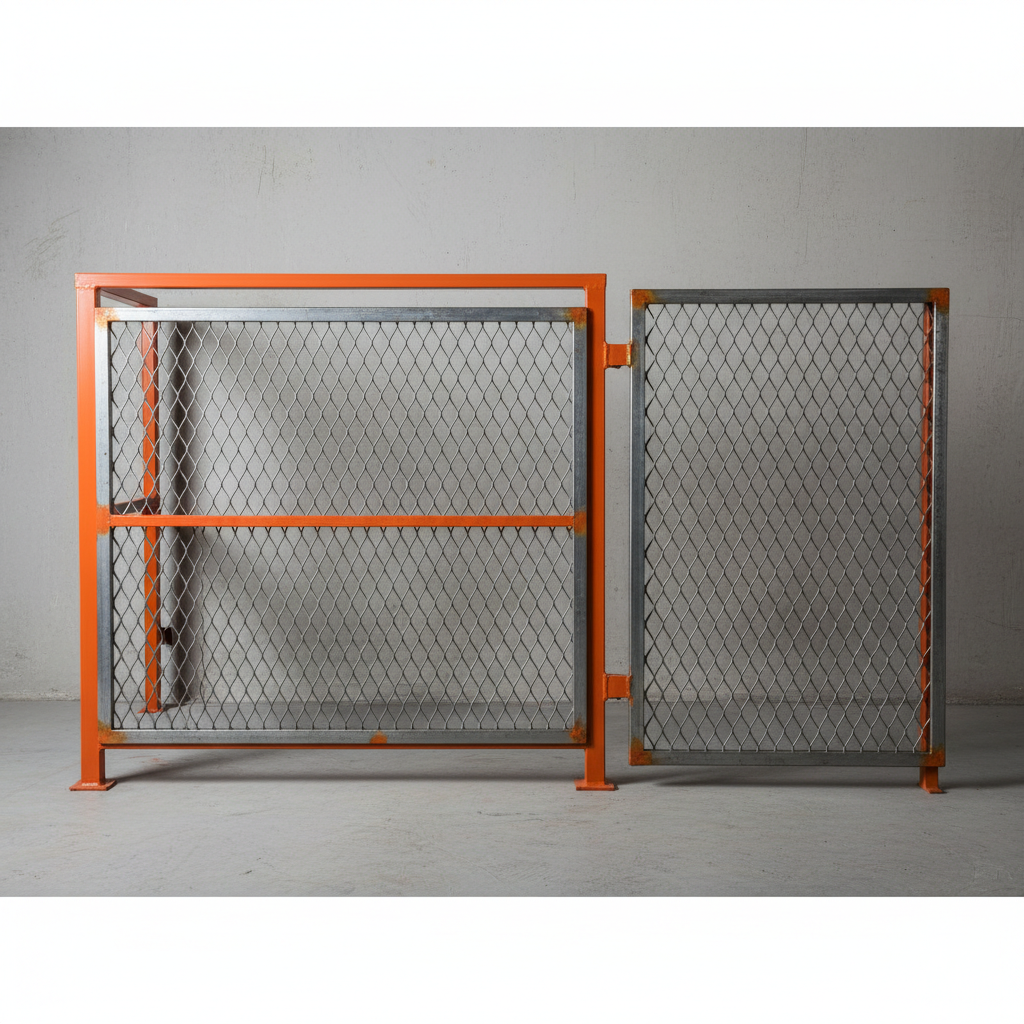
At its core, a steel gate or fence is a barrier constructed primarily from steel—valued for its strength, resilience, and malleability. These structures range from pedestrian gates to massive perimeter fences used in industrial, agricultural, or residential settings. The key is that steel offers a combination of longevity and resistance to environmental challenges, like corrosion and physical damage.
Modern steel gates and fences often integrate technology — sensors, smart locks, and automated systems — making them crucial components in contemporary safety management. They’re no longer just physical borders but part of smarter infrastructure that meets both industrial rigor and humanitarian needs, such as securing refugee camps or disaster relief perimeters efficiently.
Steel is renowned for its high tensile strength and durability. A well-constructed steel gate or fence can withstand extreme weather, hammering winds, or physical impact for decades, far outlasting wooden or plastic alternatives. Combined with weather-resistant coatings, it typically resists rust and fading, maintaining appearance and function over time.
One thing many engineers appreciate is the ease with which steel gates and fences can be scaled or customized. Whether for a small garden gate or a kilometer-long security wall, modular steel designs allow flexible layouts and easily integrated extensions or reinforcements.
While initial costs may seem higher than some materials, the lifecycle cost of steel fencing often turns out lower. Reduced maintenance, longer lifespan, and fewer replacements contribute to better long-term value — sort of like investing in a quality coat rather than a cheap one every season.
Steel’s toughness naturally deters unauthorized access and vandalism. Many models incorporate anti-climb designs, hidden hinges, and tamper-proof locks, providing peace of mind for homeowners and industries alike.
From sleek modern lines to ornate patterns, steel gates and fences can be crafted to fit a range of styles. This versatility keeps them popular not just in industrial sites but also upscale residential and commercial properties.
| Specification | Typical Range | Notes |
|---|---|---|
| Material Grade | 304/316 Stainless Steel or Galvanized Steel | 316 used in corrosive environments |
| Height | 1.2m to 3m+ | Custom heights available |
| Panel Width | 2m to 4m | Modular sections ease installation |
| Finish | Powder Coating, Paint, Galvanizing | Enhances longevity and aesthetics |
| Security Features | Anti-climb designs, Automated control | Can integrate smart systems |
Steel fencing touches nearly every sector. In urban areas, they secure schools, hospitals, and residential complexes, protecting people and assets.
In industrial zones—like in parts of Southeast Asia and the Middle East—heavy-duty steel fences surround oil refineries and factories, guarding against intrusion and accidents. Emergency response teams also rely on quick-deploy steel gates when setting up humanitarian zones post-disaster, securing vulnerable populations and supplies.
Oddly enough, rural agricultural regions also increasingly prefer steel over wooden fences, since steel endures wildlife pressure, weather swings, and fire risks better.
Emotionally, a well-built steel fence feels like a guardian. It fosters peace of mind that often can’t be quantified but is deeply felt by homeowners and businesses alike.
Automation is making inroads: steel gates now often feature remote-opening, biometric access, and even AI-driven surveillance integration. On the sustainability front, powder coatings with low VOCs (volatile organic compounds) and improved galvanizing practices reduce environmental footprints.
Manufacturers are experimenting with hybrid materials — like steel combined with recycled plastics — to strike new balances of weight, strength, and eco-friendliness. Regulatory bodies increasingly prioritize durability standards, pushing innovation further.
Also, digital twins—virtual replicas of fencing installations—are becoming tools for predictive maintenance and security optimization.
Common issues include:
Frankly, the biggest limiter remains sometimes a lack of awareness on long-term ROI. Education efforts and transparent vendor partnerships are bridging this gap nicely.
| Vendor | Specialties | Price Range (USD) | Warranty | Global Reach |
|---|---|---|---|---|
| Tike Metal | Modular gates, smart fence systems | $500–$5,000+ | 10 years | Asia, Africa, Middle East |
| SteelCo Fencing | Heavy industrial panels | $1,000–$8,000 | 15 years | Europe, North America |
| GreenGuard Systems | Eco-friendly coatings, smart access | $750–$6,000 | 12 years | Global (focus on sustainability) |
Steel gates and fences represent far more than simple barriers; they embody security, sustainability, and innovation. For anyone looking to invest in fencing that combines reliability with modern adaptability, steel solutions stand out as clear leaders. If you want to explore detailed options and tailored advice, steel gates and fences from trusted suppliers like Tike Metal offer a robust starting point.
After all, when your property’s security matters, why settle for anything less than steel?
RELATED PRODUCTS





Top