If you’re a pet owner or an animal welfare enthusiast, you might have encountered the necessity of a chain link pet enclosure. These structures do far more than just keep furry friends in and unwanted animals out. On a global scale, such enclosures contribute to animal safety, public hygiene, and even community trust where pets co-exist with people. With an estimated 670 million pet dogs worldwide (according to the World Atlas, 2022), ensuring secure and humane containment isn't just a local priority—it’s an international concern.
But what makes chain link enclosures so relevant beyond your backyard? We’ll explore that, along with what to look out for, core components, key applications, and practical benefits these enclosures bring to the table.
In urbanizing areas, especially across Asia, Africa, and parts of Latin America, pet ownership is consistently rising. Rapid city growth (UN World Urbanization Prospects 2023) means smaller housing spaces and a more complex interface between people and animals. Chain link pet enclosures offer a solid, cost-effective solution to safeguard pets in increasingly dense environments, reducing risks of animals running into traffic, attacking others, or getting lost.
Furthermore, humanitarian organizations use similar enclosures in temporary shelters to protect rescued animals during crises. Whether in post-disaster camps or rural veterinary projects, the durability and quick installation of chain link fences can be a literal lifesaver. This is why understanding their specification and practical usage is critical for both home users and professionals.
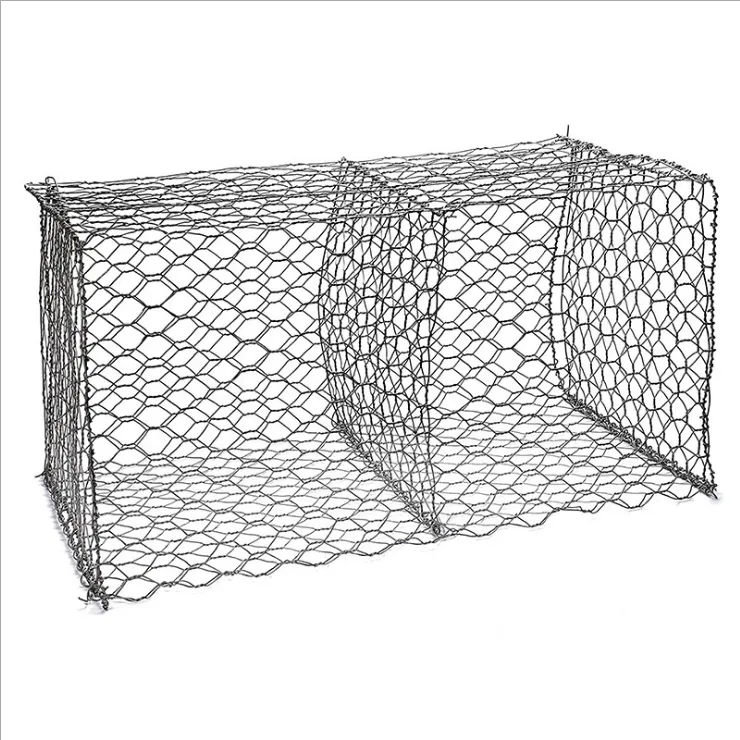
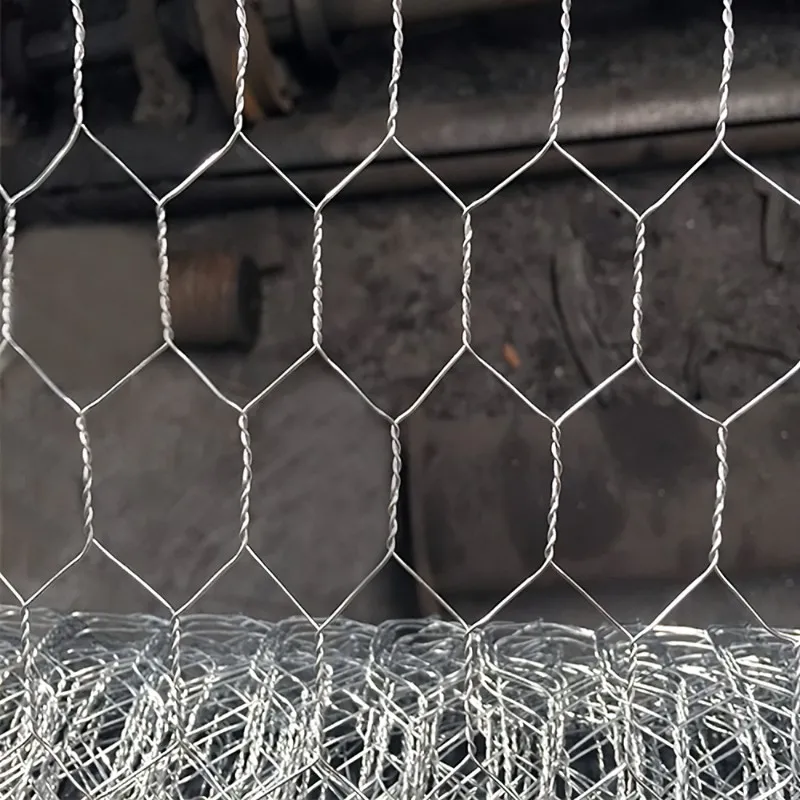
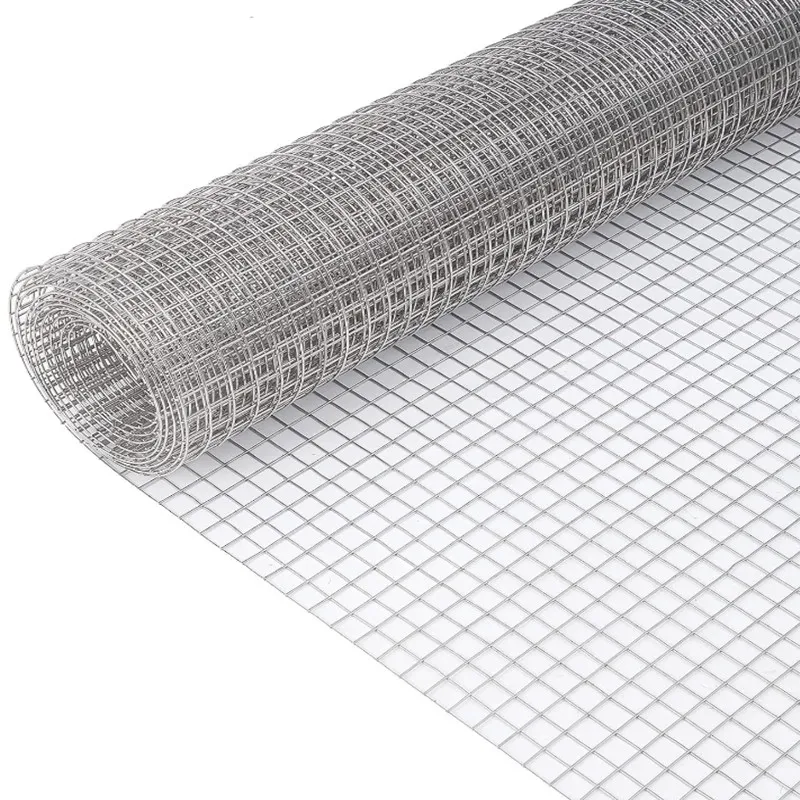
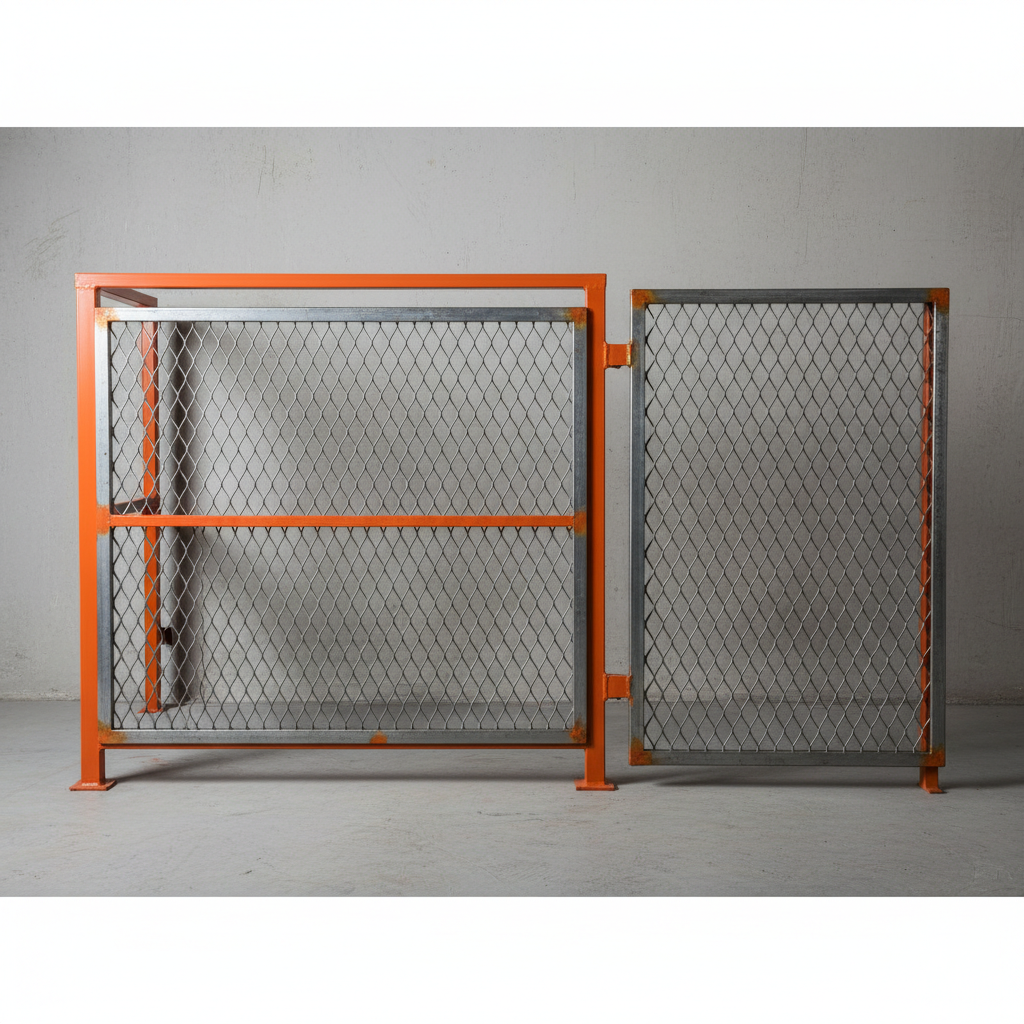
Simply put, a chain link pet enclosure is a fence or pen constructed with galvanized or PVC-coated steel wire mesh woven into interlocking rings. These enclosures create a secure perimeter designed to safely contain pets, particularly dogs, cats, or other small animals. They're favored for their transparency, ventilation, and durability compared to solid walls or wooden barriers.
From a humanitarian or industrial perspective, these enclosures bridge the gap between animal welfare and practical manageability. For instance, NGOs focusing on animal rescue appreciate how easy it is to transport and erect chain link fences on site, helping keep animals secure and calm under trying circumstances.
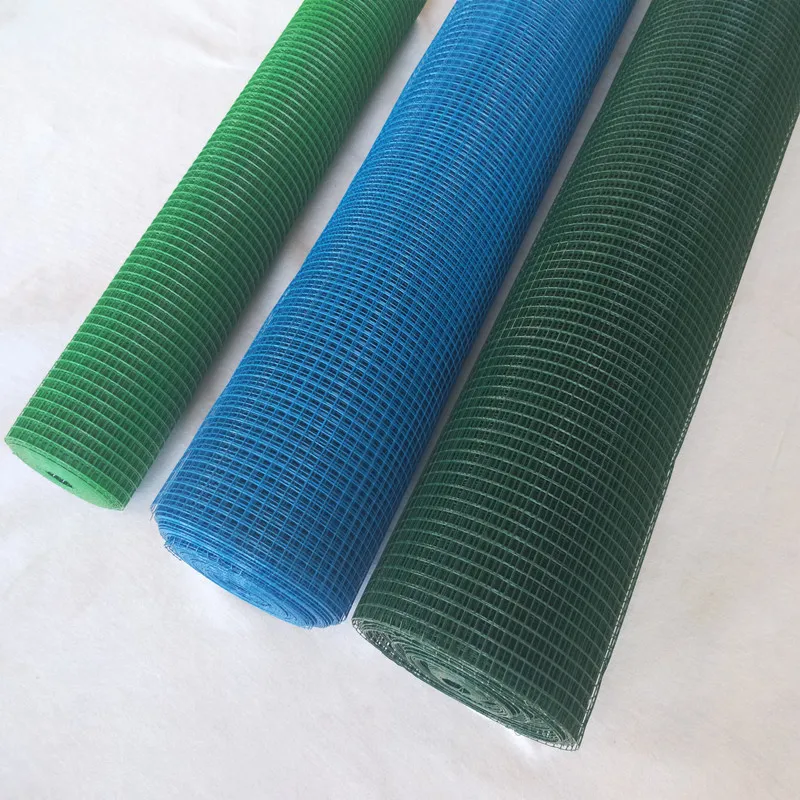
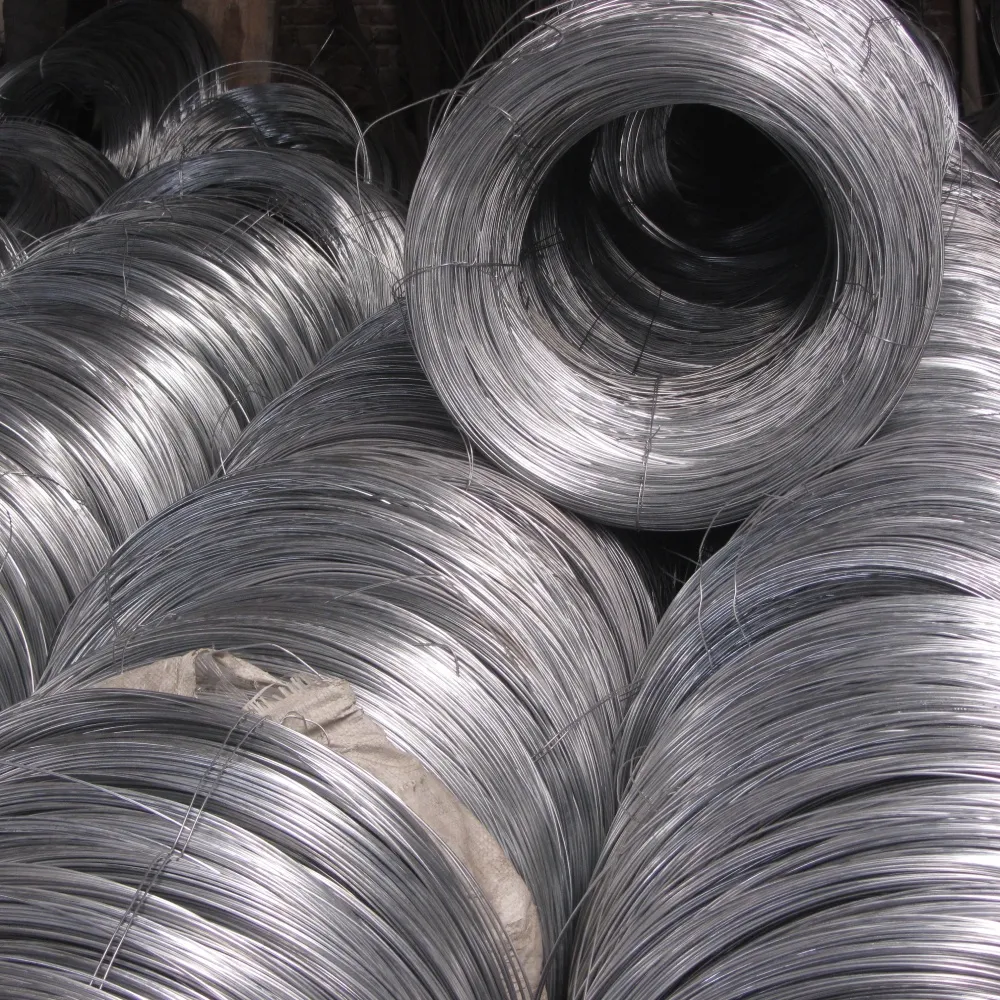
Since chain link fences are outdoors mostly, resistance to rain, sun, and rust is non-negotiable. Galvanized steel mesh is the go-to for rust prevention. Some manufacturers take it further by applying vinyl coatings—though, mind you, that can add costs. This robustness ensures your pet enclosure won’t decay with seasonal shifts or rough weather.
Chain link enclosures come in myriad sizes—from small puppy pens to expansive dog runs. The modular nature means sections can be added or removed with relative ease. This scalability helps adapt to space availability or changes in pet numbers, which honestly is a lifesaver for dynamic households or field operations.
Security isn’t just about height and mesh size. Some enclosures integrate locking gates, reinforced corners, and ground-anchoring systems to prevent digging escapes. These details can make all the difference for managing more active or determined animals.
Compared to masonry or wooden enclosures, chain link fencing offers an appealing balance of price and longevity. Considering installation ease and low maintenance, it represents excellent bang-for-buck especially where budgets matter—say, in a non-profit animal shelter or an expanding urban household.
The open latticework lets pets feel less confined by promoting airflow and natural sightlines. This seemingly small factor actually plays a huge role in animal comfort and reducing stress-induced behaviors.
Chain link pet enclosures are about thoughtful design, merging durability, flexibility, security, and affordability—a package that meets the needs of pet owners and organizations worldwide alike.
Let’s take a little world tour of how these enclosures are used:
Across all these, the ability to rapidly deploy and customize the enclosure makes it indispensable.
In the long run — and, frankly, in everyday use — their benefits stack up nicely:
| Feature | Typical Specification | Benefit |
|---|---|---|
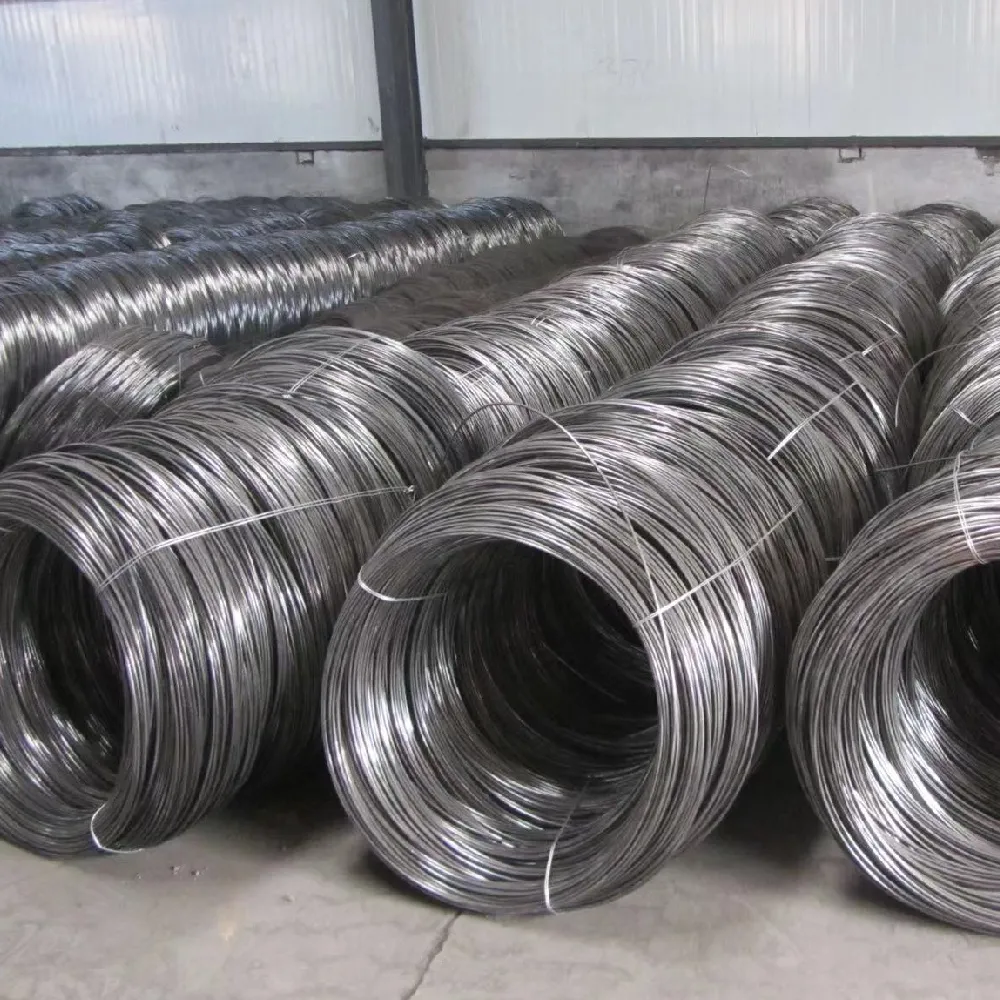
| Material | Galvanized steel wire, 9-gauge (approx. 3.76 mm) | Corrosion resistance, lasting durability |
| Mesh Size | 2-inch diamond pattern | Prevents small pets escaping |
| Height Options | 4 ft, 6 ft, 8 ft available | Customizable for pet size/security needs |
| Coatings | PVC vinyl in various colors (optional) | Added weather protection and aesthetics |
| Gate Types | Single swing, double swing with secure locking | Easy access with safety measures |
| Vendor | Material Quality | Customization Options | Delivery/Lead Time | Price Range |
|---|---|---|---|---|
| Tike Metal Co. | Premium galvanized & PVC coated options | High - fence height, mesh size, colors | 2-3 weeks typical | $$ (mid-range) |
| FencePro Inc. | Standard galvanized steel only | Limited size options | 1-2 weeks | $ (budget) |
| SecurePet Solutions | High-grade stainless steel (more rust resistant) | Moderate; few colors | 3-4 weeks | $$$ (premium) |
With the climate crisis and rising sustainability awareness, manufacturers are experimenting with eco-friendly coatings and recycled metals—an exciting shift that could reduce environmental footprints significantly. Digital transformation also enters the scene: some companies are embedding sensors and smart locks into gates, helping pet owners remotely monitor their animals. Automation might sound futuristic, but it’s quietly shaping pet containment for the better.
On regulations, ISO guidelines for fencing materials are tightening, driving overall quality up and encouraging transparency in construction standards. This is a win for everyone—from NGOs managing shelters to suburban pet parents.
Of course, no product is perfect. Some common challenges include:
By addressing these, vendors improve user satisfaction and extend enclosure lifespans, ultimately benefiting pets and owners.
A: Consider your dog’s size, breed, and activity level. Generally, 4 ft high is suitable for small breeds, while medium to large dogs benefit from 6 ft or more. Also, think about how much room your dog needs to run safely.
A: Definitely! Chain link pet enclosures are modular, so many models can be disassembled and moved as needed. This makes them great for rentals, temporary setups, and evolving pet care needs.
A: Yes, but mesh size matters. For smaller pets, tighter mesh or additional barriers are recommended to prevent escapes or injuries. Some manufacturers offer custom options tailored for smaller animals.
A: Regular cleaning to remove debris and occasional inspection for damage will keep it in top shape. For galvanized fences, checking for rust spots and applying protective coatings occasionally helps longevity.
A: Vendors like Tike Metal Co. offer a range of customizable options with expert guidance to match your exact needs, from small yards to industrial applications.
At the end of the day, choosing a chain link pet enclosure is about thoughtful investment—one that safeguards pets, simplifies maintenance, and respects budgets while embracing sustainability. Whether you’re a city dweller, a shelter volunteer, or just someone looking for a solid fence, these enclosures bring long-term value and peace of mind.
Interested in exploring your options? Visit Tike Metal Co. for industry-leading choices tailored to your needs.
It’s funny how something as simple as a fence can solve so many problems — a quiet hero for pets and owners alike.
RELATED PRODUCTS





Top