In an increasingly interconnected world, securing physical spaces—whether urban, agricultural, or industrial—is more crucial than ever. Wire link fence systems serve as a quiet guardian, often overlooked but essential to global infrastructure, humanitarian efforts, and commercial developments alike. Why does it matter so much? Well, for starters, it’s about safety, sustainability, cost efficiency, and even human dignity.
Understanding wire link fences isn’t just about picking the right fencing system. It’s about knowing how these simple, yet versatile constructions contribute globally—from protecting livestock on farms in South America to safeguarding airports in Europe, or enabling rapid setup of relief zones after natural disasters.
Mini takeaway: Wire link fencing is more than just a barrier. It’s a versatile technology with far-reaching impact on safety, economics, and humanitarian aid worldwide.
The fencing industry is less glamorous, honestly, but globally indispensable. According to the UN’s Office for Disaster Risk Reduction, over 250 million people were affected by natural disasters in the past decade, many needing quick but sturdy perimeters for safety zones. Wire link fences answer this call, combining durability with ease of deployment.
Moreover, the global market for fencing materials is climbing steadily, projected to exceed $12 billion by 2027 (source: Global Industry Analysts, Inc.). This surge is partly due to urban expansion but also driven by rising security concerns and agricultural modernization, especially in Asia-Pacific—a region with rapid infrastructural growth.
One big challenge has always been balancing cost vs quality. Cheaper fencing fails too fast, but top-tier materials can sting the budget. Here, wire link fencing strikes an interesting balance by leveraging galvanized steel mesh that resists rust, yet remains relatively affordable and flexible for multiple uses.
Mini takeaway: Whether for disaster relief, farming, or security, wire link fence solutions are a growing, global response meeting diverse and urgent needs.
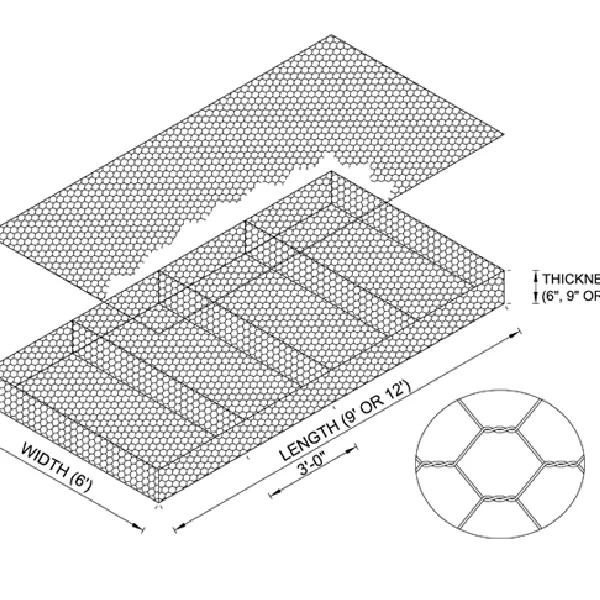
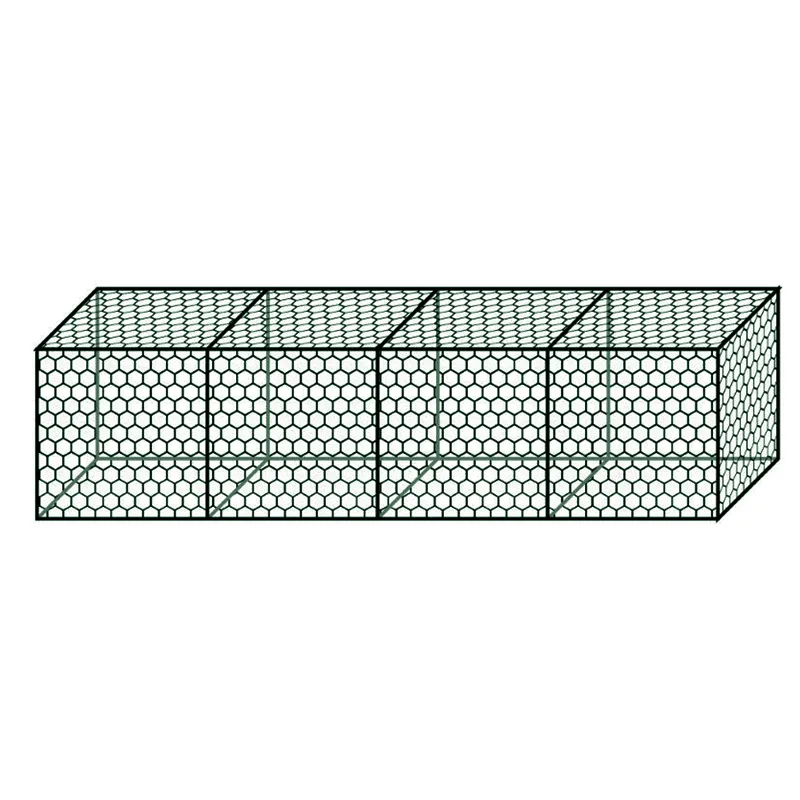
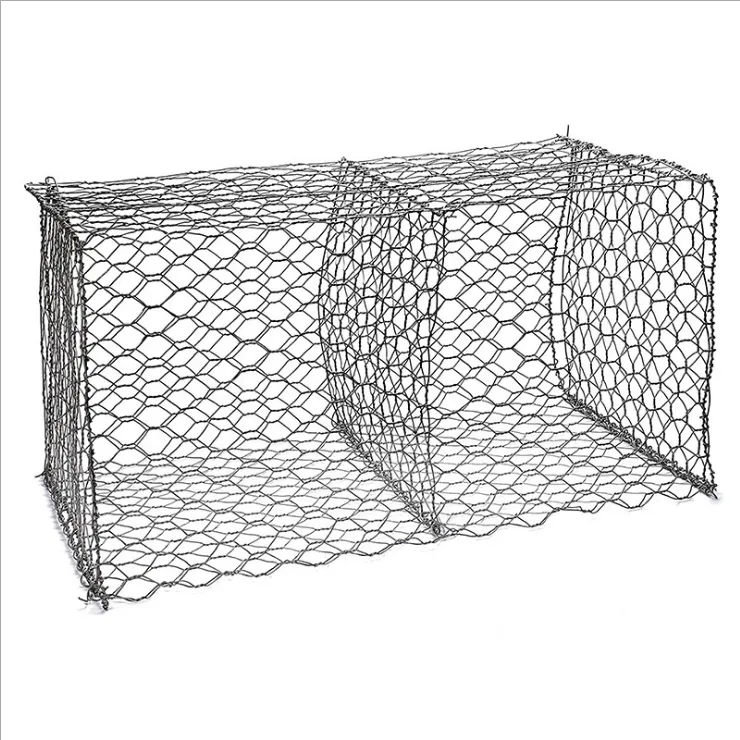
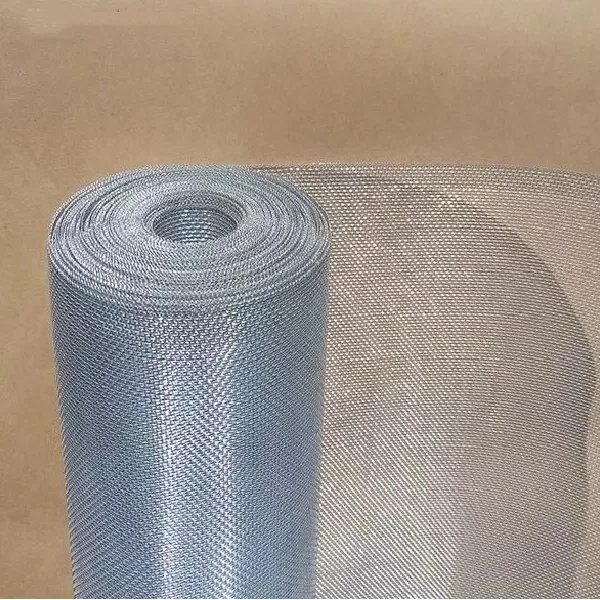
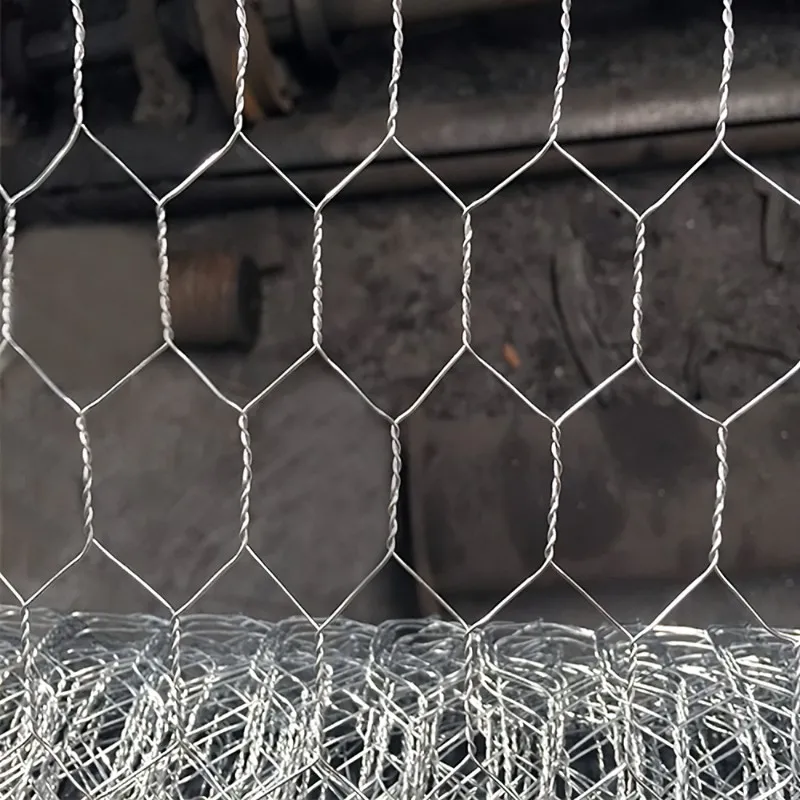
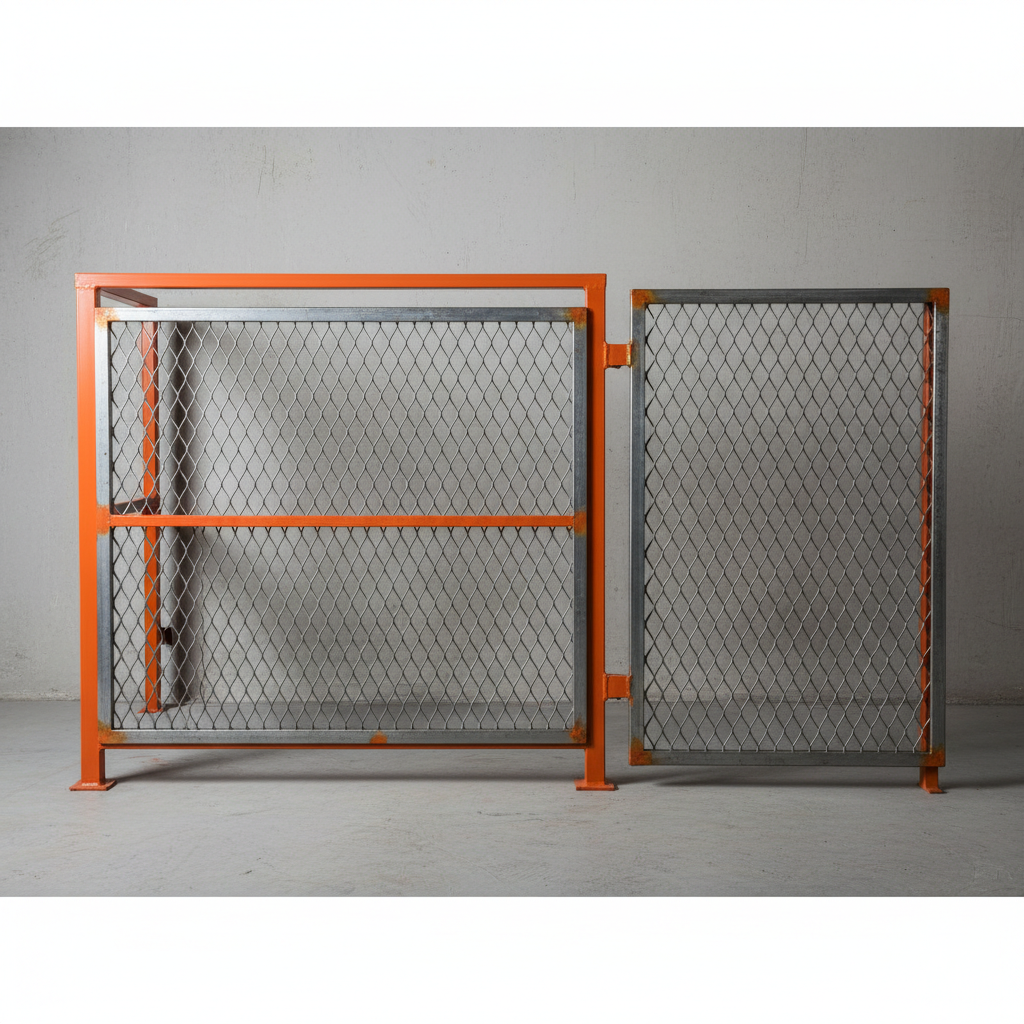
In simple terms, a wire link fence is a mesh of interwoven metal wires—usually steel or galvanized iron—that creates a flexible yet tough barrier. You'll often hear it called chain link or wire mesh fence. Picture a crisscross diamond pattern that’s strong enough to keep things in or out.
Industrially, the link fence helps in defining perimeter security without heavy concrete walls—ideal for rapid deployment and scalability. From a humanitarian view, wire link fences offer a safe zone where displaced communities or relief materials can be organized and protected.
Oddly enough, the fencing also adapts itself well to various environments—from dusty deserts to humid tropical zones—with suitable coatings and treatments.
Mini takeaway: Wire link fence is a practical, mesh-based barrier solution, bridging the worlds of security, agriculture, and humanitarian needs seamlessly.
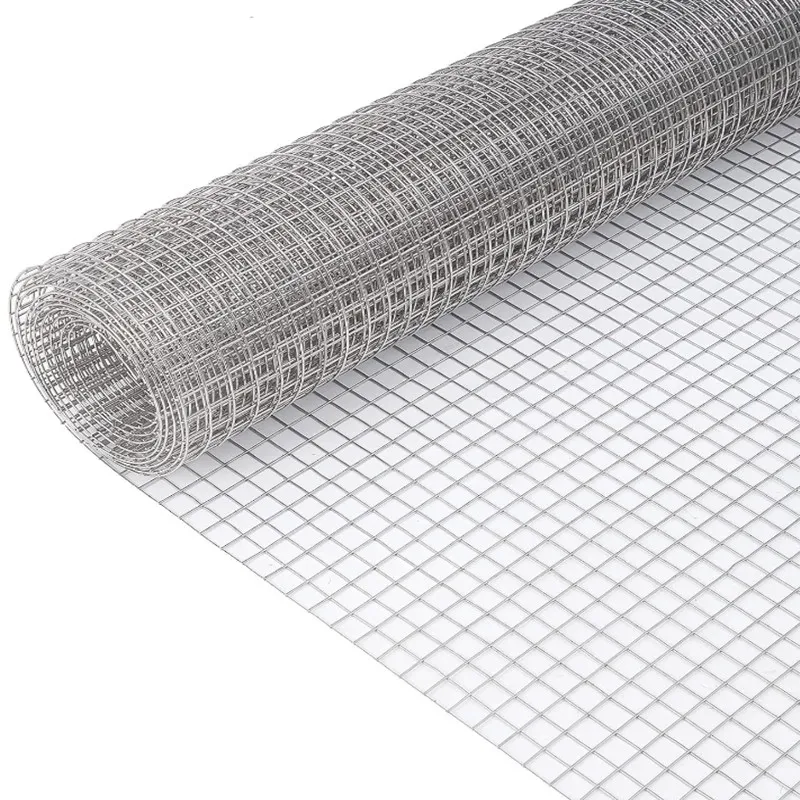
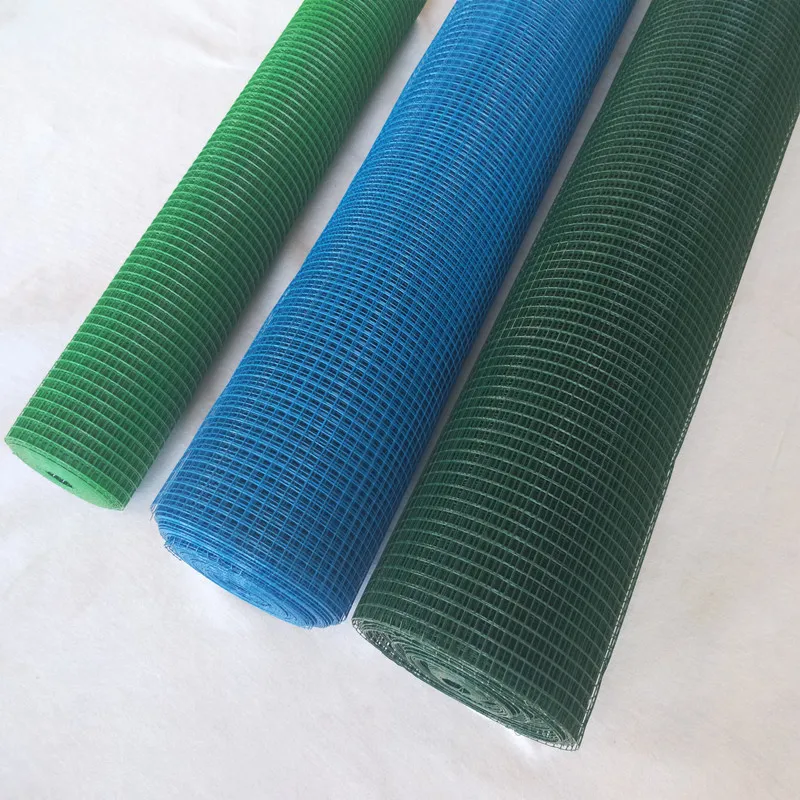
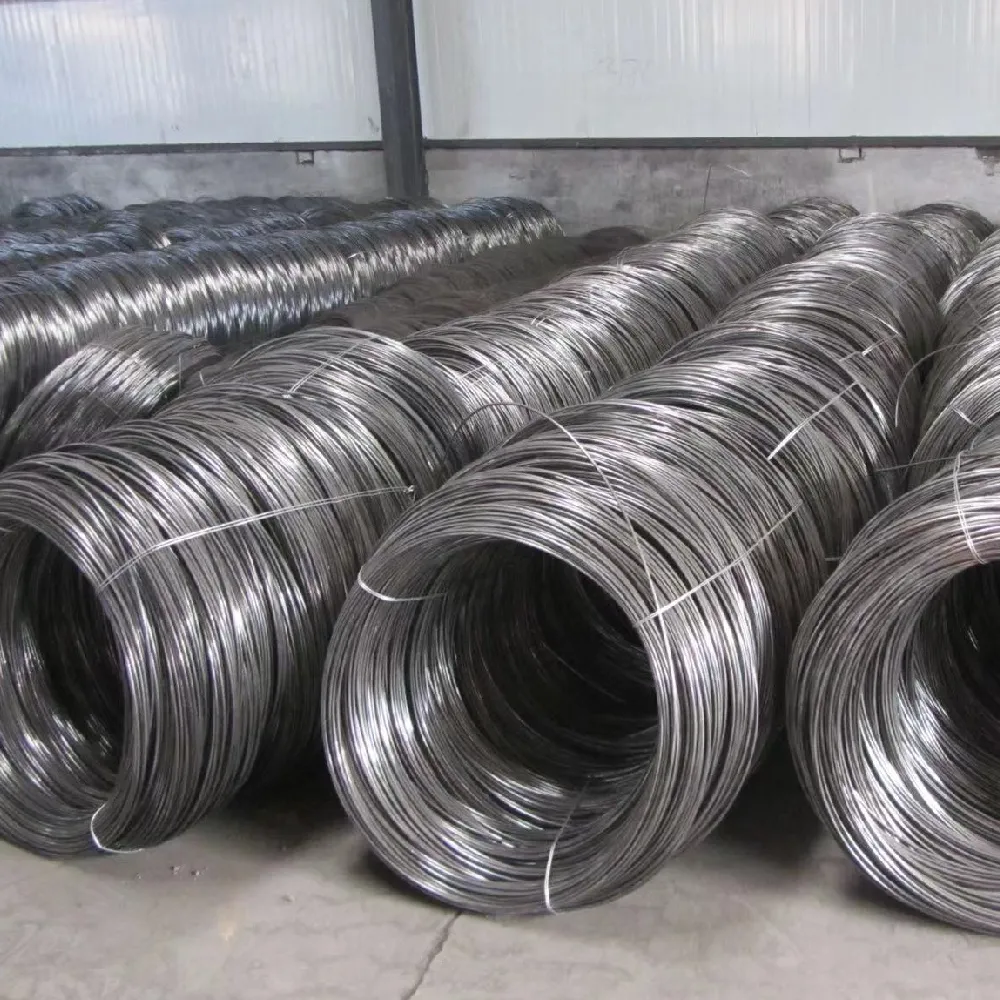
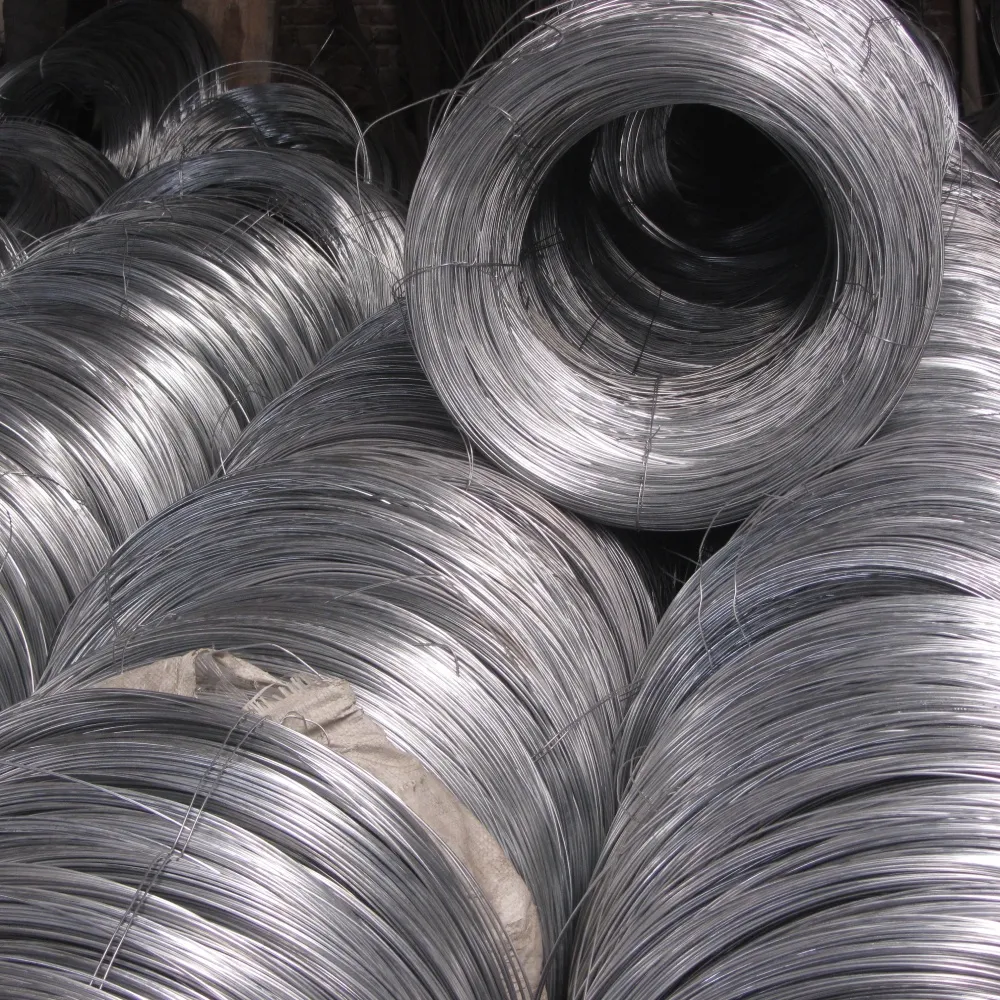
Wire link fencing is usually made from galvanized or PVC-coated steel wire. The galvanization protects against corrosion and weather—without which, fences in coastal or rainy regions would rust away quickly. This makes it a favorite for long-term outdoor use across continents. In practical terms, a properly installed wire mesh may last 15-20 years.
One thing I noticed about wire link fences is how easily they extend in length and height. That’s pretty crucial for projects that evolve over time—like expanding a construction site or farmland boundary. Modular in nature, the fences can be assembled, dismantled, and relocated without heavy machinery.
Compared to solid walls or wooden fences, wire link fences bring outstanding value. Initial purchase and installation costs are low. Maintenance is minimal. And because of durability, replacement cycles are stretched out, saving millions in operational money globally.
While wire link fences are often seen just as physical barriers, their design can be customized—tightened mesh for small animal containment, barbed wire topping for high-security zones, or integrated with sensors and cameras in smart fencing for industrial applications.
Many manufacturers now prioritize eco-friendly coatings and recyclable steel, reducing waste and carbon footprint. A far cry from traditional wood fencing, which impacts forests, wire link fences align better with sustainable goals.
Mini takeaway: Durability, scalability, cost-efficiency, security, and sustainability are the pillars supporting wire link fence’s popularity across industries.
From my chats with field engineers and farm managers, wire link fences serve a vast spectrum:
For example, a recent UN deployment in Southeast Asia used modular wire link fence panels to quickly demarcate refugee camp boundaries, offering both security and a semblance of privacy.
Mini takeaway: Wire link fences aren’t one-size-fits-all. Their adaptability makes them indispensable globally—from remote farms to high-stakes security zones.
On a more emotional note, a secure fence offers peace of mind—not trivial, especially for families or workers operating in uncertain environments.
Mini takeaway: Wire link fence blends economic logic with emotional reassurance, making it a rare kind of infrastructure investment.
Technology marches on, and fencing isn’t left behind. Here's what’s catching on:
Frankly, it feels like the fence of the future is as much about data and environment as about steel wires and posts.
Mini takeaway: Innovation in wire link fence technology will soon redefine what we expect from security, sustainability, and installation speed.
Challenges do exist. For example, improper installation often leads to sagging or early damage. Environmental extremes—heavy snow loads or saltwater exposure—can degrade even galvanized steel over time.
Thankfully, engineers advise:
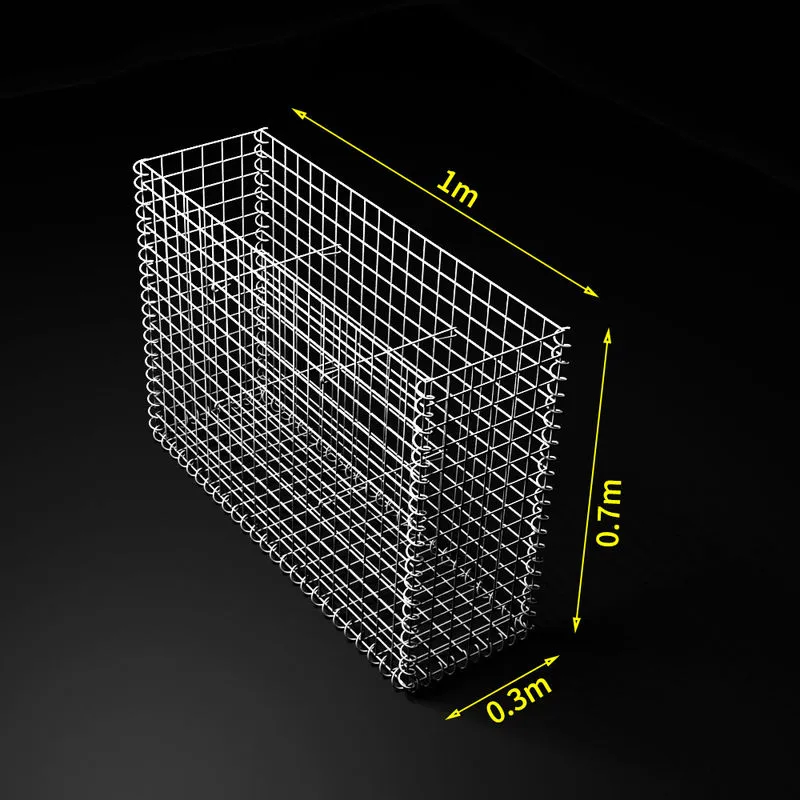
Innovative vendors now also offer pre-fabricated panel systems that simplify assembly, reduce errors, and improve uniformity.
Mini takeaway: Challenges are real but manageable with the right materials, design, and expertise.
| Feature | Description |
|---|---|
| Material | Galvanized Steel Wire / PVC Coated Options |
| Mesh Size | 50 mm - 75 mm typical |
| Wire Gauge | 12 to 14 gauge (varies by application) |
| Fence Height | 1.2 m up to 3 m or custom |
| Coating | Hot-Dip Galvanized or PVC (Green, Black, Silver) |
| Installation | Post and Panel or Rollout Mesh with Tensioning |
| Vendor | Material Quality | Customization | Lead Time | Pricing |
|---|---|---|---|---|
| Tike Metal | Industrial Grade Galvanized Steel | Custom Heights, Colors, Coatings | 2-4 weeks | Competitive |
| GlobalFences Co. | Standard Galvanized | Limited | 3-5 weeks | Moderate |
| SecureMesh Solutions | Premium Coated Wire | Advanced Smart Fencing | 4-6 weeks | High |
To wrap it up, the humble wire link fence is a workhorse many don’t fully appreciate. It’s cost-effective, durable, adaptable, and increasingly eco-friendly. The material serves a critical role in securing places, protecting lives and livelihoods, and even enabling fast humanitarian aid setup. If you’re scouting for fencing that blends reliability with flexibility, wire link fence solutions should be high on your list.
It feels like every industry on the planet—from agriculture to airports—can benefit from these simple intertwined steel wires. So next time you pass by one, remember: there’s more to it than meets the eye.
Interested in exploring options? Visit Tike Metal for tailored wire link fence solutions designed for your needs.
RELATED PRODUCTS





Top