Chain wire mesh might sound like just another technical term tossed around in manufacturing or construction circles. But in reality, it's a quietly essential component that supports many industries worldwide — from security fencing to architectural facades, and even in humanitarian aid structures. Why does it matter? Because when you understand chain wire mesh, you start appreciating a material that’s more versatile, durable, and scalable than you probably gave it credit for.
Globally, the demand for efficient, cost-effective solutions for enclosure, protection, and industrial filtration is rising. Chain wire mesh fills this gap, offering an ideal blend of strength, flexibility, and economic viability. It literally meshes together key aspects of modern infrastructure.
The world is urbanizing fast — the UN estimates that by 2050, nearly 68% of the global population will live in cities. That kind of pace demands materials that can keep up. Chain wire mesh is vital here, serving as a barrier, a filter, and a structural component with multiple applications. It’s used in securing construction sites, enabling air circulation in industrial zones, and even assisting erosion control in vulnerable landscapes.
However, despite its widespread use, many underestimate challenges like durability against harsh weather or the environmental footprint of production. This is precisely where innovations in chain wire mesh come into play, addressing global needs of safety, sustainability, and cost-effectiveness simultaneously.
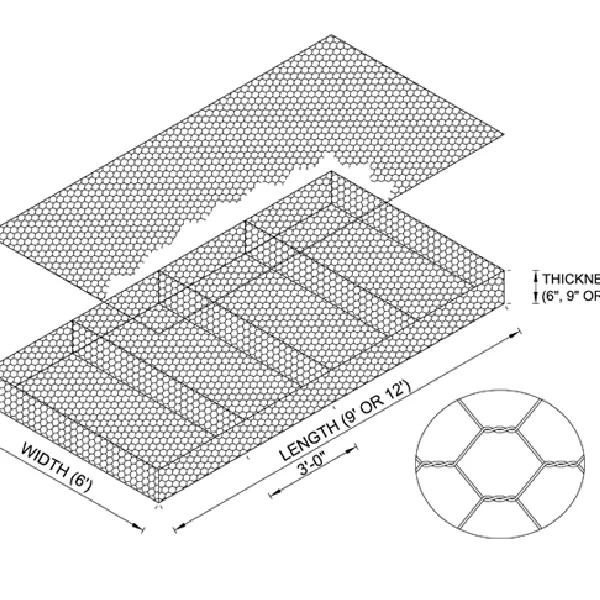
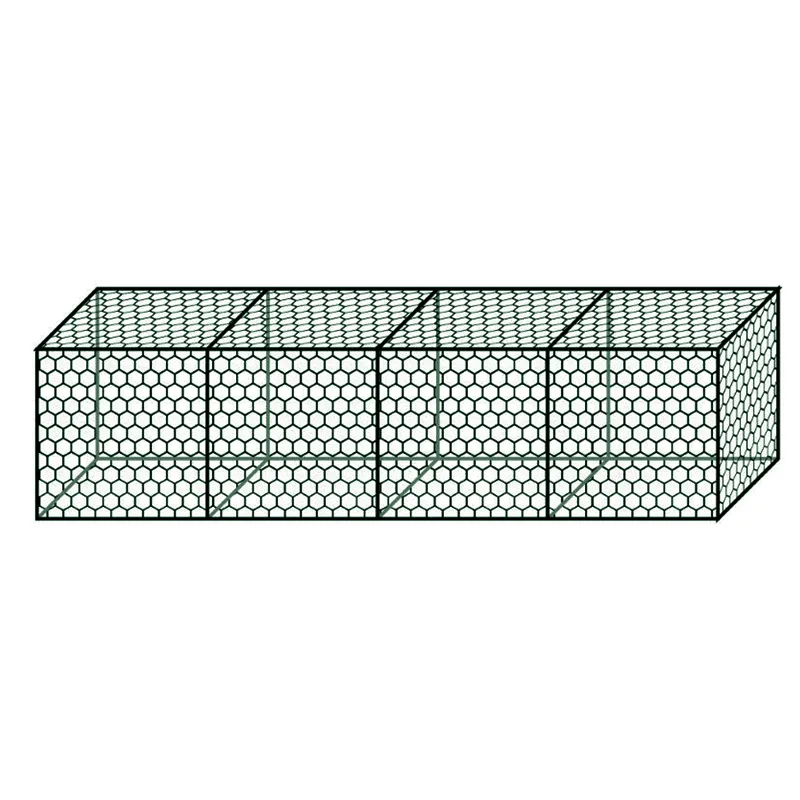
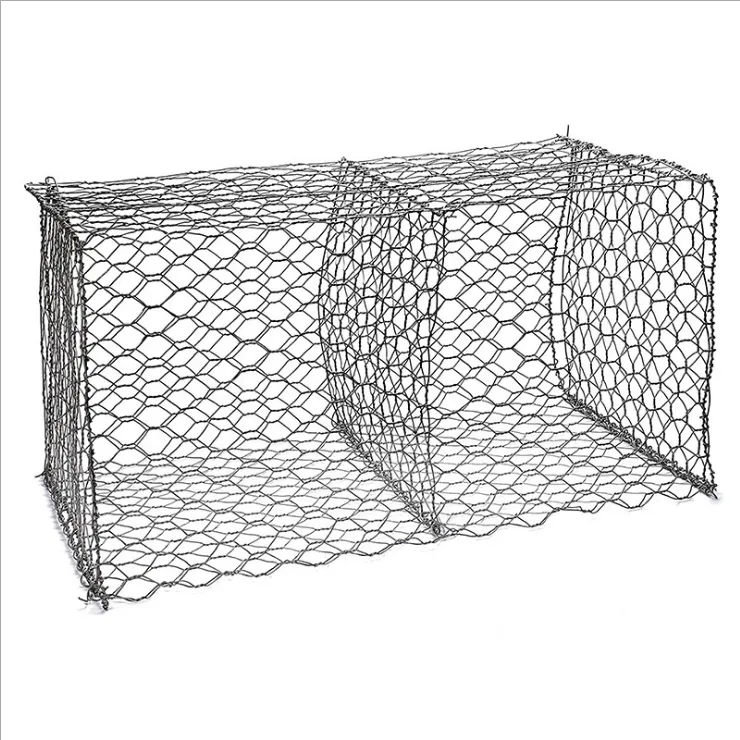
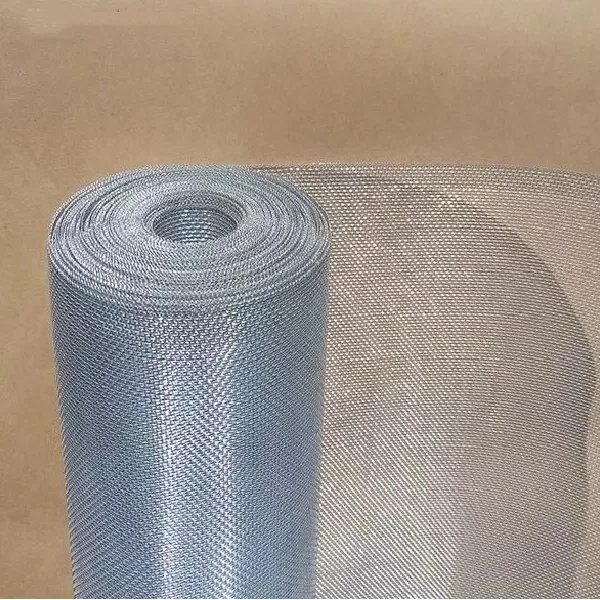
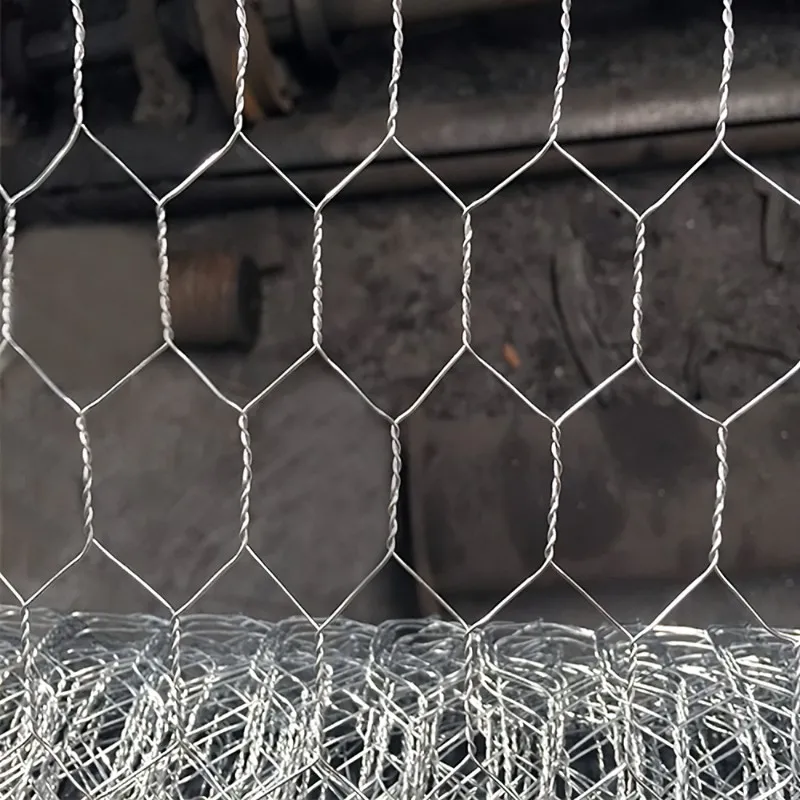
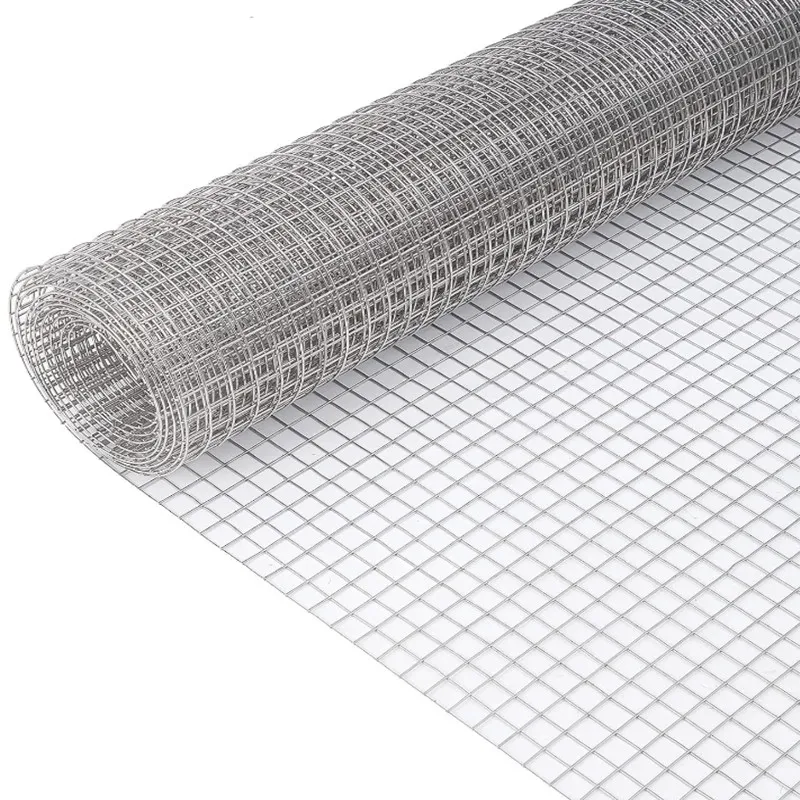
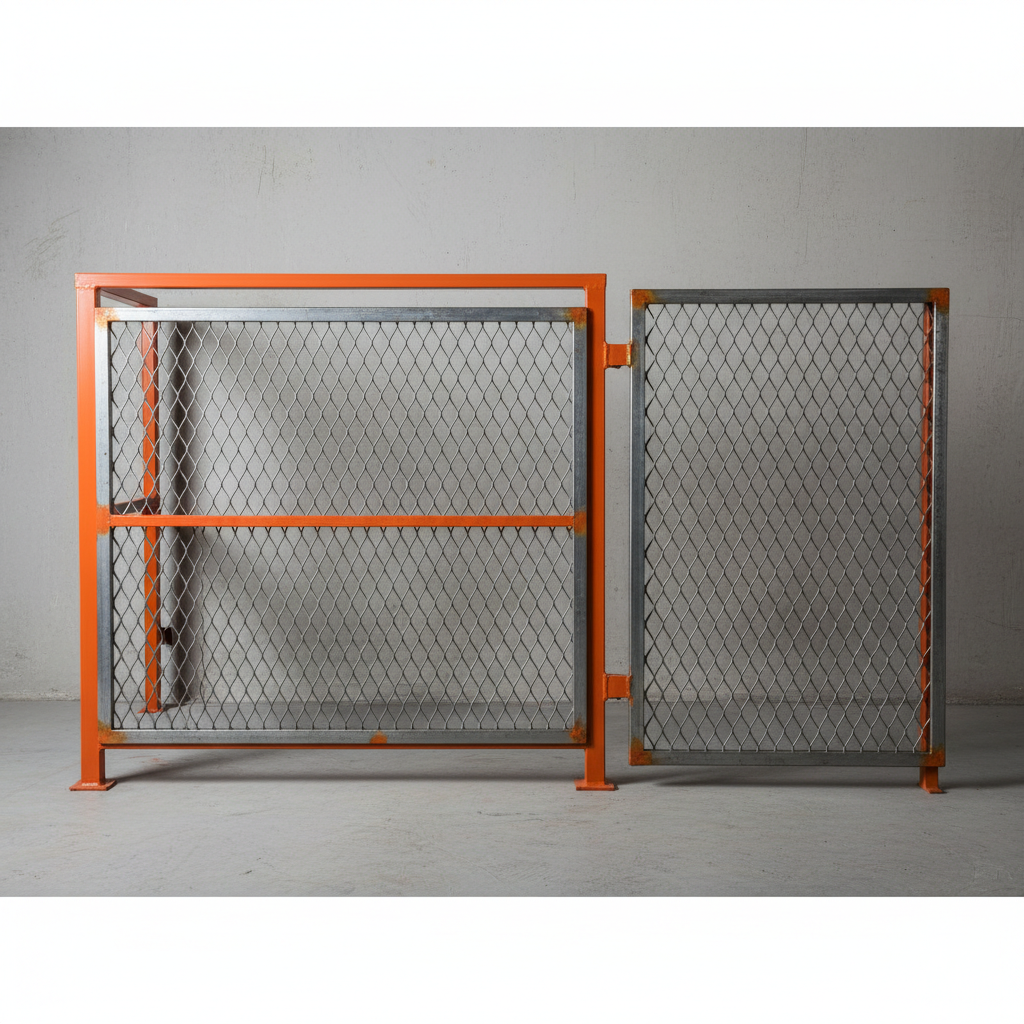
Simply put, a chain wire mesh is an interconnected network of metal wires that form a pattern — often diamond-shaped — by twisting or weaving. It’s sometimes called chain link fencing, but today’s variations go well beyond residential fences.
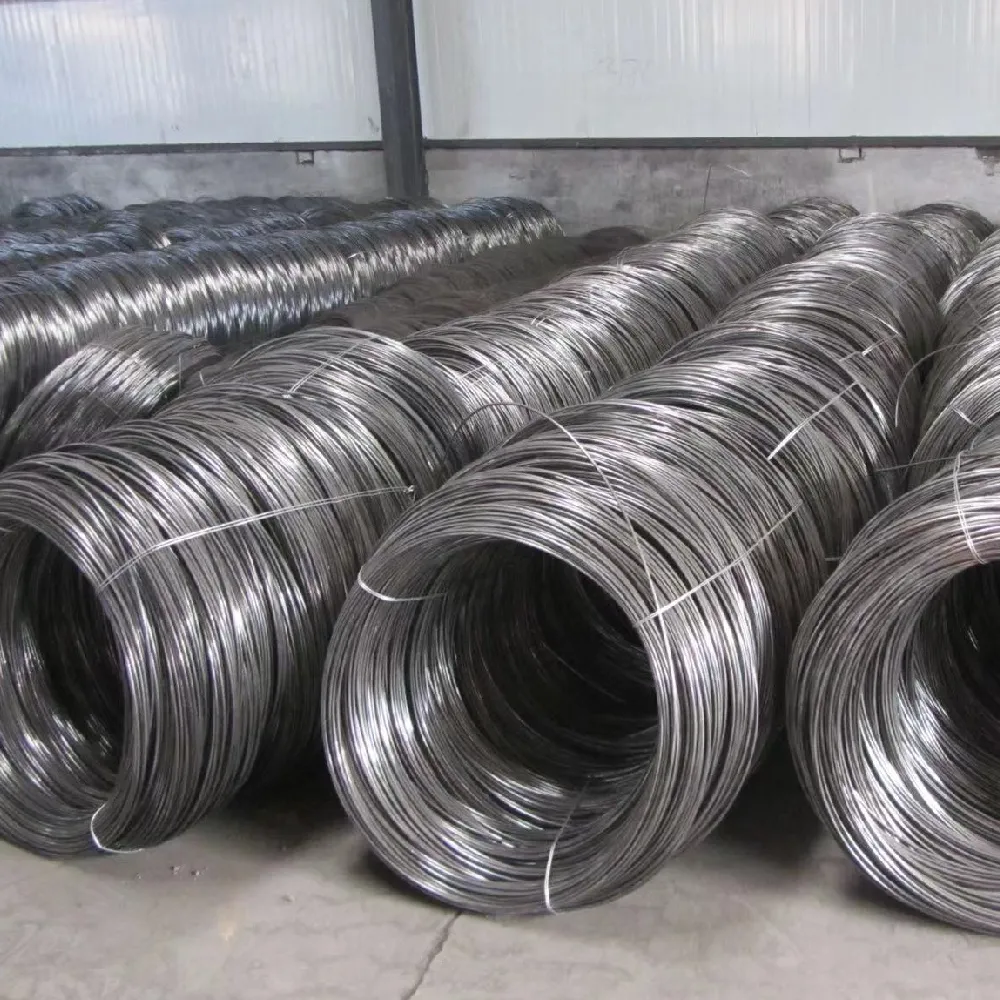
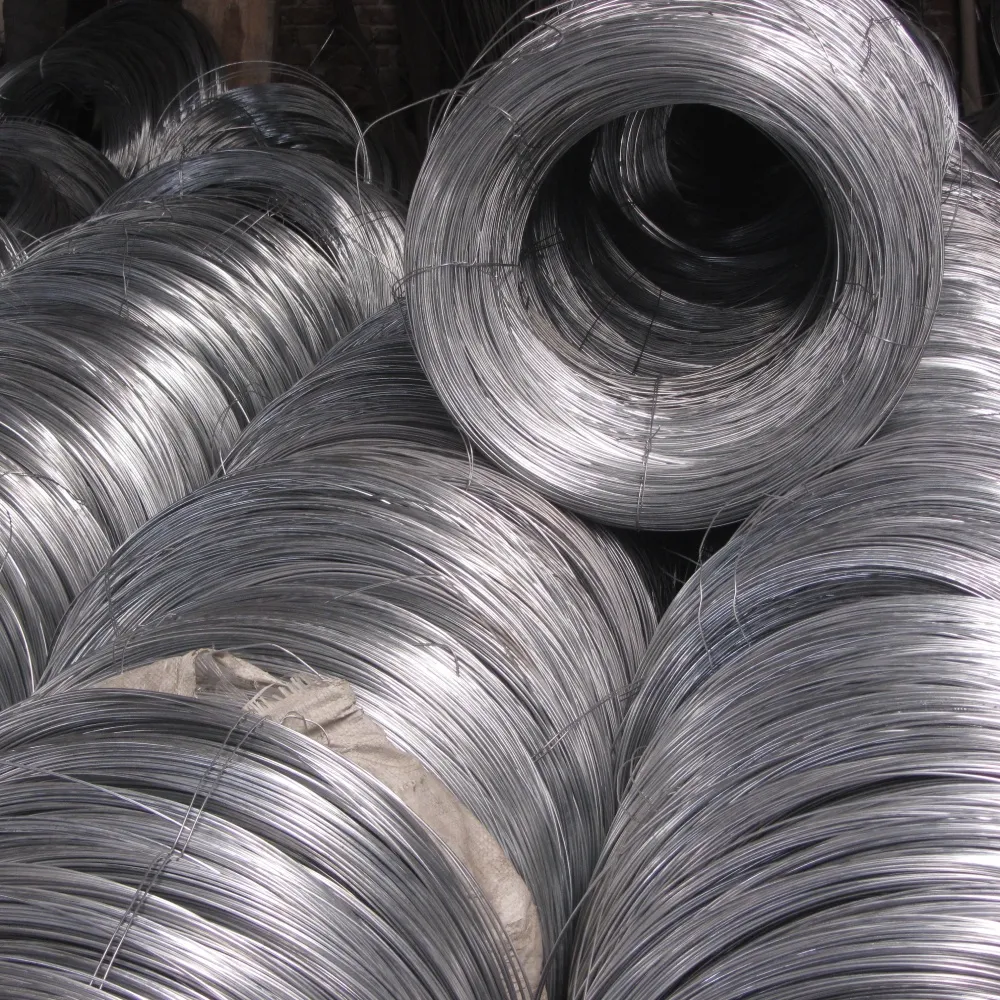
Technically, it consists of galvanized or stainless steel wires wound together, creating a resilient, semi-flexible sheet or panel. Its strength-to-weight ratio and adaptability make it a staple in industrial filters, protective guards, and even animal enclosures.
The cool part: It’s not just raw metal. Coatings, special alloys, and custom sizes help meet industry-specific needs, from agriculture to military. It’s one of those materials that’s been quietly tested and tweaked over decades to remain indispensable across sectors.
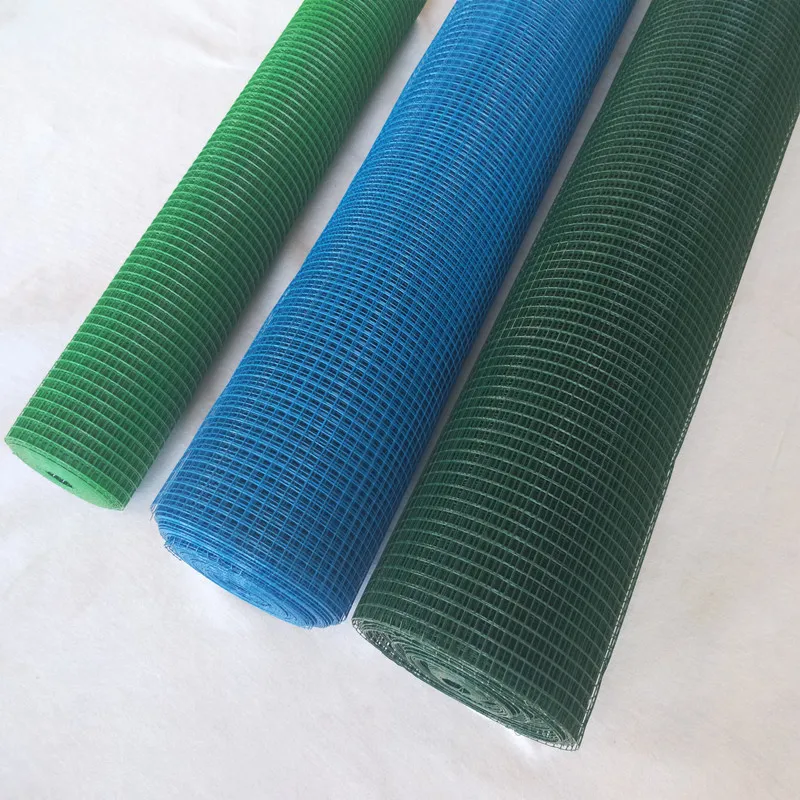
When exposed to weather, repeated physical stress, or corrosive environments, most metals degrade. Chain wire mesh manufactured with galvanized steel or PVC-coated wires can resist rust, UV rays, and abrasion for years. This protective aspect is crucial where maintenance is tricky or costly.
Whether you need a small enclosure for pets or an extensive security barrier covering kilometers, chain wire mesh adapts in length, height, and thickness. A few engineers I spoke with say the “chain” design’s natural flex absorbs impacts better than rigid panels.
Unlike solid metal sheets, chain wire mesh uses less material for the same coverage area, cutting costs without compromising strength. Plus, installation is typically faster, saving labor expenses.
Many manufacturers increasingly use recycled metals or environmentally friendlier coatings. Plus, chain wire mesh is fully recyclable, which is a big plus in circular economy thinking.
One advantage many don't realize is how little upkeep chain wire mesh demands. Unlike wooden or fabric barriers, it doesn’t rot, warp, or tear, meaning fewer replacements and less waste.
You’ll find chain wire mesh in places you might not expect.
For example, in Southeast Asia, rapid industrial growth has skyrocketed demand for chain wire mesh for factories and transport hubs. Meanwhile, in Europe, sustainability-driven standards have pushed manufacturers to innovate coatings and production methods.
| Specification | Typical Values | Notes |
|---|---|---|
| Material | Galvanized steel, Stainless steel, PVC coated steel | Varies by use case and environment |
| Wire Diameter | 2.5 mm - 4.5 mm | Thicker wire for heavy security needs |
| Mesh Size | 25 mm - 100 mm diamond pattern | Custom sizes available |
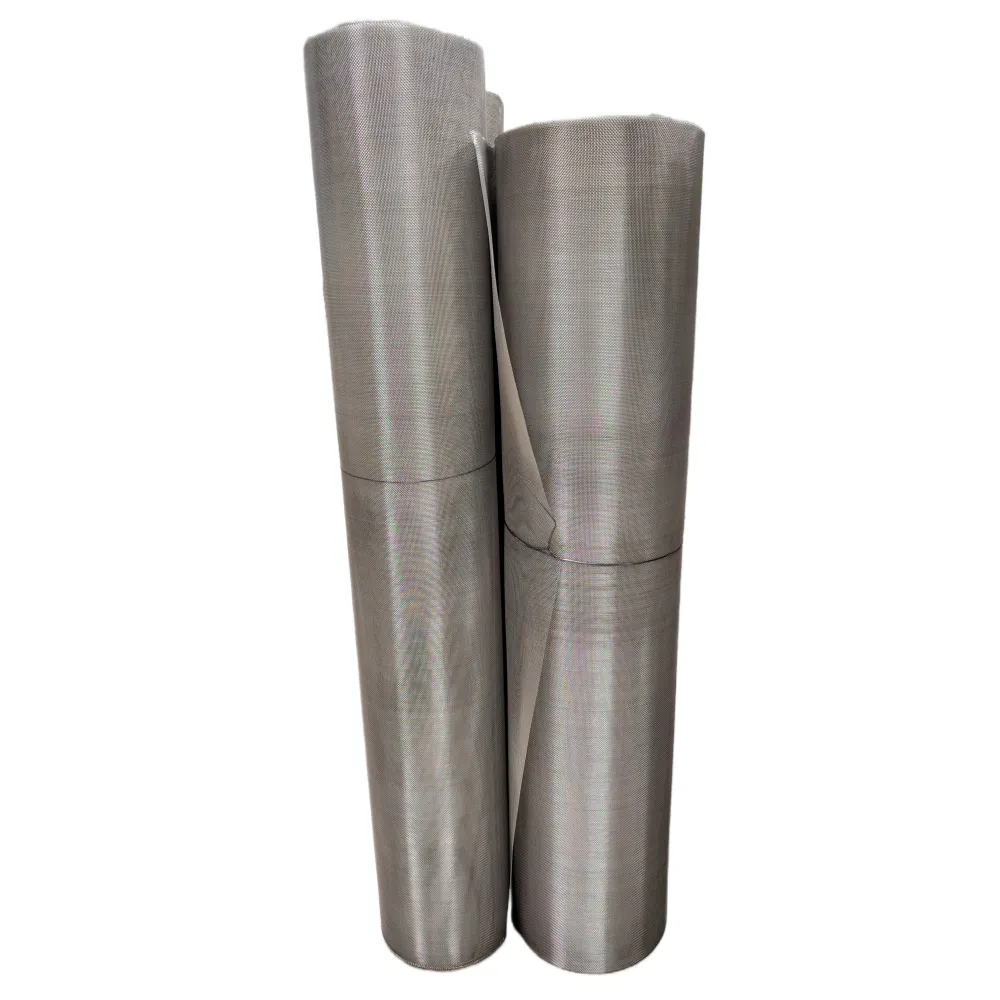
| Panel Dimensions | Height: 1m - 3m; Length: up to 50m rolls | Rolls make transportation easier |
| Coating | Zinc galvanization, PVC, PE | Protects against corrosion and UV |
| Vendor | Material Quality | Customization Options | Lead Time | Sustainability Practices |
|---|---|---|---|---|
| Tike Metal | High-grade galvanized & stainless steel | Wide range, including PVC coating | 4-6 weeks | Recycling & low-impact production |
| SteelMesh Inc. | Standard galvanized wire | Limited | 6-8 weeks | Moderate |
| EcoWire Solutions | Recycled metals, eco-friendly coatings | Some customization | 5-7 weeks | High, focused on sustainability |
Oddly enough, even something as traditionally simple as wire mesh is evolving fast. Several trends are pushing the envelope:
These future-forward improvements mean chain wire mesh won’t just be a staple — it will be smarter, greener, and faster to deploy.
Of course, no material is perfect. Chain wire mesh must balance cost with durability, and some environments (saltwater coasts, chemical plants) test metals relentlessly. There are also concerns about initial installation safety and vandalism resistance.
Innovations like advanced coating recipes, hybrid materials that blend metal with polymer fibers, and modular designs for quick repairs are all current solutions. Plus, collaborative international standards (ISO 9001, for example) help keep quality in check.
Chain wire mesh isn’t just “mesh.” It’s a quietly versatile, cost-effective, and sustainable player in industries around the globe. From safeguarding construction sites to enabling complex filtration systems, its importance will only grow as we demand more resilient and eco-friendly materials.
If you’re looking for quality chain wire mesh tailored to your project, visit Tike Metal and explore their offerings. Sometimes, the best solutions are hiding in plain sight, woven into everything around us.
RELATED PRODUCTS





Top