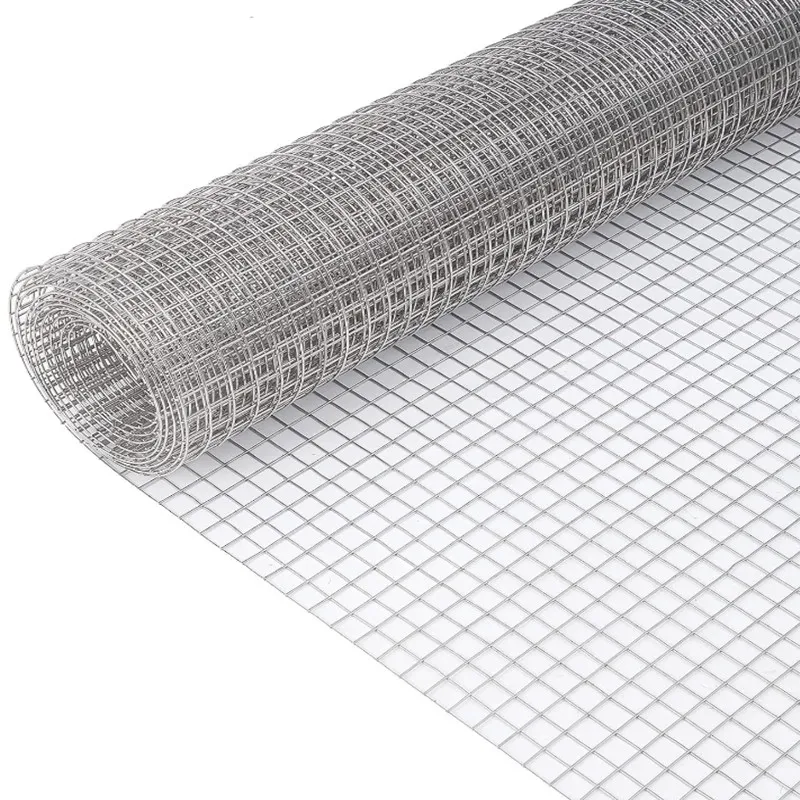
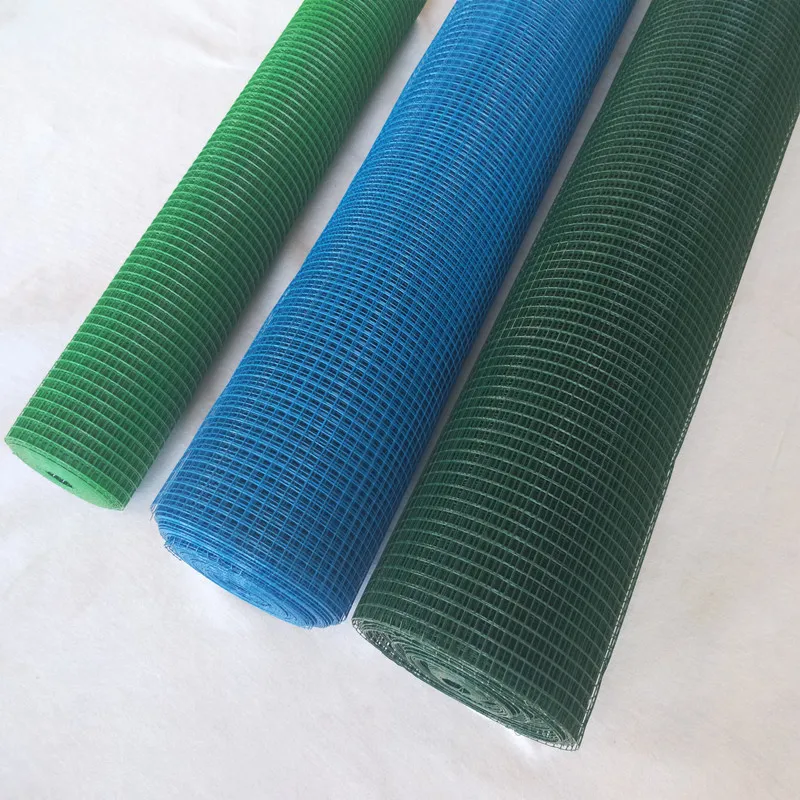
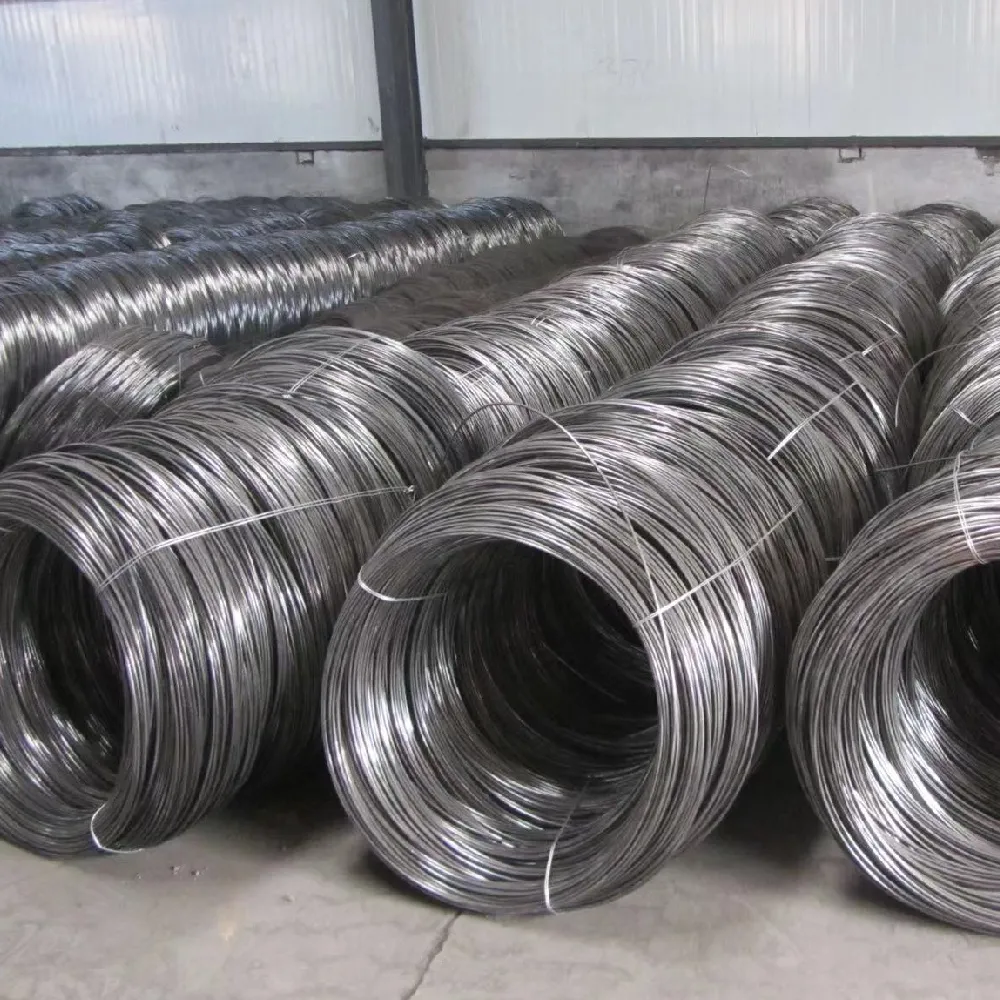
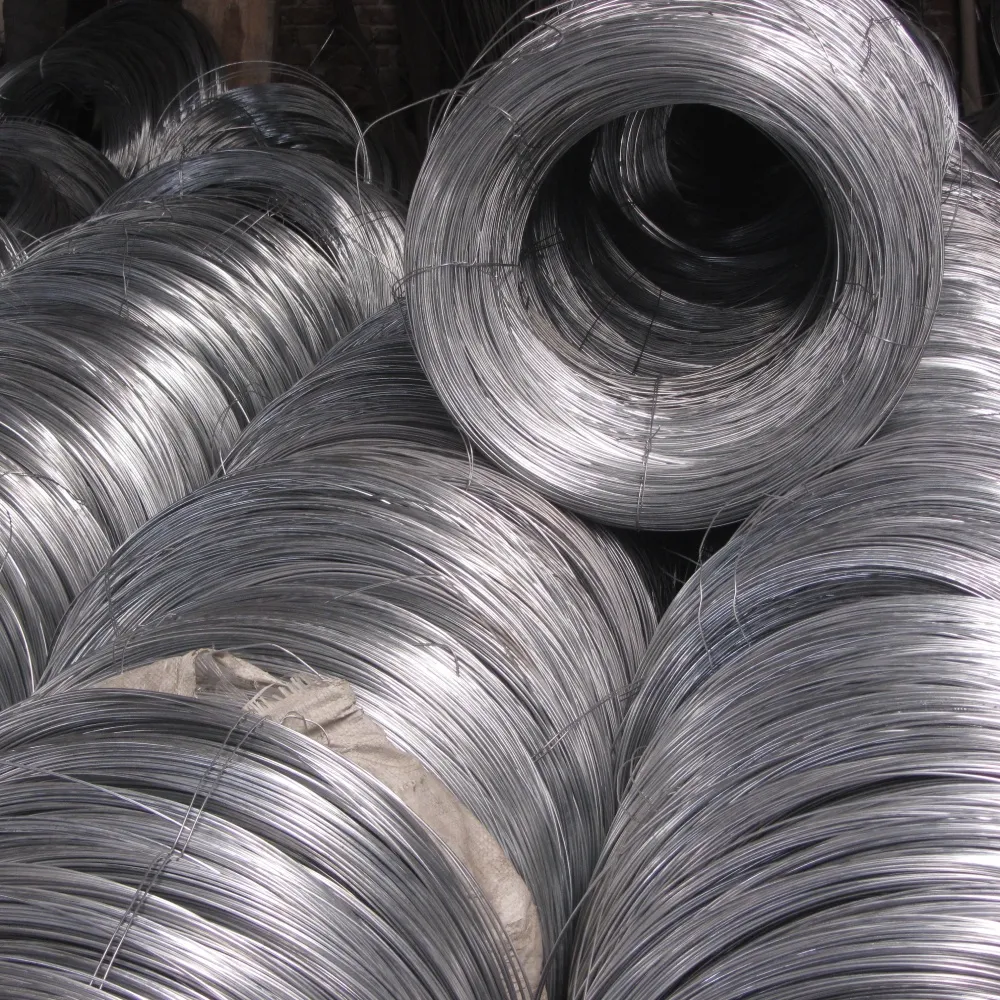
If you've ever strolled past a sports field, a construction site, or even a residential backyard, chances are you’ve eyeballed galvanized chain link fencing without realizing the engineering and global significance behind it. Galvanized chain link is essentially steel wire coated with zinc to prevent rust and corrosion. That simple zinc layer transforms ordinary steel into a durable, weather-resistant product that’s pivotal across industries and borders worldwide.
Why does this matter globally? Smarter, tougher fencing supports everything from securing critical infrastructure, safeguarding communities, to aiding in humanitarian efforts like refugee camps and disaster relief zones. Understanding galvanized chain links helps governments, businesses, and NGOs balance cost, durability, and rapid deployment. Plus, it’s not just fencing; it’s a material that reflects innovation in corrosion resistance and sustainability these days.
The global market for galvanized chain link fencing has been expanding steadily — driven by urbanization, industrial growth, and growing demand for secure boundaries worldwide. For instance, according to recent World Bank data, over 55% of the world's population lives in urban settings today, pushing cities to install reliable fencing solutions to protect public spaces and utilities.
But here’s a problem: many developing regions struggle with fencing materials that quickly degrade in harsh climates. Galvanized chain link addresses this, offering a rust-resistant, affordable alternative to expensive stainless steel fences.
This kind of fencing isn’t just confined to cities, either — humanitarian organizations use it in sprawling refugee camps and post-disaster zones for safety and shelter establishment. So the rusty old fence you pass by? It might just be part of a complex global effort to enhance safety and dignity.
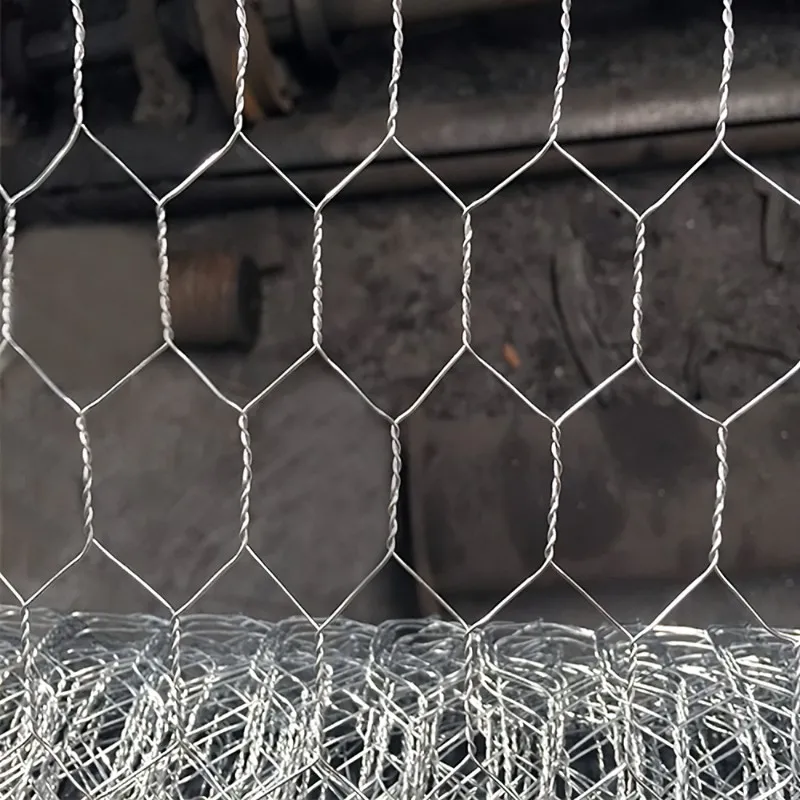
Put simply, galvanized chain link is a woven mesh made from steel wire that’s dipped or coated with zinc, which acts as a protective barrier to prevent rust. Think of it as giving the wire a lightweight suit of armor that extends the life of the product significantly. You’ll find galvanized chain links in everything from residential fencing to industrial perimeter security to sports arenas.
In modern industry and humanitarian use, it’s prized for its balance of strength, affordability, and ease of installation. Plus, it can be pre-fabricated into panels or rolled into massive spools for quick deployment.
Zinc galvanization protects steel from rust and environmental damage, especially in humid or coastal conditions. This durability means fewer replacements, less maintenance, and overall longer service life — important if you’re securing something for decades.
Galvanized chain link strikes an excellent balance between upfront costs and longevity. Unlike stainless steel, it’s much more affordable but retains corrosion resistance properties that outlast untreated steel by years.
Because galvanized chain link can be supplied in rolls, fencing can be installed quickly across various terrains without heavy machinery. This feature is priceless in emergency situations where rapid setup matters.
From agriculture and sports fields to prisons and power stations, galvanized chain links adapt to varied requirements. Plus, the mesh size and wire thickness can be customized to control visibility, security, or airflow.
The zinc coating prevents oxidation even when scratched or bent, unlike paint coatings that peel off. This property ensures the fence performs reliably in salty air, rain, and fluctuating temperatures.
| Specification | Details |
|---|---|
| Wire Gauge (Thickness) | 9-12 gauge (approx. 2.1 – 3.7 mm) |
| Mesh Size | 1.5" to 2" diamond-shaped apertures |
| Coating Thickness | 50-85 microns of zinc |
| Roll Length | 25-50 meters |
| Height Options | 0.9 to 3 meters typical |
| Material | Low-carbon steel wire with zinc coating |
Galvanized chain link fencing is kind of everywhere — from the massive agricultural farms across North America to high-security zones in the Middle East. For instance, in Australia’s remote mining sites, it not only provides security against unauthorized access but also withstands intense winds and dust storms because of its durability.
Oddly enough, NGOs in East Africa rely heavily on galvanized fencing in refugee camps, where fencing helps delineate safe zones and keep wildlife away, protecting human life and dignity.
Many governments also use this fencing around airports, prisons, and transport hubs — places where both security and longevity matter.
| Vendor | Coating Thickness (microns) | Customization Options | Price Range | Global Shipping |
|---|---|---|---|---|
| Tike Metal | 50-85 | Custom mesh sizes & roll lengths | Moderate | Yes |
| Global Fence Co. | 60-80 | Standard sizes only | Low | Limited |
| EcoSteel Mesh | 85+ | High customization, green coatings | Premium | Yes |
Choosing galvanized fencing isn’t just a dollar decision. It’s about reliability, safety, and longevity. Many engineers say these fences maintain integrity even after decades, preserving the safety of people and assets. For families living near industrial areas or wildlife reserves, this can mean peace of mind and dignity.
From a sustainability standpoint, zinc galvanization extends the fence’s life, reducing waste and demand for replacements. Emotionally, it builds trust — you know if the fence is galvanized, it’s likely to hold up in unpredictable weather and even in tough social environments.
The fencing industry is quietly innovating: greener zinc coatings with less environmental footprint, digital tracking for inventory and quality, and hybrid fences combining galvanized wire with smart sensors for security. Automation in factories means quicker customization to meet regional requirements — a big deal if you need fencing shipped across continents without stock shortages.
Moreover, as sustainability becomes non-negotiable, zinc recycling and eco-friendly coatings will become mainstream. This makes the humble galvanized chain link even more relevant for the decades ahead.
Of course, galvanized chain link isn’t a one-size-fits-all solution. The zinc layer can wear over very long periods, especially in chemically aggressive environments. Some fences show white rust if stored improperly before installation — a cosmetic problem but a concern for buyers.
Solutions? Improving storage practices, using polymer-coated galvanized wire in harsh settings, and regular maintenance help stretch lifespan. Also, some providers now pre-cut panels or pre-tension rolls to ensure easier and safer installation — a small, but smart, innovation.
A: With proper installation and maintenance, galvanized chain link fences can last 15-25 years, sometimes longer depending on climate and usage.
A: Yes, the zinc coating protects against salty air corrosion, though additional polymer coatings can enhance durability even more in these harsh environments.
A: Absolutely. Both steel and zinc are recyclable, making galvanized chain link fencing a sustainable choice if dismantled properly at end-of-life.
A: Installation speed depends on site size and prep, but rolls of galvanized chain link can be deployed within hours in many cases — ideal for emergency use or quick jobs.
A: Vendors like Tike Metal offer customizable galvanized fencing with global logistics support, suitable for most international projects.
To sum it up, galvanized chain link fencing might seem like a straightforward product, but its impact stretches from local parks to international safety zones and industrial frontiers. Its blend of cost efficiency, durability, and adaptability ensures it remains a global solution to a surprisingly wide range of challenges.
Next time you see a galvanized fence, maybe think of it as a silent guardian — shielded by zinc, ready to battle weather and time with quiet resilience.
If this has sparked your interest or if you’re looking for tailored fencing options, visit our website to explore the latest galvanized chain link products and solutions.
RELATED PRODUCTS





Top