At its core, a slatted chain link fence is much more than just metal wires woven together — it’s a smart, practical solution to address privacy, security, and durability across countless settings worldwide. Think about it: fences often carry the visual and symbolic weight of safety and boundary, but without slats, chain link fences are see-through, sometimes lacking in privacy or environmental protection. By popping in these slats, the fences gain strength, visual appeal, and functional versatility.
Worldwide, the demand for better boundary solutions is rising—from urban areas crowded with residences to industrial zones requiring safety compliance, even humanitarian relief camps needing rapid yet reliable fencing. According to the United Nations, infrastructure improvements, including secure perimeter solutions, contribute directly to community resilience and social stability (1). Slatted chain link fences will keep popping up—literally and figuratively—as a go-to choice in these arenas.
Chain link fences have been around for over a century, but their efficiency and popularity have surged as industries and municipalities worldwide seek flexible perimeter security that balances cost and function. The International Standards Organization (ISO) notes the importance of modular, scalable fencing systems in creating sustainable, safe environments (2).
In many regions—including North America, Europe, and parts of Asia-Pacific—urbanization has sprawling upward and outward, making quick, durable fencing solutions essential for everything from schoolyards to utilities management. In developing countries, slatted fencing provides an affordable way to shield communities from street noise and prying eyes while still ensuring airflow and durability in humid climates.
But here’s the kicker: traditional chain link fences alone aren’t quite cutting it for these growing demands. They need to evolve to address climate, aesthetics, and socio-economic considerations simultaneously. Slatted chain link fences offer a timely answer.
Put simply, a slatted chain link fence is a traditional galvanized steel chain link fence into which vertical or diagonal plastic or metal slats are inserted. These slats can vary in color, thickness, and material based on the application, from high-impact polyethylene to UV-resistant PVC. This simple addition transforms the fence’s performance:
In industrial and humanitarian sectors, this design supports fast installation and easy customization, which are crucial in ever-changing environments — like construction zones or temporary relief camps where fences need to adapt quickly.
Most fences face harsh weather—rain, UV, frost—and tough usage scenarios. Steel chain link bases are galvanized to resist rust, and slats are typically made from UV-stabilized plastic that doesn’t crack or fade easily. This synergy addresses longevity.
You can pick the density and pattern of slats to adjust how much can be seen through—the perfect balance for urban homes, schools, or storage yards.
Slatted fencing is often cheaper than full solid fences like wood or masonry but delivers many of their benefits (privacy, wind shielding). Installation is usually faster too, reducing labor costs.
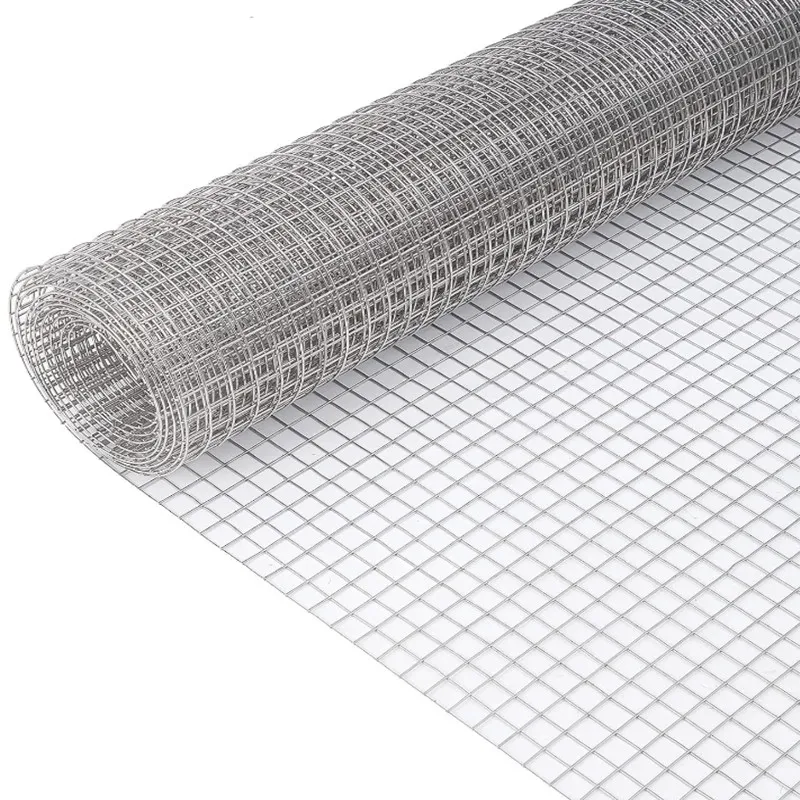
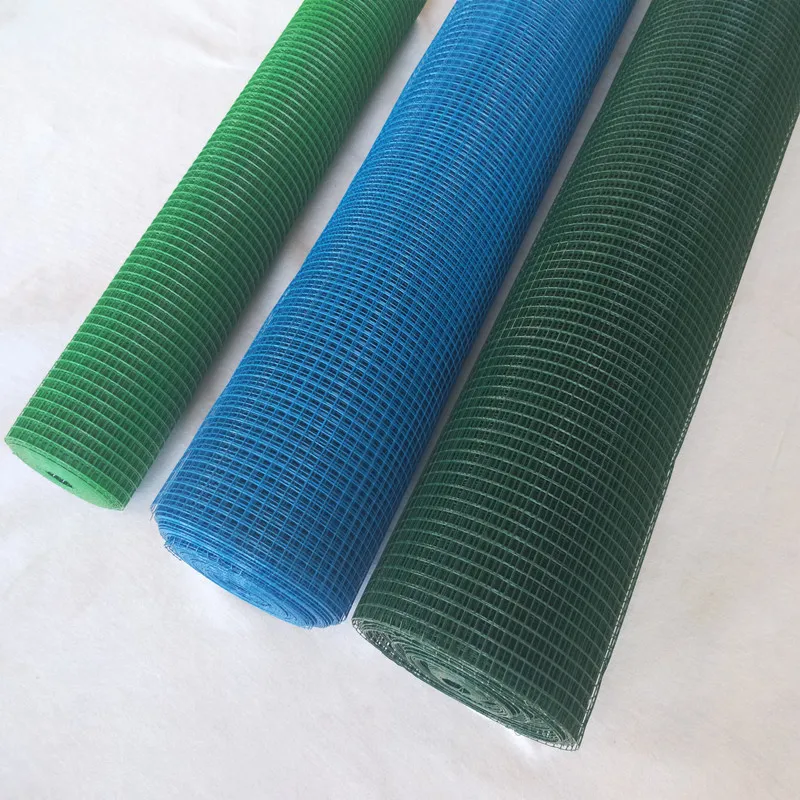
Chain link mesh comes in rolls or panels, and slats can be inserted on-site easily. This modular character makes repairs straightforward and allows sections to be adapted or replaced individually.
Using recyclable materials for slats and steel, and reducing dependency on paint or wood treatments, aligns with green building standards increasingly demanded by ISO and LEED certifications.
Curiously, slatted chain link fences have found homes in places as diverse as:
For example, in post-disaster zones, NGOs are choosing slatted fences accompanied by slatted chain link fence materials for quick boundary setup that is more humane than typical wire-only barriers.
Frankly, it feels like a solution that respects both budgets and expectations — blending logical choices with emotional peace of mind.
| Feature | Specification | Notes |
|---|---|---|
| Mesh type | Standard 9-gauge galvanized wire | Meets ASTM A392 |
| Slat Material | UV Stabilized Polypropylene (PP) or PVC | Color options available |
| Slat Width | 1.5 to 3 cm | Varies by privacy level |
| Fence Height | 1.2 m to 3 m (customizable) | Tailored to application |
| Wind Resistance | Up to 40 mph without damage | Enhanced with slats |
| Installation Time | ~4 hours per 50 linear meters | Depends on terrain and labor |
| Feature | Tike Metal | FenceCo | SafeGuard Fencing |
|---|---|---|---|
| Customization Options | Extensive color & size range | Limited colors, standard sizes | Moderate options |
| Material Quality | Premium UV-resistant polypropylene | Standard polypropylene | Polymer blends with moderate UV resistance |
| Lead Time | 2-3 weeks bulk orders | 4-6 weeks | 3-4 weeks |
| Installation Support | Technical guides & onsite consults | Online manuals only | Limited phone support |
| Warranty | 5 years full coverage | 3 years on materials | 2 years standard |
The fencing industry, especially slatted fencing, is quietly evolving with some cool innovations. For instance:
As digital transformation touches nearly all industries, even fencing is becoming smarter, safer, and greener.
It’s not all sunshine and rainbows. Even good fences have their challenges:
Solutions? Many engineers recommend using corrosion-resistant steel posts with deep concrete footings, selecting premium UV-stabilized polypropylene slats (like those offered by Tike Metal), and comprehensive training for installation teams.
To sum up, slatted chain link fences are practical, adaptable, and cost-efficient options that respond to diverse global needs—from busy urban developments to emergency relief zones. Their blend of privacy, protection, and simplicity makes them a go-to for many industries and communities.
If you’re exploring fencing options that balance quality with budget, durability with aesthetics, slatted chain link fence products from reputable vendors like Tike Metal should definitely be on your radar. After all, fences are often the unsung heroes of everyday security and peace of mind.
Why not see what’s available? A few clicks could mean a lifetime of better boundary solutions.
RELATED PRODUCTS





Top