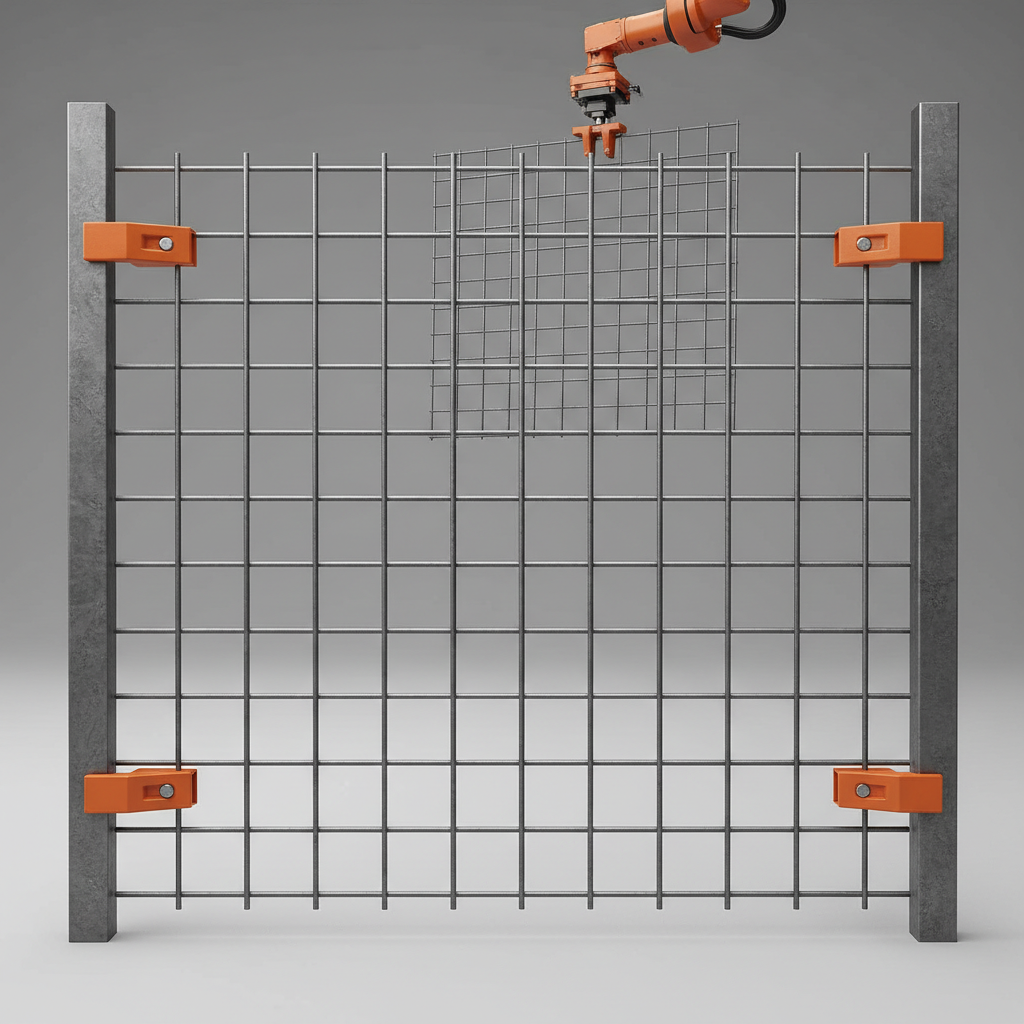
Strong wire fencing plays a critical role in a multitude of applications globally, from securing perimeters and protecting infrastructure to facilitating rapid deployment in disaster relief scenarios. Its robust nature and adaptability make it a versatile solution for diverse challenges, especially in areas requiring dependable security and containment. Understanding the nuances of strong wire fencing—its materials, construction, and optimal implementation—is vital for organizations and individuals seeking reliable and cost-effective solutions.
The demand for strong wire fencing is steadily increasing due to rising security concerns, infrastructure development in emerging economies, and the growing need for efficient solutions in humanitarian aid. According to the UN Refugee Agency (UNHCR), providing safe and secure shelter is a paramount concern in displacement crises, where fencing materials, including strong wire options, are essential for creating protected camps and facilities. This highlights the global significance of accessible and reliable fencing solutions.
Beyond security, strong wire fencing contributes to agricultural protection, livestock management, and even ecological conservation. Its affordability and ease of installation, combined with its resilience, make it a particularly attractive option for projects in resource-constrained environments. Furthermore, advancements in materials and manufacturing processes are continually enhancing the performance and sustainability of strong wire fencing solutions.

Strong wire fencing is more than simply a barrier; it's a foundational element in security, containment, and protection across a vast spectrum of applications. Its versatility makes it a preferred choice for securing borders, protecting critical infrastructure, and establishing safe zones in emergency situations. The inherent strength and durability of carefully selected materials ensure longevity and reliability even in harsh environments.
The effectiveness of strong wire fencing rests on a combination of material science, engineering design, and precise installation techniques. Advances in galvanization, polymer coatings, and wire weaving patterns continually improve resistance to corrosion, wear, and intrusion, solidifying its position as a leading perimeter security solution. Choosing the right type of strong wire fencing requires careful consideration of the specific application and environmental factors.
The lifespan of strong wire fencing varies depending on the materials used and the environmental conditions. However, with proper galvanization or polymer coating and regular maintenance, a well-installed strong wire fence can easily last 15-20 years or even longer. Factors like exposure to salt spray, industrial pollution, and extreme temperatures can accelerate corrosion and reduce lifespan. Regular inspections and prompt repairs are crucial for maximizing longevity.
Preventing corrosion is paramount for the longevity of strong wire fencing. Galvanization, applying a zinc coating to the wire, is a highly effective method. Polymer coatings, such as PVC or polyethylene, provide an additional layer of protection. Choosing stainless steel wire for highly corrosive environments is also an option. Proper grounding can also minimize galvanic corrosion. Regular cleaning and maintenance, including removing debris and applying protective coatings, are essential for preventing corrosion.
Wire gauge, measured in numbers, directly correlates with wire thickness – lower numbers indicate thicker wire. Thicker wire provides greater tensile strength and resistance to cutting or breaking, significantly enhancing security. For high-security applications, a lower gauge (e.g., 11-12 gauge) is recommended. For less critical applications, a higher gauge (e.g., 14-16 gauge) may suffice. Considering the potential threats and required level of security is key to selecting the appropriate wire gauge for your strong wire fencing.
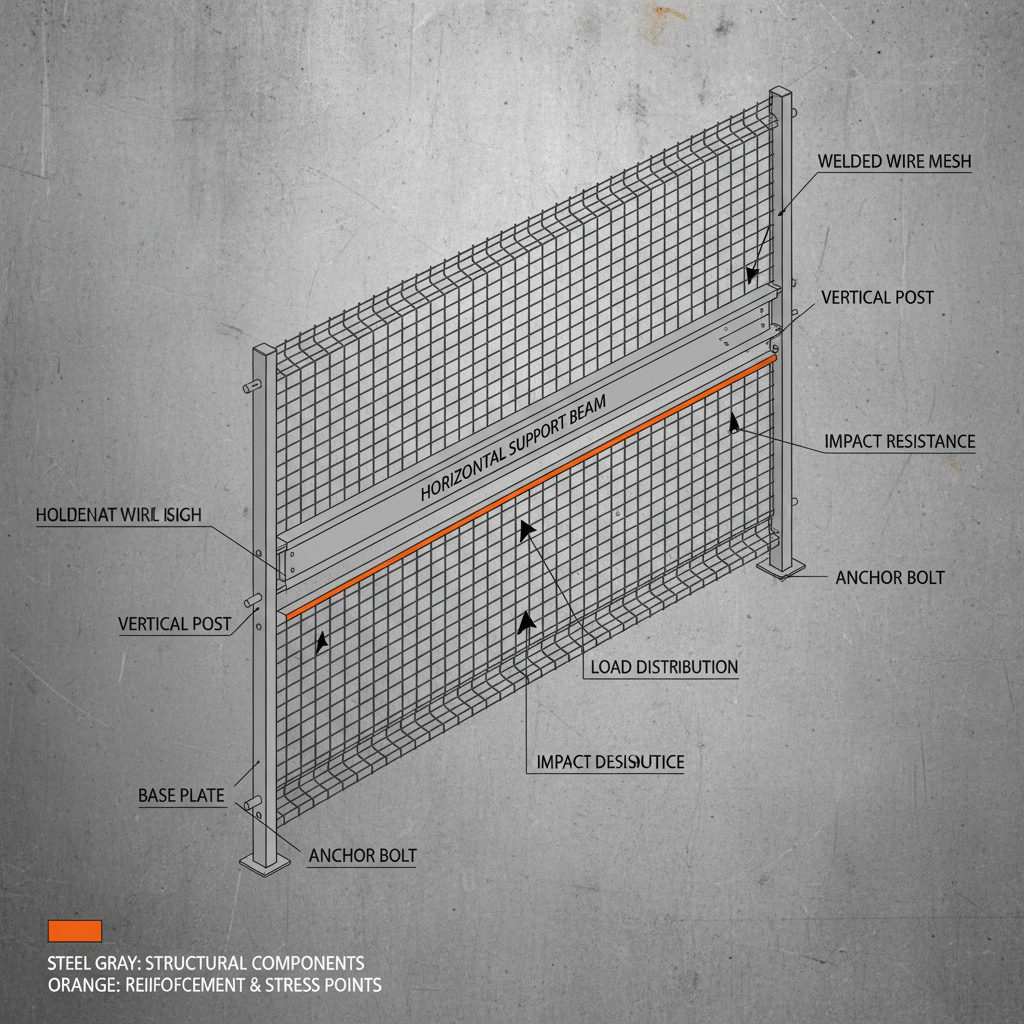
Woven wire fencing, created by interweaving wires, offers greater flexibility and distributes stress more evenly, making it more resistant to tearing. Welded wire fencing, formed by welding wires together, provides a more rigid structure with consistent openings. Welded wire is generally stronger for its weight but can be more prone to localized failure if a weld breaks. The best choice depends on the application; woven wire is suitable for applications requiring flexibility and impact resistance, while welded wire excels in rigidity and containment.
The ideal post material depends on the specific application and environmental factors. Steel posts offer superior strength and durability, making them suitable for high-security applications. Wooden posts are more cost-effective but require regular maintenance to prevent rot and decay. Concrete posts provide excellent stability but are less flexible. The depth of post installation is also critical, with deeper posts providing greater resistance to wind and impact loads. Proper post spacing and bracing are essential for ensuring structural integrity.
Yes, strong wire fencing can be used in environmentally sensitive areas with careful planning and material selection. Choosing galvanized or polymer-coated wire minimizes corrosion and prevents the release of harmful chemicals into the environment. Avoiding barbed wire or razor wire can reduce the risk of injury to wildlife. Utilizing recycled materials and biodegradable posts can further minimize environmental impact. Adhering to local regulations and best practices for environmental protection is essential.
Strong wire fencing represents a versatile, cost-effective, and reliable solution for a diverse range of security, containment, and protection applications worldwide. From securing critical infrastructure to providing safe havens in disaster relief scenarios, its inherent strength, durability, and adaptability make it an invaluable asset. Understanding the core components, performance indicators, and future trends associated with strong wire fencing empowers informed decision-making and optimized implementation.
Investing in high-quality materials, adhering to best practices for installation and maintenance, and embracing innovative technologies will unlock the full potential of strong wire fencing, ensuring long-term value and enhanced security. Visit our website at www.tikemetal.com to explore our comprehensive range of strong wire fencing solutions and discover how we can meet your specific needs.






Top