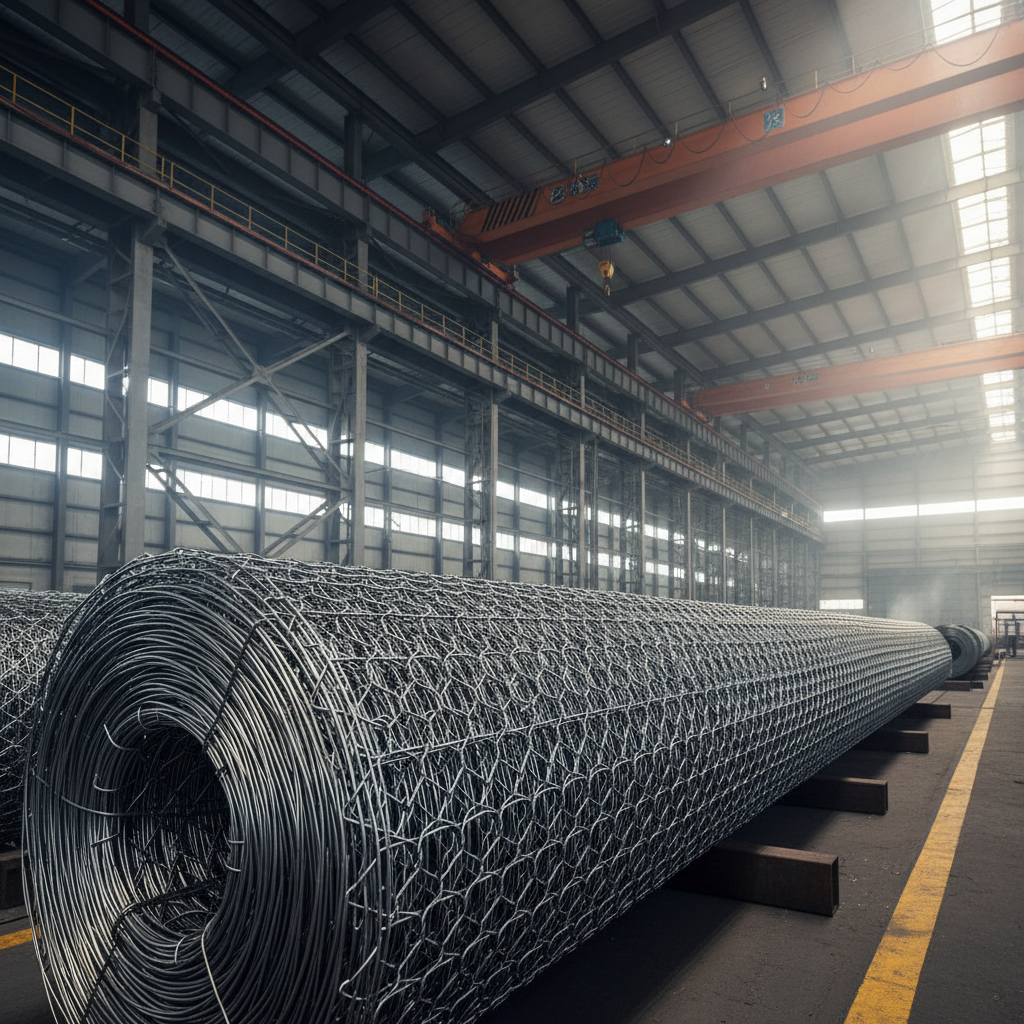
The global demand for secure perimeter solutions has led to a significant evolution in the role of welded wire fence manufacturers. By utilizing advanced resistance welding technology, these manufacturers create rigid, high-strength barriers that far surpass traditional woven fences in terms of stability and security. In an era where infrastructure protection is paramount, understanding the technical nuances of welded wire systems is essential for architects, security consultants, and industrial developers.
From the perspective of global urban development, the reliance on professional welded wire fence manufacturers has grown as cities expand and critical infrastructure—such as power plants, airports, and water treatment facilities—requires standardized, long-lasting protection. These systems provide a unique balance between visibility and impenetrability, ensuring that safety does not come at the cost of aesthetic integration or environmental awareness.
Ultimately, selecting the right partner among various welded wire fence manufacturers determines the operational lifespan of a project. Factors such as coating quality, weld integrity, and gauge precision are not mere technicalities; they are the difference between a fence that lasts a decade and one that fails within a few years due to corrosion or structural fatigue.
Global Relevance of Welded Wire Fence Manufacturers
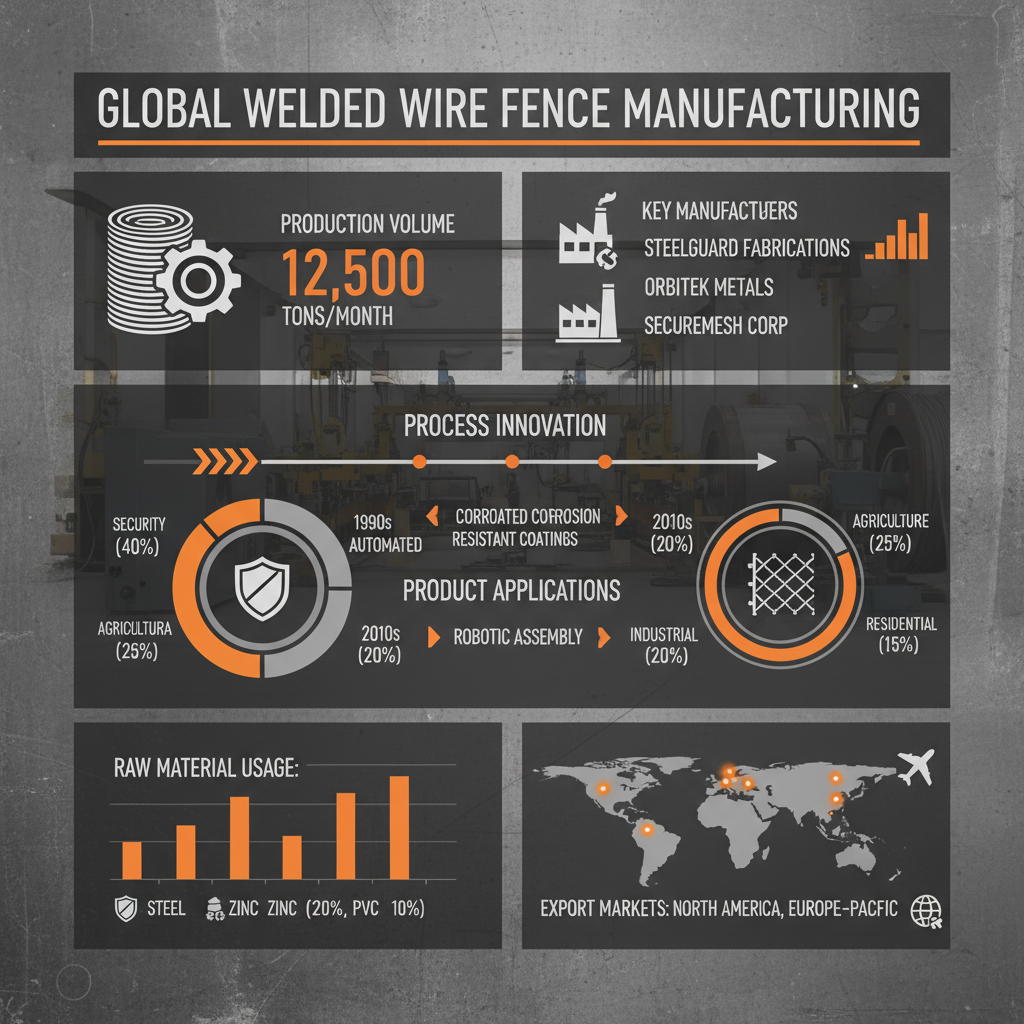
On a global scale, welded wire fence manufacturers operate within a complex network of international standards, such as ISO and ASTM, to ensure that safety barriers can withstand diverse climatic conditions. From the humid coastlines of Southeast Asia to the arid plains of Africa, the ability to produce corrosion-resistant, structurally sound mesh is a critical industrial capability. Data from global infrastructure reports indicate a steady increase in the adoption of welded systems over woven ones due to their superior resistance to sagging and impact.
The primary challenge addressed by these manufacturers is the tension between cost-efficiency and extreme durability. In many developing regions, the lack of standardized fencing leads to frequent replacements and security breaches. By implementing automated welding lines and precision galvanization, leading manufacturers are providing scalable solutions that protect high-value assets while reducing the total cost of ownership through extended maintenance intervals.
Defining Standards in Wire Fence Production
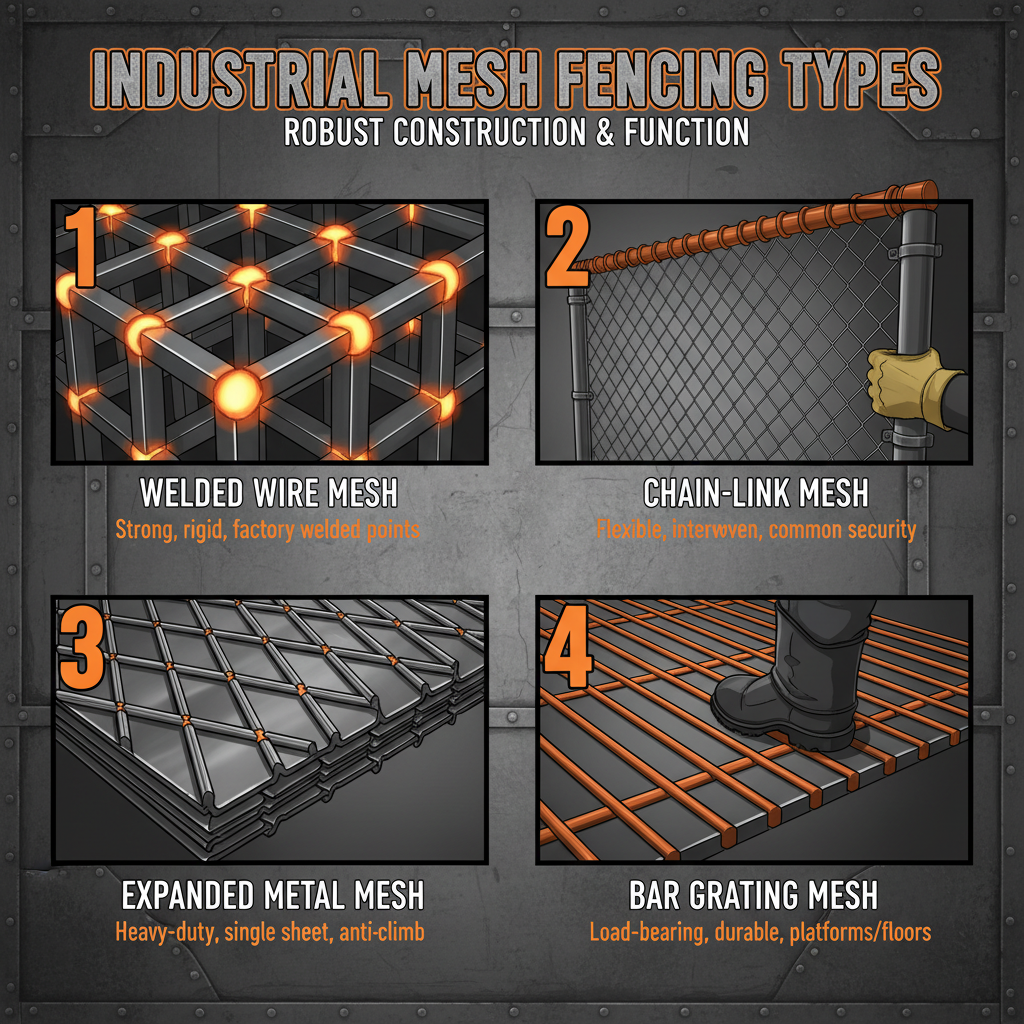
At its core, the work of welded wire fence manufacturers involves the fusion of longitudinal and transverse steel wires using electrical resistance welding. Unlike woven mesh, where wires are interlaced, welded mesh is fused at every intersection, creating a rigid grid that maintains its shape under pressure. This structural integrity is what makes welded wire fencing the gold standard for security-sensitive environments.
This industrial process is deeply connected to modern humanitarian and safety needs. For instance, the creation of secure enclosures for livestock, the partitioning of industrial zones, and the construction of protective barriers for public utilities all rely on the precision of the weld. A failure at a single joint can compromise the entire perimeter, which is why the certification of the manufacturing process is just as important as the material itself.
Modern production now integrates a variety of specialized products, ranging from 358 Anti Climb Fences to heavy-duty Gabion boxes. By diversifying their output, welded wire fence manufacturers can provide a holistic security ecosystem where different fence types are layered to create a "defense-in-depth" strategy, ensuring that no single point of failure exists in a facility's security perimeter.
Core Components of High-Quality Welded Fencing
Durability is the foremost metric for evaluating welded wire fence manufacturers. This is achieved through a combination of wire gauge selection and the application of protective coatings. Hot-dipped galvanization, for example, creates a metallurgical bond between the zinc and the steel, providing a sacrificial layer that prevents rust even in saline environments.
Scalability and versatility are also critical. Professional manufacturers offer a wide array of mesh sizes and wire diameters, allowing the fence to be tailored to specific needs—whether it is a lightweight poultry cage or a high-security industrial barrier. The ability to maintain tight tolerances across thousands of meters of fencing is a hallmark of a sophisticated production line.
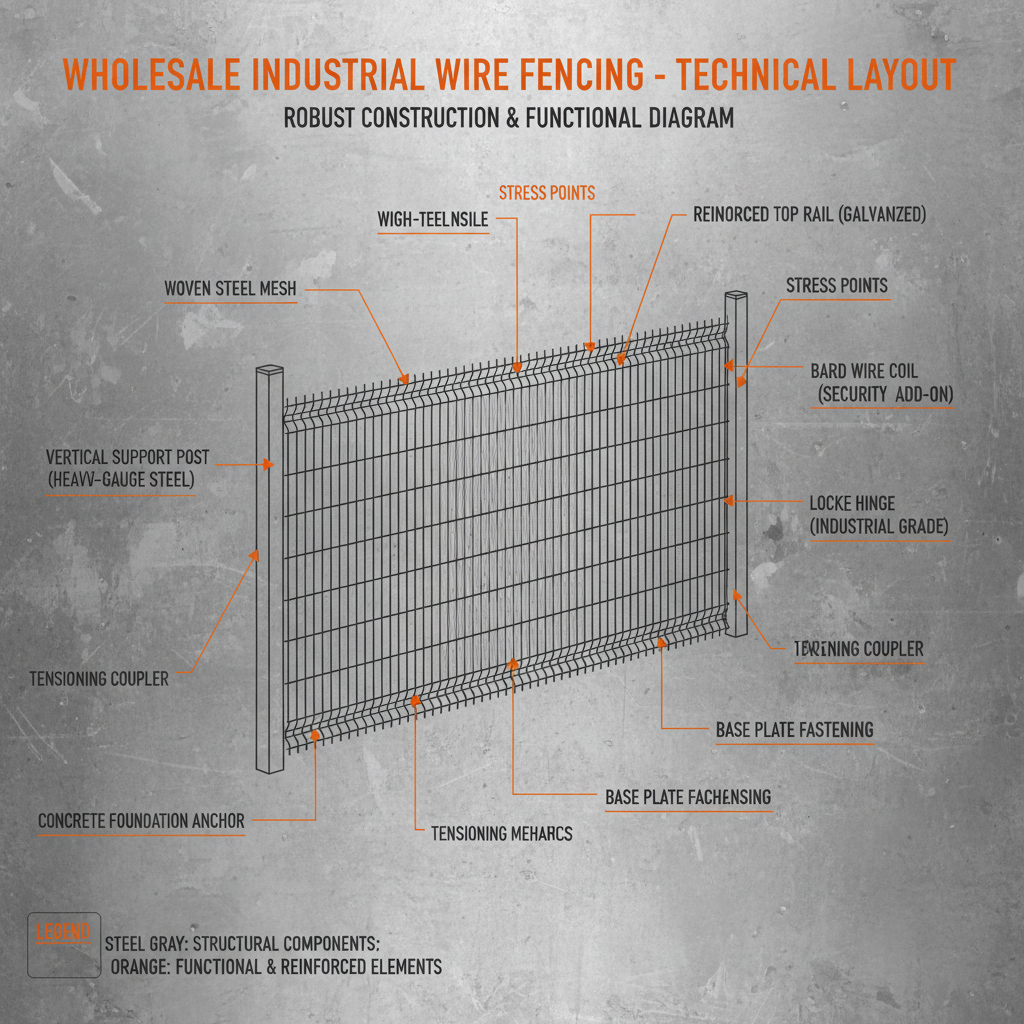
Finally, cost-efficiency is realized not through cheap materials, but through the reduction of installation time and maintenance. Pre-fabricated panels from reputable welded wire fence manufacturers can be installed rapidly using specialized clamps and posts, significantly lowering labor costs and ensuring a consistent level of security across the entire installation.
Comparative Analysis of Manufacturing Methods
The performance of a security barrier is directly linked to the manufacturing method employed. Different welded wire fence manufacturers utilize various welding techniques—from manual spot welding to fully automated CNC resistance welding. Automated systems provide a level of consistency in weld strength and spacing that is impossible to achieve manually, ensuring that every intersection is a strong point of the fence.
Furthermore, the sequence of coating is a major point of differentiation. Some manufacturers weld the wire and then galvanize the entire panel, while others use pre-galvanized wire. The former method generally offers superior corrosion protection at the weld points, whereas the latter is more cost-effective for low-corrosion environments.
Performance Metrics by Manufacturer Method
Global Applications and Real-World Use Cases
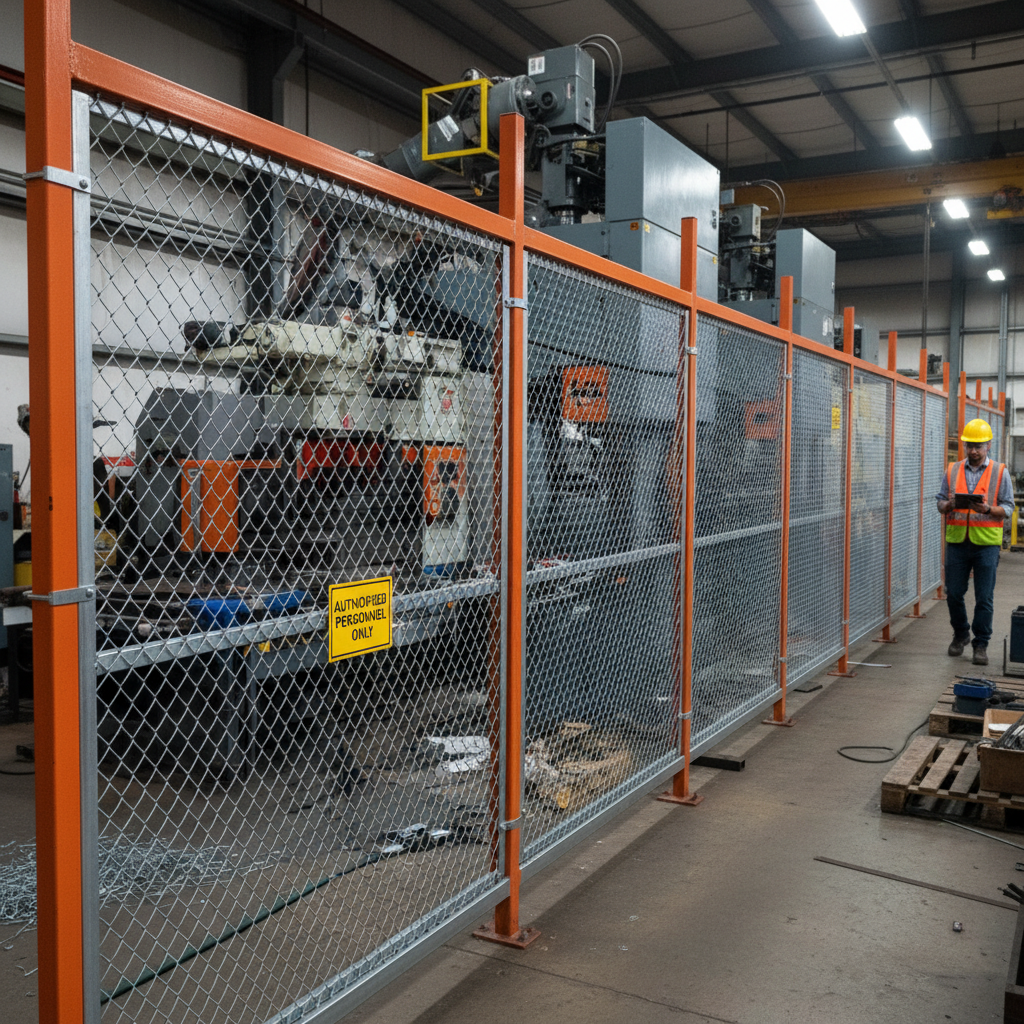
The practical application of products from welded wire fence manufacturers spans across virtually every sector of modern society. In industrial zones, heavy-duty welded mesh is used to secure warehouses and machinery parks, preventing unauthorized access while maintaining clear lines of sight for security cameras. In agricultural settings, specialized cattle fences and livestock panels ensure the safety of animals and the integrity of the farm perimeter.
Moreover, in critical infrastructure projects, such as airport tarmacs or electrical substations, the use of "anti-climb" welded mesh (like the 358 system) is essential. These fences use very small apertures that prevent fingers or toes from gaining a foothold, effectively neutralizing the threat of scaling. In post-disaster relief operations, galvanized welded wire is often used to create rapid-deployment Gabion walls for erosion control and flood prevention, demonstrating the versatility of the product.
Long-Term Value and Sustainability Benefits
Investing in high-quality output from established welded wire fence manufacturers provides significant long-term economic value. While the initial cost of a hot-dipped galvanized fence may be higher than a basic painted alternative, the lifecycle cost is dramatically lower. The reduction in rust-related failures means that owners avoid the massive expense of complete fence replacement every few years.
From a sustainability perspective, steel is one of the most recycled materials on earth. Reputable manufacturers are now incorporating recycled steel into their wire drawing processes, reducing the carbon footprint of the final product. Furthermore, the longevity of welded wire systems means fewer resources are consumed over the decades compared to shorter-lived wooden or plastic barriers.
Beyond the logistics, there is an emotional component to security. The psychological impact of a sturdy, professional fence provides peace of mind to business owners and residents alike. It signals a commitment to safety, professionalism, and order, which enhances the perceived value of the protected property.
Future Innovations in Welding Technology
The landscape for welded wire fence manufacturers is currently being reshaped by the digital transformation of the factory floor. Industry 4.0 integration, including IoT-enabled welding machines, allows for real-time monitoring of weld temperature and pressure. This ensures that every single joint is tested and validated, eliminating the risk of "cold welds" that can lead to structural failure under stress.
Material science is also evolving, with the introduction of advanced hybrid coatings. We are seeing a shift toward duplex systems—where a hot-dipped galvanized layer is topped with a high-performance powder coating. This provides a double layer of protection: the zinc prevents corrosion from the inside out, while the polymer layer protects against UV radiation and chemical pollutants.
As automation increases, we can expect to see more customized, algorithmically designed mesh patterns that optimize strength while reducing material weight. This "light-weighting" of security fences will make transportation more efficient and reduce the overall environmental impact of large-scale installations.
Comparative Analysis of Welded Wire Fence Specifications
|
Fence Category
|
Security Level (1-10)
|
Corrosion Resistance
|
Typical Application
|
| 358 Anti Climb |
10 |
Excellent |
Prisons, Airports |
| Welded Gabion |
7 |
Very High |
River Bank Protection |
| Chain Link (Welded) |
5 |
Moderate |
Residential/Schools |
| Double Wire Fence |
8 |
High |
Industrial Parks |
| Livestock Panels |
4 |
Moderate |
Agriculture/Farms |
| PVC Coated Mesh |
6 |
Excellent |
Public Parks/Gardens |
FAQS
When choosing among welded wire fence manufacturers, prioritize those with ISO certifications and proven track records in your specific climate. Look for transparency in their galvanization process (Hot-Dipped vs. Electro-galvanized) and ask for weld-strength test reports. A manufacturer that offers a comprehensive product range—from 358 anti-climb to standard panels—usually possesses the technical versatility to handle complex project requirements.
Yes, in most security and industrial applications. Because the wires are fused together at every intersection, welded wire fences are much more rigid and resistant to sagging or stretching. While woven fences are excellent for flexibility and certain agricultural uses, they cannot provide the same level of impact resistance or anti-climb capability as the products provided by professional welded wire fence manufacturers.
The lifespan varies based on the coating. A standard electro-galvanized fence may last 5-10 years in mild environments. However, a hot-dipped galvanized fence from high-end welded wire fence manufacturers can last 20 to 50 years, depending on the zinc coating thickness and environmental exposure (e.g., coastal areas will see faster degradation than inland areas).
Absolutely. Top welded wire fence manufacturers offer customization in wire gauge (thickness), mesh aperture (opening size), and coating colors. For extreme security, they can produce "Anti-Climb" mesh with tiny gaps that prevent any grip. They can also integrate toppings like razor wire or electric fencing to add additional layers of deterrence to the physical barrier.
PVC coating adds an extra layer of protection and aesthetic appeal, but it should never replace galvanization. The best practice used by leading welded wire fence manufacturers is to apply a galvanized layer first to prevent rust, followed by a PVC coating to protect the zinc from abrasion and UV damage. This "duplex" approach provides the maximum possible lifespan.
Quality can be verified through "destructive testing" on a random sample—attempting to break a weld point with a calibrated force tool. Additionally, visual inspection for "burn-through" or inconsistent weld spots is key. Reliable welded wire fence manufacturers provide Material Test Reports (MTRs) and certificates of compliance that guarantee the weld integrity across the entire batch.
Conclusion
Selecting a partner among welded wire fence manufacturers is a strategic decision that impacts the long-term security, aesthetics, and financial viability of any infrastructure project. By focusing on the critical intersection of material science, welding precision, and corrosion protection, stakeholders can ensure they implement a perimeter solution that is not only impenetrable but also sustainable. From industrial-grade 358 fences to versatile Gabion systems, the ability to customize and scale these solutions is what drives the modern security industry forward.
Looking ahead, the integration of smart monitoring and advanced hybrid coatings will further elevate the standards of the fencing industry. We recommend that developers move away from low-cost, short-term options and instead invest in certified, high-durability welded systems that offer a lower total cost of ownership. For those seeking industry-leading expertise and precision-engineered fencing solutions, we invite you to explore our full range of products. Visit our website: www.tikemetal.com