Steel metal grating is a versatile construction material used extensively in industrial, commercial, and infrastructure projects. Known for its strength, durability, and open design, it provides a safe and effective walking surface, ventilation, and security. This article explores the various types, applications, benefits, and considerations when choosing steel metal grating for your project. We'll delve into the details to help you make an informed decision and ensure optimal performance.
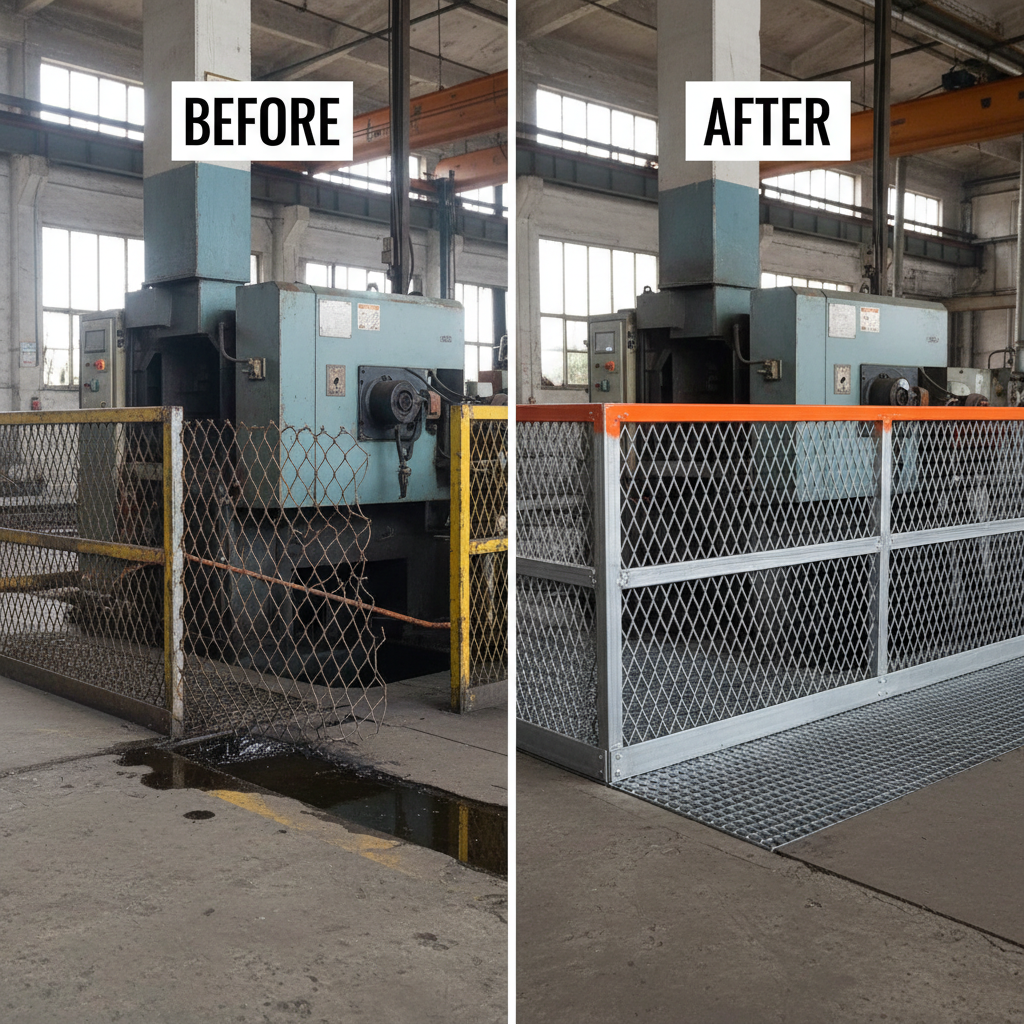
Steel metal grating is available in several types, each designed for specific applications and load requirements. The most common types include welded steel grating, riveted steel grating, and swaged steel grating. Welded grating is manufactured by resistance welding bearing bars and cross bars, offering a strong and cost-effective solution. Riveted grating uses rivets to connect the bearing and cross bars, providing a more robust option for heavy-duty applications. Swaged grating utilizes a swaging process to lock the cross bars into the bearing bars, creating a smooth and aesthetically pleasing surface. Selecting the correct type is crucial for ensuring safety and longevity.
Key Takeaway: The choice of grating type depends on factors like load capacity, application environment, and aesthetic requirements. Tikemetal offers a wide range of options to suit diverse needs.
The applications of steel metal grating are incredibly diverse. It is widely used in industrial platforms, walkways, stair treads, drainage systems, ventilation covers, and security fencing. Its open design allows for the passage of light, air, and fluids, making it ideal for applications where these factors are important. In the oil and gas industry, it's used for offshore platforms and refinery walkways. Commercial buildings utilize it for decorative flooring and ventilation systems. Infrastructure projects employ it for bridge decks and trench covers. The versatility of steel metal grating makes it a go-to material for engineers and architects.
Common Applications:
• Industrial Platforms & Walkways
• Stair Treads
• Drainage Systems
• Ventilation Covers
Selecting the appropriate steel metal grating requires careful consideration of several factors. The load capacity is paramount, ensuring the grating can safely support the intended weight. The material grade should be chosen based on the environmental conditions – carbon steel is common, but stainless steel is preferred for corrosive environments. The mesh size (spacing between the bearing bars) influences the slip resistance and the passage of debris. Finally, consider the ease of installation and maintenance. Tikemetal's team can assist you in selecting the optimal grating for your specific requirements.
The advantages of using steel metal grating are numerous. It offers exceptional strength and durability, requiring minimal maintenance. Its open design provides excellent ventilation and drainage, preventing the buildup of debris and moisture. Steel grating is also cost-effective, offering a long-term solution with a high return on investment. Furthermore, it is recyclable, contributing to sustainable building practices. Safety is also a key benefit, with many grating options offering superior slip resistance.
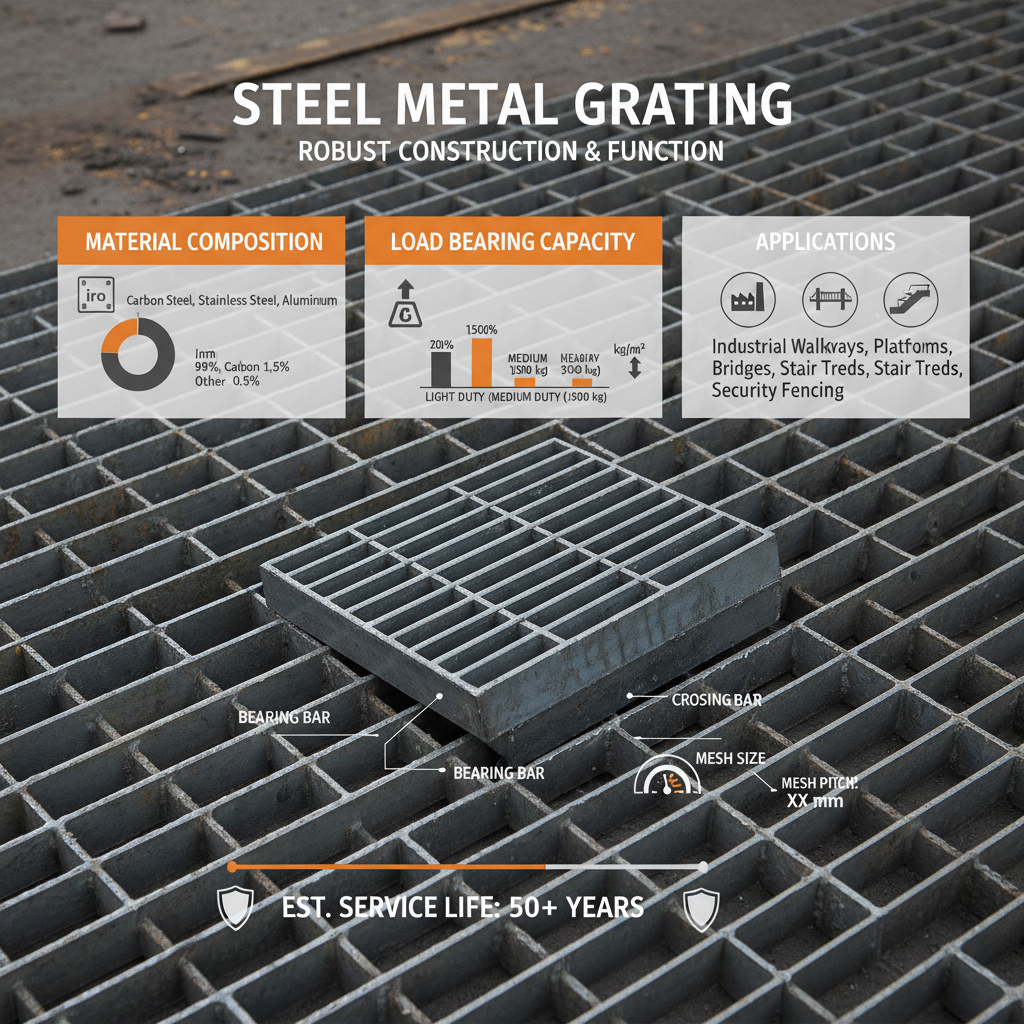
Steel metal grating is manufactured to meet stringent industry standards, ensuring safety and reliability. Key standards include those set by the North American Grating Association (NAGA) and ASTM International. These standards cover material specifications, load-bearing capacity, and manufacturing processes. Ensuring that the grating you choose complies with these standards is crucial for legal compliance and worker safety. Tikemetal guarantees that all its products meet or exceed relevant industry standards.
Choosing the right steel metal grating is a critical decision for any project. By considering the factors outlined in this guide and partnering with a reputable supplier like Tikemetal, you can ensure a safe, durable, and cost-effective solution. Don't compromise on quality – invest in steel metal grating that will stand the test of time.
The lifespan of steel metal grating varies depending on the environment and maintenance. With proper care, it can easily last for 20-30 years or more. Galvanized or stainless steel grating will have a longer lifespan than carbon steel in corrosive environments. Regular inspection for rust, damage, or loose connections is essential for maximizing its lifespan. Applying protective coatings can also extend its service life.
Installation methods vary depending on the application. Common methods include welding, bolting, or using specialized clips. Welding provides a strong, permanent connection, while bolting allows for easier disassembly and maintenance. Clips are often used for lighter-duty applications or temporary installations. It’s crucial to follow manufacturer’s instructions and ensure proper load distribution during installation.
Galvanized steel grating offers superior corrosion resistance compared to carbon steel. The zinc coating protects the steel from rust and environmental damage, making it ideal for outdoor or corrosive environments. Galvanized grating also requires less maintenance and has a longer lifespan, reducing long-term costs. It's a cost-effective solution for applications where corrosion is a concern.
Yes, steel metal grating can be customized to meet specific project requirements. Tikemetal offers custom sizing, material grades, and finishes. You can also request specific mesh sizes, bearing bar heights, and edge treatments. Customization ensures that the grating perfectly fits your application and aesthetic preferences.
RELATED PRODUCTS





Top