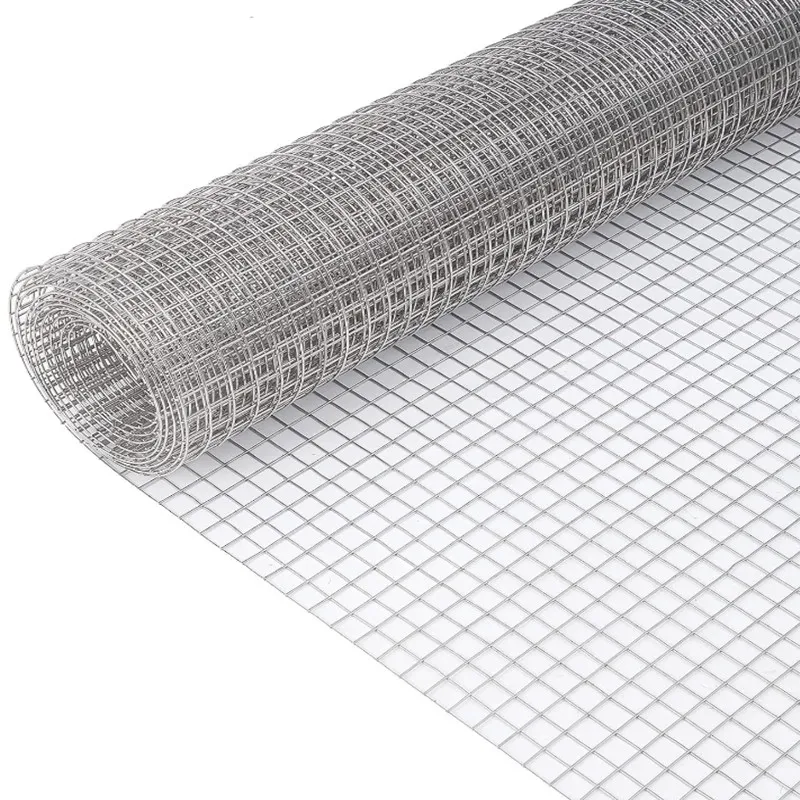
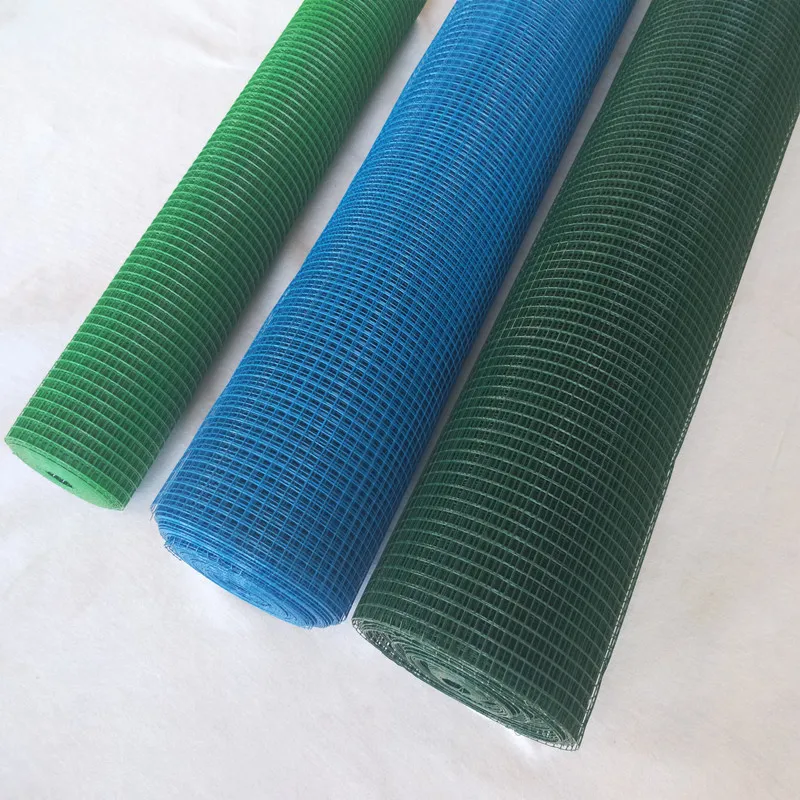
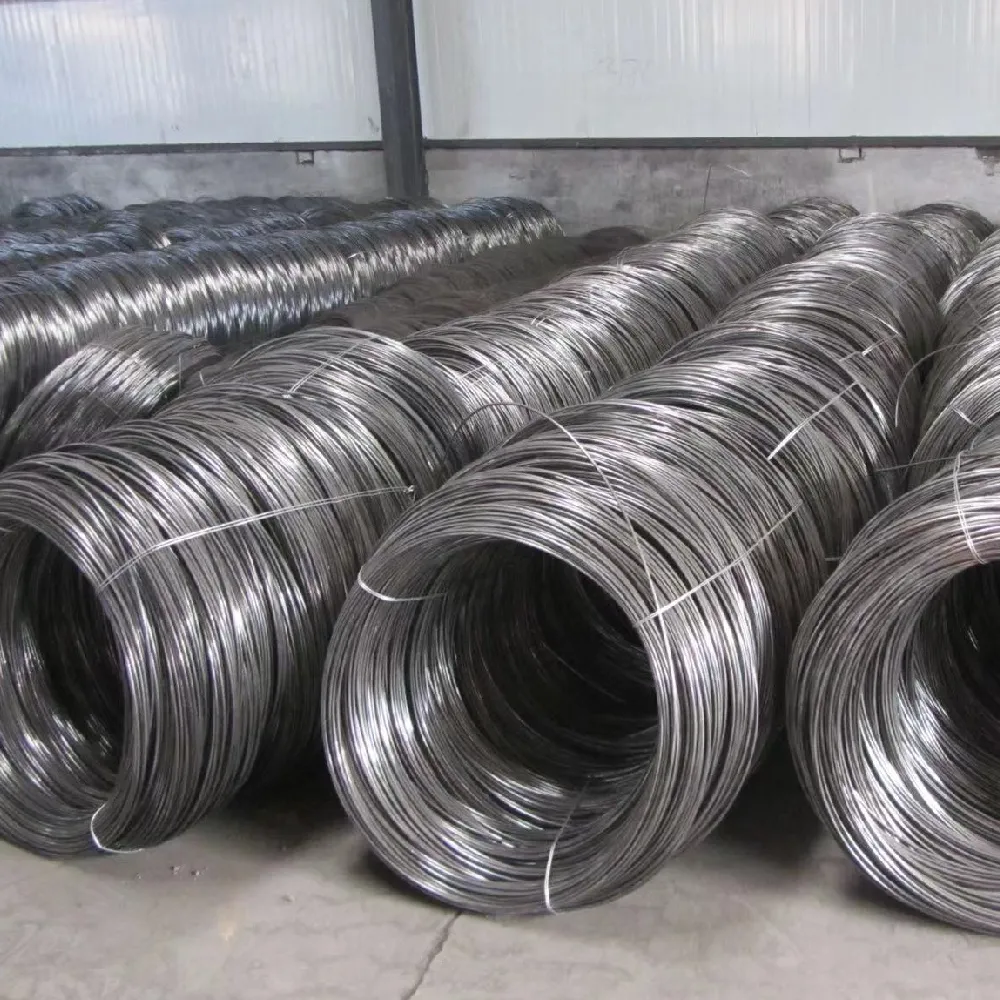
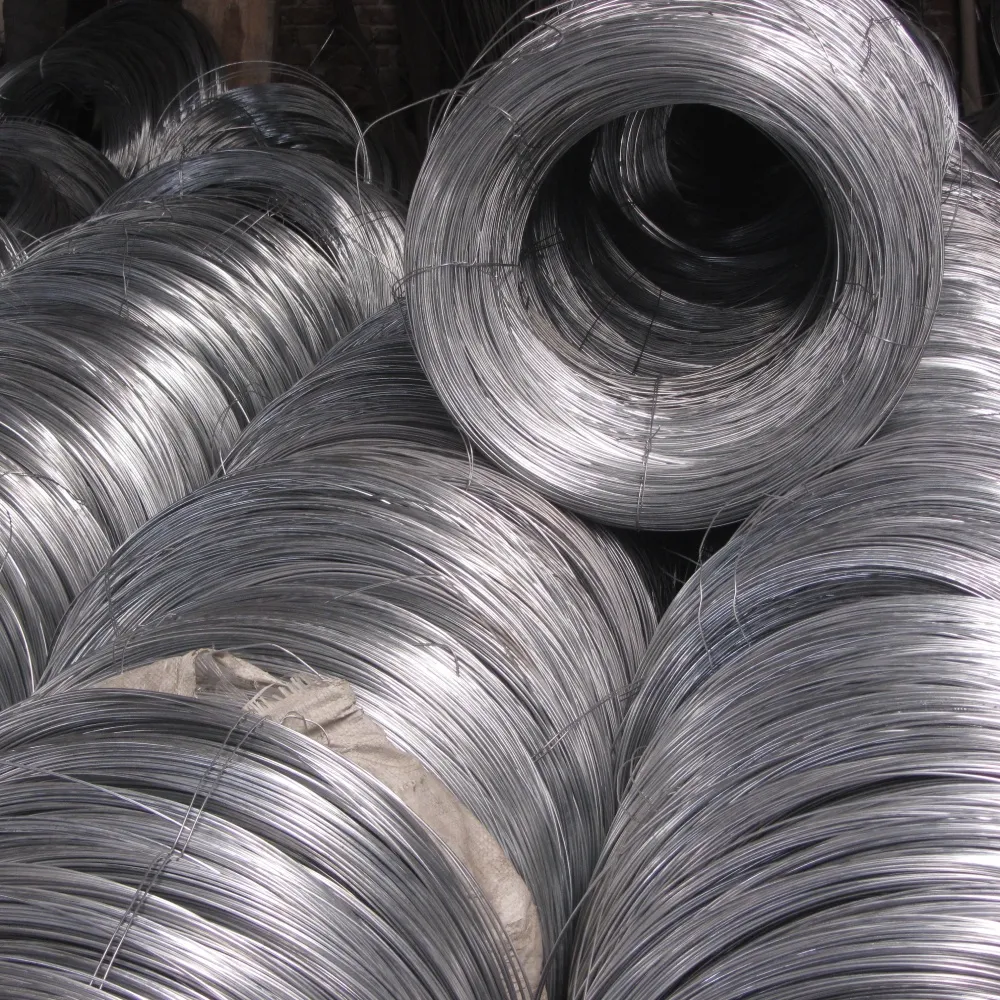
Steel mesh grating is a versatile and durable material widely used in various industrial and commercial applications. Offering excellent strength-to-weight ratio, slip resistance, and ventilation, it's a preferred choice for walkways, platforms, stair treads, and drainage systems. This article will explore the benefits, types, applications, and considerations when choosing steel mesh grating, providing valuable insights for professionals and those seeking a reliable flooring solution. Selecting the correct type of grating is crucial for ensuring safety and longevity in your specific environment.
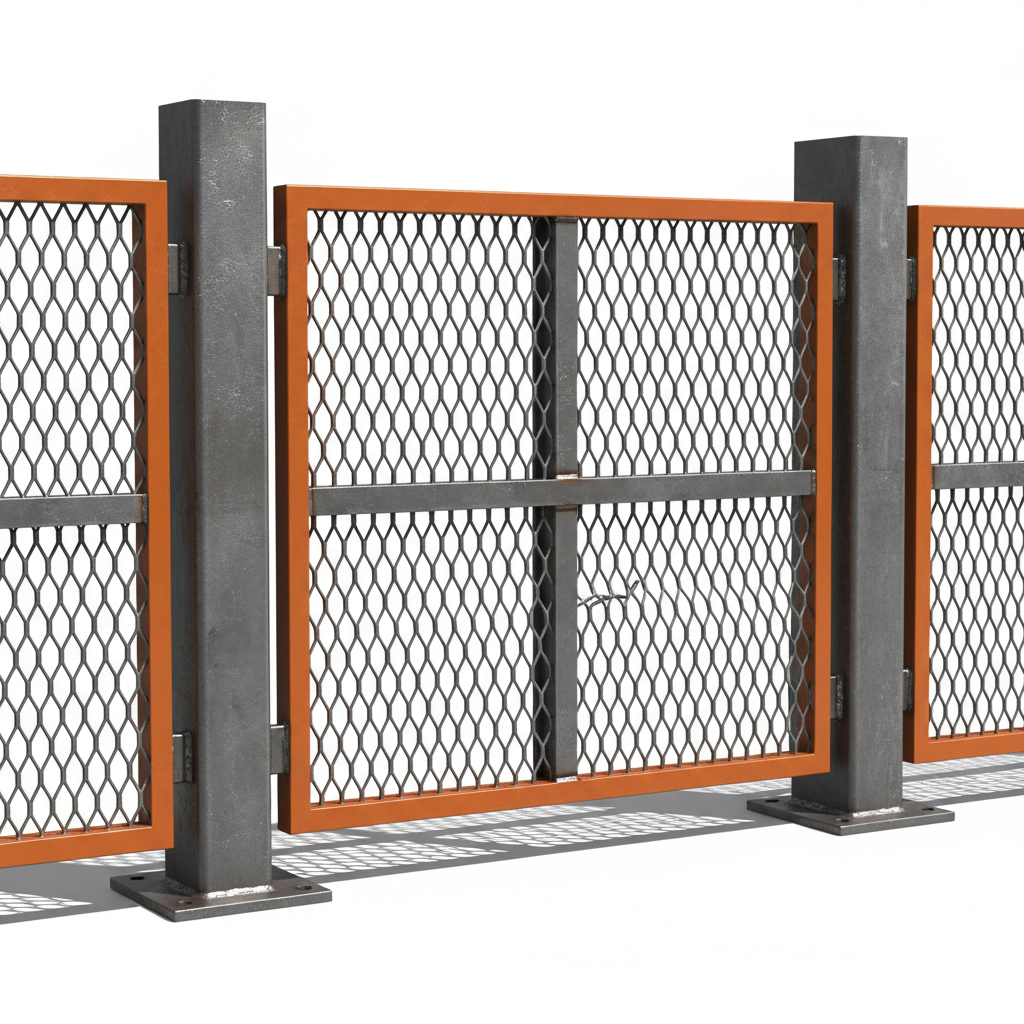
Steel mesh grating offers a multitude of advantages over traditional flooring materials. Its open grid design allows for the passage of light, air, and liquids, making it ideal for environments requiring ventilation and drainage. The inherent strength of steel provides robust support for heavy loads and foot traffic. Furthermore, its slip-resistant surface enhances safety, reducing the risk of accidents. The low maintenance requirements and long service life of steel mesh grating contribute to cost savings over time. Finally, steel grating is often recyclable, aligning with sustainable building practices.
Key Highlights: Offers excellent strength-to-weight ratio, slip resistance, ventilation, and low maintenance, making it a cost-effective and durable flooring solution.
Steel mesh grating comes in several varieties, each suited for specific applications. Welded steel grating is manufactured by welding bearing bars and cross bars together, offering a robust and cost-effective solution. Swage-locked grating utilizes a pressure-locking system, creating a smooth and aesthetically pleasing surface. Riveted grating employs rivets to join the bars, providing excellent load-bearing capacity. Finally, press-locked grating offers a similar aesthetic to swage-locked but with a different manufacturing process. Understanding the differences between these types is crucial for selecting the most appropriate grating for your project.
Grating Type Breakdown:
• Welded: Cost-effective, robust.
• Swage-locked: Smooth, aesthetically pleasing.
• Riveted: High load-bearing capacity.
• Press-locked: Similar aesthetic to swage-locked.
The versatility of steel mesh grating makes it ideal for a broad spectrum of applications. Common uses include walkways and platforms in industrial facilities, stair treads in commercial buildings, drainage systems in wastewater treatment plants, and security fencing around sensitive areas. It is also frequently used in offshore platforms, power plants, and chemical processing facilities. Its ability to withstand harsh environments and heavy loads makes it a preferred choice in these demanding sectors. The open design also makes it suitable for applications where visibility and airflow are important.
Selecting the appropriate steel mesh grating requires careful consideration of several factors. Load capacity is paramount, ensuring the grating can safely support the anticipated weight. The environment's corrosivity dictates the need for protective coatings like galvanization or powder coating. Span length influences the selection of bearing bar size and spacing. Furthermore, the aesthetic requirements of the project may favor certain grating types over others. Finally, compliance with relevant safety standards and building codes is essential. Tike Metal offers expert advice and customized solutions to meet your specific needs.
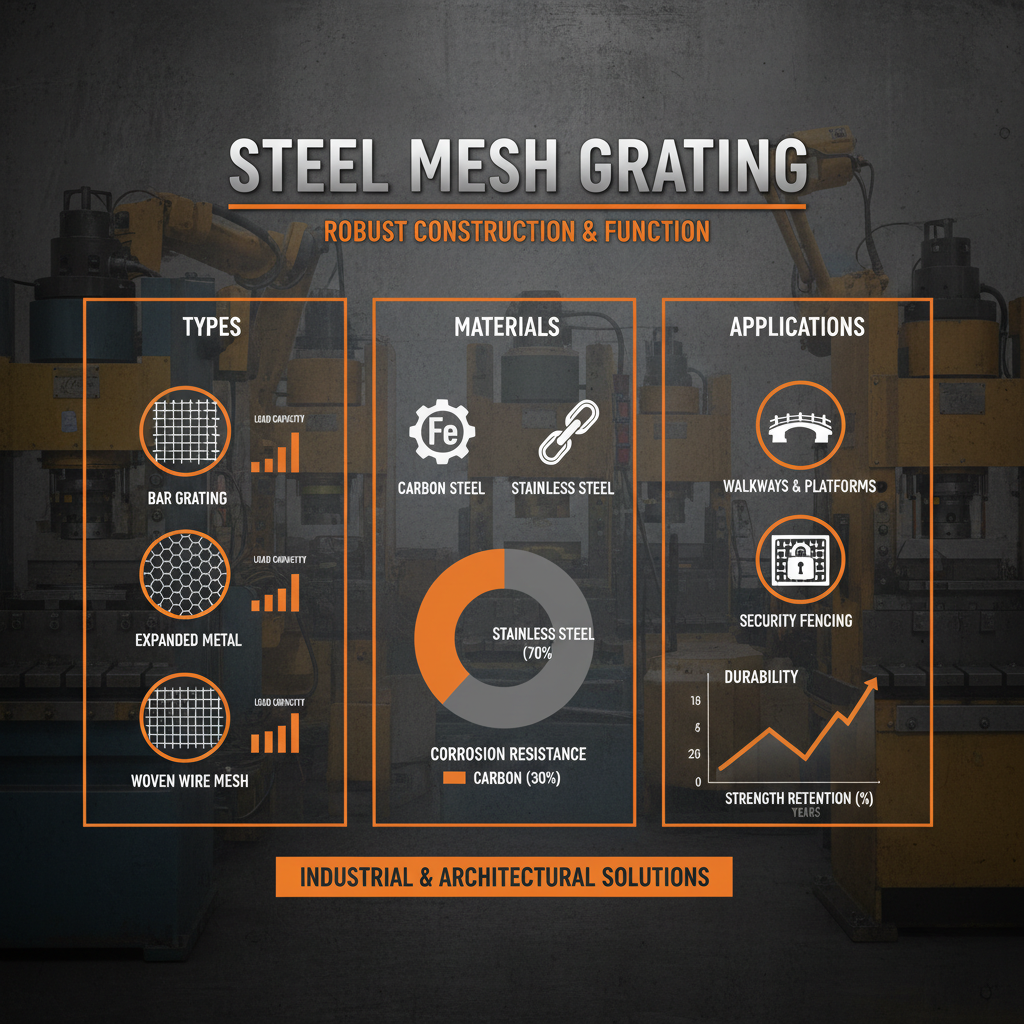
Steel mesh grating is relatively low maintenance, but periodic inspection and cleaning are recommended to ensure longevity. Remove debris and dirt regularly to prevent corrosion. Inspect for damaged or loose components and address them promptly. Reapply protective coatings as needed to maintain corrosion resistance. Proper maintenance will significantly extend the service life of your steel mesh grating investment. Following manufacturer's recommendations for maintenance is always advised.
Steel mesh grating provides a robust, safe, and cost-effective flooring solution for a wide range of applications. Its inherent strength, slip resistance, and low maintenance requirements make it a valuable asset in various industrial and commercial settings. Choosing the right type of grating and implementing a regular maintenance schedule will ensure long-lasting performance and maximize your investment. Explore the extensive range of steel mesh grating products at Tike Metal today.
The lifespan of steel mesh grating can vary considerably based on environmental conditions, load factors, and maintenance practices. However, with proper care and when made from quality steel (like those offered by Tike Metal), it can reliably last for 20-30 years or even longer. Galvanized or powder-coated grating will have a significantly longer lifespan in corrosive environments. Regular inspection and prompt repair of any damage are essential to maximizing the lifespan of your grating.
Steel mesh grating is available in a wide range of load capacities, depending on the bearing bar size, spacing, and thickness, as well as the cross bar configuration. Common load capacities range from 300 lbs per square foot to over 1000 lbs per square foot. It’s crucial to accurately calculate the expected loads, including static and dynamic loads, and select a grating that meets or exceeds those requirements. Consult with a qualified engineer or the experts at Tike Metal to determine the appropriate load capacity for your application.
Galvanization is a process of coating steel with a protective layer of zinc. This zinc coating acts as a barrier against corrosion, preventing rust and extending the lifespan of the grating. Even if the zinc coating is scratched or damaged, it will continue to provide protection through a process called galvanic corrosion, where the zinc corrodes instead of the steel. Galvanization is particularly important for grating used in outdoor or corrosive environments.
Yes, steel mesh grating is often customized to meet specific project requirements. Manufacturers like Tike Metal can fabricate grating to precise dimensions, including custom panel sizes, bearing bar spacing, and edge treatments. Customization ensures a perfect fit for your application, minimizing waste and installation time.
RELATED PRODUCTS





Top