Carbon steel bar grating is a foundational material in numerous industries, prized for its strength, durability, and cost-effectiveness. From industrial flooring and walkways to security screens and ventilation covers, its versatility is undeniable. This article provides an in-depth exploration of carbon steel bar grating, covering its manufacturing, applications, benefits, and key considerations for selection. We’ll delve into the specifics that make it the preferred choice for many engineering projects, offering valuable insights for both newcomers and seasoned professionals. Choosing the right grating can enhance safety, improve functionality, and lower long-term costs.
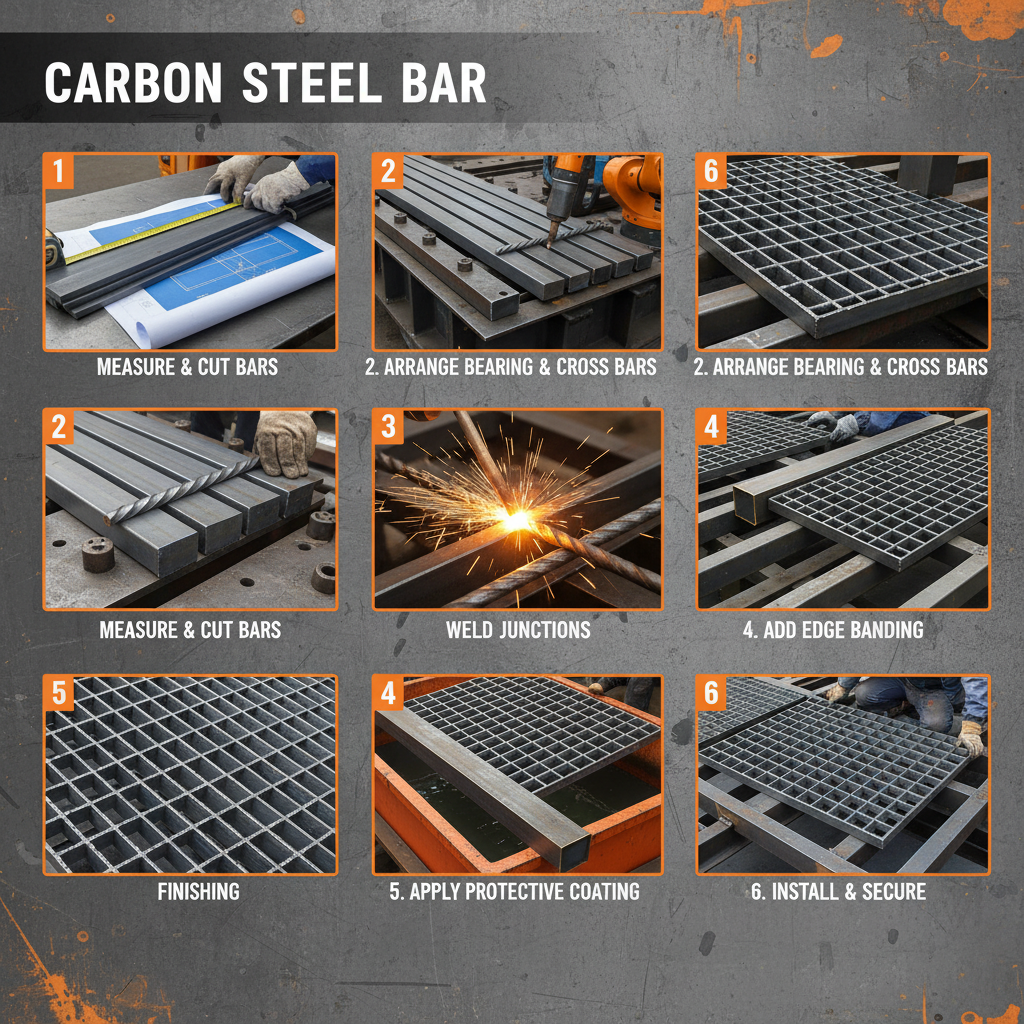
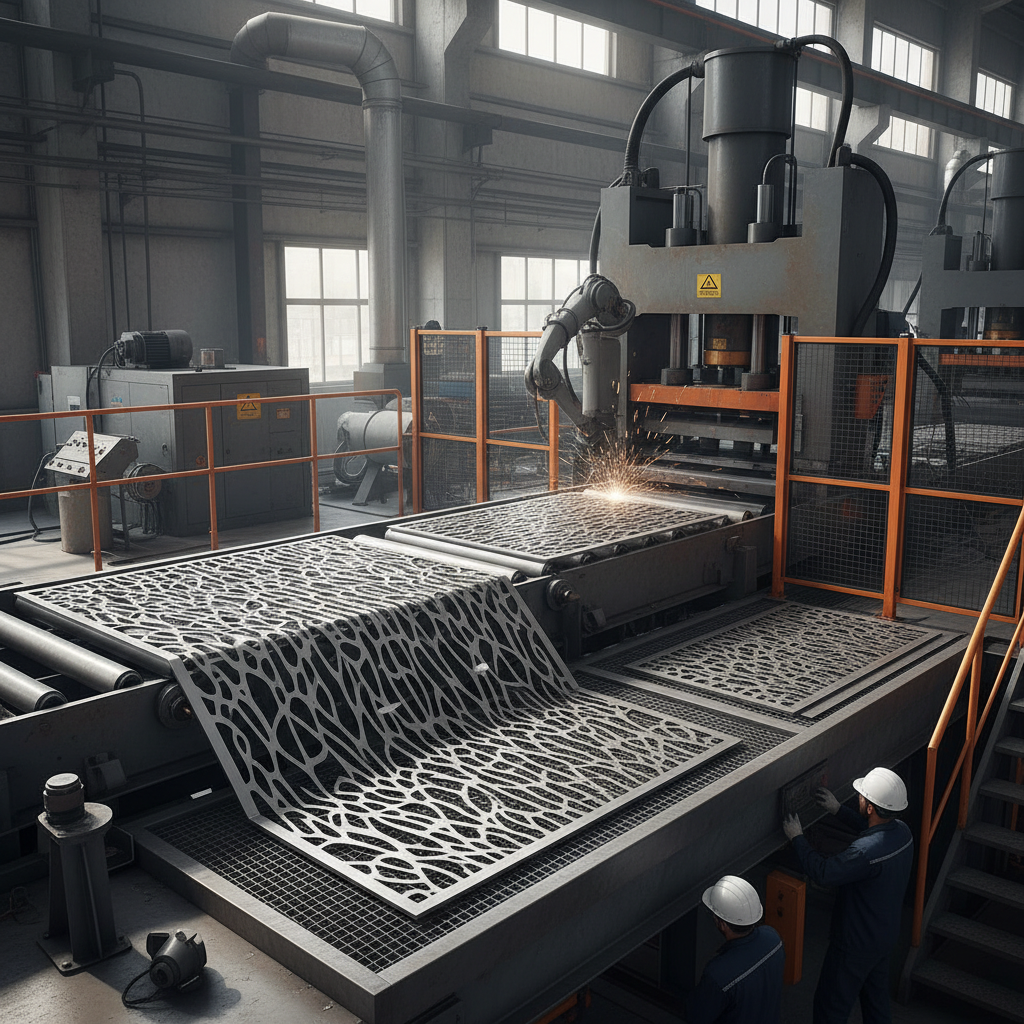
The production of carbon steel bar grating typically involves welding or press-locking. Welded bar grating, the more common type, is created by resistance welding bearing bars (the load-carrying components) and cross bars together, forming a rigid, open grid. This method is favored for its strength and ability to create complex designs. Press-locked grating, on the other hand, utilizes a mechanical interlock, pressing the bearing bars into the cross bars without welding. While offering a cleaner aesthetic, it generally has lower load-bearing capacity than welded grating. Both methods utilize carbon steel – an alloy of iron and carbon – offering high tensile strength and weldability. Tike Metal specializes in providing high-quality carbon steel bar grating manufactured with precision and adherence to industry standards.
Key Manufacturing Considerations: Ensuring consistent weld quality, proper material selection, and precise dimensional accuracy are critical to producing durable and reliable carbon steel bar grating.
The applications of carbon steel bar grating are diverse and span numerous industries. In industrial facilities, it's extensively used for walkways, platforms, stair treads, and drainage covers due to its high load-bearing capacity and slip-resistant surface. The construction sector leverages it for floor decks, mezzanine floors, and security fencing. Wastewater treatment plants utilize its corrosion resistance and open design for efficient drainage and ventilation. Furthermore, it’s common in power plants, chemical processing facilities, and transportation hubs. The grating's ability to allow light and air to pass through makes it ideal for environments requiring ventilation and visibility.
Common Application Areas:
• Industrial Flooring
• Walkways & Platforms
• Stair Treads
• Drainage Systems
Carbon steel bar grating offers a compelling combination of advantages. Its high strength-to-weight ratio minimizes structural support requirements, leading to cost savings. The open grid design allows for excellent airflow, drainage, and light transmission. The slip-resistant surface enhances safety in wet or oily conditions. Moreover, it’s relatively low cost compared to other materials like stainless steel or aluminum. Regular maintenance, such as painting or galvanizing, can significantly extend its lifespan and corrosion resistance. Explore Tike Metal’s diverse range of carbon steel grating options to find the perfect fit for your specific needs.
Choosing the appropriate carbon steel bar grating involves considering several factors. The load capacity is paramount; determine the maximum weight the grating needs to support. The mesh size (the spacing between the bearing bars) should be selected based on the size of objects that might fall through. Corrosion protection is crucial, especially in harsh environments – galvanizing, painting, or epoxy coating are common options. Finally, local building codes and safety regulations must be adhered to. Tike Metal’s experienced team can assist you in selecting the optimal grating for your specific application and ensuring compliance with all relevant standards.
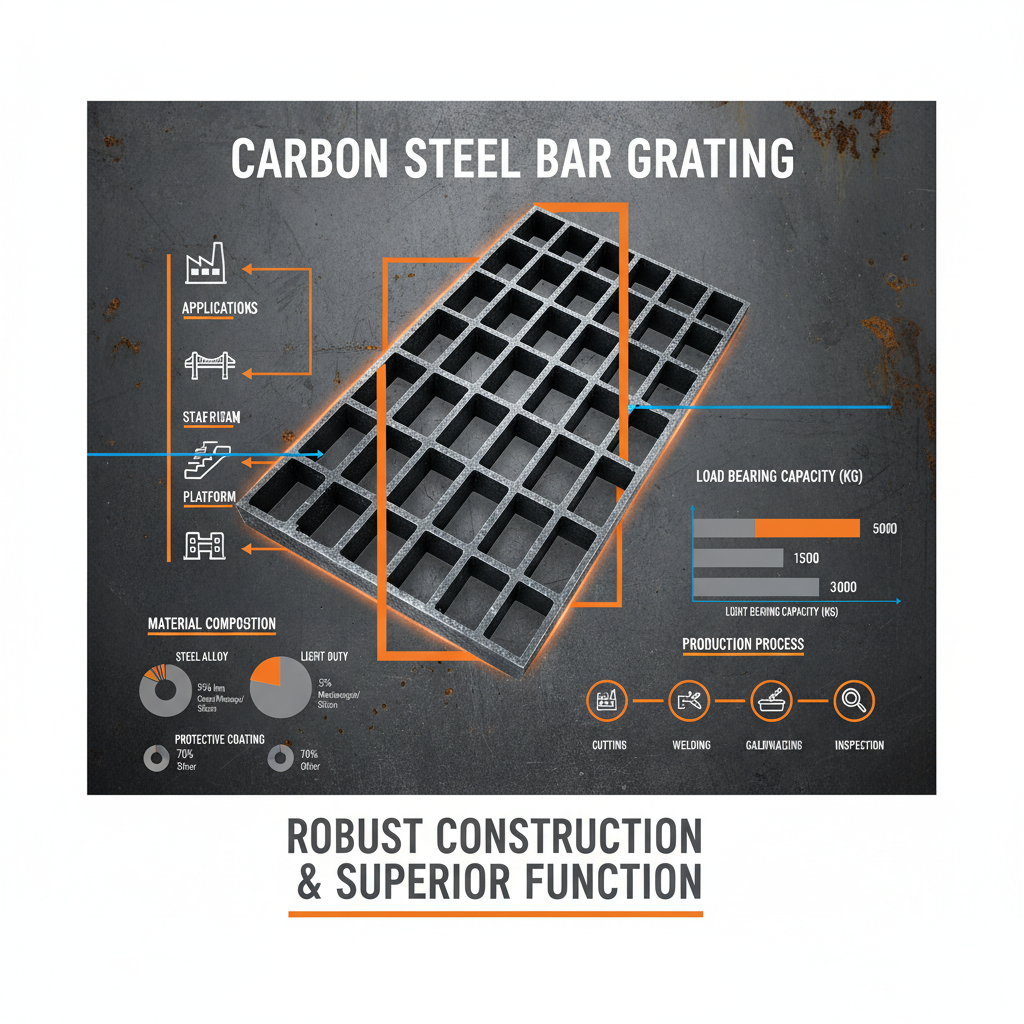
Carbon steel bar grating is manufactured to meet several industry standards, ensuring quality and safety. Key standards include: ASTM A36 (structural steel), ASTM A615 (deformed reinforcing bar), and NAAMM MBG-532 (metal bar grating). These standards dictate material composition, manufacturing tolerances, and load-bearing capacity. Understanding these specifications is crucial for ensuring the grating meets the requirements of your project. Furthermore, proper installation according to manufacturer’s guidelines is essential for maximizing its performance and longevity.
Carbon steel bar grating remains a vital material across countless industries, providing a strong, durable, and cost-effective solution for a variety of applications. By understanding the manufacturing processes, applications, and relevant standards, you can make informed decisions that optimize performance and safety. Tike Metal is your trusted partner for high-quality carbon steel bar grating and expert guidance.
The lifespan of carbon steel bar grating depends heavily on the environment and level of maintenance. With proper protective coatings (galvanizing, painting, epoxy), it can last for 20-30 years or more. In corrosive environments, such as coastal areas or chemical plants, more frequent maintenance and potentially thicker coatings are necessary. Regular inspections for rust or damage are crucial for extending its lifespan. Addressing corrosion promptly will prevent more significant issues and ensure continued structural integrity.
Welded grating is created by resistance welding the bearing and cross bars together, resulting in a very strong and rigid connection. It's ideal for heavy-duty applications and can handle significant loads. Press-locked grating uses a mechanical interlocking system, pressing the bars together without welding. This results in a cleaner aesthetic but generally has lower load-bearing capacity. Welded grating is typically more cost-effective, while press-locked offers a more refined appearance.
Several coatings can protect carbon steel bar grating from corrosion. Hot-dip galvanizing is the most common, providing a robust zinc coating. Painting offers a cost-effective solution, but requires regular reapplication. Epoxy coating provides excellent chemical resistance and is ideal for harsh environments. The choice of coating depends on the specific application and exposure conditions. Tike Metal can advise on the best coating for your needs.
Calculating load capacity requires considering several factors, including the bearing bar spacing, the bearing bar depth, and the material grade of the steel. Manufacturers typically provide load tables based on standard grating configurations. These tables specify the allowable load for a given span and mesh size. It's crucial to consult these tables and ensure the selected grating meets the required load requirements for your application. For complex applications, consulting with a structural engineer is recommended.
RELATED PRODUCTS





Top