Steel netting fence—it may sound straightforward, but its global importance is anything but simple. From protecting critical infrastructure to ensuring safety in post-disaster zones, steel netting fences are quietly underpinning countless industries worldwide. Why does this matter? Well, looking at the bigger picture, secure fencing isn’t just about physical barriers. It defines boundaries that keep communities safe, assets protected, and operations efficient. By understanding the key features and applications of steel netting fence, industries can better meet growing safety demands while embracing sustainability and innovation.
Looking globally, industrial and urban expansion keep pushing security challenges to the forefront. According to the United Nations, rapid urbanization and a rise in infrastructure investment — expected to hit $6.3 trillion annually by 2025 — bring increasing demand for reliable fencing solutions. Yet, challenges like climate change and social unrest add complexity. That’s where steel netting fence comes in, providing a scalable, robust, and cost-effective response to these pressing security and containment needs.
Oddly enough, despite the simple concept of a “fence,” the materials and design behind steel netting could determine just how well a facility or community withstands evolving threats — natural or manmade. In real terms, industries from agriculture to energy, and humanitarian agencies too, rely on it daily.
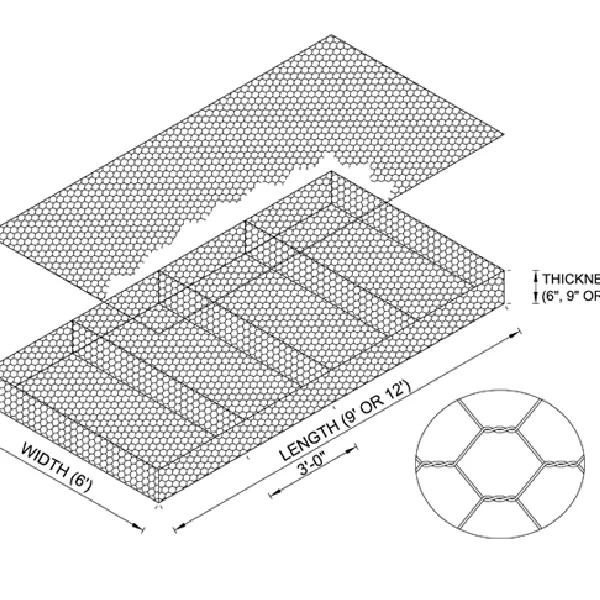
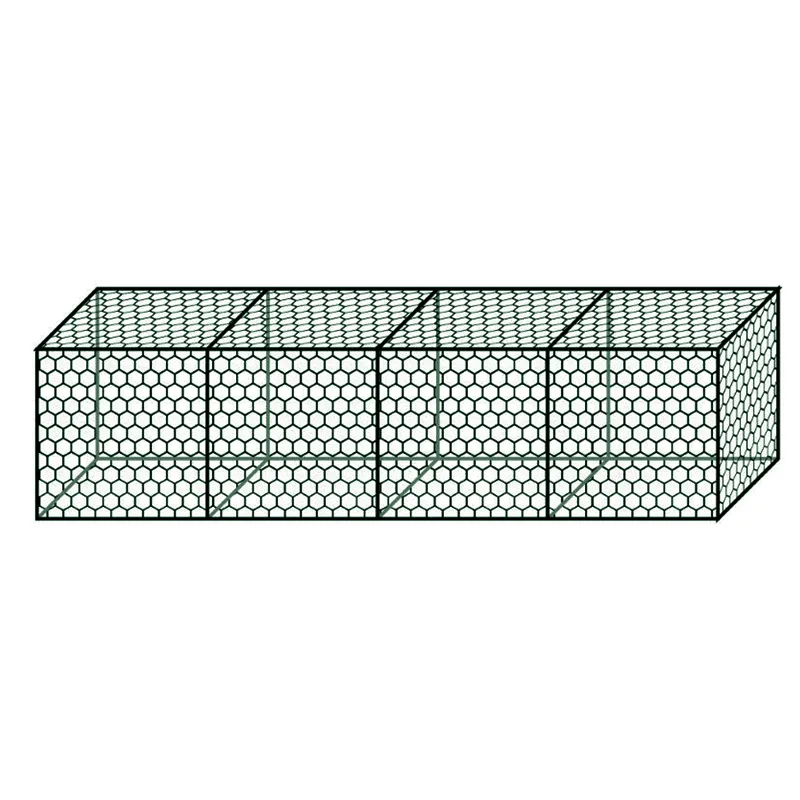
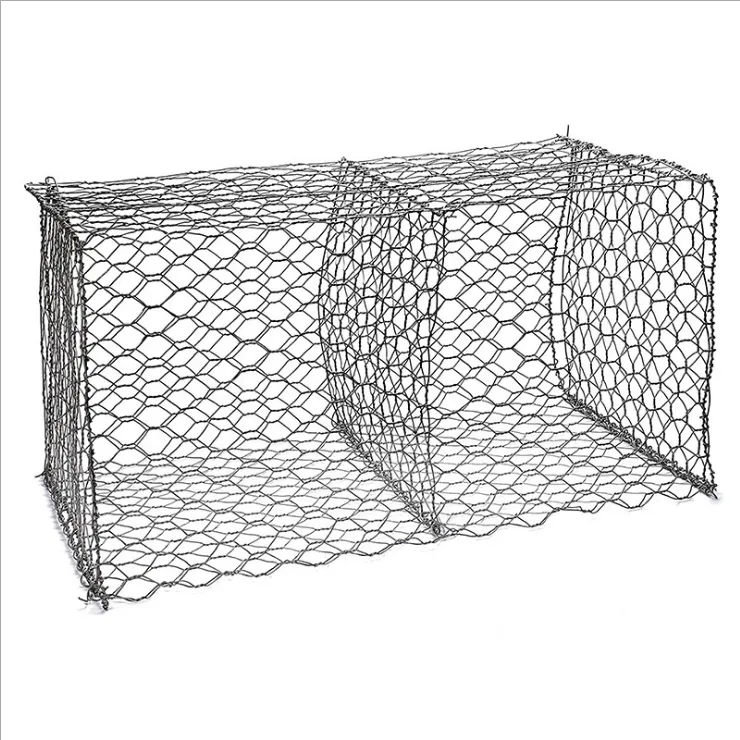
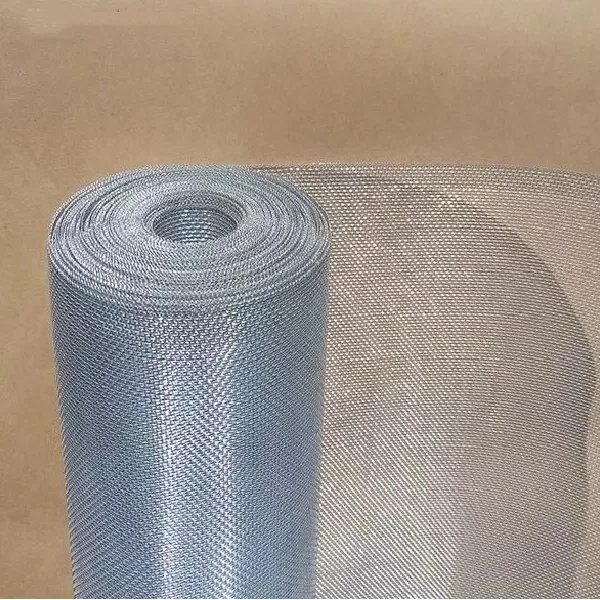
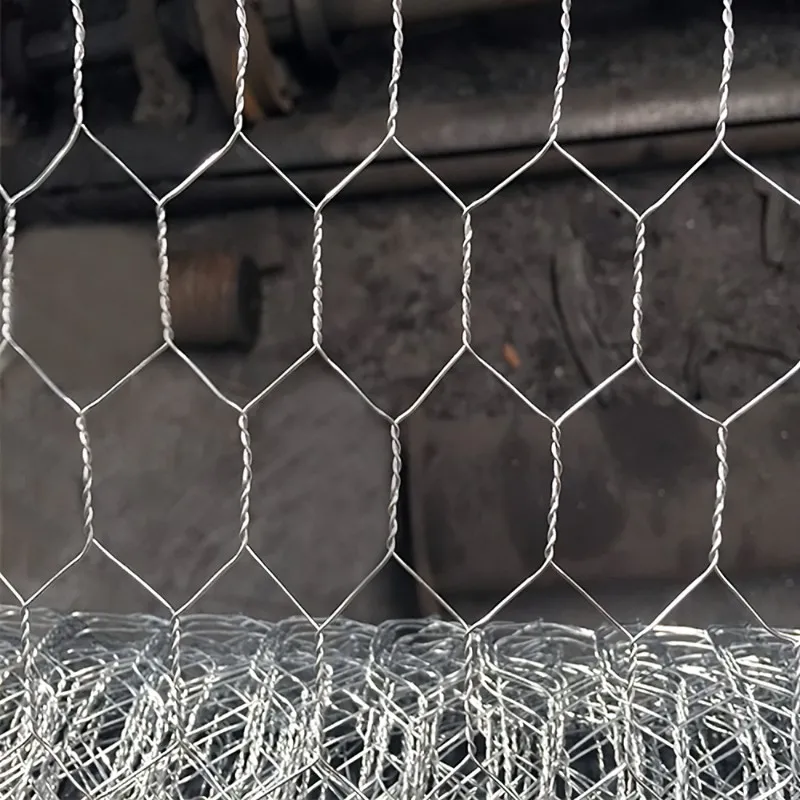
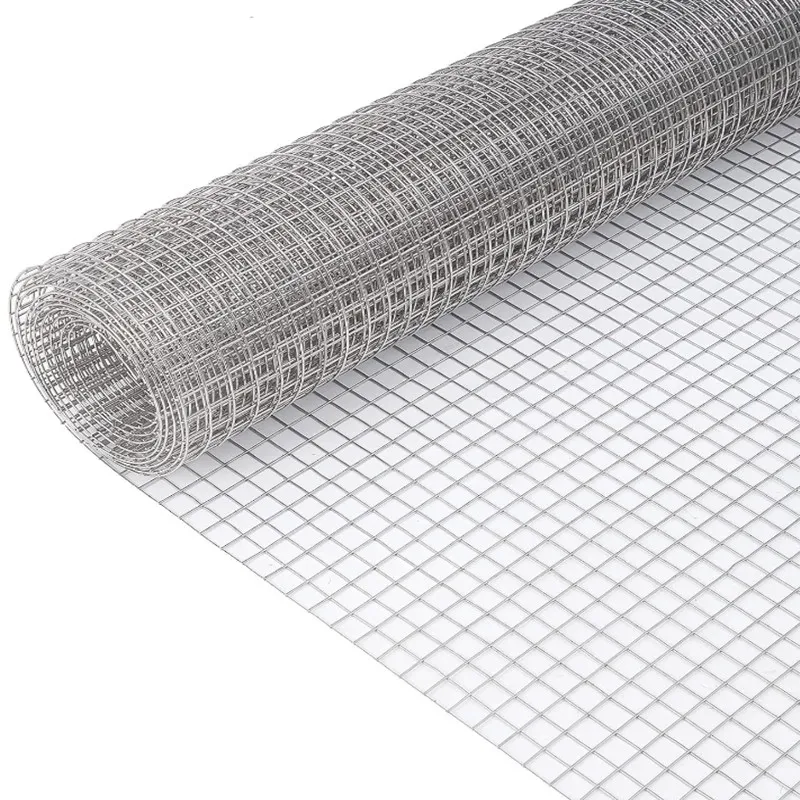
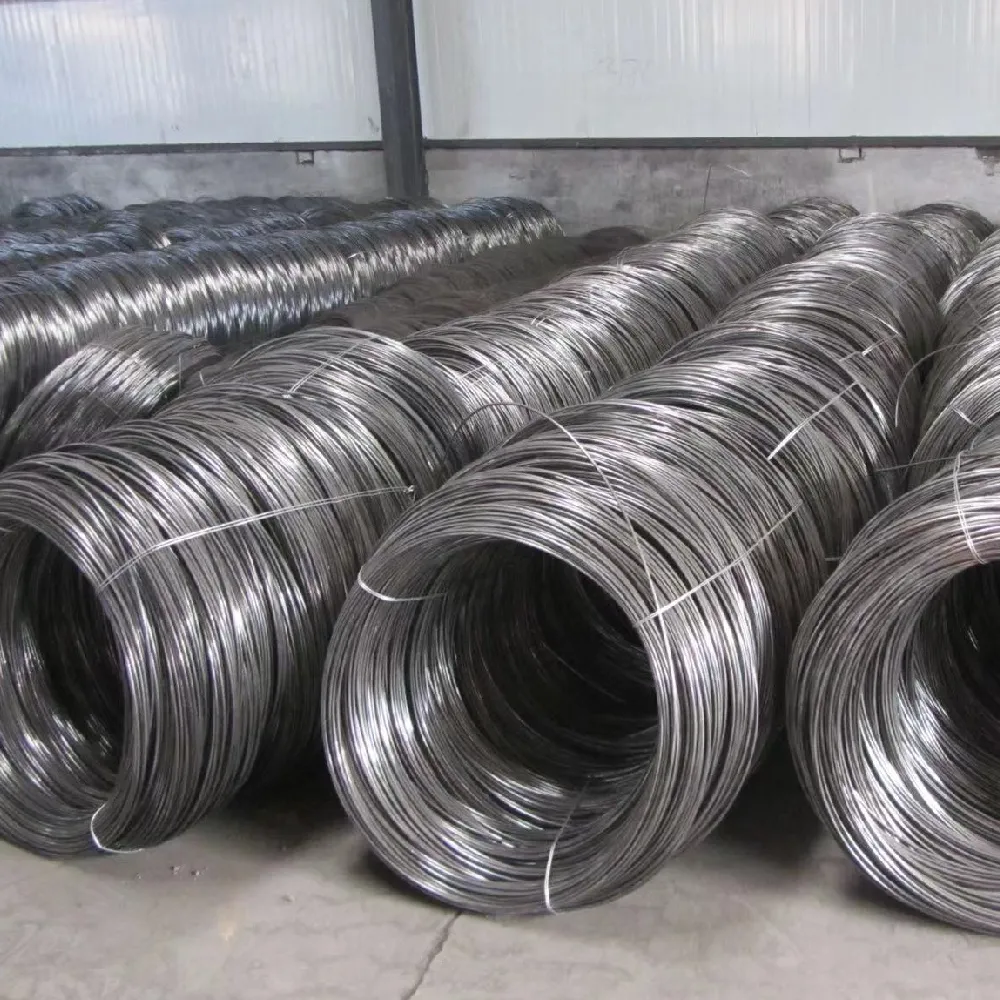
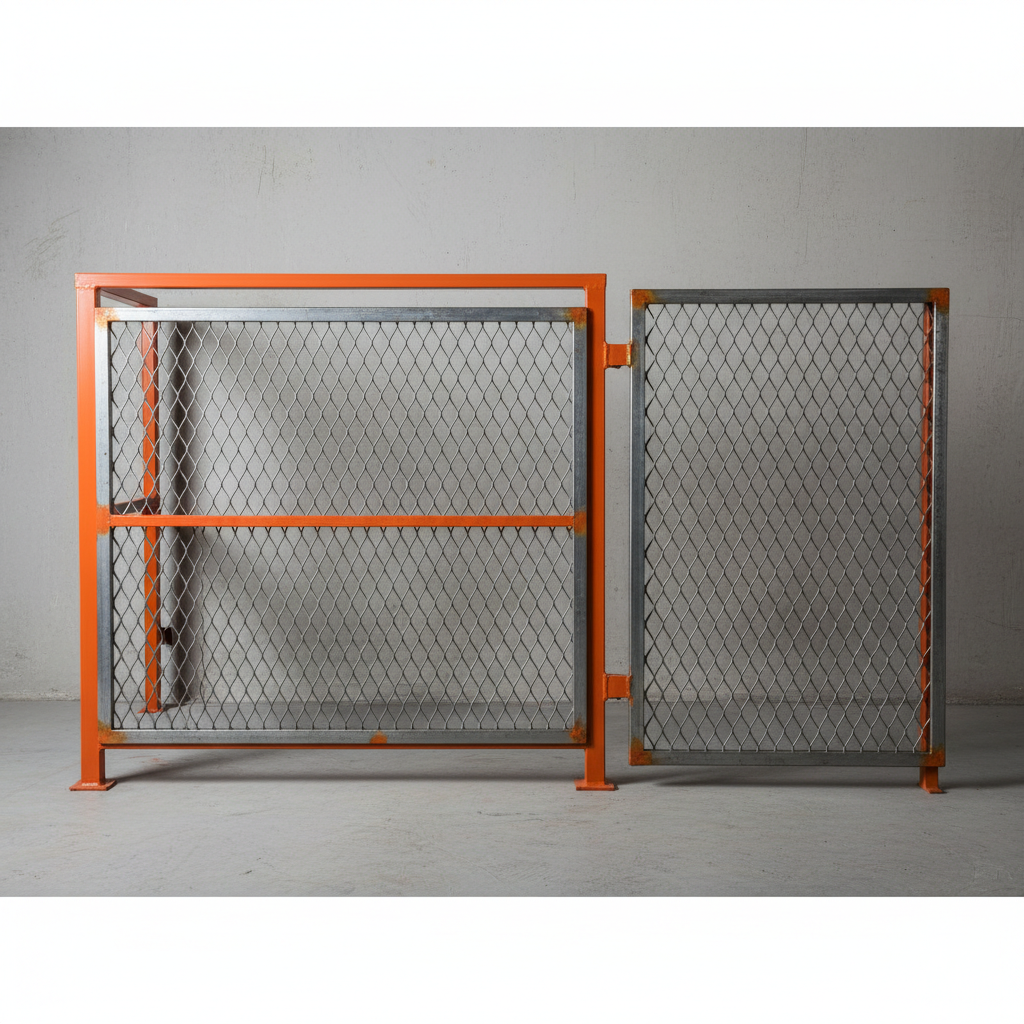
Put plainly, a steel netting fence is a physical barrier constructed from interwoven or welded steel wires that create a mesh-like structure. This mesh combines strength with flexibility, enabling it to serve various needs—from restricting unauthorized access to containing livestock or materials safely.
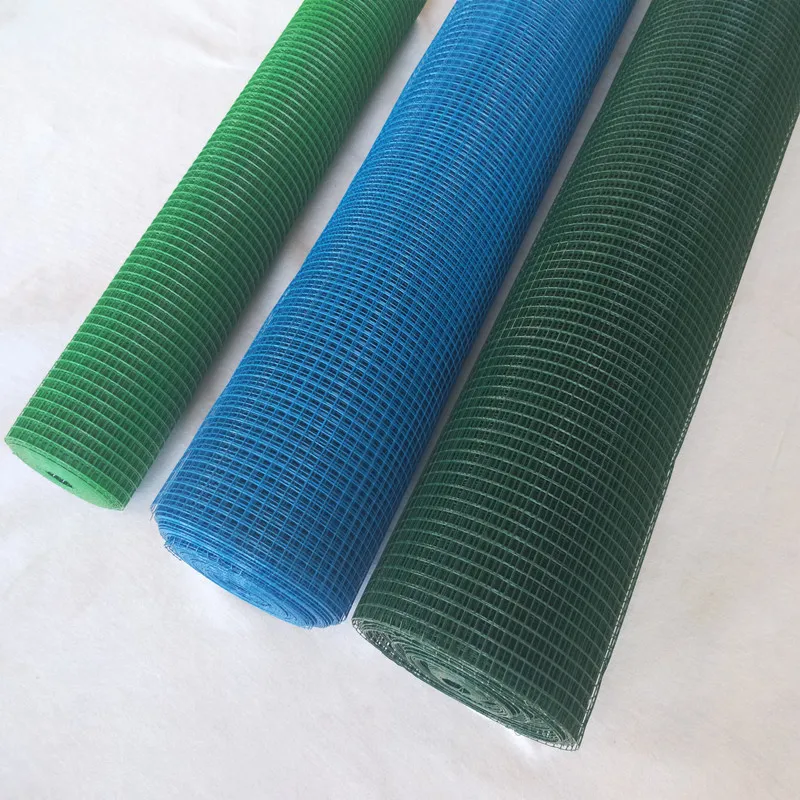
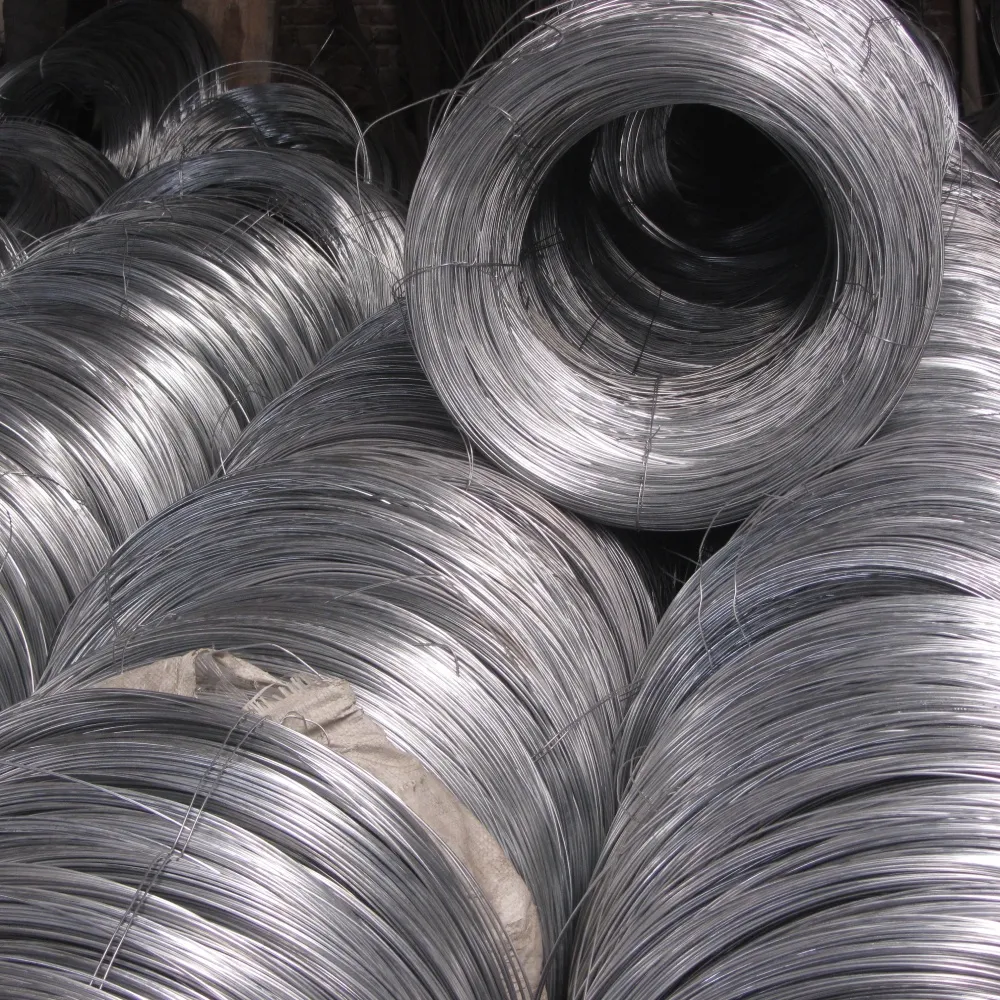
Today’s steel netting fences meet modern industrial standards, often hot-dip galvanized or powder-coated to withstand corrosion and harsh environments. They’re not just fences; they’re engineered solutions linked to security, durability, and environmental considerations.
Steel netting fences are prized for longevity; galvanized steel ensures resistance to rust and weather damage, which matters particularly in coastal or humid areas.
Whether you’re enclosing a small warehouse or a sprawling industrial zone, these fences are modular, enabling easy expansion or configuration changes without full redesign.
Initial investment might seem higher than simpler barriers, but when factoring in lifespan, low maintenance, and re-usability, steel netting fences often come out on top financially.
The mesh design offers excellent visibility, which is essential for surveillance, yet still robust enough to deter intrusions—an ideal balance for many facilities.
Adaptation to diverse climates and integration with eco-friendly coatings make these fences increasingly sustainable as well.
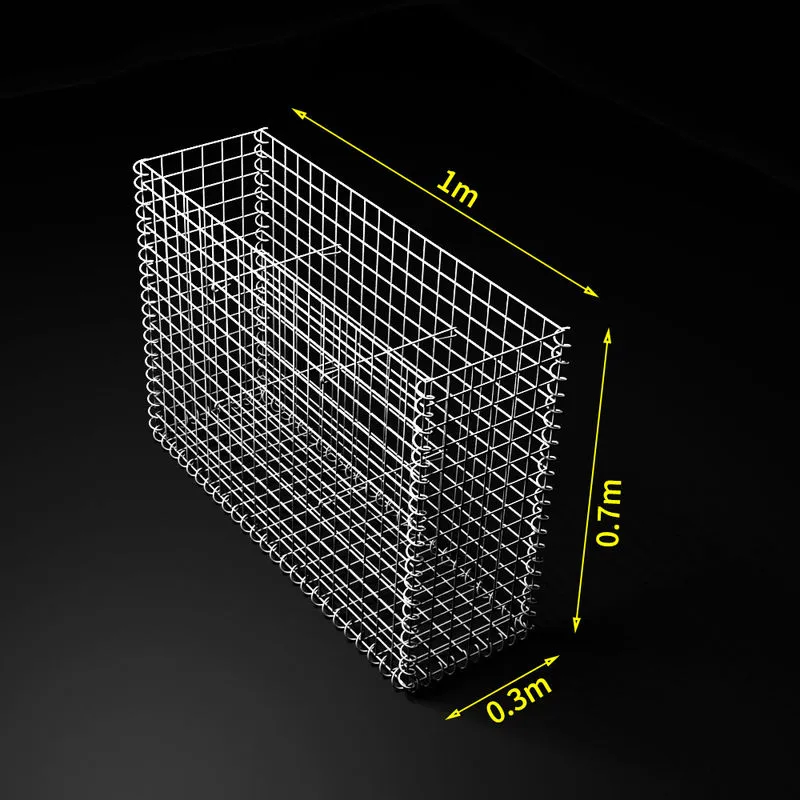
Fences come in various mesh sizes, thicknesses, and heights, tailored to specific security or zoning codes.
Mini Takeaway: Steel netting fences aren’t a one-size-fits-all. Their core properties adapt to needs across environments, ensuring both longevity and operational flexibility.
Industries and regions worldwide rely on steel netting fences. For example:
Interestingly, organizations worldwide turn to these fences not only for security but also to meet regulatory and environmental standards—showing how steel netting fences answer increasingly complex needs.
Choosing steel netting fence offers both practical and emotional benefits. From a cost-saving perspective, longevity plus low maintenance reduce lifecycle costs dramatically. Sustainability-wise, many fences are recyclable at end-of-life, aligning with ISO 14000 environmental management standards.
On the emotional side, it’s about trust—helping communities feel safe and dignified. For workers, safe boundaries mean fewer accidents and safer assets. Also, steel netting conveys innovation; it’s a modern barrier that respects transparency rather than imposing opaque walls.
| Specification | Details |
|---|---|
| Material | Galvanized Steel Wire (Grade AISI 1008-1015) |
| Mesh Size | 50 mm x 50 mm to 100 mm x 100 mm |
| Wire Diameter | 2.5 mm to 4.0 mm |
| Panel Height | 1.8 m to 2.4 m (custom sizes available) |
| Finish | Hot-Dip Galvanized & Powder Coated options |
| Vendor | Product Range | Lead Time | Price Range | Global Reach |
|---|---|---|---|---|
| Tike Metal | Customizable Steel Netting Panels | 4-6 weeks | $$ | Worldwide (shipping to 50+ countries) |
| Global Fence Systems | Pre-fabricated Steel Mesh & Security Fences | 6-8 weeks | $$$ | North America, Europe |
| SecureNet Corp | High-Security Steel Mesh Solutions | 3-5 weeks | $$$$ | Europe, Asia |
Steel netting fences aren’t standing still. Frankly, you see more emphasis on sustainability—innovative coatings using eco-friendly materials, stronger recycled steel, and energy-efficient manufacturing processes.
Digital integration is another horizon: smart fences embedded with sensors for intrusion detection, weather conditions, or structural integrity. This digital transformation will change how organizations manage security fencing, making it more automated and proactive.
There are still hurdles—cost concerns for custom high-security fences, logistical challenges in remote areas, and corrosion in extreme environments. But manufacturers and engineers are addressing these with modular designs for faster installation, improved materials for corrosion resistance, and tailored solutions for regional climates.
To sum it all up, steel netting fences stand as versatile, durable, and sustainable solutions for modern security and infrastructure needs. They balance strength with transparency, cost with longevity, and adaptability with robust protection. Whether you’re securing industrial sites, managing livestock, or responding to emergencies, understanding the steel netting fence’s specs and applications is vital.
If you’re considering scaling your security measures or infrastructure projects, visit our website to explore steel netting fence options that blend quality with expert customization.
At the end of the day, fences are about boundaries—but also about community, safety, and peace of mind. And steel netting fence, oddly enough, offers all of that in one resilient package.
Takeaway: The steel netting fence is both a workhorse and a forward-looking asset, marrying traditional strength with modern innovation.
References:
1. United Nations Sustainable Development Goals, https://sdgs.un.org/
2. ISO 14000 Environmental Management, https://www.iso.org/
3. World Bank Infrastructure Data, https://www.worldbank.org/
RELATED PRODUCTS





Top