Stainless expanded mesh is a versatile material utilized across diverse industries, from construction and filtration to security and industrial design. Its unique properties – strength, corrosion resistance, and open structure – make it an ideal solution for a wide range of applications. This article explores the characteristics of stainless expanded mesh, its various applications, benefits over other materials, and guides you toward finding the right mesh for your specific needs. You can explore a comprehensive range of options at Tikemetal, a leading supplier of metal mesh products.
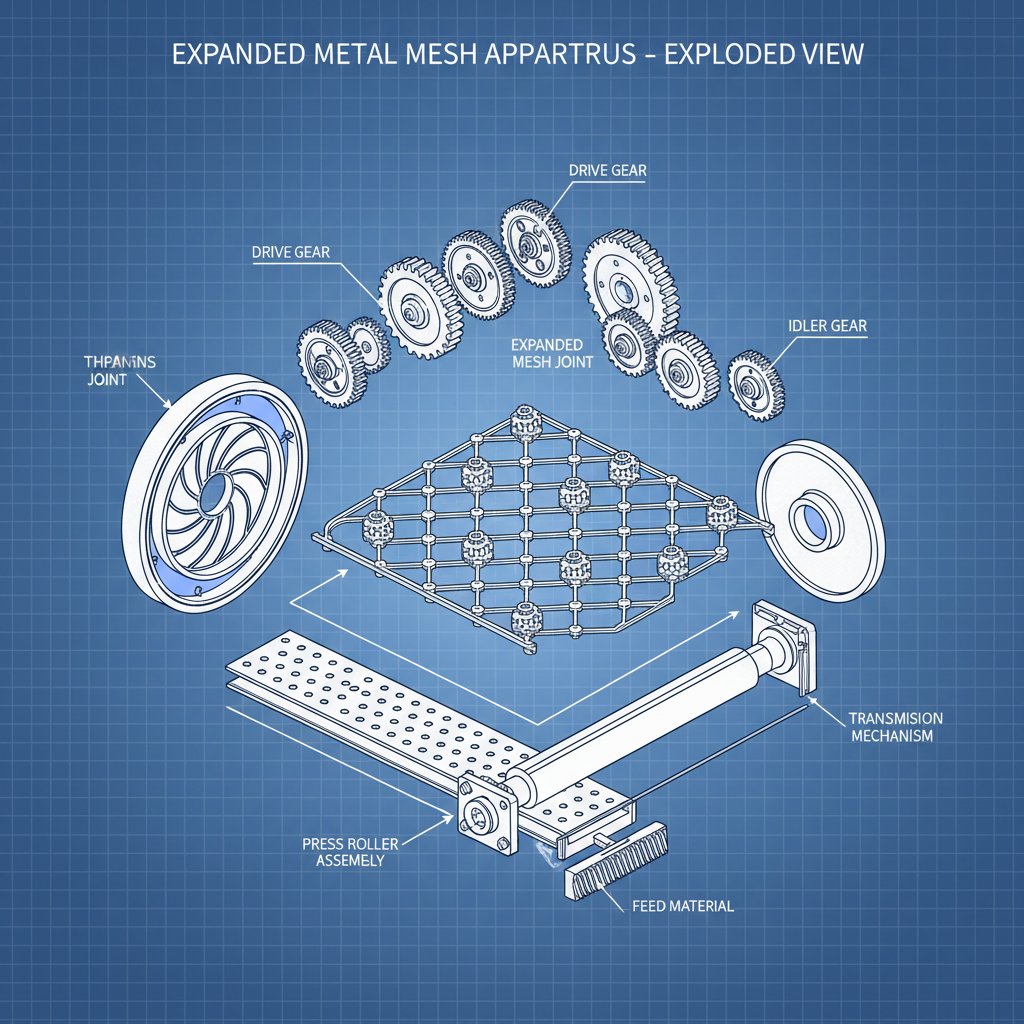
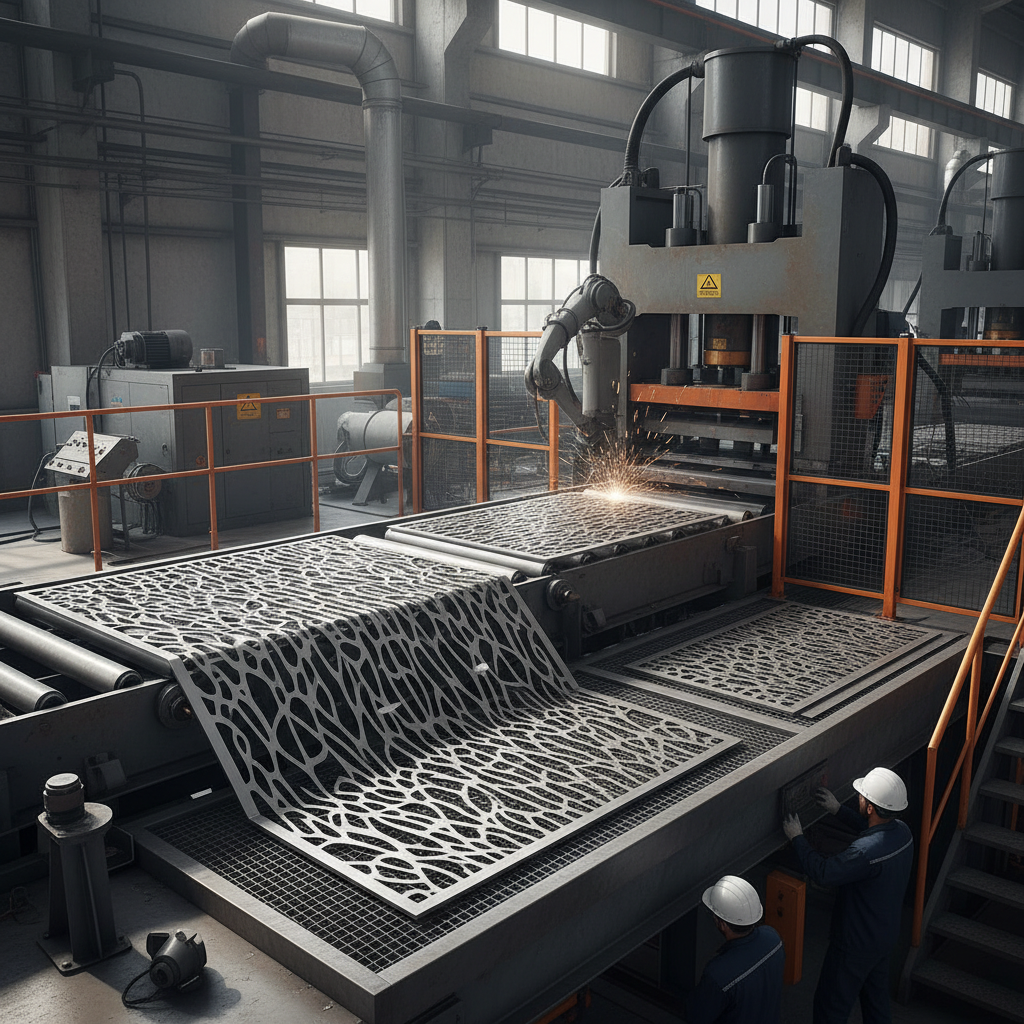
Stainless expanded mesh isn't woven; it's created by slitting and stretching metal sheets. This process forms a rigid mesh with diamond-shaped openings. Unlike woven wire mesh, expanded metal maintains a high load-bearing capacity and doesn’t unravel. The most common stainless steel grades used in expanded mesh production include 304, 316, and 316L, each offering varying degrees of corrosion resistance. Tikemetal’s stainless expanded mesh is manufactured to precise specifications, ensuring consistent quality and performance.
Key Characteristics: Rigid, high load-bearing capacity, corrosion-resistant, open structure, no unraveling.
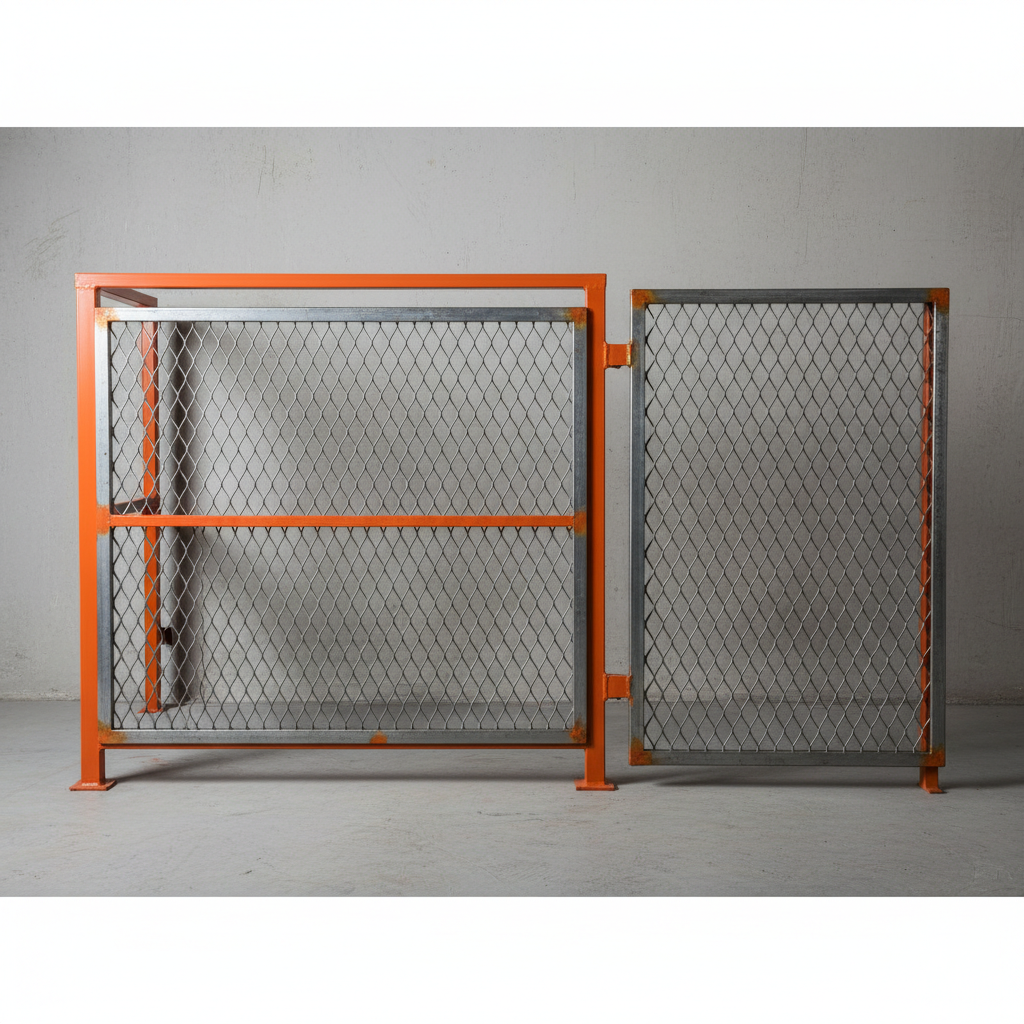
The applications of stainless expanded mesh are remarkably diverse. In construction, it’s used for walkways, stair treads, and facade cladding. Industrial applications include filter screens, guards, and support structures. Security applications utilize expanded metal as barriers and protective screens. It's also frequently found in architectural projects, providing aesthetic appeal and functionality. Specific examples include: speaker grills, animal enclosures, and decorative panels.
Common Application Areas:
• Construction (walkways, stair treads)
• Industrial Filtration (screens, separators)
• Security (barriers, guards)
• Architecture (facades, decorative panels)
While both expanded metal and woven wire mesh have their uses, they differ significantly in their properties and applications. Expanded metal offers superior strength and rigidity due to its one-piece construction. Woven wire mesh, on the other hand, can be more flexible and is often preferred for finer filtration applications. The open structure of expanded metal provides better airflow and visibility, making it suitable for guarding and screening purposes.
Selecting the correct expanded mesh requires considering several factors: the stainless steel grade (based on the corrosive environment), the mesh size (opening size), the sheet thickness, and the desired width and length. Tikemetal's experienced team can assist you in determining the optimal specifications for your specific application. We offer custom cutting and fabrication services to meet your exact requirements.
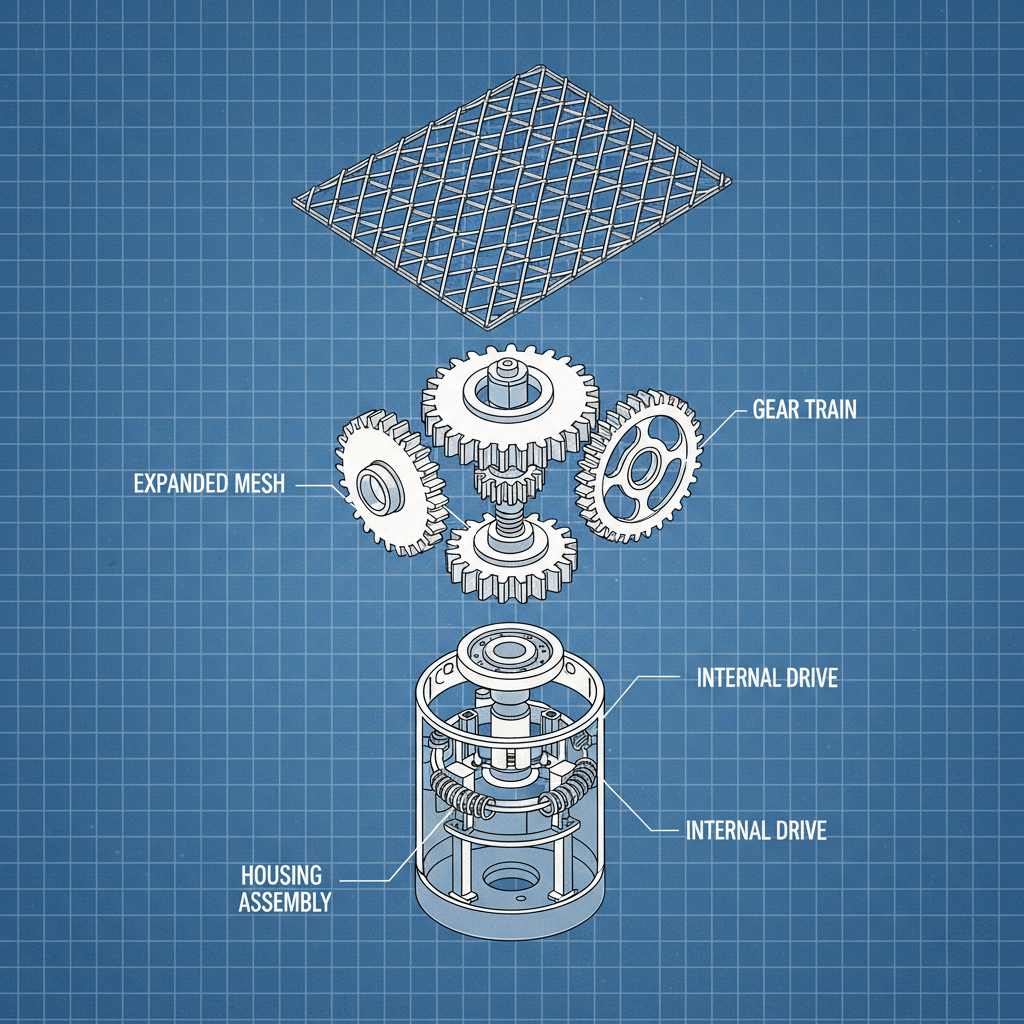
Understanding the different grades of stainless steel is crucial when selecting expanded mesh. 304 stainless steel offers excellent corrosion resistance in general environments. 316 stainless steel provides superior resistance to chlorides and is ideal for marine or coastal applications. 316L is a low-carbon version of 316, offering improved weldability.
Stainless expanded mesh offers a robust and versatile solution for a multitude of applications. Selecting the appropriate grade and specifications is essential for optimal performance and longevity. Tikemetal provides high-quality stainless expanded mesh, expert guidance, and custom fabrication services to meet your specific needs. Invest in durable and reliable expanded metal for lasting results.
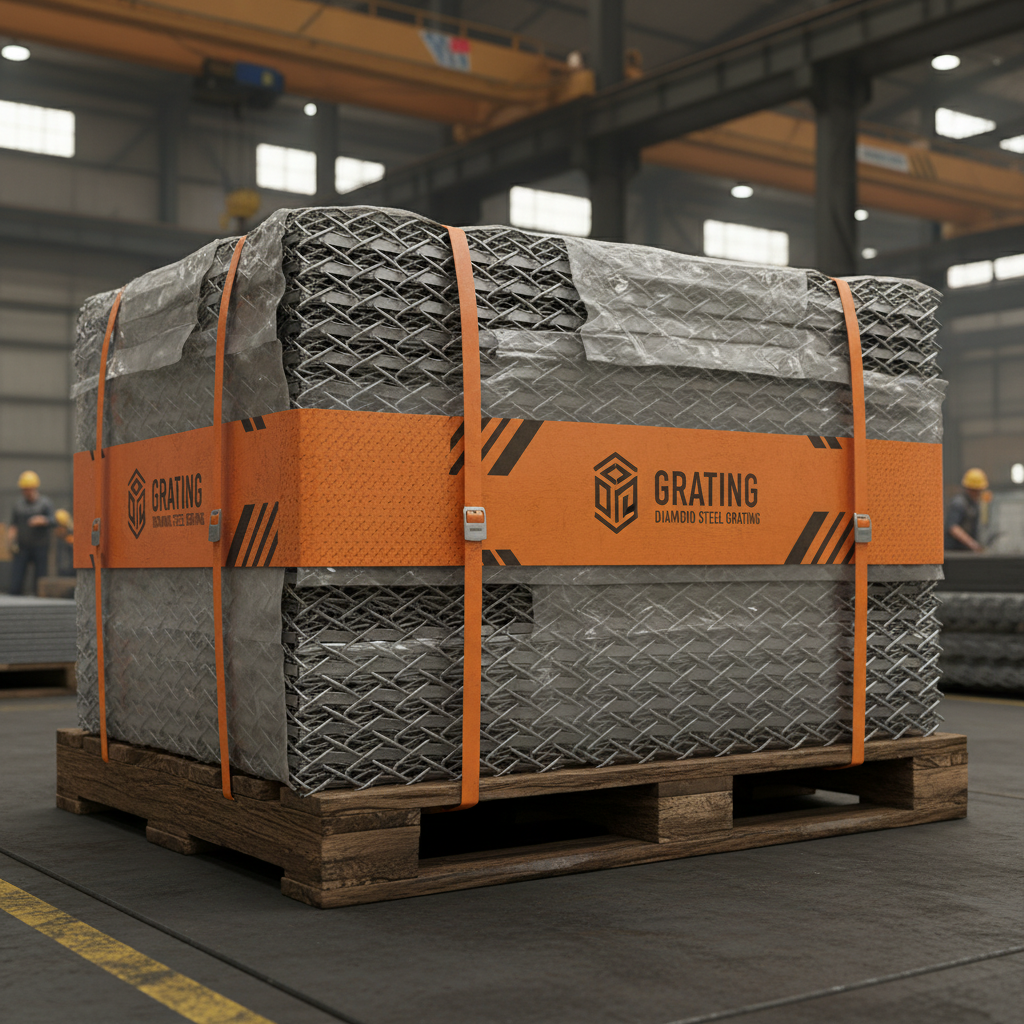
Lead times vary depending on the quantity, specifications, and current production schedule. Generally, standard orders ship within 5-7 business days. Custom orders, especially those requiring fabrication, may take 2-4 weeks. Tikemetal provides accurate lead time estimates during the quoting process and keeps customers informed throughout the production process. We prioritize efficient order processing and timely delivery to ensure customer satisfaction.
Yes, stainless expanded mesh can be painted or coated, although proper surface preparation is crucial for optimal adhesion. The stainless steel surface should be thoroughly cleaned and degreased before applying any coating. Common coatings include powder coating, epoxy coating, and galvanizing. The choice of coating depends on the desired level of corrosion protection and aesthetic appearance. It is recommended to consult with a coating specialist to ensure compatibility and long-term performance.
Both 304 and 316 are common stainless steel grades, but 316 contains molybdenum, which significantly enhances its corrosion resistance, especially in chloride-rich environments like marine or coastal areas. 304 is suitable for general-purpose applications, while 316 is preferred when exposure to harsh chemicals or saltwater is expected. 316 is generally more expensive than 304 due to the molybdenum content. Tikemetal can advise you on the best grade for your application.
Yes, stainless expanded mesh is fully recyclable. Stainless steel is a valuable material that can be repeatedly recycled without losing its properties. Recycling stainless steel conserves resources and reduces environmental impact. Tikemetal promotes sustainable practices and encourages responsible recycling of metal materials.
RELATED PRODUCTS





Top