Serrated steel grating is a versatile and durable flooring and walkway solution widely used in industrial, commercial, and architectural applications. Its unique surface texture, created by raised serrations, provides enhanced slip resistance, making it a safer alternative to smooth steel grating. This article will delve into the key features, benefits, applications, and considerations when choosing serrated steel grating for your project. Properly selected grating contributes to workplace safety and long-term cost-effectiveness.
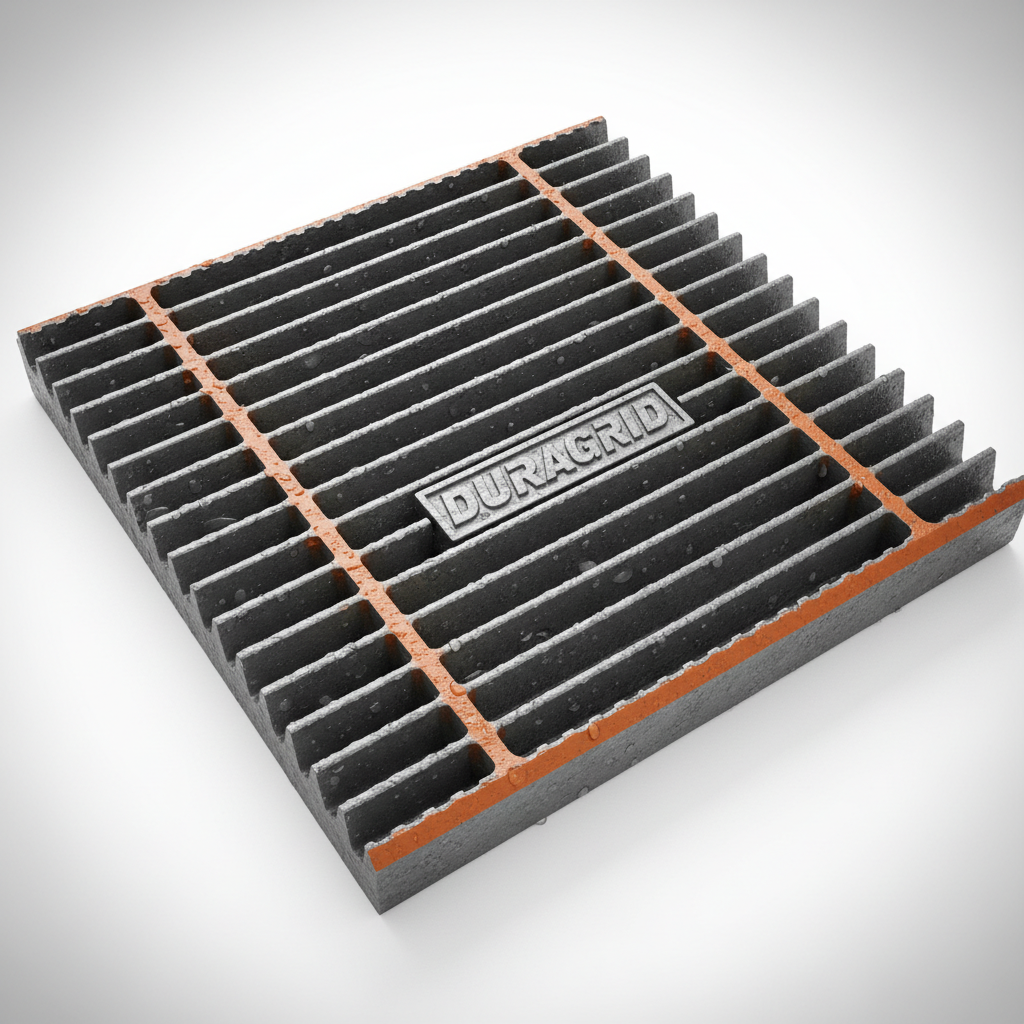
Serrated steel grating is manufactured from welded steel bars, creating a robust and open grid pattern. The distinguishing feature is the addition of raised serrations – small, tooth-like projections – on the surface of the load-bearing bars. These serrations dramatically increase the coefficient of friction, enhancing grip and reducing the risk of slips and falls, particularly in wet or oily environments. The grating is typically made from carbon steel, stainless steel, or aluminum, depending on the application and corrosion resistance requirements. Tikemetal specializes in providing high-quality serrated steel grating solutions tailored to diverse industrial needs.
Key Benefits: Enhanced slip resistance, high strength-to-weight ratio, corrosion resistance (depending on material), durability, and relatively low maintenance.
While both serrated and smooth steel grating offer strength and durability, the addition of serrations provides a significant safety advantage. Smooth steel grating can become dangerously slippery when wet, oily, or covered in debris. Serrated grating offers superior traction under these conditions, reducing the risk of accidents and injuries. The initial cost of serrated grating may be slightly higher, but the increased safety and reduced liability often outweigh this expense.
Key Differences:
• Slip Resistance: Serrated grating offers significantly higher slip resistance.
• Safety: Reduced risk of slips, trips, and falls with serrated grating.
• Cost: Serrated grating typically has a slightly higher initial cost.
• Maintenance: Both require minimal maintenance, but serrated surfaces may accumulate debris more quickly.
The versatility of serrated steel grating makes it ideal for a wide range of applications. Some of the most common include: walkways and platforms in industrial facilities, stair treads, catwalks, mezzanines, trench covers, drainage systems, and offshore platforms. Its strength and open grid design also make it suitable for applications where ventilation and light penetration are important. Because of its durability and corrosion resistance, it is used in environments like chemical plants, wastewater treatment facilities, and marine settings.
Selecting the appropriate serrated steel grating involves several considerations. The load capacity is paramount, and the grating must be able to support the expected weight and traffic. The environment also plays a crucial role – corrosive environments require stainless steel or galvanized grating. The size and shape of the opening are essential for drainage and ventilation. Finally, consider the type of serration; different patterns offer varying degrees of slip resistance. Consult with a reputable supplier like Tikemetal to ensure you select the optimal grating for your specific needs.
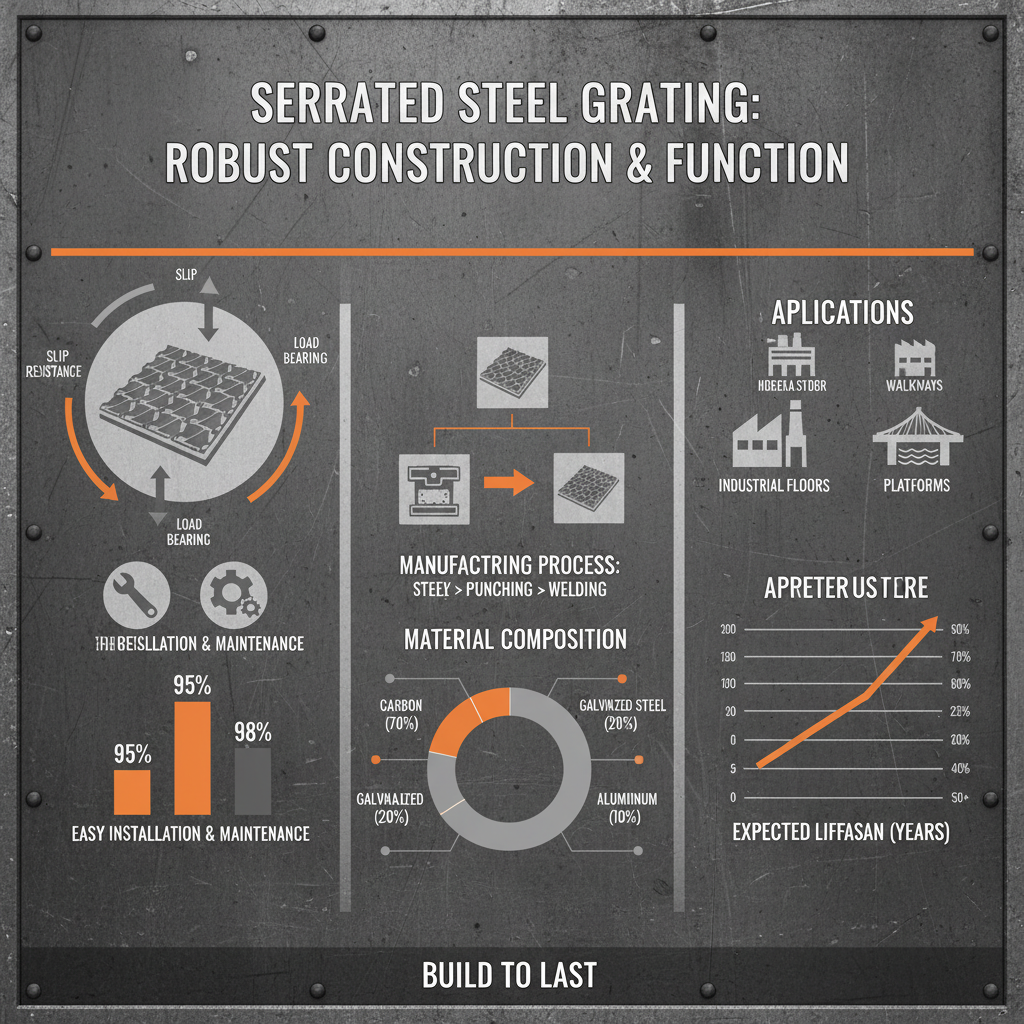
Serrated steel grating is available in various materials to suit different applications. Carbon steel is the most common and cost-effective option for indoor or dry environments. Stainless steel provides excellent corrosion resistance and is ideal for harsh environments, such as chemical plants and marine applications. Aluminum is lightweight and corrosion-resistant, making it suitable for applications where weight is a concern. Galvanization is a cost-effective method for protecting carbon steel from corrosion, offering moderate resistance to rust and weathering.
Investing in high-quality serrated steel grating from a trusted supplier like Tikemetal is a smart decision for any project requiring durable, safe, and reliable flooring or walkway solutions. The enhanced slip resistance and long-term durability provide a significant return on investment, reducing the risk of accidents and minimizing maintenance costs. Choose the right grating for your application and prioritize safety and peace of mind.
The lifespan of serrated steel grating can vary significantly depending on the material, the environment, and the load it bears. Generally, with proper installation and maintenance, carbon steel grating can last 20-30 years, while stainless steel grating can last 50 years or more. Regular inspection for corrosion, damage, or deformation is crucial. Protective coatings and timely repairs can extend the grating's lifespan considerably.
Determining the appropriate load capacity is critical. You must consider both static loads (the weight of permanent fixtures) and dynamic loads (the weight of people, equipment, and moving objects). A safety factor should always be applied to ensure the grating can handle unexpected loads or impacts. Consult with a structural engineer or a grating supplier like Tikemetal to accurately calculate the required load capacity for your specific application.
Installation typically requires skilled labor and appropriate safety equipment. The grating sections are usually secured to a supporting structure using bolts, clips, or welding. Proper alignment and secure fastening are essential to ensure the grating's stability and load-bearing capacity. Tikemetal provides installation guidance and support to ensure a safe and effective installation process.
RELATED PRODUCTS





Top