Wire mesh security fencing plays a critical role in safeguarding infrastructure, protecting perimeters, and ensuring public safety globally. Its versatility, cost-effectiveness, and ease of installation make it a preferred security solution across diverse sectors, from industrial facilities and correctional institutions to residential areas and event venues. Understanding the nuances of wire mesh security fencing – its materials, construction methods, and application techniques – is paramount for effective security planning and implementation.
The demand for robust security solutions is escalating due to increasing global instability and evolving security threats. Traditional fencing methods often fall short in providing the necessary level of protection, leading to a surge in the adoption of advanced systems like wire mesh security fencing. This trend is further driven by the need for non-lethal, visually deterrent, and delay-focused security measures.
Investing in proper wire mesh security fencing not only mitigates physical security risks but also contributes to peace of mind, reduces potential financial losses, and ensures the continuity of operations. It’s a foundational component of a comprehensive security strategy that addresses both present and future challenges.
The Fundamental Characteristics of wire mesh security fencing
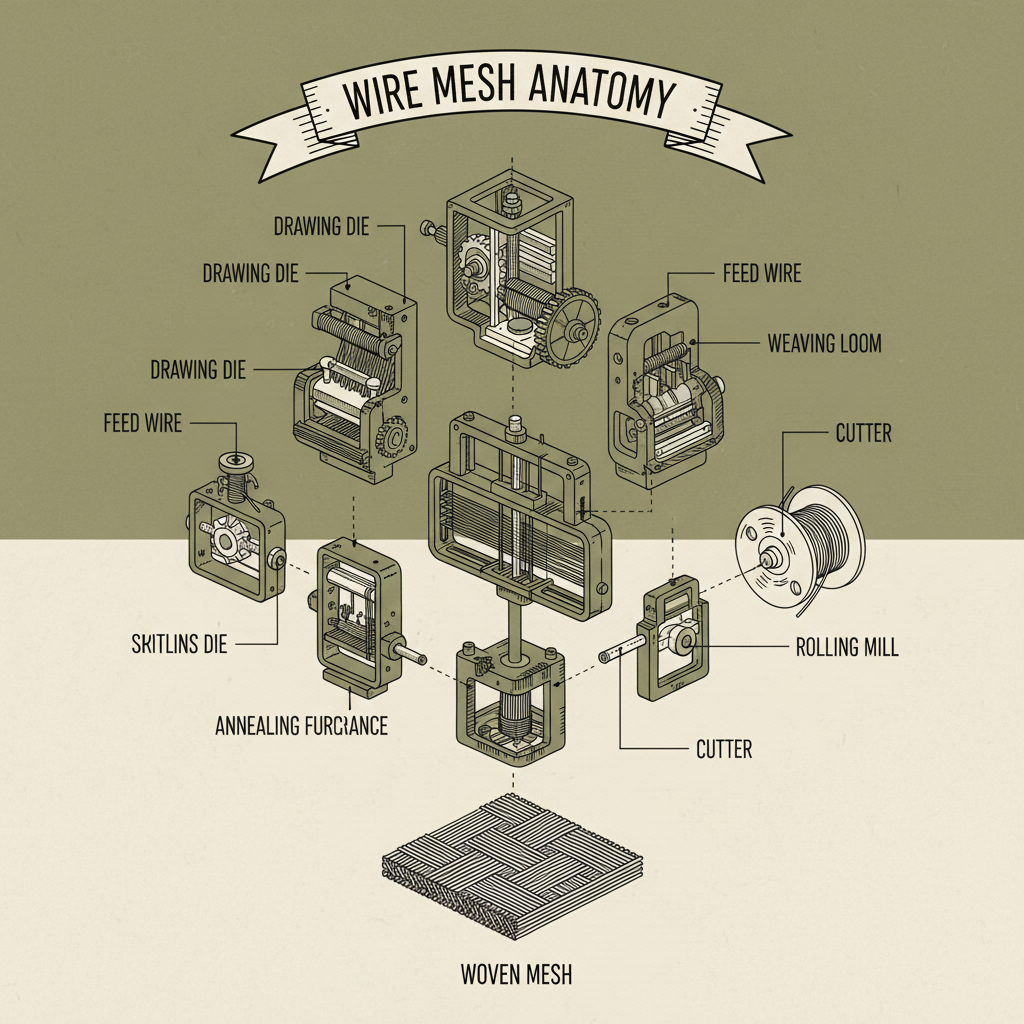
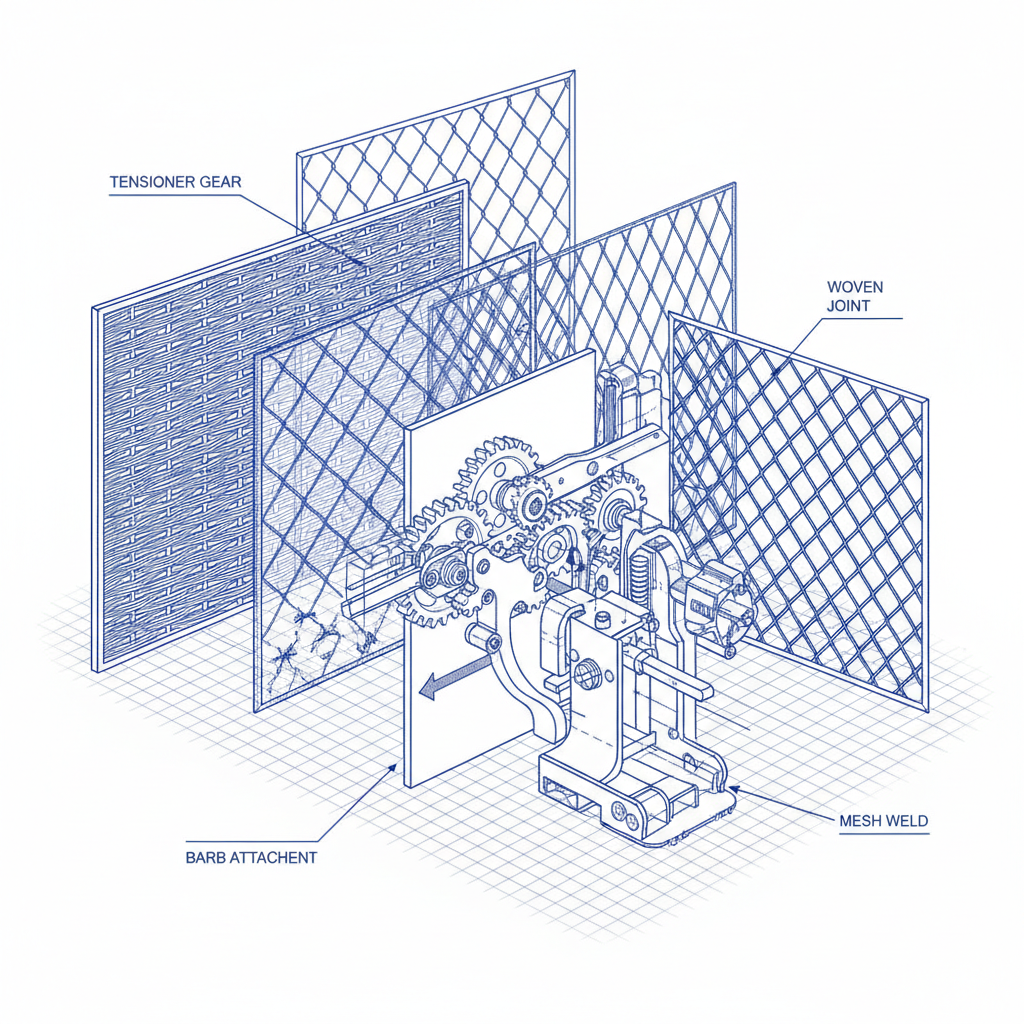
At its core, wire mesh security fencing leverages the strength and flexibility of interwoven wires to create a robust barrier. The key characteristic lies in its ability to provide both physical resistance and visual deterrence. Different weave patterns, such as chain-link, welded wire, and razor wire, contribute to varying levels of security.
The inherent properties of the materials used – typically galvanized steel, stainless steel, or coated alloys – determine the fencing’s resistance to corrosion, weathering, and attempted breaches. Understanding these fundamental characteristics is vital for selecting the appropriate wire mesh security fencing solution for specific needs.
Global Significance and Industry Applications
Wire mesh security fencing has become a globally recognized standard for perimeter protection. Its use transcends geographical boundaries, addressing security concerns in developed and developing nations alike. The United Nations and various humanitarian organizations frequently employ this fencing to secure refugee camps, protect aid distribution points, and maintain order in conflict zones.
Industrially, it is indispensable for protecting critical infrastructure, including power plants, water treatment facilities, and transportation hubs. The ISO 9001 certification for quality management systems is often a prerequisite for suppliers serving these sectors, ensuring consistent product reliability.
Furthermore, the increasing focus on border security worldwide has amplified the demand for high-security wire mesh fencing, particularly in areas prone to illegal immigration and cross-border crime. Investments in this technology are steadily rising, reflecting its growing importance in maintaining national security.
Defining wire mesh security fencing: A Core Component
Wire mesh security fencing is fundamentally a woven or welded network of metallic wires, engineered to form a barrier that deters intrusion and safeguards assets. It's more than just a physical obstacle; it's a crucial component of a layered security system, often integrated with surveillance technologies, lighting, and access control measures.
Its connection to modern industry stems from the need for scalable and cost-effective security solutions that can adapt to evolving threats. Unlike traditional solid barriers, wire mesh fencing offers a degree of transparency, allowing for visual monitoring and reducing the feeling of confinement. This makes it particularly suitable for applications where maintaining visibility is important.
In humanitarian contexts, wire mesh security fencing provides a rapid and efficient means of establishing secure perimeters for temporary settlements and disaster relief operations, ensuring the safety and dignity of vulnerable populations. The relative ease of deployment and portability further enhance its value in these challenging scenarios.
Key Factors Influencing Performance
Several key factors dictate the effectiveness of wire mesh security fencing. Durability, referring to resistance to physical force and environmental factors, is paramount. Scalability, the ability to adapt the fencing system to varying perimeter lengths and heights, is also crucial.
Cost efficiency, considering both initial investment and long-term maintenance expenses, is a significant consideration for many organizations. Installation ease, impacting project timelines and labor costs, contributes to overall practicality. Furthermore, the aesthetic appearance, although sometimes secondary, can be important in maintaining property values and minimizing visual intrusion.
Performance Metrics for Different wire mesh security fencing Types
Real-World Applications and Use Cases
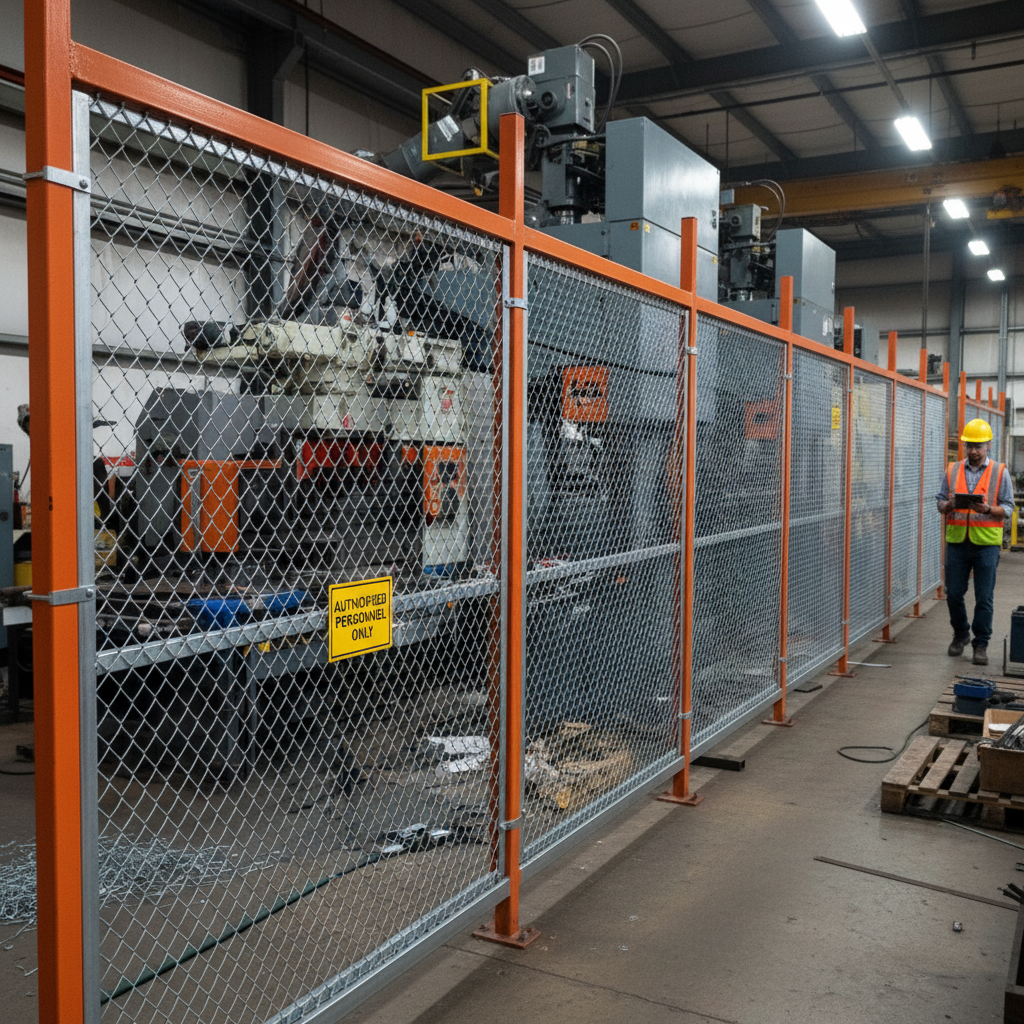
In post-disaster relief operations, wire mesh security fencing is rapidly deployed to establish secure zones for aid distribution, protecting both personnel and supplies. In remote industrial zones, such as mining operations and oil fields, it safeguards valuable assets from theft and vandalism.
Correctional facilities rely heavily on high-security wire mesh fencing to maintain perimeter control and prevent escapes. Agricultural operations utilize it to protect livestock and crops from predators and unauthorized access. Even residential communities are increasingly employing it for enhanced privacy and security.
Tangible Advantages and Long-Term Value
The benefits of wire mesh security fencing extend beyond simple physical protection. Cost-effectively, it offers a superior return on investment compared to many alternative security measures. From a sustainability perspective, galvanized and stainless steel options provide long lifespans with minimal maintenance, reducing the need for frequent replacements.
The social impact is equally significant, fostering a sense of safety and security within communities. By reducing crime and protecting assets, it contributes to economic stability and improved quality of life. Reliability, a cornerstone of its value proposition, ensures consistent performance over time.
Future Trends and Innovations in wire mesh security fencing
The future of wire mesh security fencing is inextricably linked to technological advancements. Smart fencing systems, integrating sensors, cameras, and AI-powered analytics, are gaining traction, providing real-time threat detection and automated alerts.
The development of new materials with enhanced strength and corrosion resistance is also underway. Furthermore, the industry is embracing sustainable manufacturing practices, reducing environmental impact and promoting responsible sourcing of materials. Digital twin technology will allow for virtual prototyping and optimization of fencing designs.
Automation in installation processes, employing robotic systems and prefabricated panels, will accelerate project timelines and reduce labor costs. The convergence of physical security with cybersecurity, ensuring the integrity of smart fencing systems against hacking and data breaches, will be a critical focus.
Comparison of Key Features and Benefits of Wire Mesh Security Fencing Options
| Fencing Type |
Security Level (1-10) |
Installation Complexity (1-10) |
Cost per Meter ($) |
| Chain-Link Fencing |
5 |
3 |
15 |
| Welded Wire Mesh |
7 |
4 |
25 |
| Razor Wire Topping |
9 |
6 |
10 (addition to existing fence) |
| High Security Paladin |
10 |
7 |
40 |
| 358 Mesh Fencing |
8 |
5 |
30 |
| Paladin with Smart Sensors |
10 |
8 |
55 |
FAQS
Chain-link fencing is typically more affordable and easier to install, but offers lower security due to its flexibility. Welded wire mesh provides a more rigid and robust barrier, offering better resistance to cutting and climbing, making it a preferred choice for higher-security applications. The welded construction prevents the mesh from easily being pulled apart, enhancing its overall strength and durability.
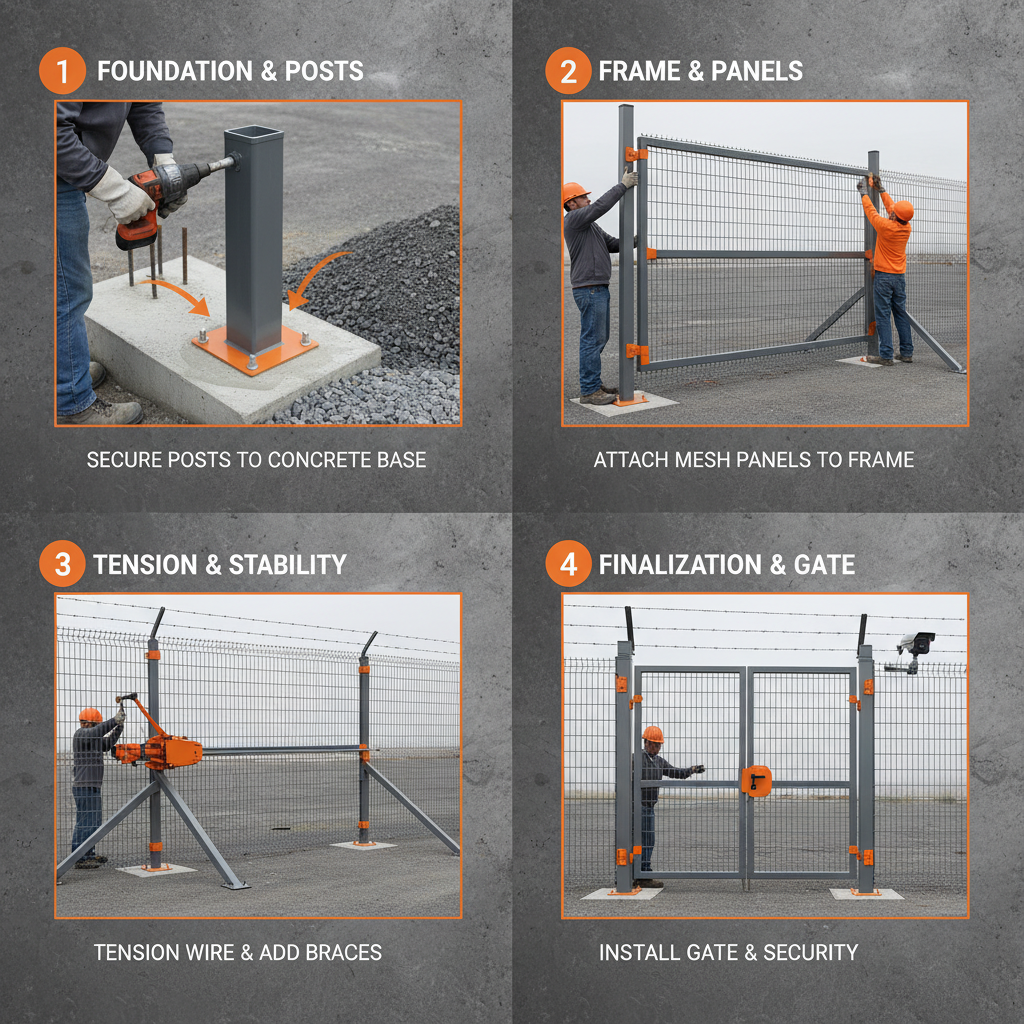
Installation time varies depending on the perimeter length, terrain, and type of fencing. A straightforward chain-link installation might take a few days, while a more complex high-security system with integrated sensors could take several weeks. Proper site preparation, including post setting and concrete curing, significantly impacts the overall timeline. Professional installation is recommended to ensure structural integrity and optimal performance.
Regular maintenance includes inspecting for damage, such as cuts, breaks, or corrosion, and promptly repairing any identified issues. Galvanized or stainless steel options require minimal maintenance, but periodic cleaning to remove dirt and debris is recommended. Checking and tightening fasteners, as well as ensuring proper gate operation, are also essential maintenance tasks.
Wire mesh fencing can be adapted to various terrains, but certain considerations are necessary. Sloping ground may require stepped or contoured fencing to maintain a uniform appearance and prevent gaps. Rocky or uneven ground may necessitate additional post reinforcement or specialized installation techniques. Proper site assessment is crucial for determining the most appropriate installation method.
The gauge of the wire refers to its thickness. A lower gauge number indicates a thicker wire, resulting in a more robust and secure fencing system. Thicker wires are more resistant to cutting and bending, making them more difficult to breach. Selecting the appropriate wire gauge depends on the level of security required and the anticipated threats.
Costs vary widely depending on the type of fencing, perimeter length, terrain, and installation complexity. Factors such as material costs, labor rates, and permitting fees all contribute to the overall expense. It’s best to obtain multiple quotes from reputable installers to compare pricing and ensure a competitive rate. Budget for potential site preparation and ongoing maintenance costs as well.
Conclusion
In conclusion, wire mesh security fencing stands as a versatile, cost-effective, and reliable solution for a wide range of perimeter protection needs. Its adaptability to diverse environments, coupled with ongoing innovation in materials and technologies, solidifies its position as a cornerstone of modern security infrastructure. Understanding its fundamental characteristics, application possibilities, and future trends is crucial for making informed decisions and implementing effective security strategies.
Looking ahead, the integration of smart technologies and sustainable practices will further enhance the value of wire mesh security fencing. Investing in high-quality materials, professional installation, and proactive maintenance will ensure long-term performance and safeguard assets for years to come. Visit our website at www.tikemetal.com to explore our comprehensive range of wire mesh security fencing solutions.