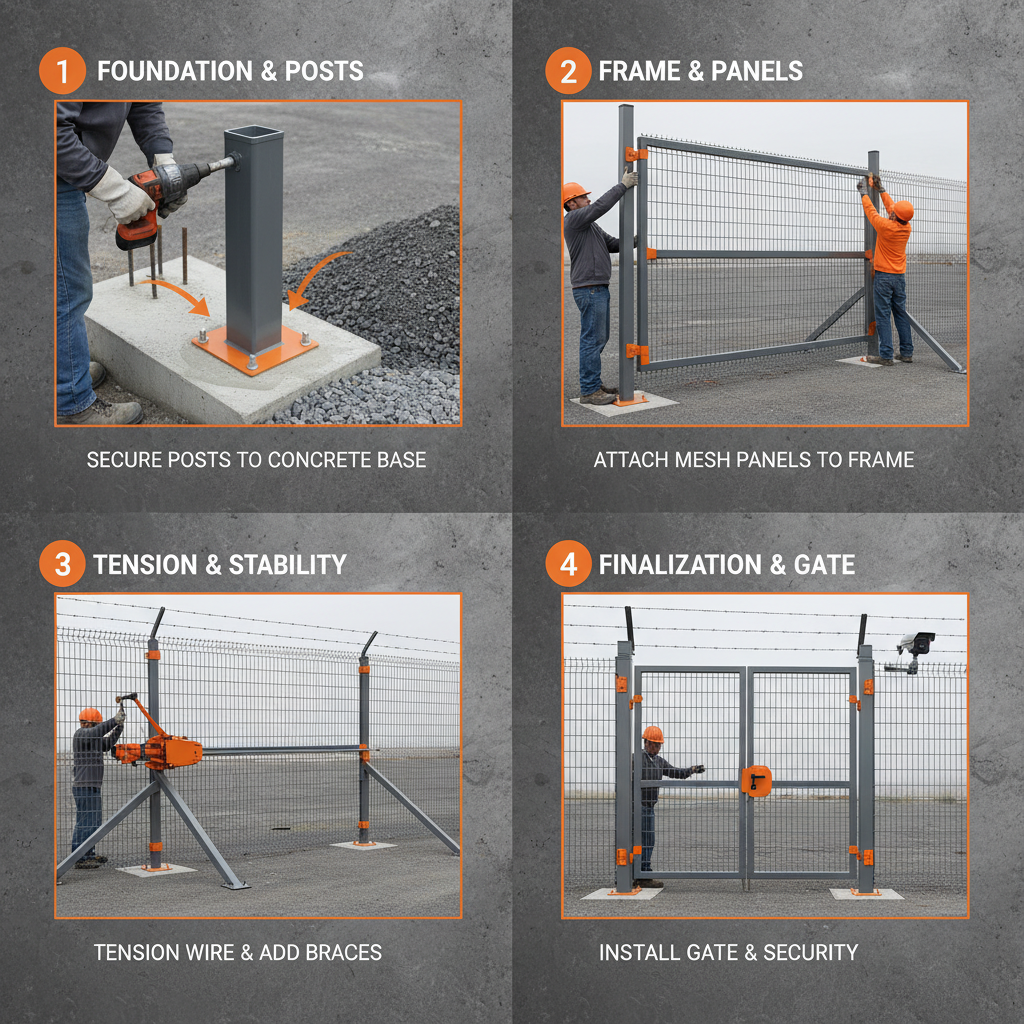
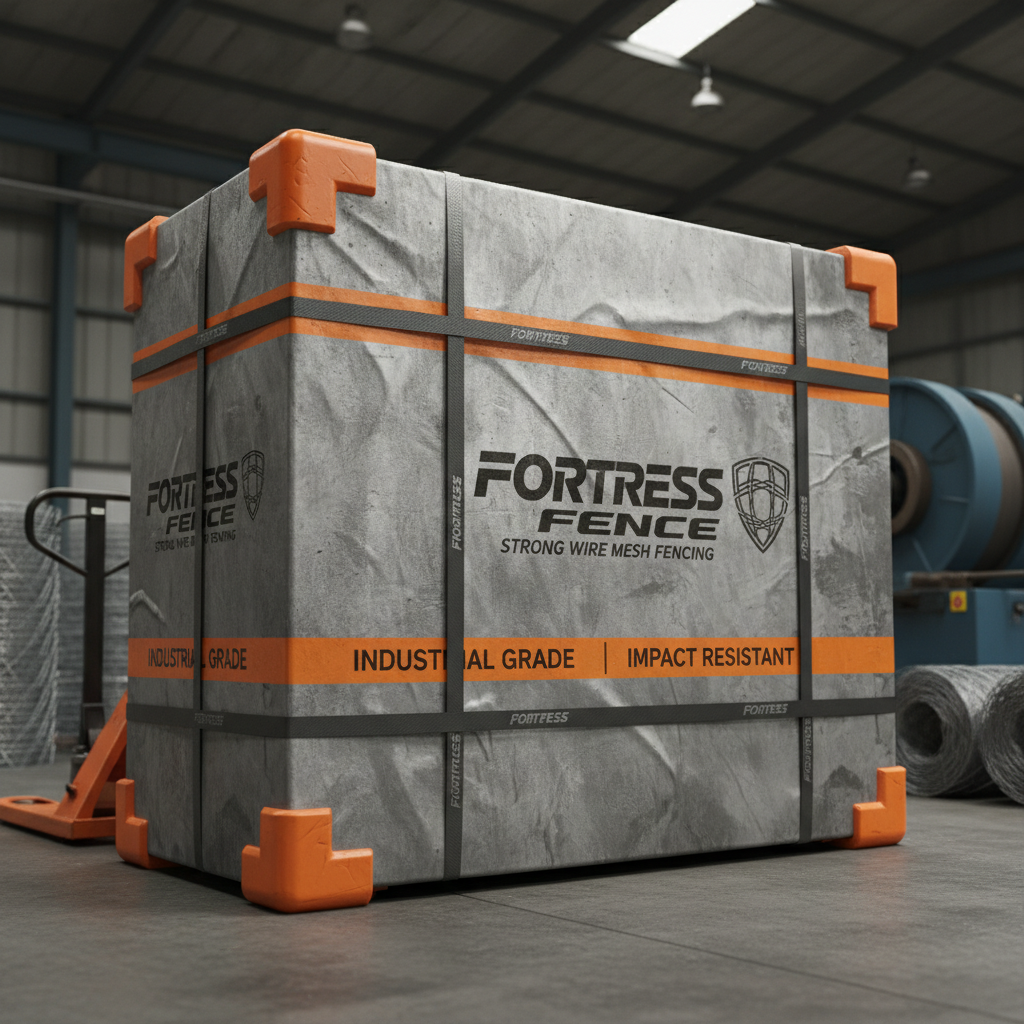
Wire mesh security fence plays a crucial role in modern safety and security solutions worldwide. From protecting critical infrastructure to delineating property boundaries, its versatility and robustness make it a preferred choice across various sectors. Understanding its applications, benefits, and future trends is paramount for professionals in security, construction, and disaster relief, as well as for individuals seeking effective perimeter protection. The growing need for adaptable and cost-effective security measures fuels the demand for innovative wire mesh security fence solutions.
Globally, the demand for enhanced security is rising due to increasing geopolitical instability, urbanization, and the need to protect vital assets. According to the United Nations Office on Drugs and Crime, property crime remains a significant concern in many regions, driving the need for effective deterrents. The World Bank estimates that infrastructure investment needs exceed $1 trillion annually, much of which requires robust security measures during construction and operation. Wire mesh security fence offers a scalable and relatively inexpensive solution to address these challenges.
Modern ISO standards increasingly emphasize the importance of perimeter security in various industrial settings, further bolstering the adoption of wire mesh security fence. This creates a dynamic market for manufacturers, installers, and consultants specializing in these systems.
Introduction to Wire Mesh Security Fence
Wire mesh security fence, in its simplest form, is a barrier constructed from woven or welded wire to provide perimeter security. However, modern systems are far more sophisticated, incorporating materials like galvanized steel, stainless steel, and even specialized polymer coatings to enhance durability and resistance to corrosion. These fences are designed to deter, delay, and detect intrusions, providing a crucial layer of protection for a wide range of assets.
The applications of wire mesh security fence extend beyond simple perimeter control. They play a vital role in protecting critical infrastructure such as power plants, water treatment facilities, and transportation hubs. Furthermore, they are frequently utilized in high-security environments like correctional facilities, airports, and military installations. The inherent flexibility and adaptability of wire mesh construction allow for tailored solutions to meet specific security requirements.
Defining Wire Mesh Security Fence
Wire mesh security fence is a robust barrier system primarily designed to prevent unauthorized access to a defined area. Unlike traditional solid fences, wire mesh provides excellent visibility for surveillance while maintaining a high level of security. It's a cost-effective alternative to concrete walls or more complex electronic security systems, particularly for large perimeters. The term encompasses various types of construction, including woven wire, welded wire, chain-link, and specialized security meshes with anti-climb and anti-cut features.
This concept is intrinsically linked to modern industrial and humanitarian needs. In industries dealing with valuable assets or sensitive information, a secure perimeter is non-negotiable. In humanitarian contexts, wire mesh security fence can quickly establish safe zones in refugee camps, protect aid distribution points, and provide temporary security during disaster relief efforts.
The evolution of wire mesh security fence reflects a continuous pursuit of improved security features combined with practical installation and cost considerations. New materials and construction techniques are constantly being developed to address emerging threats and enhance the overall effectiveness of these systems.
Core Components of Effective Security
Durability is a cornerstone of any effective security fence. High-quality materials and robust construction techniques are essential to withstand harsh weather conditions, attempted breaches, and the test of time. Galvanized steel, known for its corrosion resistance, and stainless steel, prized for its exceptional strength, are commonly used in wire mesh security fence construction.
Scalability refers to the ability to adapt the fence system to varying terrain and security needs. Modular designs and adjustable heights allow for customization to fit specific site requirements. The system should be easily extendable to cover larger areas as needed, without compromising the overall security integrity.
Cost efficiency is a major advantage of wire mesh security fence compared to other security options. The relatively low material costs and ease of installation translate to significant savings, making it an attractive option for budget-conscious organizations and individuals. Furthermore, minimal maintenance requirements contribute to long-term cost savings.
Global Applications and Real-World Use Cases
Wire mesh security fence finds widespread applications across diverse sectors globally. In post-disaster relief operations, it's used to create secure camps for displaced populations, protecting them from external threats and ensuring the orderly distribution of aid. In remote industrial zones, such as mining operations and oil refineries, it safeguards valuable equipment and infrastructure from theft and vandalism.
Throughout Europe, high-security facilities, including airports and correctional institutions, rely heavily on wire mesh security fence to maintain perimeter control. In North America, it's commonly used to protect commercial properties, data centers, and government facilities. Across Asia, rapidly growing urban centers utilize it to secure residential areas, industrial parks, and critical infrastructure projects.
The United States Department of Homeland Security frequently employs wire mesh security fence systems along borders and around sensitive government installations. Similarly, the United Nations utilizes these fences to protect peacekeeping missions and humanitarian aid operations in conflict zones worldwide. These real-world examples underscore the critical role wire mesh security fence plays in ensuring safety and security on a global scale.
Comparative Analysis of Wire Mesh Security Fence Methods
Advantages and Long-Term Value Proposition
The tangible benefits of wire mesh security fence are numerous. Cost savings are significant, both in initial investment and long-term maintenance. Compared to concrete walls or elaborate electronic systems, wire mesh provides a highly effective security solution at a fraction of the price. Sustainability is another key advantage, as steel is a recyclable material, contributing to environmentally responsible construction.
Beyond the practical benefits, wire mesh security fence provides peace of mind and enhances the sense of security for individuals and organizations. Knowing that a perimeter is effectively protected instills trust and confidence. Moreover, the innovative materials and construction techniques employed in modern systems demonstrate a commitment to safety and security, fostering a positive image.
Future Trends and Innovations in the Field
Emerging trends point towards the integration of smart technologies into wire mesh security fence systems. Sensors, cameras, and alarm systems are increasingly being incorporated to provide real-time monitoring and intrusion detection. These "smart fences" can transmit alerts to security personnel, enabling rapid response to potential threats.
Further innovations focus on developing more resilient and tamper-proof materials. Advanced coatings and mesh designs are being explored to enhance resistance to cutting, climbing, and other forms of attack. Furthermore, the adoption of sustainable materials and eco-friendly manufacturing processes is gaining momentum, aligning with growing environmental concerns.
Common Challenges and Innovative Solutions
A common challenge is the potential for determined intruders to circumvent wire mesh security fence using specialized tools. Innovative solutions involve incorporating anti-climb features such as barbed wire extensions or strategically placed obstacles. Regularly scheduled inspections and maintenance are also crucial to identify and address any vulnerabilities.
Another challenge is adapting to uneven terrain or complex site layouts. Flexible and modular fence systems that can conform to varying contours are essential. Professional installation by experienced contractors ensures proper tensioning and alignment, maximizing the security effectiveness.
Addressing these challenges requires a proactive approach, combining robust materials, innovative designs, and skilled installation techniques. Continuous research and development are crucial to stay ahead of evolving threats and maintain the effectiveness of wire mesh security fence systems.
Summary of Key Factors Influencing Wire Mesh Security Fence Performance
| Material Quality |
Installation Technique |
Maintenance Schedule |
Environmental Factors |
| Galvanized Steel |
Professional Tensioning |
Annual Inspection |
Coastal Salinity |
| Stainless Steel |
Secure Post Anchoring |
Post-Storm Check |
Extreme Temperatures |
| Polymer Coated |
Proper Grounding |
Regular Cleaning |
UV Exposure |
| High Tensile Wire |
Correct Mesh Spacing |
Prompt Repair |
Humidity Levels |
| Welded Wire Mesh |
Reinforced Gates |
Corrosion Treatment |
Wind Load |
| Chain-Link Fabric |
Anti-Climb Additions |
Vandalism Prevention |
Seismic Activity |
FAQS
Wire mesh security fence offers superior visibility for surveillance, allowing security personnel to monitor the perimeter effectively. It’s also generally more cost-effective to install and maintain than solid fences. Furthermore, wire mesh is often lighter and more flexible, making it easier to adapt to uneven terrain. These benefits translate into a more secure, efficient, and economical security solution.
With proper materials and installation, a well-maintained wire mesh security fence can last for 20-30 years or even longer. The longevity depends on factors such as the quality of the materials (galvanized steel vs. stainless steel), the severity of the environmental conditions, and the frequency of maintenance, including cleaning and corrosion treatment. Regular inspections are key to identifying and addressing any issues before they escalate.
Yes, wire mesh security fence is widely used in high-security applications. Specialized security meshes, featuring anti-climb and anti-cut features, are designed to resist even determined attempts at intrusion. These systems often incorporate additional security measures, such as barbed wire extensions, electric fences, and advanced surveillance technologies, to create a multi-layered defense.
Installation costs vary depending on factors such as the length of the fence, the height, the type of mesh, the terrain, and the labor rates in your area. Generally, wire mesh security fence is more cost-effective than concrete walls or other solid barriers. Obtaining quotes from multiple contractors is recommended to ensure competitive pricing and a clear understanding of the total project cost.
Regular maintenance includes annual inspections to check for corrosion, damage, or loose connections. Cleaning the fence to remove dirt and debris is also important. Promptly repairing any damaged sections, such as cuts or tears in the mesh, prevents further deterioration. Applying protective coatings can help extend the lifespan of the fence, especially in harsh environments.
Wire mesh security fence is generally considered to be environmentally friendly compared to some other security options. Steel is a recyclable material, and many manufacturers are adopting sustainable production practices. The lower material usage and reduced carbon footprint associated with wire mesh production contribute to its environmental benefits. Additionally, it requires less land clearing than solid barriers like concrete walls.
Conclusion
In conclusion, wire mesh security fence represents a versatile, cost-effective, and reliable solution for perimeter protection across a broad spectrum of applications. From safeguarding critical infrastructure to providing security in humanitarian crises, its adaptability and durability make it an indispensable tool for security professionals and individuals alike. The continuous innovation in materials and smart technologies further enhances its effectiveness and long-term value.
Looking ahead, the integration of smart security features and a growing emphasis on sustainable materials will drive further advancements in wire mesh security fence technology. Investing in a well-designed and properly installed system provides long-lasting security and peace of mind. To learn more about our comprehensive range of wire mesh security fence solutions, visit our website at www.tikemetal.com.