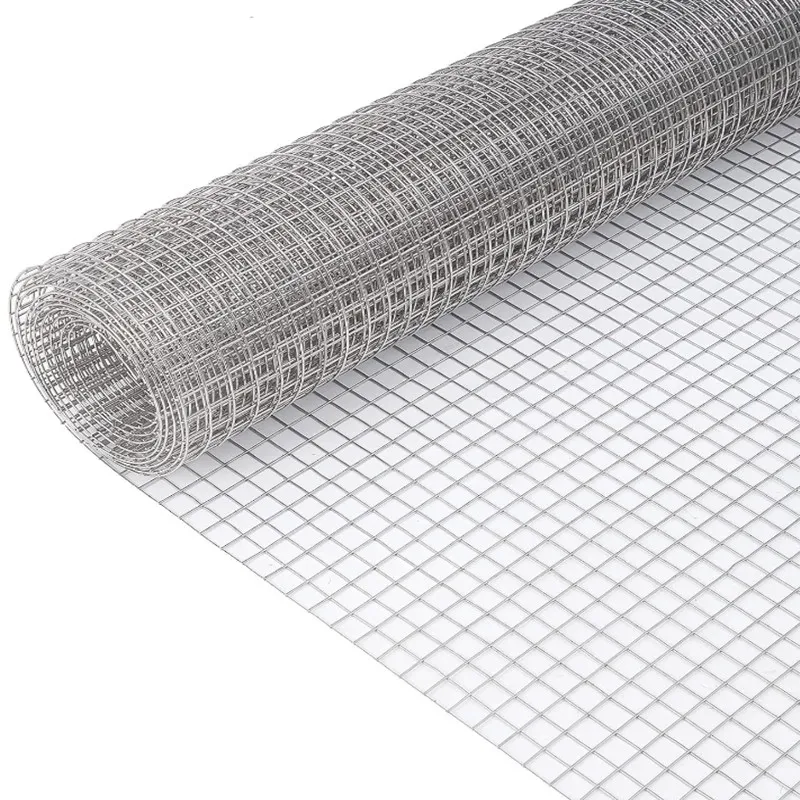
Galvanized steel bar grating is a widely used industrial flooring and safety component, known for its strength, durability, and corrosion resistance. This article provides an in-depth exploration of galvanized steel bar grating, covering its applications, benefits, types, and essential considerations for selection. Whether you're involved in construction, manufacturing, or infrastructure projects, understanding the properties of this versatile material is crucial.
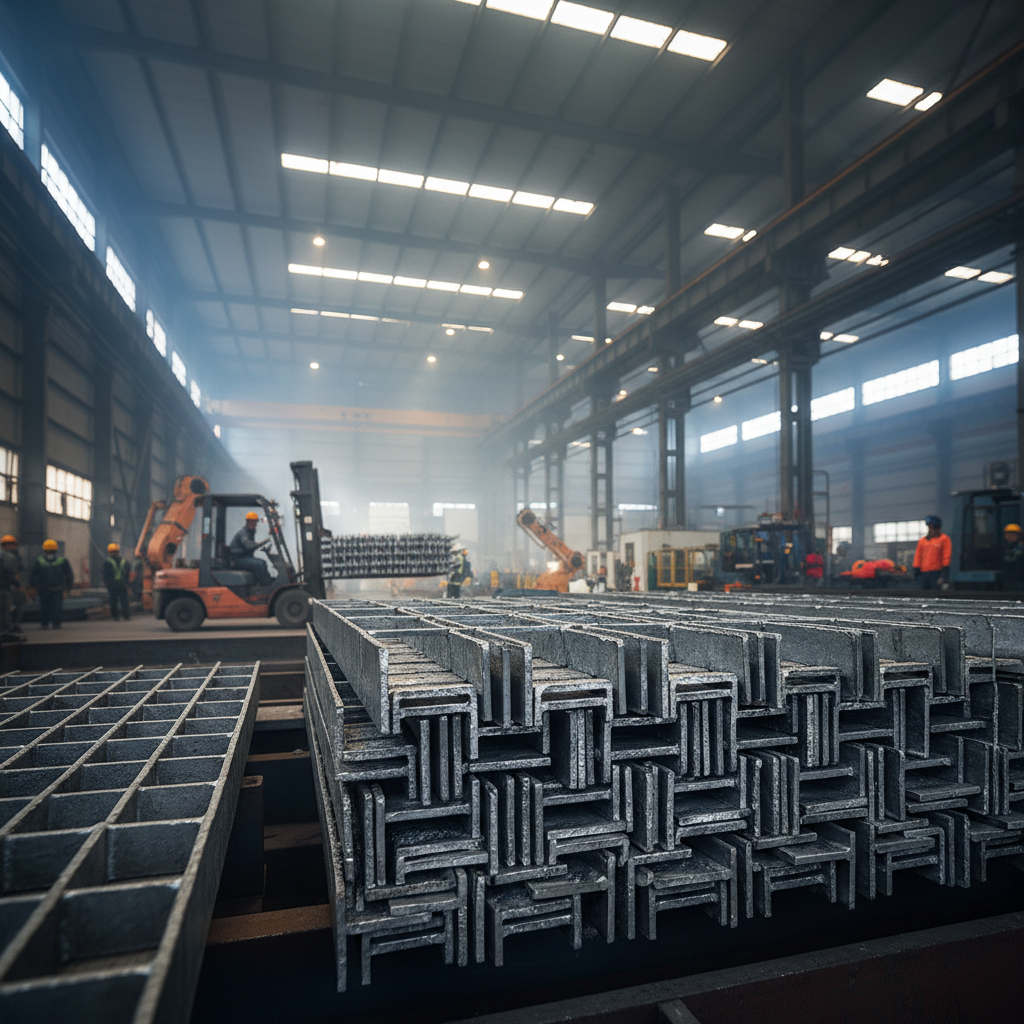
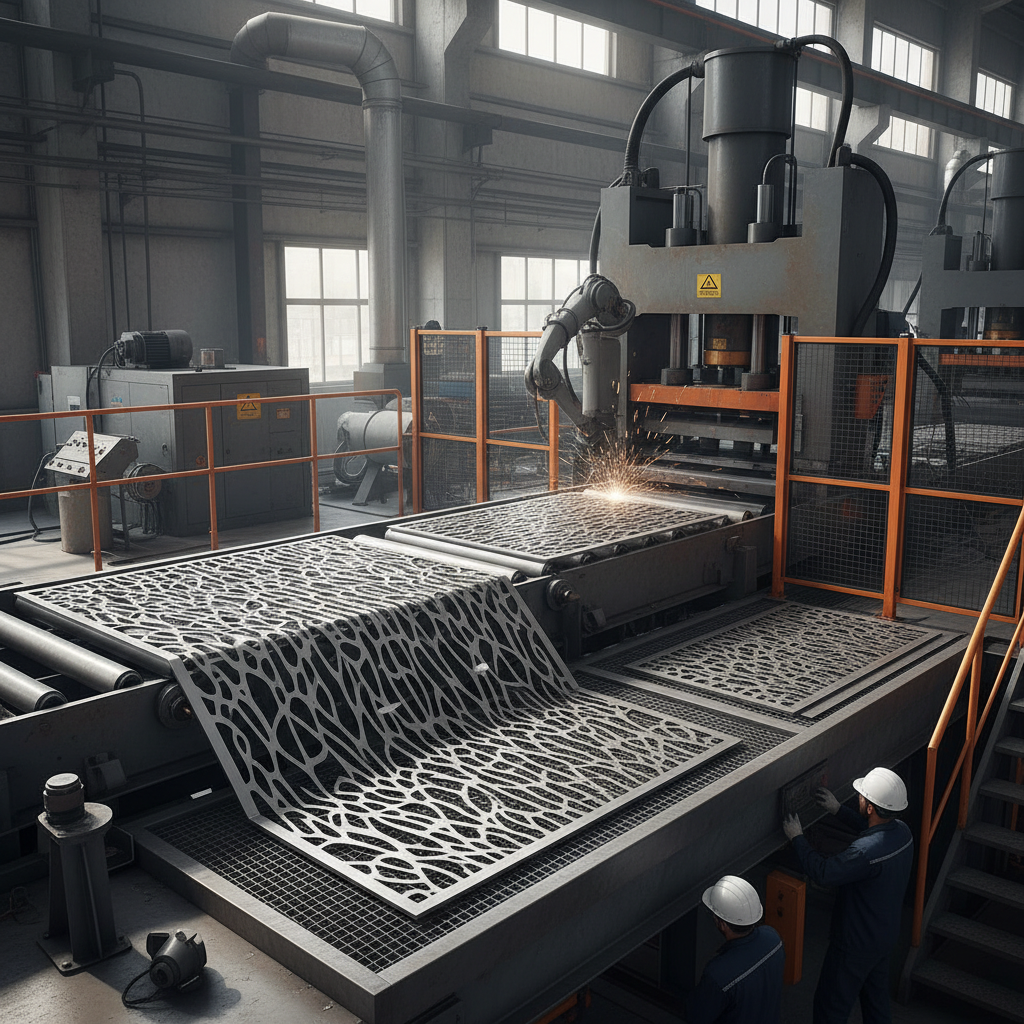
Galvanized steel bar grating consists of a series of metal bars welded together to form a strong, open grid. The 'galvanized' aspect refers to the coating of zinc applied to the steel, providing exceptional protection against rust and corrosion. This makes it ideal for both indoor and outdoor environments where exposure to moisture and harsh elements is common. Its open design allows for the passage of light, air, and liquids, making it suitable for a diverse range of applications.
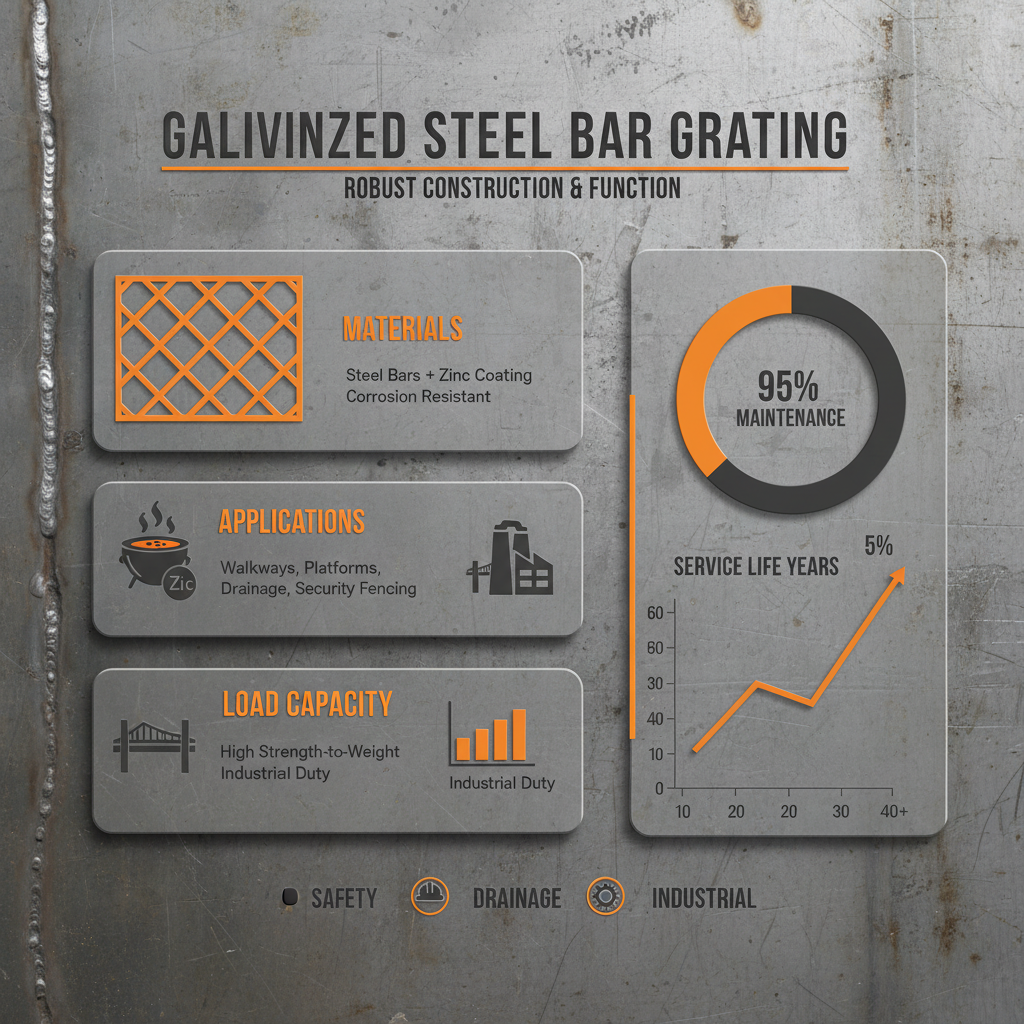
Key Benefit: The zinc coating significantly extends the lifespan of the steel, reducing maintenance costs and ensuring long-term performance.
The versatility of galvanized steel bar grating lends itself to numerous applications across various industries. These include: walkways, stair treads, platforms, mezzanines, drainage systems, ventilation covers, security fencing, and equipment access. It’s commonly found in industrial plants, commercial buildings, wastewater treatment facilities, and oil & gas platforms. Its robust nature ensures safe and reliable footing in demanding environments.
Application Areas:
• Industrial Plants
• Wastewater Treatment
• Commercial Buildings
• Oil & Gas Platforms
Several types of galvanized steel bar grating are available, each suited to specific load-bearing and aesthetic requirements. The most common include: welded, swaged, and riveted grating. Welded grating is the most popular due to its cost-effectiveness and strength. Swaged grating offers a more aesthetically pleasing look with a streamlined surface. Riveted grating provides exceptional strength for heavy-duty applications. Key specifications to consider when selecting include the bar size, spacing, bearing bar thickness, and overall dimensions. Tike Metal offers a wide range of options to meet diverse needs.
Using galvanized steel bar grating offers numerous advantages, including: high strength-to-weight ratio, low maintenance, excellent corrosion resistance, long lifespan, slip-resistant surface, and cost-effectiveness. The open grid design also promotes ventilation and allows for easy cleaning. It contributes to a safer working environment by reducing the risk of slips and falls. Furthermore, the material is recyclable, making it an environmentally responsible choice.
Proper installation is vital to ensure the safety and longevity of galvanized steel bar grating. It's essential to follow manufacturer's guidelines and relevant industry standards. Adequate support structures are crucial to prevent deflection and ensure load-bearing capacity. Safety precautions should be taken during installation, including wearing appropriate personal protective equipment (PPE) such as gloves, safety glasses, and steel-toed boots. Regularly inspect the grating for any signs of damage or corrosion and address any issues promptly.
Galvanized steel bar grating remains a crucial component in a wide array of industrial and commercial applications. Its strength, durability, and corrosion resistance make it a cost-effective and reliable solution for flooring, safety platforms, and more. By carefully considering the specific requirements of your project and selecting the appropriate type of grating, you can ensure a safe, long-lasting, and efficient outcome.
The lifespan of galvanized steel bar grating depends on the environment and level of maintenance. However, under normal conditions, it can last for 20-30 years or even longer. Regular inspection and cleaning can help to extend its lifespan. Factors such as exposure to saltwater, corrosive chemicals, and abrasion can reduce its longevity. Periodic re-galvanization can be considered for extending its service life in harsh environments.
The load capacity of galvanized steel bar grating varies significantly depending on the bar spacing, bar thickness, and the overall design. It’s crucial to consult the manufacturer's specifications and load tables to determine the appropriate grating for your application. Factors such as distributed loads, concentrated loads, and impact loads must be considered. Proper support structures are essential for ensuring the grating can safely handle the anticipated loads. Tike Metal provides detailed load capacity information for its products.
While the surface of galvanized steel bar grating isn’t inherently highly slip-resistant, the open grid design provides some degree of traction. However, in wet or oily conditions, it can become slippery. To improve slip resistance, consider adding a surface treatment such as grit coating, serrated bars, or applying anti-slip treads. Choosing the correct bar profile and spacing can also help enhance traction.
Galvanized steel is a relatively environmentally friendly material. Zinc is a naturally occurring element and is recyclable. The galvanization process itself produces minimal waste. Steel is also one of the most recycled materials in the world. The long lifespan of galvanized steel reduces the need for frequent replacements, conserving resources and minimizing landfill waste.
RELATED PRODUCTS





Top