Mild steel grating is a versatile and durable construction material used in a wide range of industrial and commercial applications. Known for its strength, affordability, and open grid design, it provides excellent drainage, ventilation, and safety. This article will explore the properties, applications, types, and benefits of mild steel grating, providing a thorough understanding for engineers, architects, and anyone involved in construction or infrastructure projects. Choosing the right grating ensures longevity and optimizes performance for your specific needs.
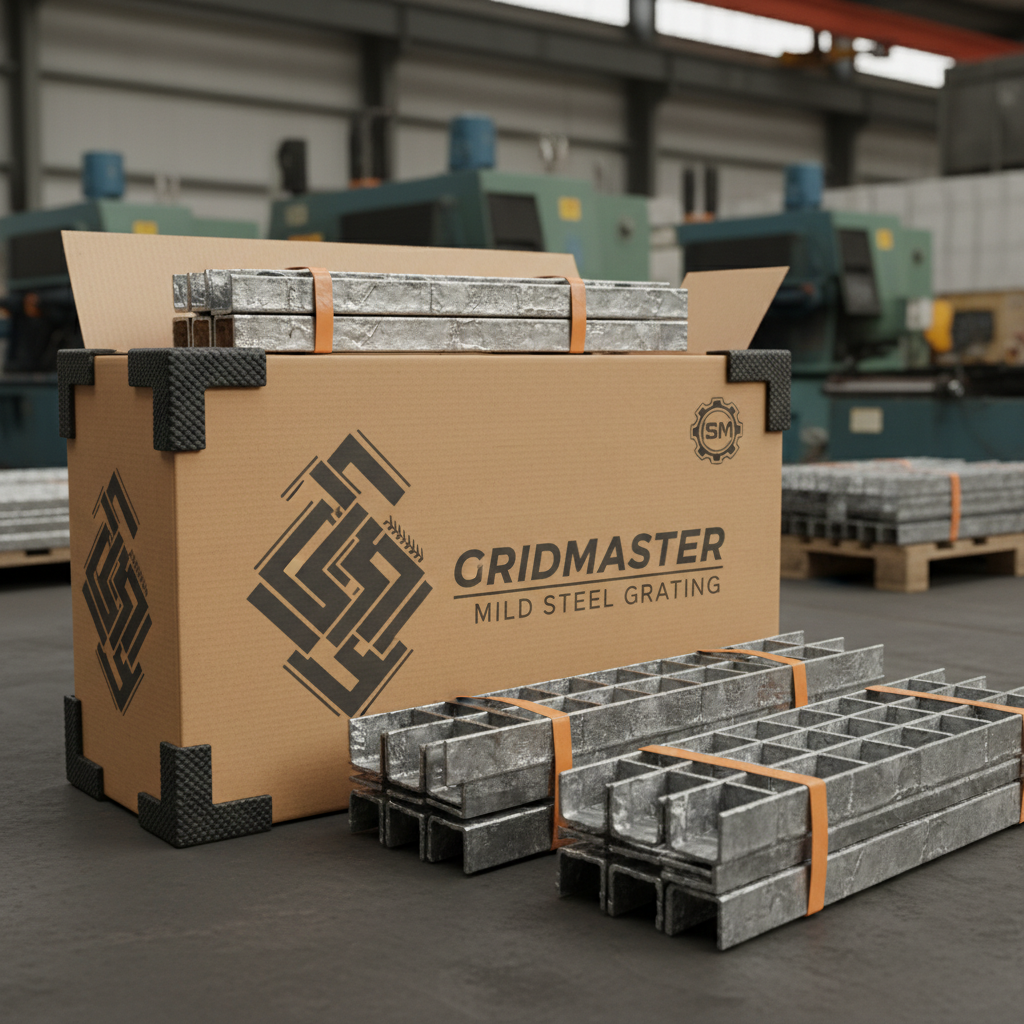
Mild steel grating is a structural component manufactured from mild steel, typically formed by welding or pressing bearing bars and cross bars together to create an open grid. The resulting product is lightweight yet remarkably strong, offering an exceptional strength-to-weight ratio. This makes it an ideal alternative to solid metal surfaces where air flow, light transmission, or drainage are required. It’s often chosen because of its lower cost compared to stainless steel or aluminum alternatives, while still providing excellent load-bearing capabilities.
Key Highlights: Lightweight, strong, cost-effective, excellent drainage and ventilation, and readily customizable.
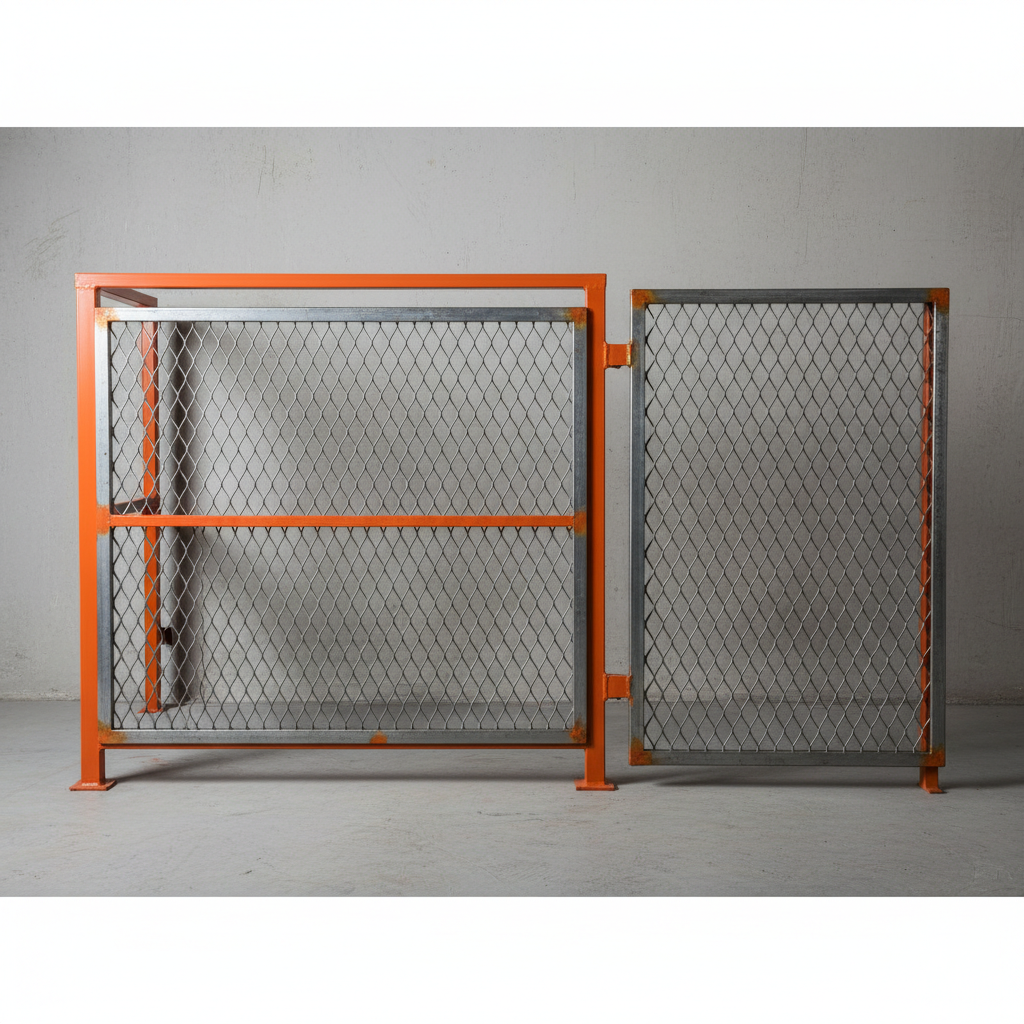
The versatility of mild steel grating leads to its widespread use in a variety of industries and applications. Common examples include: walkways and platforms in industrial facilities, stair treads, floor decking, drainage covers in landscaping and public areas, security fencing, ventilation covers, and even architectural features. Its open design allows for the passage of light and air, while its non-slip surface enhances safety in potentially hazardous environments. Its robust construction makes it well-suited for high-traffic areas and heavy-duty applications.
Application Benefits:
• Enhanced safety with non-slip surfaces
• Improved drainage and ventilation
• Reduced material costs compared to solid metal
• Long-lasting durability in demanding environments
There are several types of mild steel grating available, each suited for different applications. Welded steel grating is the most common, offering high strength and durability. Riveted steel grating, while older, provides a secure connection. Swaged steel grating is known for its aesthetic appearance and is often used in architectural applications. The choice depends on factors such as load requirements, span length, and desired aesthetic. Tikemetal offers a wide variety of grating types to meet your needs.
Mild steel grating offers numerous advantages over traditional flooring materials. Its open design promotes air and light circulation, reducing heat buildup and improving visibility. It requires minimal maintenance, resisting corrosion and wear. The slip-resistant surface enhances worker safety, even in wet or oily conditions. It’s also cost-effective and easily customizable, making it a practical choice for a wide range of projects.
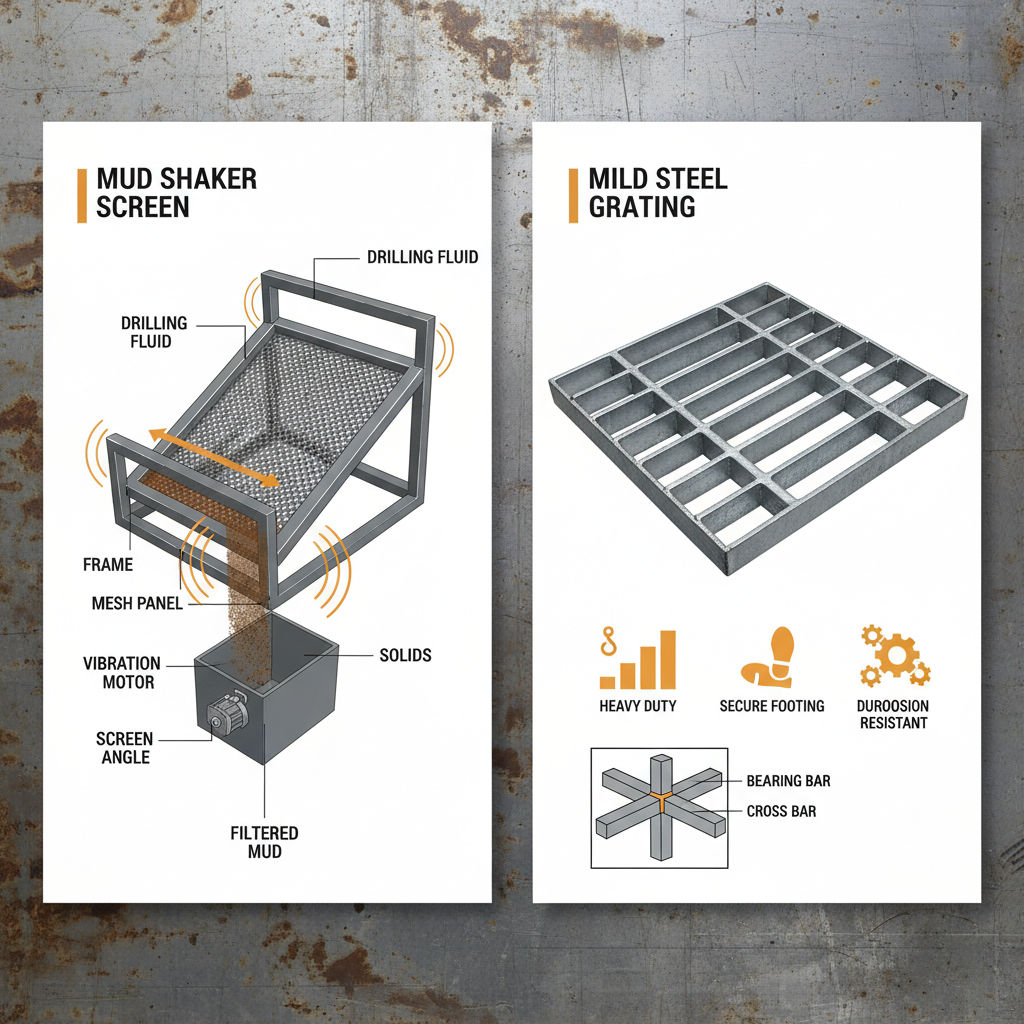
When selecting mild steel grating, several factors should be considered. Load capacity is crucial, and the grating must be able to safely support anticipated weights. Span length, the distance between supports, affects the grating's deflection and strength. Mesh size, the spacing between bearing bars, determines the level of drainage and ventilation. Finally, consider the environment – if corrosion is a concern, a protective coating may be necessary. Tikemetal’s team can help you assess these factors and choose the best grating for your application.
Investing in high-quality mild steel grating from a trusted supplier like Tikemetal ensures a durable, safe, and cost-effective solution for your construction or infrastructure project. Consider your specific needs, including load capacity, span length, and environmental conditions, to select the optimal grating type. Don’t compromise on quality – choose a grating that will provide long-lasting performance and contribute to the safety and efficiency of your operations.
The lifespan of mild steel grating can vary depending on the environment and maintenance. With proper care, including periodic cleaning and the application of protective coatings, it can easily last 20-30 years or more. Grating exposed to harsh chemicals or saltwater environments may require more frequent maintenance or the use of corrosion-resistant coatings. Regular inspections for signs of rust or damage are essential to ensure continued safe operation.
Common surface treatment options include galvanizing (hot-dip or electro-galvanizing), powder coating, and painting. Galvanizing provides excellent corrosion protection by coating the steel with a layer of zinc. Powder coating offers a durable and attractive finish, available in a variety of colors. Painting is a more economical option but may require more frequent reapplication. The best treatment depends on the specific application and exposure conditions.
Determining the correct load capacity requires careful consideration of the intended use. You need to calculate the maximum anticipated load, including the weight of people, equipment, and any materials that will be placed on the grating. Factors such as the span length and the grating's mesh size also affect its load capacity. Consulting with a structural engineer is recommended to ensure the selected grating meets all safety requirements. Tikemetal can provide load capacity charts and engineering support to assist with your selection.
Yes, mild steel grating is suitable for outdoor use, but it’s highly recommended to use a protective coating to prevent corrosion. Galvanizing and powder coating are excellent options for enhancing its durability in outdoor environments. Regular inspections and maintenance are also essential to address any signs of rust or damage. Properly treated and maintained, mild steel grating can provide long-lasting performance in outdoor applications.
RELATED PRODUCTS





Top