Aluminum chain link fences might seem like a straightforward topic at first glance, but their significance extends far beyond the backyard or industrial site. Whether in sprawling urban centers or remote humanitarian zones, the aluminum chain link fence stands as a crucial structure -- providing security, flexibility, and sustainability in one package. Understanding these fences’ technical merits and global applications is not just a niche curiosity; it’s a doorway into how modern industries and communities balance safety with environmental awareness.
The world’s fencing needs are vast and diverse, tied directly to trends in urbanization, disaster resilience, and eco-conscious infrastructure development. Aluminum, thanks to its corrosion resistance and light weight, is playing a surging role — and getting familiar with this material and design philosophy helps planners, engineers, and even NGOs make smarter choices.
According to a 2023 World Bank report, urban populations will swell by nearly 2.5 billion by 2050, mostly in developing nations. This rapid growth presents unique challenges for infrastructure security, public safety, and sustainable development. Aluminum chain link fences offer a prime example of a product that’s well-suited to these challenges, with flexibility in deployment and durability that fits a wide range of environments.
What’s fascinating is the mix of industrial and humanitarian relevance. From protecting vital energy grids in remote locales to rapidly setting up secure zones after natural disasters, these fences find themselves on the frontline of global infrastructure resilience. This mirrors findings from ISO standards on sustainable construction that highlight the importance of materials combining durability with environmental responsibility.
Yet, many projects still wrestle with choosing between cost, longevity, and environmental footprint. Aluminum chain link fencing often helps tip the balance with its favorable package — but it’s not always obvious why until you dive into the details.
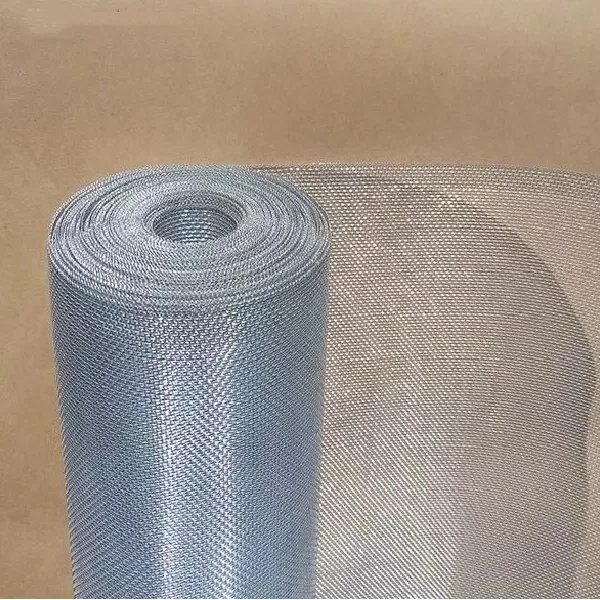
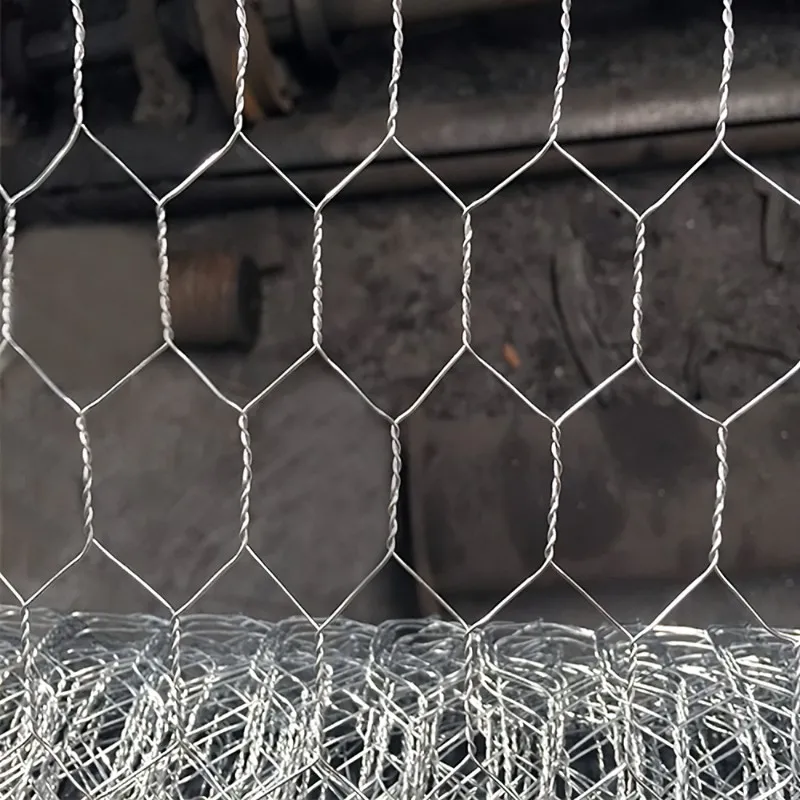
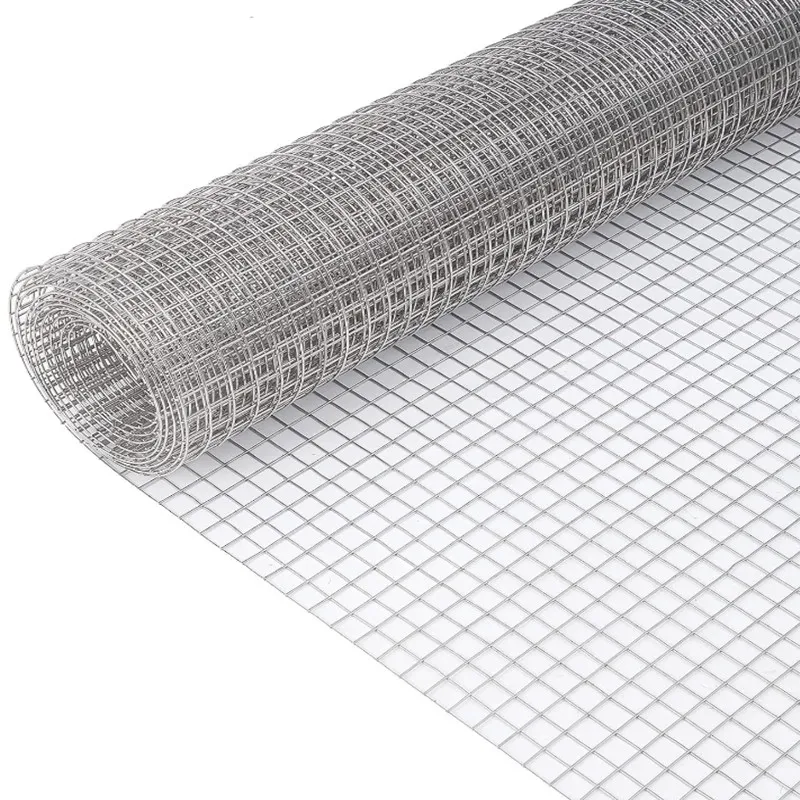
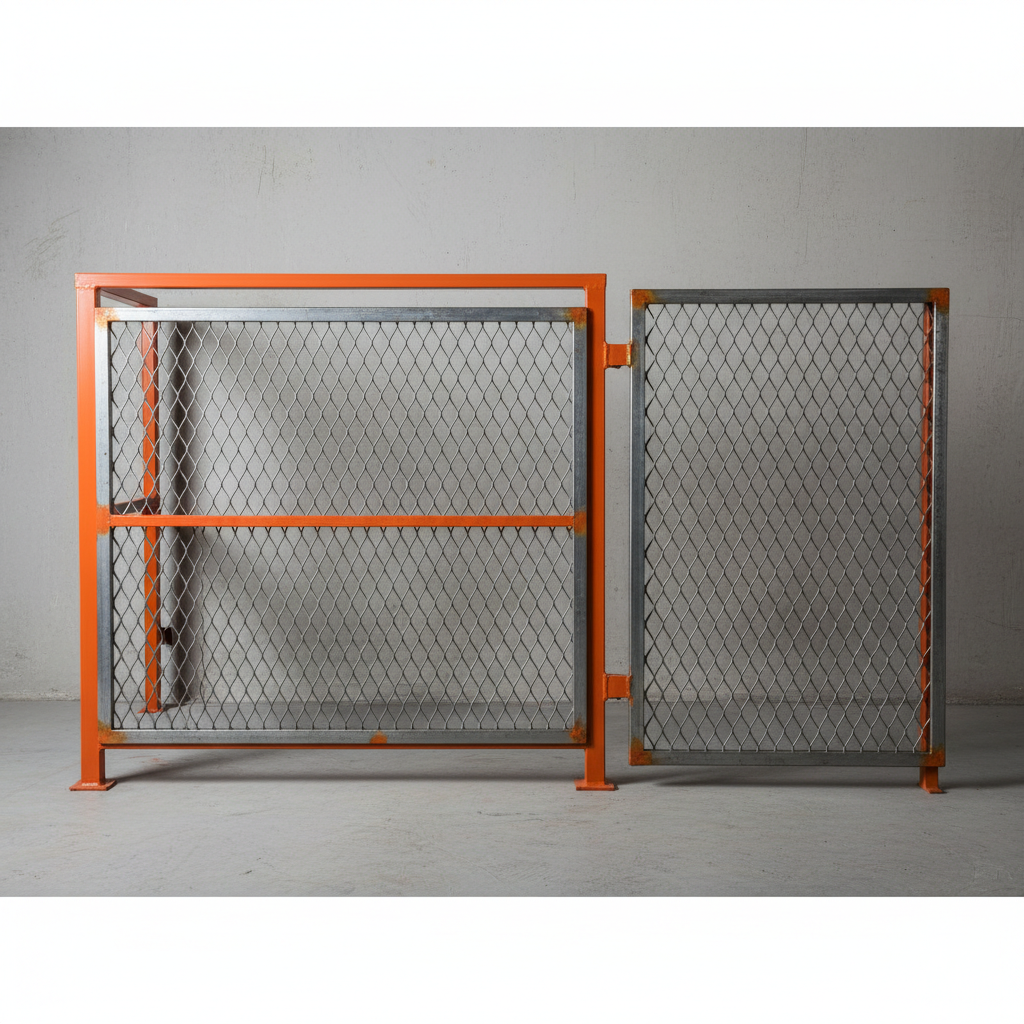
At its core, an aluminum chain link fence is a woven meshyard barrier where the wires are crafted from aluminum rather than traditional steel or galvanized metal. This not only makes the fence lighter and resistant to rust but also easier to transport and install.
They’re widely used in industrial sites, sports arenas, airports, and increasingly in humanitarian aid — think “secure perimeter for supply caches.” Aluminium’s non-corrosive properties reduce replacement cycles, a critical factor for sites exposed to rain, salt air, or chemicals.
Aluminum’s natural oxide layer prevents rust, allowing fences to withstand harsh weather without peeling or flaking paint. For coastal regions or chemical plants, this means longer lifespans with less maintenance than steel alternatives.
Roughly one-third the weight of steel, aluminum chain link fences are significantly easier to handle. This reduces labor costs and speeds up deployment — a clear advantage in emergency or temporary installations.
Aluminum fencing systems can be sized and adapted from small residential compounds to extensive industrial perimeters. The mesh size and post systems come modular, which means installers can customize heights, reinforcements, and additional features like gates or barbed wire attachments.
Aluminum is highly recyclable — a fact that aligns with growing environmental standards worldwide. Using recycled materials reduces the carbon footprint of fencing projects and supports corporate social responsibility goals.
While initial investment costs may be similar or slightly higher than steel, reduced maintenance, longer durability, and fewer replacements mean lower total cost of ownership.
Aluminum fences offer a clean, modern aesthetic. They also provide sufficient visibility without compromising security, ideal for schools, parks, or prisons where supervision is key.
Mini takeaway: Aluminum chain link fences blend physical resilience and cost-efficiency without sacrificing sustainability. This trifecta makes them especially pertinent for modern fencing challenges.
It’s interesting how diverse the use cases are. In North America and Europe, industrial parks, schools, and sports facilities are the norm. But look toward Asia, Africa, and Latin America, and the story shifts — here they’re vital in disaster relief operations and rapidly evolving urban zones.
For instance, in the aftermath of typhoons in the Philippines, NGOs set up aluminum chain link fence perimeters around temporary shelters to safeguard families and supplies. Meanwhile, remote mining operations in Australia or Chile rely on these fences to secure vast, rugged areas with minimal maintenance input.
Airports worldwide use aluminum fencing because metals like steel can degrade in salty coastal environments, but aluminum endures. Even border security agencies choose aluminum chain link fences for sections that need to be both strong and relatively easy to upgrade or relocate.
Simply put, it’s a classic case of short-term investment leading to long-term peace of mind and ethical gains.
| Specification | Details |
|---|---|
| Material | 6063-T6 Aluminum Alloy |
| Wire Gauge | 8 - 11 gauge |
| Mesh Size | 2” to 2.5” diamond pattern |
| Fence Height | 3 ft to 12 ft (custom sizes available) |
| Finish | Clear anodized or polyester powder coated |
| Installation | Modular kits for rapid assembly |
| Feature | Tike Metal | Global Fence Inc. | EcoSecure Fencing |
|---|---|---|---|
| Material Grade | 6063-T6 Aluminum | 5052-H32 Aluminum | 6061-T6 Aluminum |
| Customization Options | Extensive (colors, sizes, finishes) | Basic | Moderate |
| Installation Support | Comprehensive guides & consultation | None | Limited |
| Sustainability Certification | ISO 14001 certified | None | LEED-compliant |
| Delivery Time | 3-5 weeks | 6-8 weeks | 4-6 weeks |
You might be surprised to hear that fencing is not immune to the digital transformation wave. Smart fences with integrated sensors are emerging—embedded with IoT devices for real-time security monitoring. Combined with aluminum’s lightweight build, it’s easier to retrofit existing fences with these technologies.
Beyond tech, aluminum chains are moving toward greener finishes — bio-based powder coatings that reduce environmental impacts during manufacture. Some companies are experimenting with hybrid alloys that keep strength but cut weight further.
Policies encouraging recycled aluminum use are growing, too. The UN Environment Programme (UNEP) highlights circular economy approaches, positioning materials like aluminum chain link fences as part of eco-conscious supply chains.
No fence is perfect — aluminum chain link fences face certain limits, notably initial costs and vulnerability to physical impact when compared to steel. Harsh impacts in industrial settings can bend or dent aluminum more easily.
Experts suggest reinforcing posts or combining aluminum mesh with steel posts in high-impact zones as practical solutions. Plus, innovations such as anodized surface hardening techniques improve scratch resistance without losing corrosion benefits.
A1: With proper installation and maintenance, aluminum chain link fences can last 20+ years. The inherent corrosion resistance of aluminum delays rust issues that commonly plague steel fences, making aluminum a long-term cost saver.
A2: Absolutely. Fences can be enhanced with features like higher gauges, tighter mesh sizes, razor wire attachments, or integrated alarm sensors. Aluminum’s modular nature supports this adaptability without adding too much weight.
A3: Yes, aluminum’s corrosion resistance makes these fences ideal for salty coastal air areas where steel would quickly corrode and require frequent replacements.
A4: Look for vendors that provide ISO 14001 certification or LEED-compliant products. These ensure that fence products meet recognized sustainability standards and reduce environmental impact throughout their lifecycle.
A5: Installation times vary by size and site complexity, but modular aluminum fencing can often be assembled in days rather than weeks, making it ideal for rapid deployment projects.
If you take away just one thing, it's that aluminum chain link fences are quietly revolutionizing how security, sustainability, and cost-efficiency come together at scale. They’re not just fences — they're enablers of safer, greener, and more resilient environments.
Curious to explore specifications or find out more? Visit our website and see how aluminum chain link fencing can secure your project with confidence and care.
RELATED PRODUCTS





Top