If you haven't really given much thought to thin metal mesh, you're not alone. Yet this simple-sounding material quietly underpins a surprising number of technologies and global industries. At its core, thin metal mesh is a finely woven network of metal strands—very thin, sometimes microscopically so—forming a fabric with incredible strength, conductivity, and versatility. Appreciating what it is, and why it matters, opens a window into everything from electronic devices and aerospace engineering to humanitarian efforts and sustainable infrastructure. In real terms, thin metal mesh helps solve pressing problems like electromagnetic interference in gadgets or reinforcing structures in disaster zones, making it a topic worth knowing about.
The reach of thin metal mesh isn't just local—it’s global and ever-growing. According to the International Organization for Standardization (ISO), industries using high-precision meshes have increased output efficiency by up to 30% in sectors like automotive manufacturing and telecommunications. The World Bank reports a rise in use of metal meshes in water filtration systems for developing regions, directly impacting public health. Oddly enough, many challenges like environmental pollution and infrastructure safety rely on innovations where thin metal mesh plays a pivotal role. It offers lightweight, durable solutions that can be quickly deployed worldwide.
Mini Takeaway: Thin metal mesh is more than ‘just metal’—it’s a foundational material influencing global tech, health, and infrastructure development.
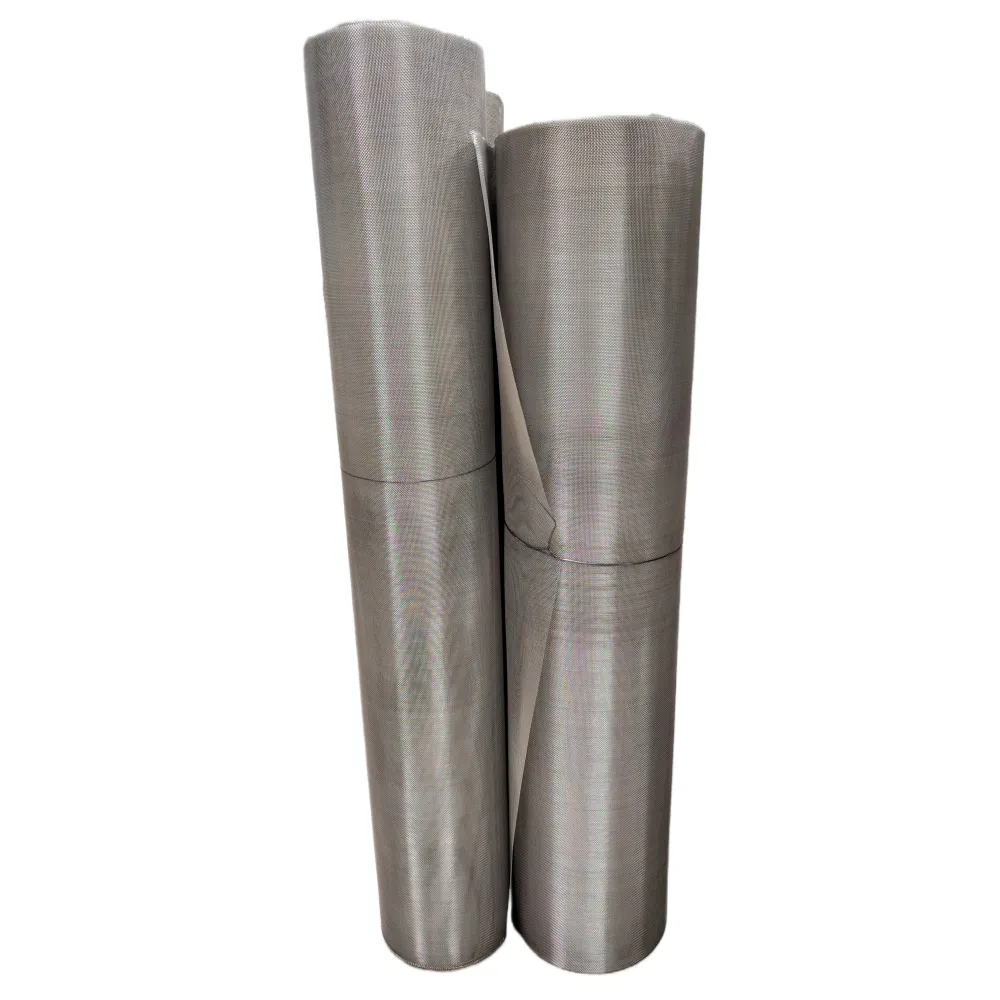
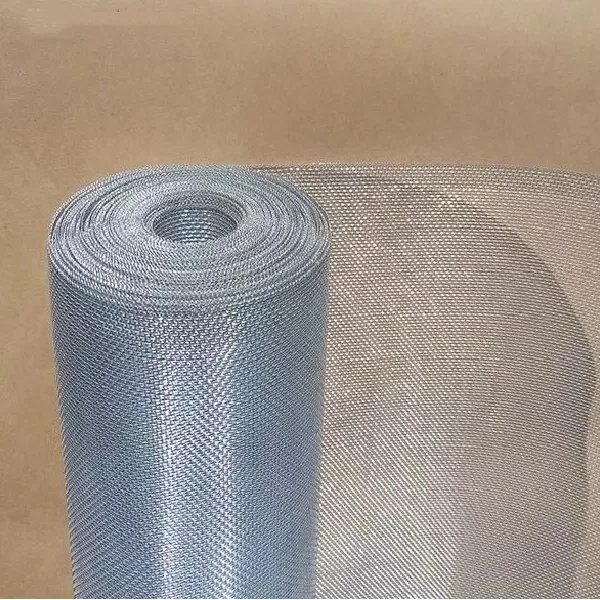
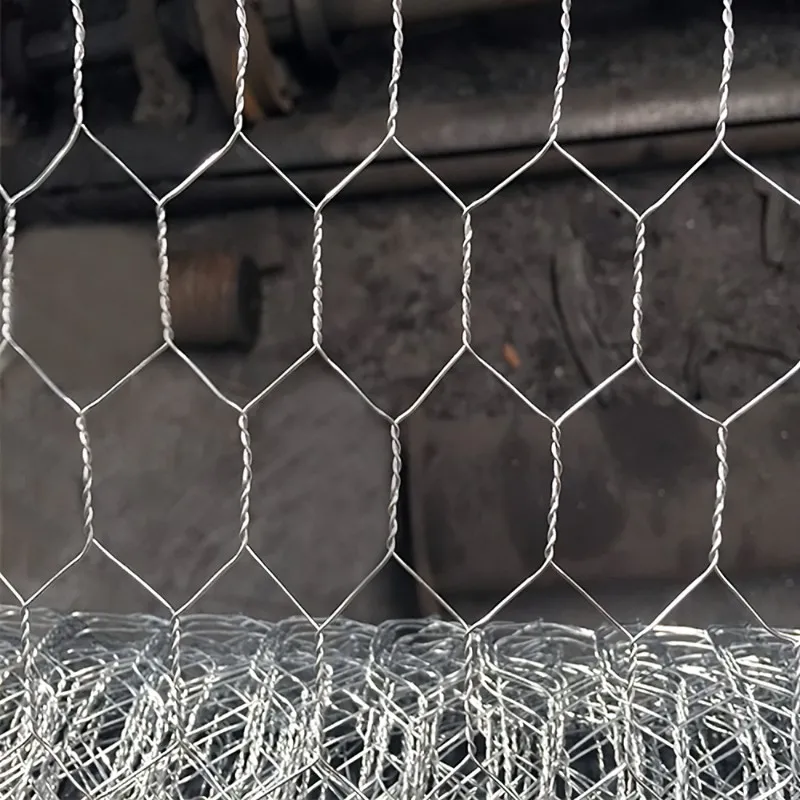
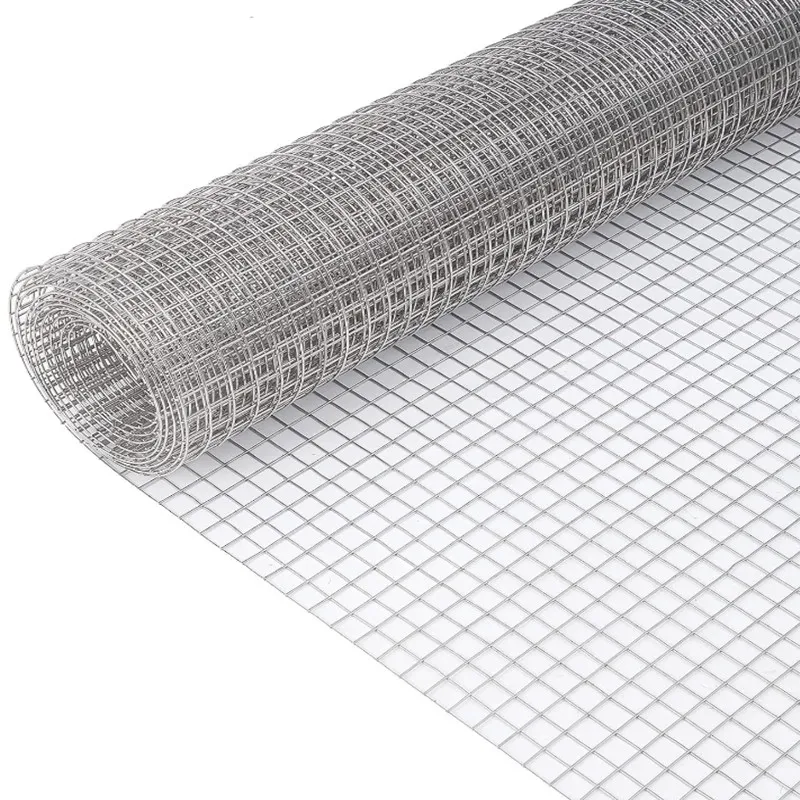
So, what exactly is thin metal mesh? At its simplest, it’s a grid of interconnected metal wires or fibers, woven or welded into sheets or rolls. The “thin” part refers to the diameter of the wires and the overall weight per unit area, often measured in microns or milligrams per square centimeter. Unlike heavier metal grids, this mesh offers a balance of strength with flexibility and lightness. This makes it incredibly useful in modern industries — from shielding sensitive electronics from electromagnetic interference (EMI) to serving as reinforcement in construction. There’s also a strong humanitarian connection: NGOs use thin metal mesh in water purification and rapid shelter construction for disaster relief.
Thin metal mesh can withstand harsh environmental conditions thanks to materials like stainless steel, copper, or titanium. This resilience is crucial when the mesh is used outdoors or in corrosive environments, such as marine settings or chemical plants.
Its excellent electrical conductivity makes it indispensable in electronics and shielding applications, ensuring devices function properly without interference.
Manufacturers can produce thin metal mesh in large sheets or custom sizes, catering to everything from smartphone components to large industrial filters.
Because it uses minimal raw material while maintaining strength, thin metal mesh often provides a cost-effective alternative to solid metal sheets or heavier reinforcement materials.
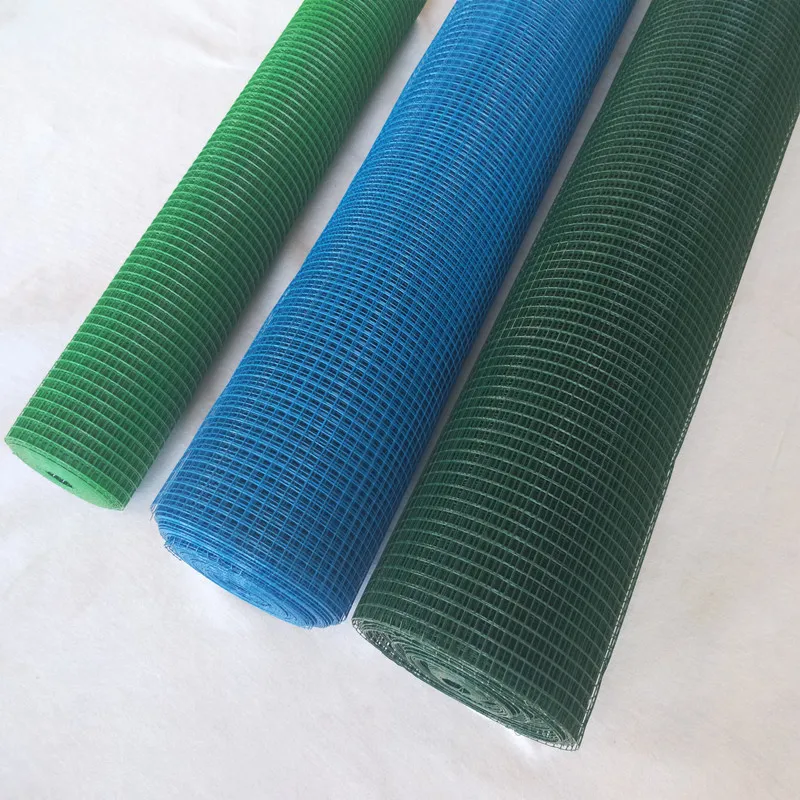
The mesh's weave pattern, strand thickness, and material type can be tailored to suit specific requirements—whether high tensile strength or fine filtration.
| Specification | Details |
|---|---|
| Material | Stainless Steel 316 / Copper / Titanium |
| Wire Diameter | 25–100 microns |
| Mesh Size | 10–400 openings per inch |
| Thickness | 0.03–0.5 mm |
| Typical Uses | EMI Shielding, Filtration, Structural Reinforcement, Water Purification |
Mini Takeaway: The applications are broad, touching consumer electronics, environmental health, and emergency response worldwide.
On a practical level, thin metal mesh offers:
There's also an emotional benefit—not just the peace of mind from safer products but the dignity that clean water and reliable shelter bring to underprivileged communities.
Looking ahead, innovations focusing on ultra-thin, nano-scale mesh materials promise enhanced conductivity and filtration efficiency. Green manufacturing methods using recycled metals reduce environmental impact, aligning with global sustainability directives (like those advocated by the United Nations Environment Programme). Digital transformation, including AI-assisted design of mesh patterns, improves function while reducing waste. Then there’s the integration of mesh with smart sensors for real-time structural health monitoring—pretty exciting stuff that could revolutionize infrastructure maintenance.
It’s not all rosy. Challenges include the cost of advanced materials (like titanium), difficulty scaling ultra-fine mesh production, and corrosion risks in harsh environments. Many engineers I’ve talked to emphasize balancing quality with affordability—a tricky dance. Solutions? Coating techniques like galvanization and applying hybrid composites improve corrosion resistance. Automated weaving tech accelerates production scales without sacrificing precision. In tandem, better supply chain management ensures steady access to raw materials.
| Vendor | Material Range | Customization | Pricing | Lead Time | Global Shipping |
|---|---|---|---|---|---|
| MeshWorks Inc. | Stainless Steel, Copper | High | Mid-Range | 2 Weeks | Yes |
| UltraMesh Solutions | Titanium, Stainless Steel | Medium | Premium | 3–4 Weeks | Limited |
| Global Mesh Supply | Copper, Stainless Steel | High | Competitive | 1 Week | Yes |
To wrap up, thin metal mesh isn’t just another industrial material; it’s a surprisingly versatile, cost-effective, and sustainable solution shaping key technologies across the globe. Whether used to improve electronic devices, enable critical water filtration, or reinforce important structures, it offers long-lasting value. If your projects need reliable, customizable metal mesh, I highly recommend exploring more about this—especially from trusted sources like thin metal mesh suppliers who combine quality with global delivery options.
With innovations on the horizon and sustainable practices quickly becoming standard, thin metal mesh is set to remain vital in tackling the technical and humanitarian challenges of tomorrow.
Feel free to visit https://www.tikemetal.com for detailed product offerings and expert guidance tailored to your industry needs.
Reflection: Writing this, I realized how a material often overlooked can touch so many facets of global progress—from health to technology to disaster response. Sometimes, it’s the quiet workhorses like thin metal mesh that make the biggest difference.
RELATED PRODUCTS





Top