If you’ve ever pondered how intricately structured metals find their way into everything from construction facades to filtration systems, you’re in the right place. A metal mesh factory is basically at the core of producing these versatile, woven or welded metal grids that the modern industry can hardly do without. This isn’t just about making sheets of metal; it's about providing flexible, durable, and innovative materials that solve real-world problems across the globe.
Globally, metal mesh usage is projected to grow steadily, thanks to ongoing industrialization, urban growth, and increasing demand for sustainable materials. According to the International Organization for Standardization (ISO), standards relating to metal mesh products have tightened in recent years, reflecting their critical role in safety and quality for infrastructure and manufacturing. Yet, despite this importance, many don’t realize how a metal mesh factory operates or the breadth of its impact.
Understanding metal mesh factories isn’t just an industrial niche curiosity; it’s vital for anyone interested in supply chains, construction innovations, environmental solutions, or humanitarian aid. From filtering harmful particulates in water treatment plants to reinforcing structures after natural disasters, metal mesh products made in these factories matter deeply.
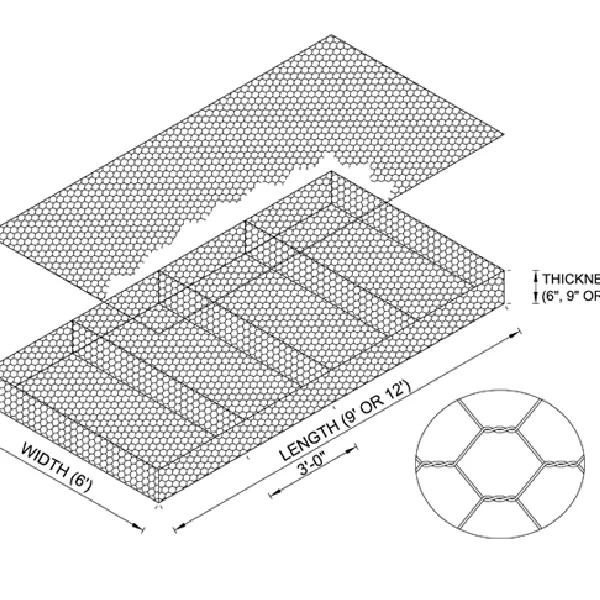
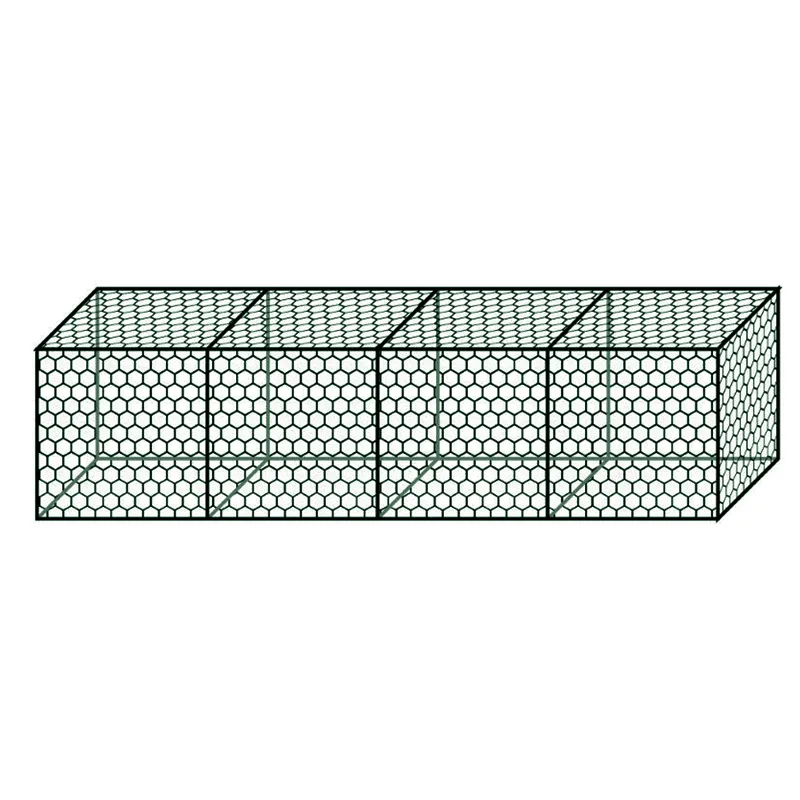
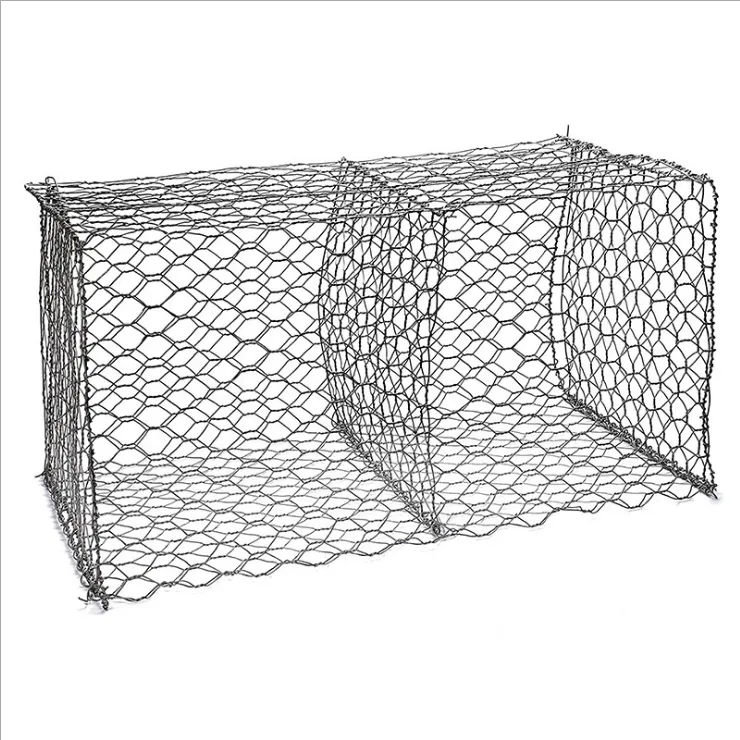
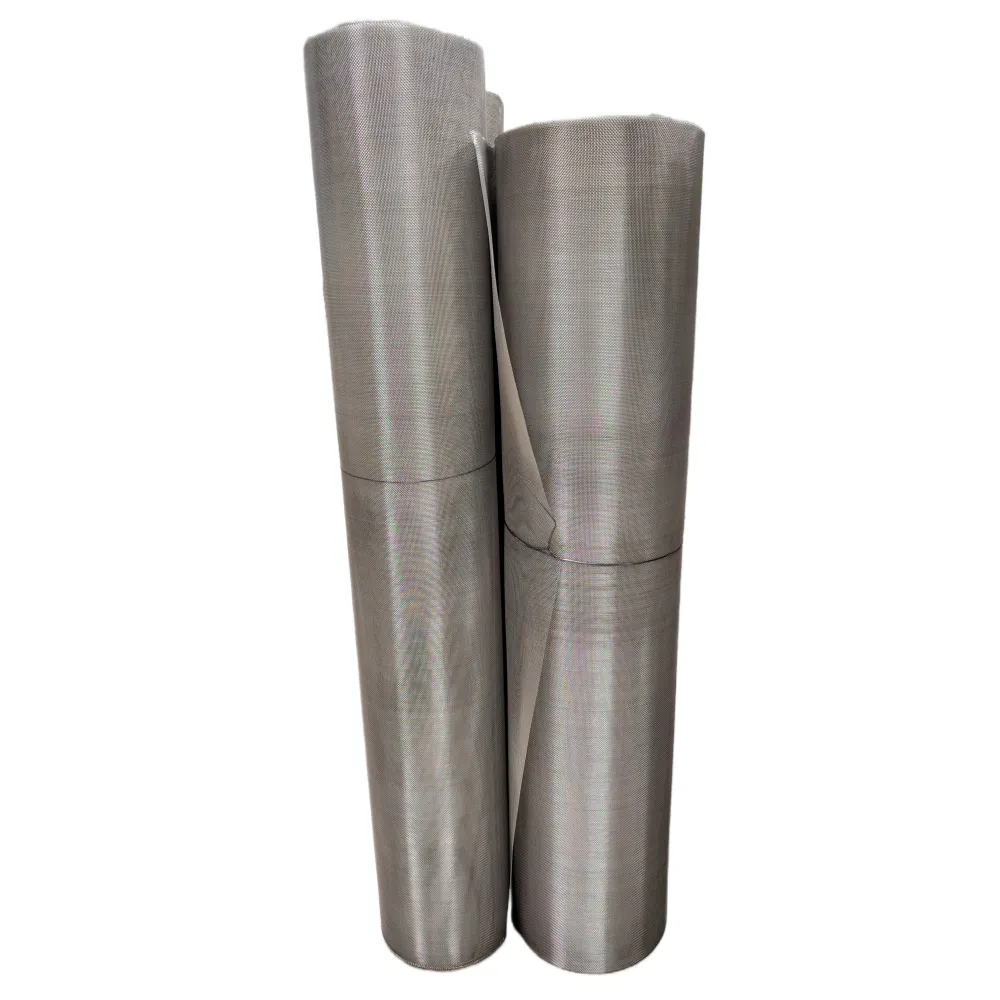
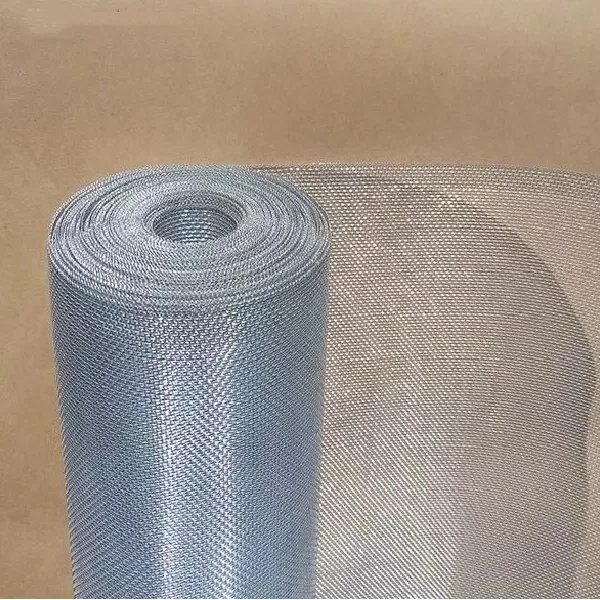
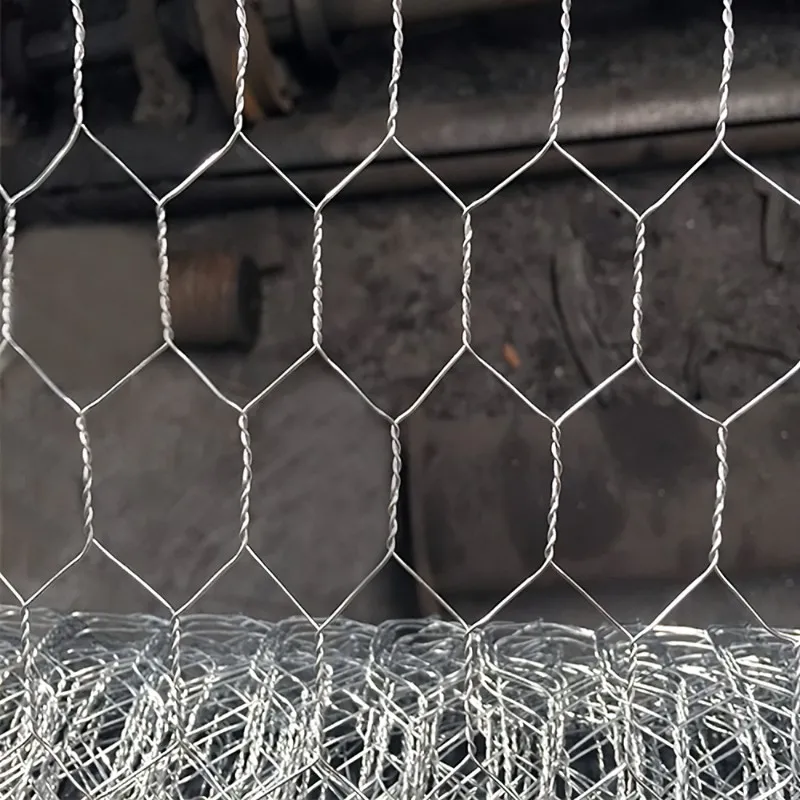
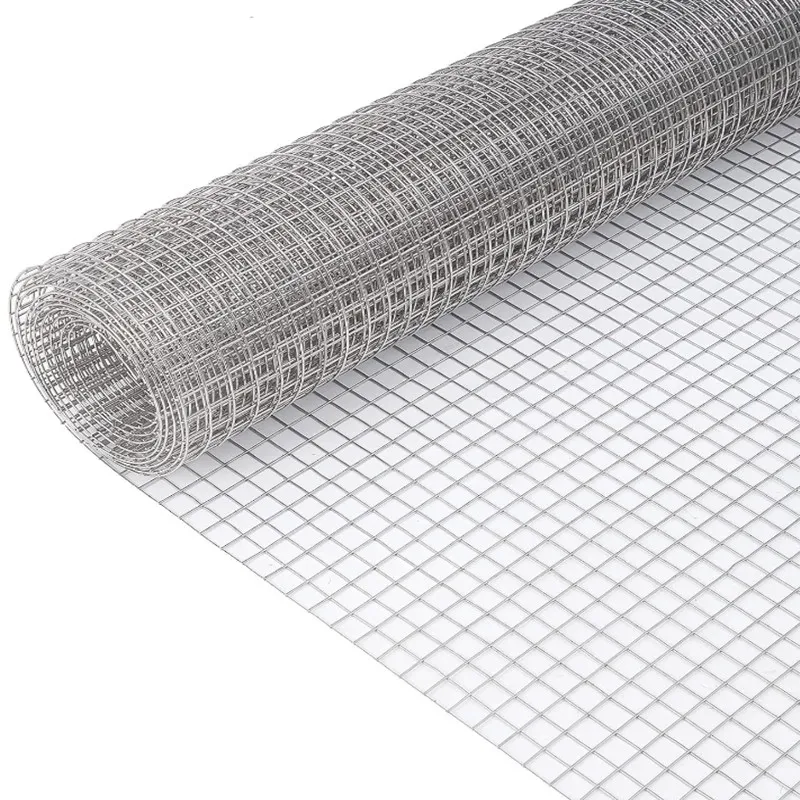
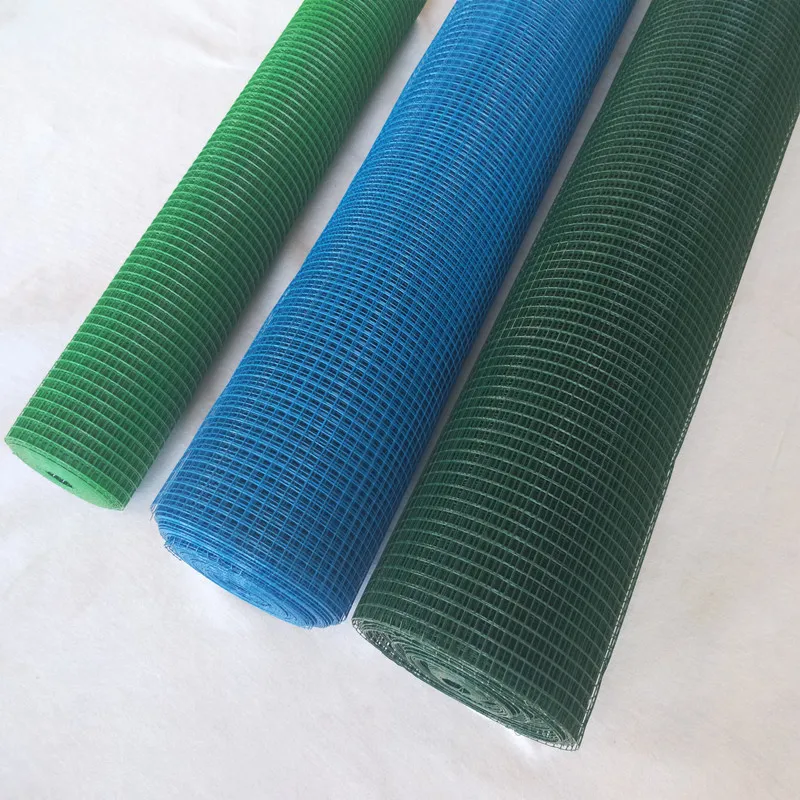
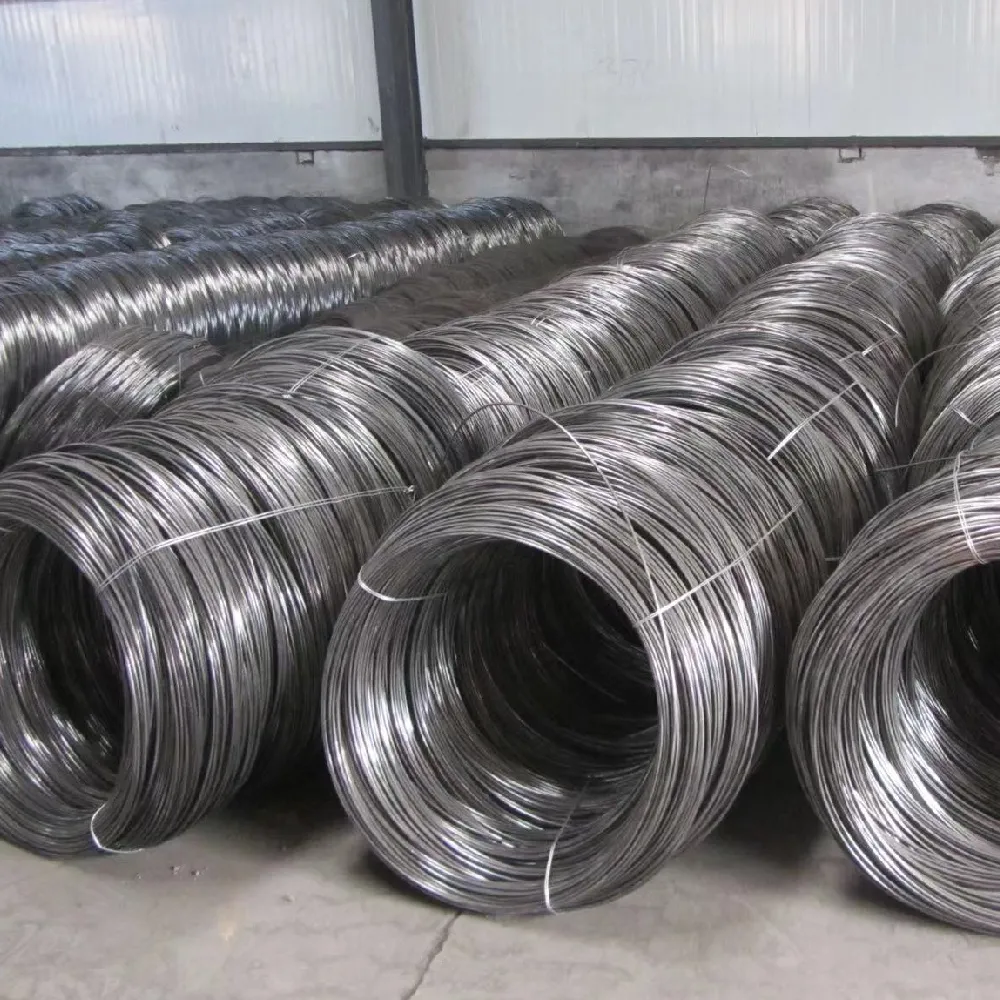
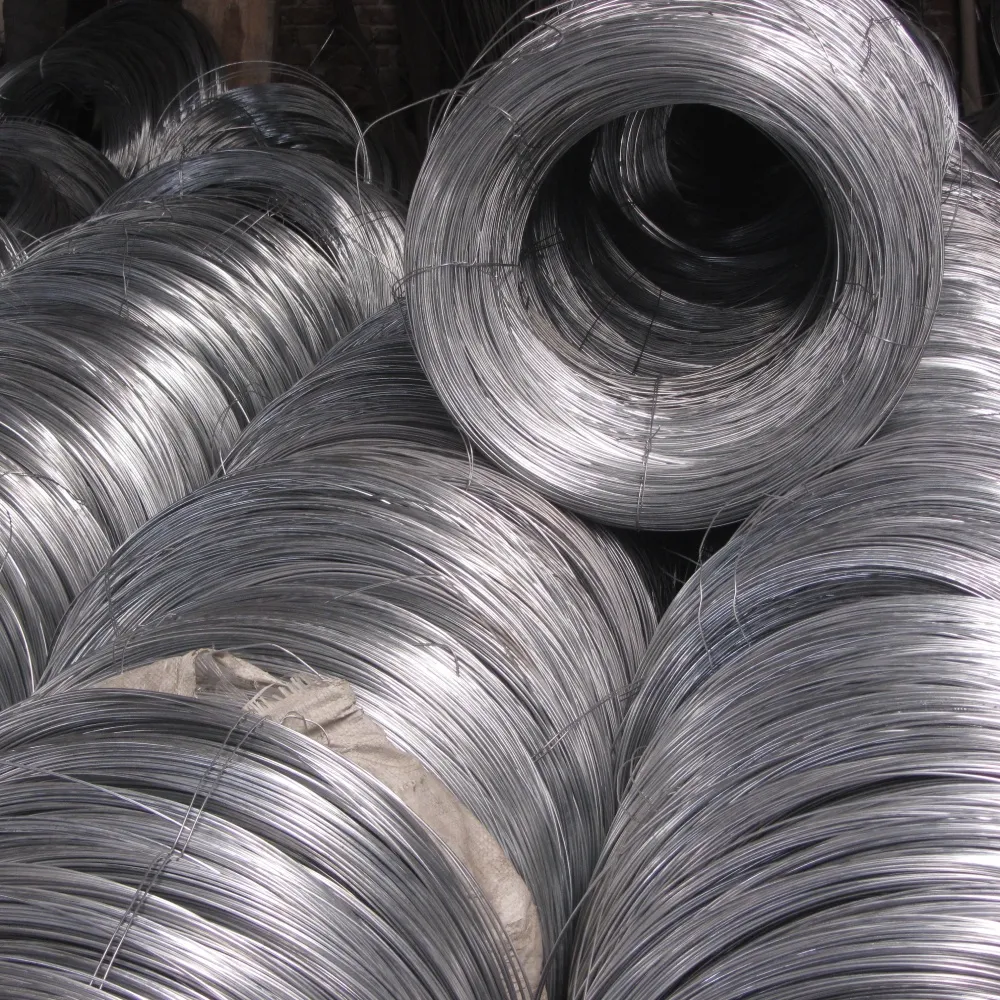
At its core, a metal mesh factory is a facility specializing in manufacturing metal mesh – that is, metal wires or rods formed into a net-like pattern. They typically produce woven, welded, expanded, or perforated meshes using diverse metals like steel, aluminum, or copper. This factory isn’t just about machinery; it’s an ecosystem where metal craftsmanship meets precision engineering.
Its connection to modern industry is profound. Whether it’s reinforcing concrete, serving as filters in water treatment, or acting as a protective barrier in mining and agriculture, the outputs of these factories are foundational. Oddly enough, their products also support humanitarian aims—think temporary fencing for refugee camps or reliable mesh reinforcements for emergency shelters. Pretty much everywhere you look, metal mesh plays a subtle but essential role.
A metal mesh factory carefully selects the alloys and treatments that tailor the mesh’s strength and longevity. High-quality metals ensure that structures don’t fail, and filters last through harsh environments.
Fulfilling large-scale industrial demands means these factories optimize for volume without sacrificing precision. Efficient production lines paired with automation help meet the wide-ranging needs across sectors.
Operating costs, energy use, and waste minimization directly impact the final product price. Factories that master lean manufacturing techniques offer competitive yet reliable meshes that can be mass-distributed.
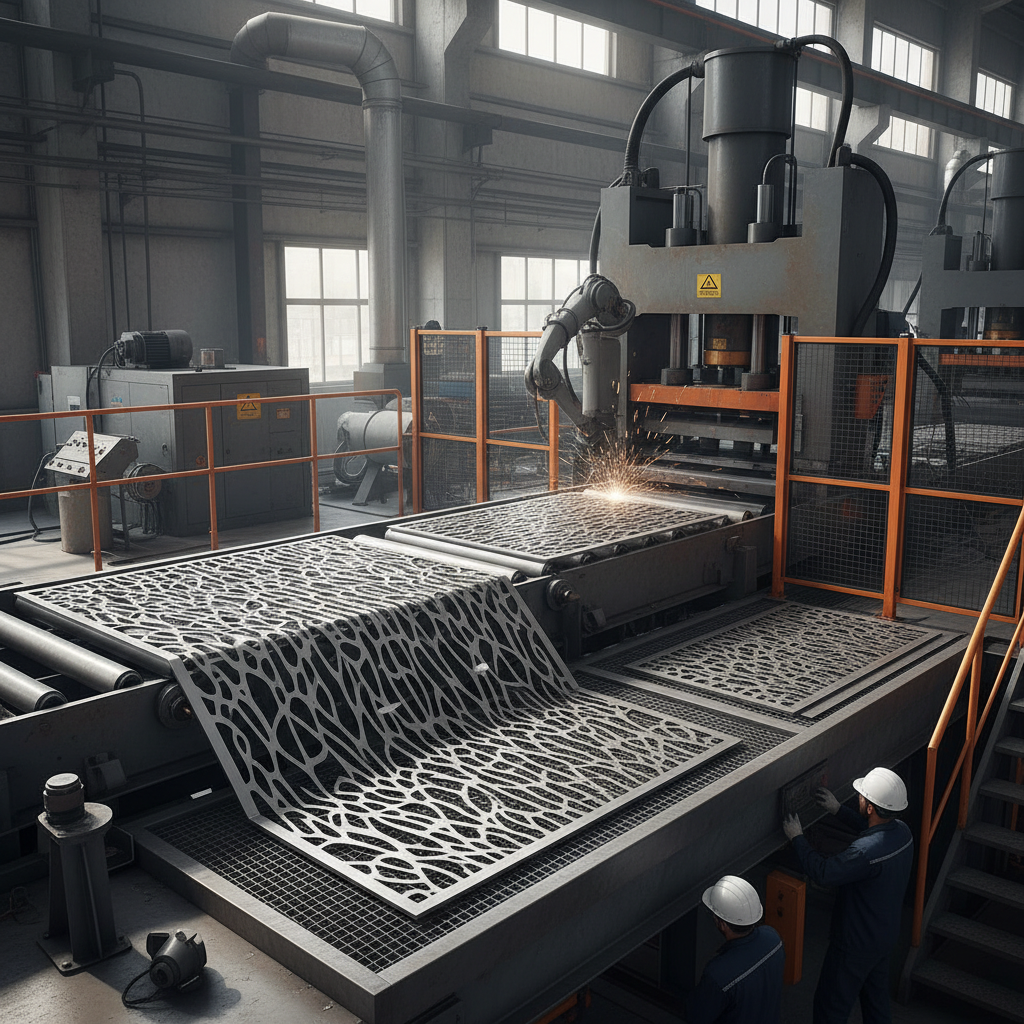
Advances like CNC wire weaving and robotic welding push the boundaries on mesh complexity, creating customized patterns for specific technical applications.
Rigorous testing for tensile strength, corrosion resistance, and dimensional accuracy is crucial to uphold international standards (like ISO 9001 and ASTM).
These factories power industries on virtually every continent. In Asia, especially China and India, metal mesh production supports booming construction and infrastructure projects. Europe’s long-established manufacturing sectors rely on specialized meshes for automotive components and filtration devices. Across Africa and Latin America, metal mesh supports mining safety and agricultural sector growth. Moreover, global organizations, including the United Nations in their humanitarian aid programs, use metal mesh products sourced from resilient factories to build durable shelters and secure compound perimeters in disaster zones.
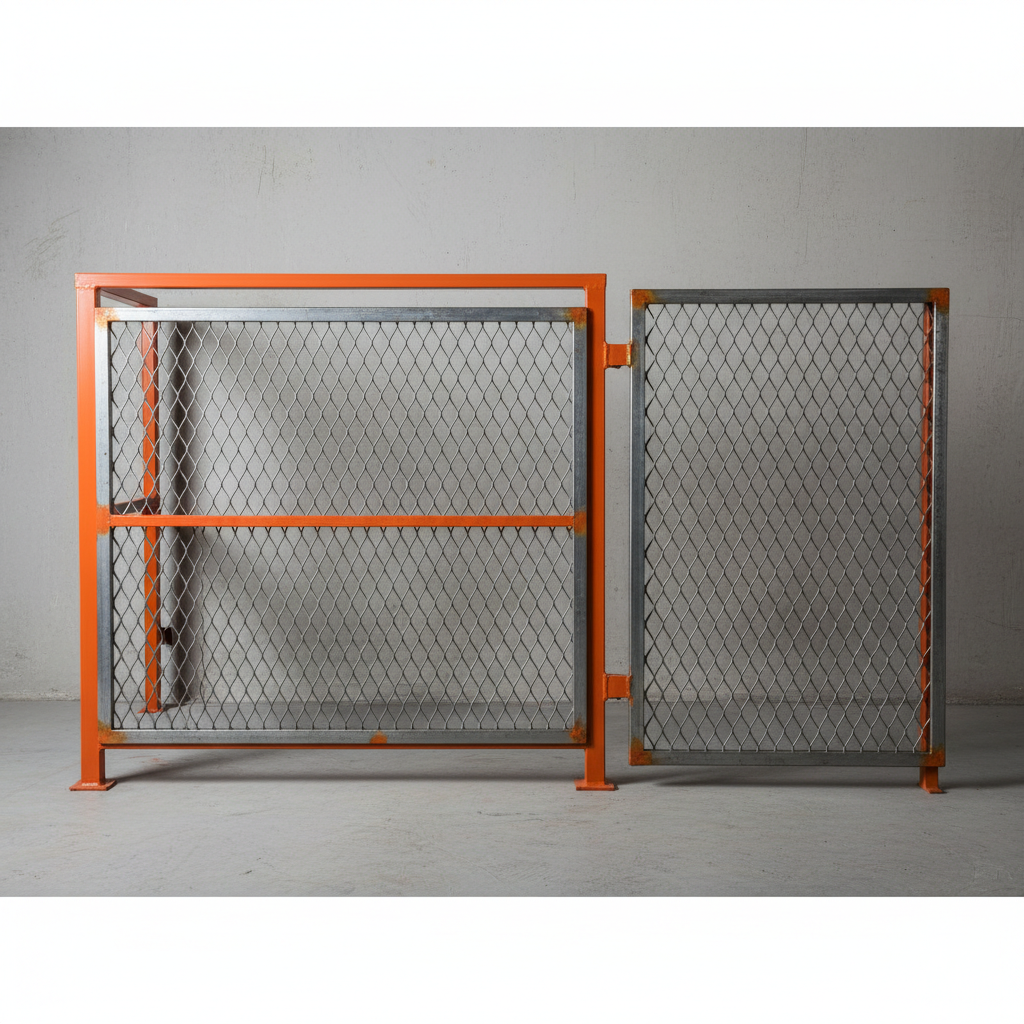
For example, after the 2010 Haiti earthquake, metal meshes were critical in reinforcing makeshift shelters and rebuilding safe public infrastructure. In remote industrial zones like Siberia’s oil fields, metal mesh fences protect expensive infrastructure from harsh elements and wildlife.
| Mesh Type | Material | Typical Uses | Max Width (mm) | Tensile Strength (MPa) |
|---|---|---|---|---|
| Woven Wire Mesh | Stainless Steel, Galvanized Steel | Filtration, Insect Screens | 2000 | 400–550 |
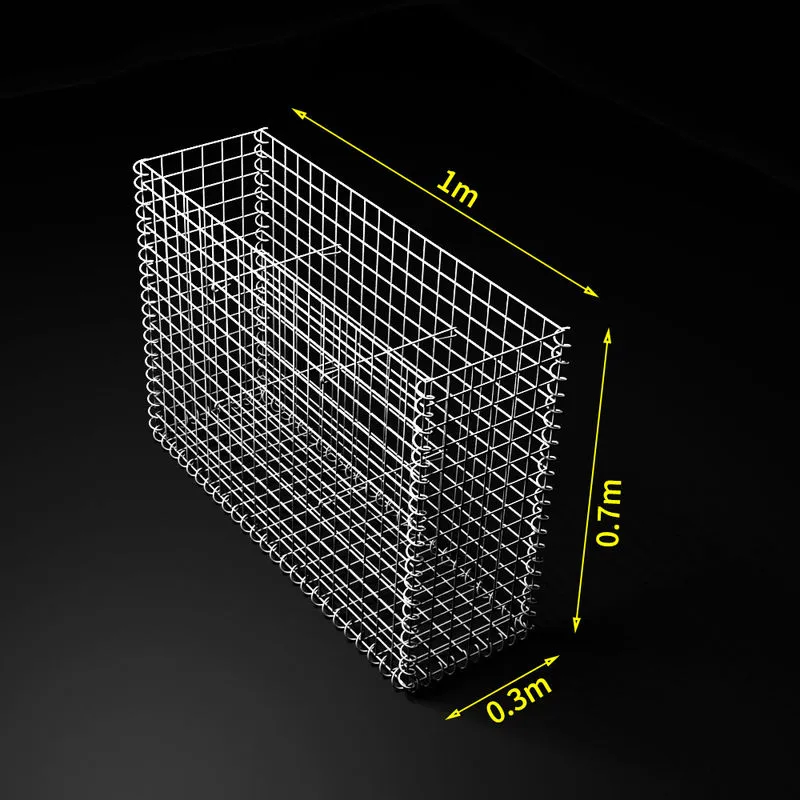
| Welded Wire Mesh | Carbon Steel, Stainless Steel | Reinforcement, Fencing | 2500 | 500–650 |
| Expanded Metal Mesh | Aluminum, Stainless Steel | Security Screens, Walkways | 1800 | 350–500 |
To hear from engineers in the field, many underscore how metal meshes "feel like an invisible safety net" — silently supporting critical components without fuss or failure.
Looking ahead, automation and Industry 4.0 technologies are revolutionizing workflows in metal mesh factories. Think real-time quality monitoring using AI-driven cameras or robotics enabling custom, on-demand mesh patterns. Sustainability is also a key focus — the push toward bi-metallic alloys and advanced coatings that reduce rust and environmental impact is gaining ground.
Digitization is opening pathways for better supply chain transparency, while ongoing research explores incorporating green energy sources into manufacturing plants to shrink the carbon footprint. It’s a fascinating blend of craftsmanship and cutting-edge technology.
Of course, there are hurdles. Controlling production waste, ensuring consistent quality during high-volume outputs, and adapting to rapidly changing tech demands all press these factories. Some solutions? Implementing lean manufacturing principles, stronger partnerships with raw material suppliers for traceability, and investing in employee training to keep pace with new machinery.
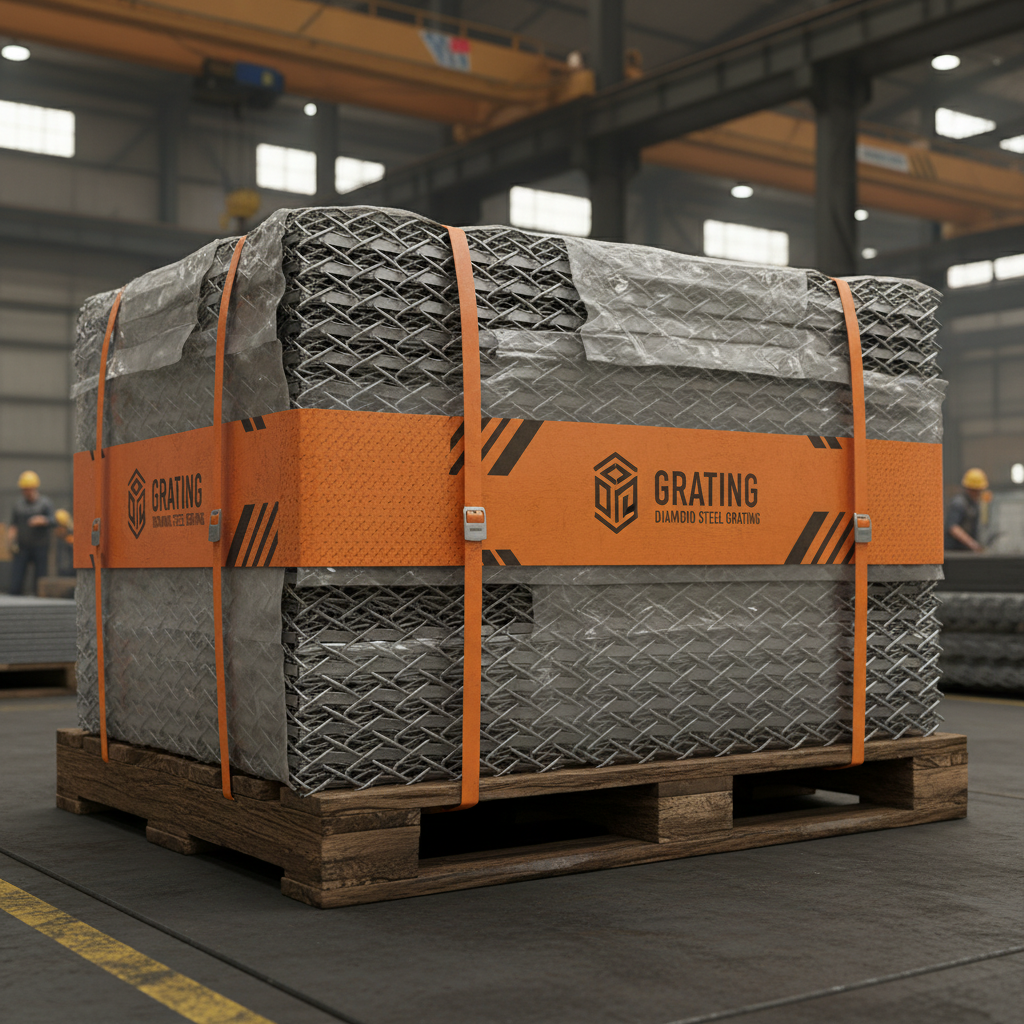
Oddly enough, one overlooked challenge is the transportation of large metal mesh panels—a logistical puzzle that clever folding or modular designs increasingly solve.
| Vendor | Production Capacity (tons/year) | Specialization | Certifications | Lead Time |
|---|---|---|---|---|
| Tike Metal Works | 12,000 | Custom Welded Mesh | ISO 9001, ISO 14001 | 3-4 weeks |
| Global Mesh Solutions | 20,000 | Expanded & Perforated Metal | ISO 9001, ASTM | 4-6 weeks |
| Metro Wire Mesh Co. | 8,000 | Woven Wire Mesh | ISO 9001 | 2-3 weeks |
In sum, metal mesh factories aren't just manufacturing plants; they are vital support hubs for innovation, safety, and sustainability worldwide. Their products empower industries, improve living conditions, and keep pace with emerging global challenges. For anyone looking to explore or leverage these benefits, dig deeper into what a factory like Tike Metal Works offers—because, frankly, the right mesh can make all the difference.
Ready to learn more or find your perfect metal mesh solution? Visit our website: https://www.tikemetal.com
RELATED PRODUCTS





Top