Chain link fence with barbed wire might seem like just another piece of industrial hardware, but it quietly plays a massive role worldwide. From securing perimeters in conflict zones to safeguarding industrial plants, this fencing combo is everywhere, quietly keeping things — and people — safe. Understanding it is valuable not just for contractors or security experts, but also for humanitarian agencies, urban planners, and even environmental specialists who work where protection meets sustainability.
With increasing global uncertainty around natural disasters, political unrest, and urban expansion, the demand for effective, affordable, and quickly deployable perimeter solutions is soaring. This type of fence helps fill a niche that balances cost, durability, and ease of installation. We’ll take a closer look at what’s really behind chain link fences topped with barbed wire and why it’s more than just cold steel.
Did you know that the UN reports over 1 billion people living in fragile or conflict-affected areas? Many of these places rely heavily on basic—but effective—measures like chain link fences enhanced with barbed wire to protect vital infrastructure and sometimes, sadly, even entire refugee camps. Meanwhile, large industrial hubs and borders in developing regions face ever-more sophisticated security threats.
The World Bank’s recent infrastructure reports note that physical security investment is growing parallel to urban sprawl in Asia, Africa, and South America. Yet, the challenge many face is configuring fencing systems that provide significant deterrence yet can be quickly upgraded, expanded, or even moved. Chain link fence with barbed wire strikes this balance by delivering solid, modular protection without breaking the bank.
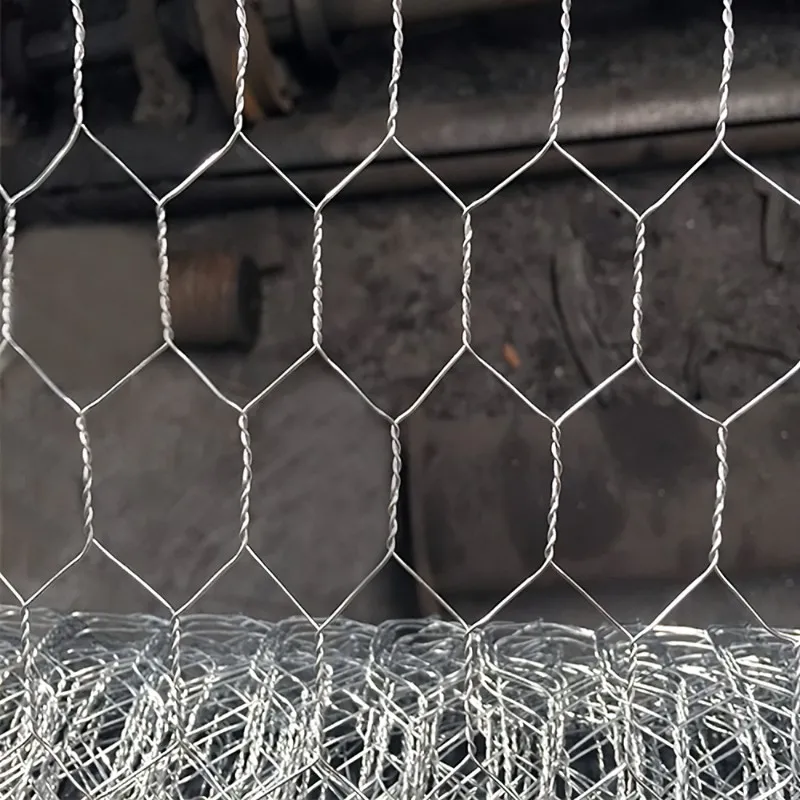
At first glance, it’s pretty straightforward: a tensioned mesh of interwoven steel wires formed into diamond shapes — that’s the chain link — topped with strands of pointed barbed wire to deter climbing or intrusion. It’s the classic combo seen around construction sites, prisons, airports, and farms world over.
But the significance goes beyond just “a fence.” This setup reflects a synergy between physical security and cost-efficiency. The chain link acts as a sturdy, transparent barrier, while the barbed wire’s sharp edges add an extra psychological and physical layer of security. This combo is vital especially where higher walls are impractical or unwanted for aesthetic or regulatory reasons.
Interestingly, it also intersects with humanitarian needs: for example, NGOs use these fences to mark safe zones or protect medical supply depots in emergencies. It’s a practical, adaptable technology bridging industry and welfare.
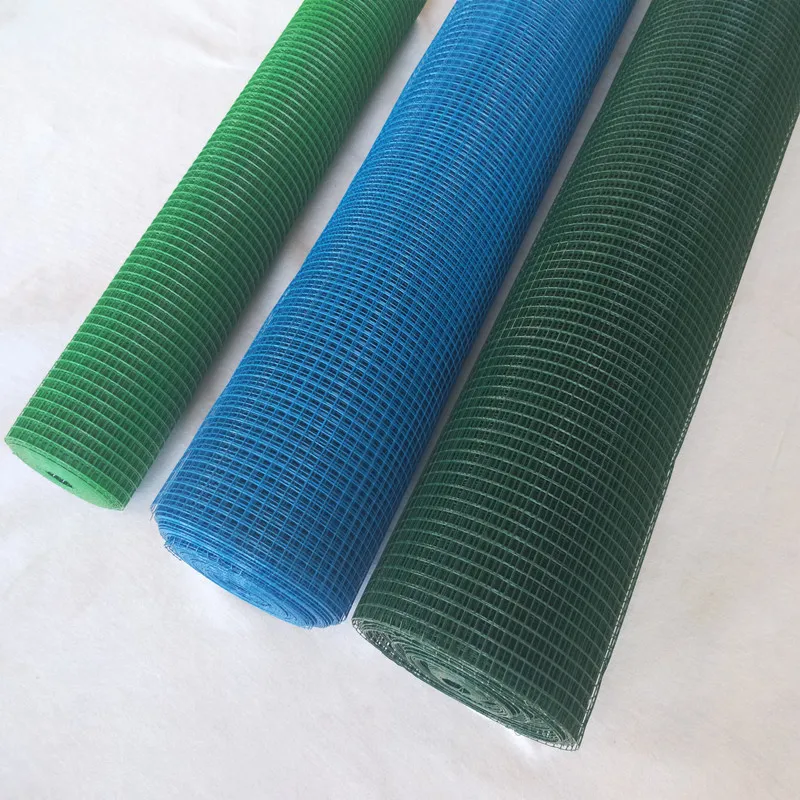
The fences typically use galvanized steel to prevent rust, often coated with vinyl or PVC for additional weather resistance. This matters because without strong material, a fence that costs thousands today becomes useless tomorrow. A durable fence keeps maintenance costs down and lifespan up — typically 15 to 25 years, depending on environment.
Chain link fencing is well-loved for modularity. Panels can be added or removed as sites evolve, which is huge in fast-growing urban or industrial zones. Barbed wire rolls can be customized in length and height to meet different security levels — from low-risk agricultural fields to high-risk government compounds.
Compared to concrete walls or electric fences, chain link fences with barbed wire offer a sweet spot of affordability without sacrificing basic security. Installation costs are lower due to their relative lightness, and transport is easier — crucial in remote or disaster-stricken areas.
Many installation teams report being able to deploy a chain link fence with barbed wire faster than any other perimeter solution. This speed plays a decisive role during emergency responses or in projects with tight deadlines. Less wait means better outcomes.
Unlike solid walls, this fence offers clear visibility through the mesh — a feature appreciated by security personnel who don’t want blind spots. It also reduces the feeling of confinement for people living or working nearby, which sometimes makes a psychological difference.
The flexible mesh and panel design mean the fence conforms well to different land contours, whether uneven hills or rocky ground. This is why it often appears in mountainous border areas or uneven industrial yards, places where rigid walls would require expensive groundwork.
From sprawling farms in Australia to remote military bases in Northern Africa, this fencing system is a global staple. In industrial zones in India and Southeast Asia, it guards factories and warehouses against theft and trespass. In post-disaster relief operations — like after the 2010 Haiti earthquake — erecting quickly deployed fencing helped maintain order and protect vital resources.
On a more sensitive note, refugee camps in the Middle East and East Africa often rely on this fencing type for demarcation and protection, balancing security with the need for airflow and light — something solid walls simply cannot provide.
Border control agencies in Latin America use it extensively in tandem with surveillance technologies. Parks and wildlife preserves also use chain link fences topped with barbed wire to protect endangered species from poachers.
Long story short, this fencing method is a quiet workhorse—visible but often overlooked—with a rich range of uses meeting security, humanitarian, and environmental needs.
You might not think of fencing as “high tech,” but innovation is knocking. New developments in polymer-coated wire improve longevity drastically, while eco-friendly zinc-aluminum coatings replace traditional galvanization.
We’re seeing experiments with solar-powered lights integrated along fence lines and sensors that detect tampering, wired or wireless. Digital fence monitoring—using drones or motion sensors—is becoming a standard for high-security zones, especially sensitive government or energy sites.
And oddly enough, in some places, biodegradable fencing materials or recyclable composites are emerging to reduce environmental footprint when fencing is a temporary necessity.
On the downside, chain link fences with barbed wire can sometimes feel impersonal or intimidating to communities, causing social friction. They also require periodic inspection to prevent damage or rust—neglect leads to compromised security.
Experts advise combining fencing with community engagement, thoughtful design (e.g., adding plant cover for aesthetics), and routine maintenance plans. Also, newer coatings dramatically reduce rust issues, and modular repairs mean fixing sections rather than rebuilding entire stretches.
| Specification | Details |
|---|---|
| Material | Galvanized Steel Wire with PVC Coating |
| Mesh Size | 50mm x 50mm (standard) |
| Wire Diameter | 3.0 mm to 4.0 mm |
| Fence Height | 1.8 m to 3.0 m |
| Barbed Wire Strands | 2–4 strands depending on security level |
| Lifespan | 15–25 years |
| Vendor | Material Quality | Customization Options | Delivery Speed | Price Point |
|---|---|---|---|---|
| Tike Metal | Premium zinc-aluminum coated | Wide (mesh size, wire diameter) | 2-3 weeks | Mid-range |
| Global Fencing Inc. | Standard galvanized steel | Limited | 3-5 weeks | Budget |
| SecureLine Solutions | High-grade PVC coated wire | Extensive | 4 weeks | Premium |
Chain link fence with barbed wire remains one of those quietly effective solutions for a range of security challenges. Affordable, durable, and adaptable, it continues to protect vulnerable spaces while evolving with innovations like eco-friendly coatings and smart monitoring technologies. If you’re in need of reliable fencing options that combine tried-and-true designs with modern touches, chances are good this is the go-to choice.
Want to explore custom options or get a quote? Visit the experts at Tike Metal — their blend of quality, speed, and customization is tough to beat.
RELATED PRODUCTS





Top