If you’ve ever been near a pool, you might already be somewhat familiar with chain link pool fence — that ubiquitous mesh barrier often surrounding public or private pools. But beyond its humble appearance, it plays a vital role globally: ensuring safety, delineating spaces, and complying with regulatory safety standards to prevent accidents. In an age where safety and sustainability are front and center, understanding the why and how of chain link pool fences matters more than you might expect. This article peels back the layers on what makes these fences so essential, their worldwide applications, and the trends shaping their future.
Globally, drowning is one of the top causes of accidental death, especially among children under five (World Health Organization). Pool safety regulations—often mandating barriers like chain link fencing—aren’t just bureaucratic red tape. They directly address this serious challenge.
Also, facilities today must comply with international standards (like ISO 14122-3 for safety guards and barriers). This convergence of safety, regulation, and accessibility underlines the global relevance of reliable pool fencing solutions, placing chain link pool fence designs at the forefront.
Oddly enough, as urbanization increases, so does demand for effective fencing that’s affordable, durable, and adaptable to diverse environments—from tropical climates to colder regions. According to a UN Habitat report, up to 55% of the world’s population live in urban areas where such protective boundaries are critical.
Takeaway: Chain link pool fences address a universal safety challenge supported by international legislation and widespread urban growth trends.
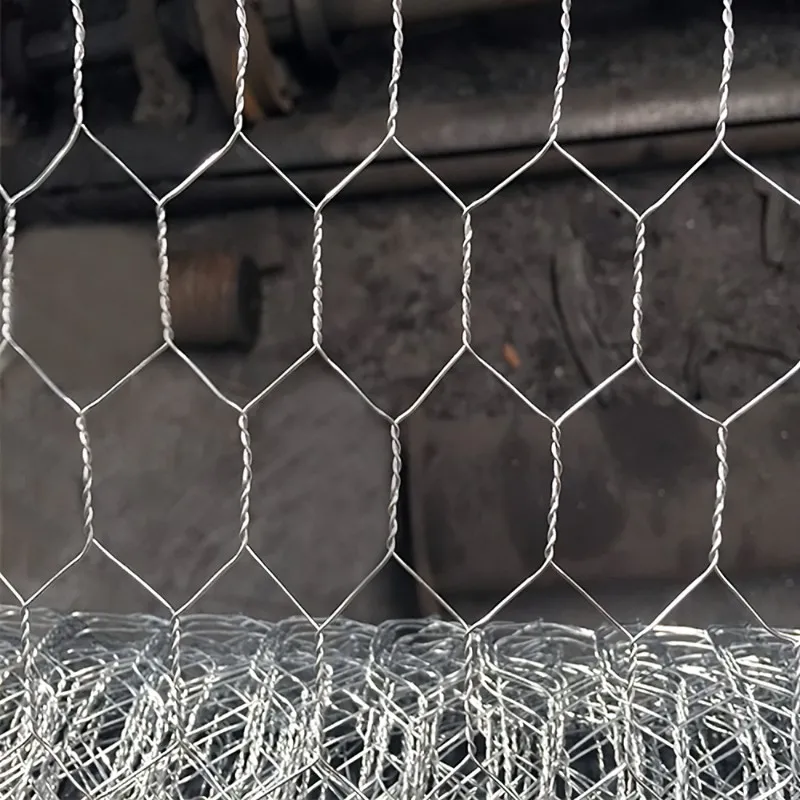
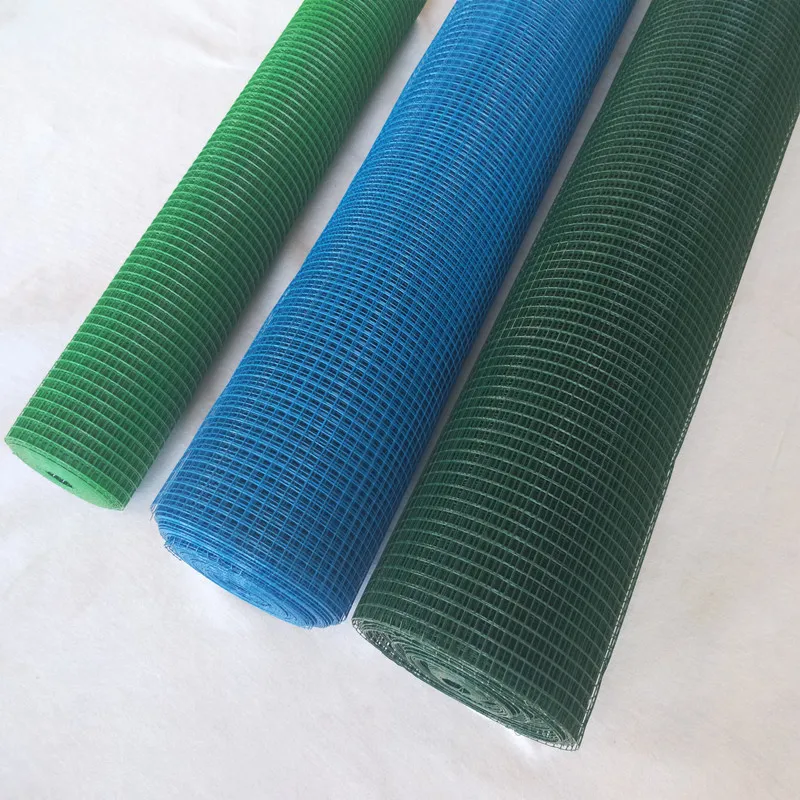
At its core, a chain link pool fence is a fence made from interwoven galvanized or coated steel wires, forming those familiar diamond-shaped patterns. Usually mounted on metal posts, it encloses pools to restrict unauthorized access while maintaining visibility. This blend of security and transparency is what makes it popular not only in residential pools but also in public recreational facilities and commercial zones.
Its connection to modern industry is subtle but important: this fencing method reflects an intersection of affordable materials, ease of installation, and compliance with evolving safety laws. It’s also modular — so repairs and modifications don’t require tearing down whole sections, which aligns well with sustainability and cost efficiency.
Takeaway: A chain link pool fence is an accessible, transparent safety barrier that balances protection and practical maintenance needs.
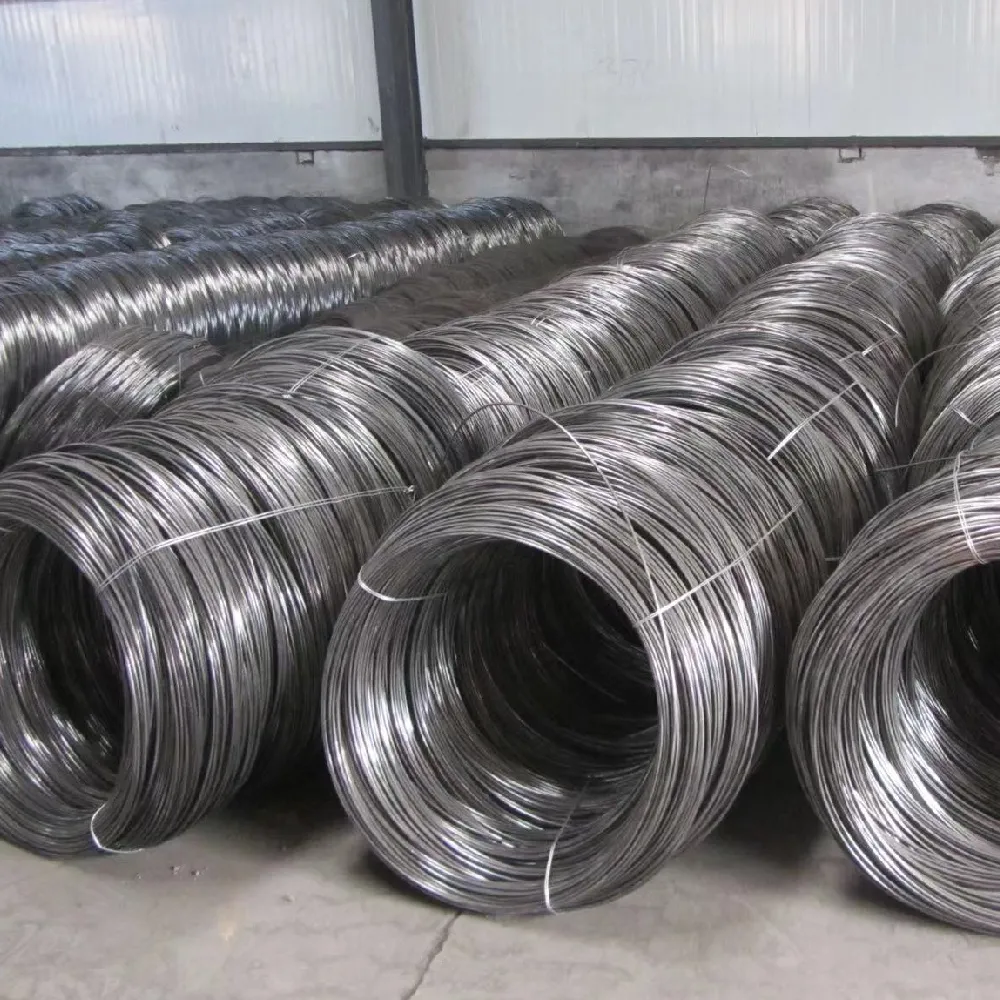
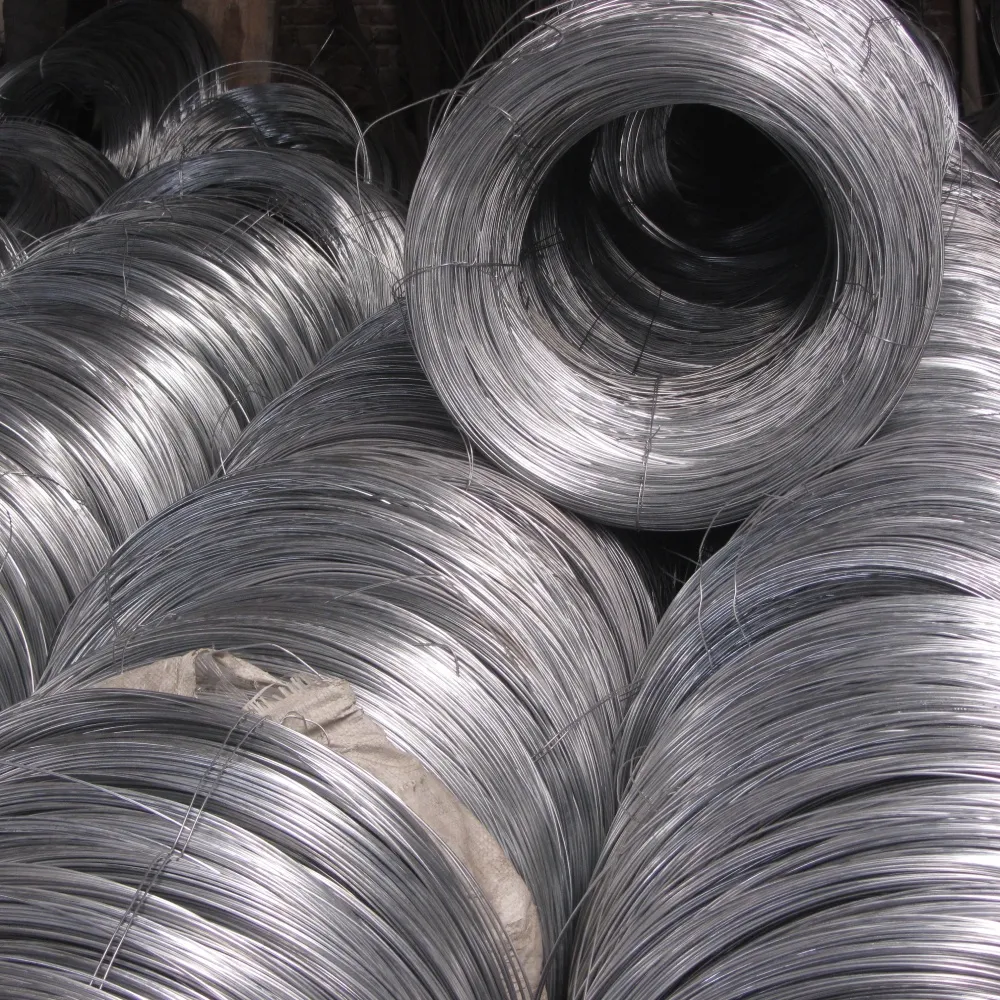
The steel wires, typically galvanized or vinyl-coated, resist rust and corrosion — a lifeline in humid or wet environments like poolside areas. Many engineers note that if properly maintained, these fences can last 10–20 years or more. Plus, the flexibility of the mesh lets the fence absorb impacts better than rigid barriers.
Compared to solid fences (like wood or wrought iron), chain link options cost roughly 30–50% less. Installation times are also shorter, and since materials are widely available, replacement parts are rarely an issue.
Transparency is a kind of unsung hero here. Lifeguards or parents can see through the fence easily, offering visual supervision without obstruction. This design supports quick emergency responses, which can be lifesaving.
Whether enclosing a small backyard pool or a sprawling public facility’s aquatic center, chain link panels are modular and expandable. They come in various heights and wire gauges to meet code requirements and site needs.
Repairs might simply mean replacing an individual wire segment or re-tightening sections, rather than the whole fence. This keeps costs and downtime low.
Takeaway: Durability, low cost, clear visibility, easy scalability, and simple maintenance make chain link pool fences a strong practical choice.
Chain link pool fences find homes in all corners of the world. Consider:
In regions prone to natural disasters, such as post-hurricane zones, fenced pools limit hazards while communities rebuild. Remote industrial sites with onsite water bodies also adopt these fences to prevent accidental drownings or trespassing in unstaffed zones.
Takeaway: The chain link pool fence’s adaptable nature makes it invaluable across private, public, and industrial environments worldwide.
Beyond just fencing off pool areas, these systems contribute significantly to:
I often hear from facility managers how a simple fence upgrade improves not just compliance but also public perception. Safety builds confidence — and confidence drives business and community goodwill.
Takeaway: Chain link pool fences save money, protect people, and enhance facility reputation for years.
| Specification | Standard Measure | Description |
|---|---|---|
| Material | Galvanized Steel / Vinyl Coated | Corrosion-resistant wire for outdoor durability |
| Mesh Size | 1 3/8 inch (standard) | Diamond-shaped openings balancing visibility and safety |
| Wire Gauge | 9 gauge (approx. 3.76 mm) | Thickness offering strength without excess weight |
| Fence Height | 48" – 72" (customizable) | Height varies by safety code and client preference |
| Post Material | Galvanized steel tubing | Provides structural support and corrosion resistance |
| Vendor | Material Quality | Customization Options | Warranty | Lead Time | Price Range |
|---|---|---|---|---|---|
| AquaGuard Fencing | Premium galvanized steel | Colors, heights, mesh sizes | 10 years | 2–3 weeks | $$$ |
| SafePool Systems | Standard galvanized steel | Limited colors, fixed mesh | 5 years | 1–2 weeks | $$ |
| TikeMetal Fence Co. | Galvanized & vinyl coated options | Highly customizable, sizes, colors, accessories | 15 years | 3–4 weeks | $$$ |
As with many industries, innovation touches fencing too. One growing trend is eco-conscious manufacturing — using recycled steel or low-VOC (volatile organic compound) coatings to reduce environmental impact. Some vendors now offer solar-powered gate alarms integrated into chain link fences, blending physical safety and digital monitoring.
Automation also creeps in: automated fencing gates controlled via smartphone apps or biometric scanners are increasingly common in upscale pools. What’s curious is that even in a humble product like chain link fencing, technology is inching in.
Takeaway: Green materials, smart security, and custom automation signal an exciting future for an otherwise straightforward product.
Despite their strengths, these fences aren't without glitches. Some complain about fence sagging over time due to tension loss or post corrosion if not properly treated. Others want more “designer” looks for high-end environments but feel limited by mesh appearance.
Solutions? Well, tighter galvanization, regular maintenance, and vinyl coatings help with corrosion and lifespan. On the aesthetic front, vinyl coatings in different greens, blacks, or tans let fences blend better into surroundings. Integrating climbing plants is an old trick to soften the industrial look.
Plus, modular designs mean replacing damaged parts is less painful, and ongoing R&D promises better materials soon — think polymer-infused wires or even carbon-fiber hybrids (ambitious, yes, but some companies are experimenting).
Takeaway: Understanding and tackling maintenance and visual customization challenges ensure your chain link pool fence stays both useful and attractive.
At the end of the day, a chain link pool fence isn’t just a metal mesh around your water—it’s a long-term investment in safety, cost-effectiveness, and peace of mind. Whether you’re a homeowner, facility manager, or commercial developer, it’s worth considering how this time-tested option fits into your project. And if you want to learn more or request a customized quote, please visit our website: chain link pool fence.
References
RELATED PRODUCTS






Top