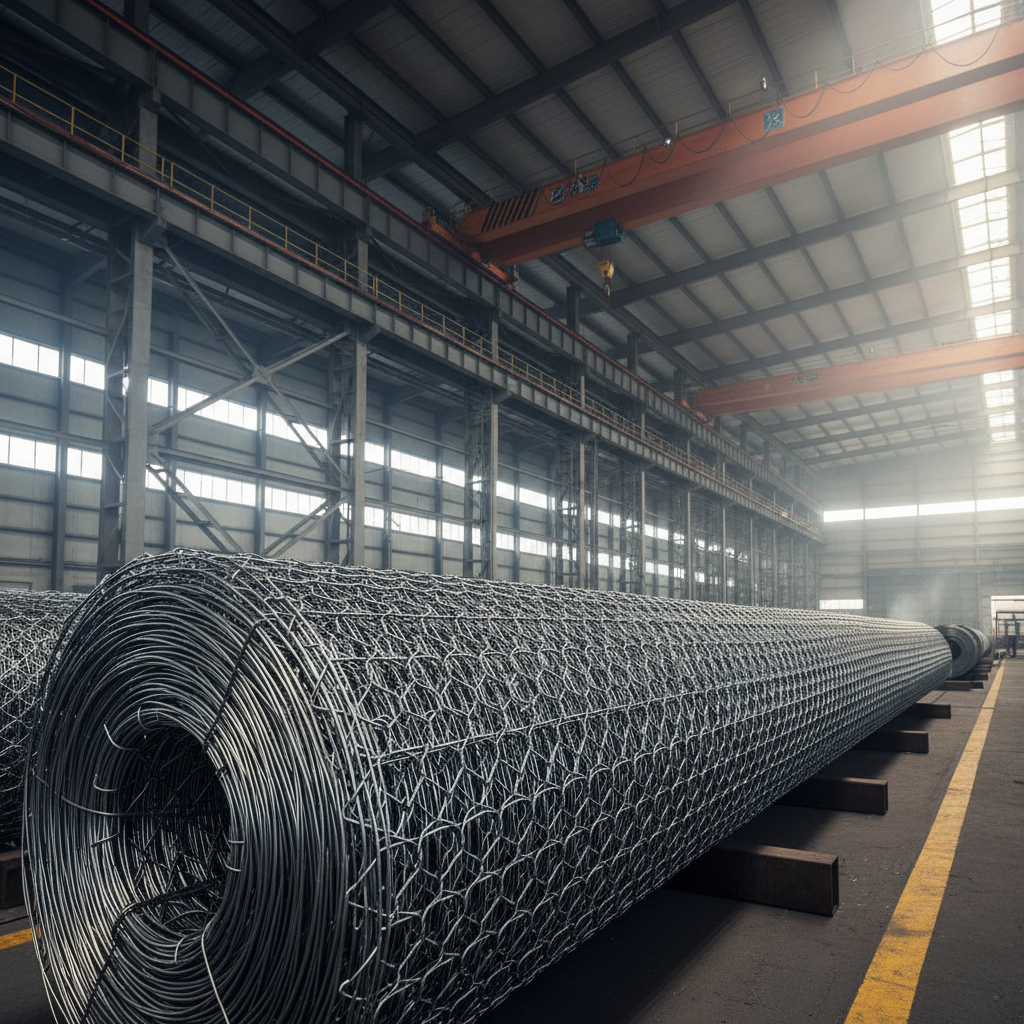
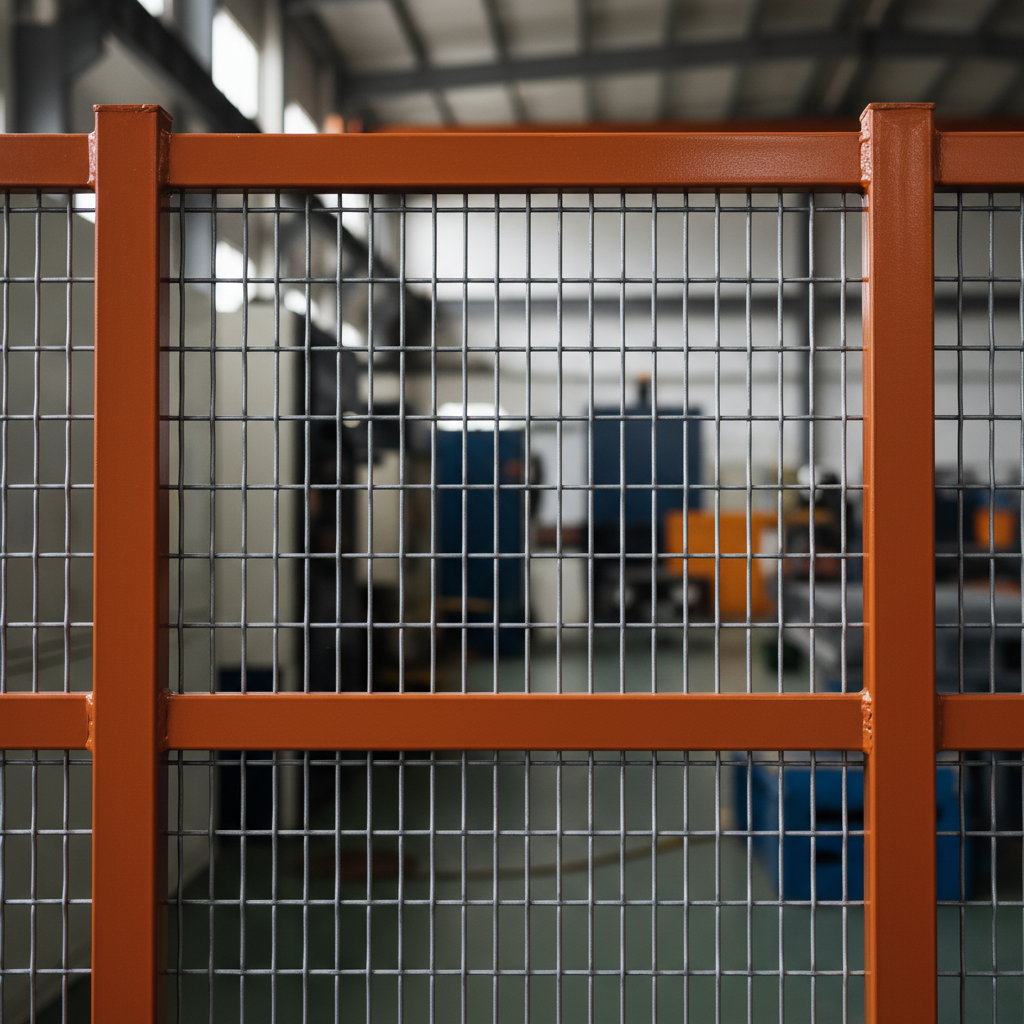
Metal wire fence solutions are increasingly vital across numerous sectors globally. From securing perimeters and managing livestock to offering rapid deployment housing and bolstering infrastructure, the demand for robust and adaptable fencing continues to rise. This is particularly true in developing nations experiencing rapid urbanization and infrastructure deficits, but also extends to developed countries where security and efficient resource management are paramount. Understanding the nuances of metal wire fence – its strengths, limitations, and evolving applications – is crucial for anyone involved in construction, security, disaster relief, or agricultural management.
The global market for metal wire fence is experiencing consistent growth, driven by factors like increasing security concerns, rising infrastructure investments, and a growing awareness of the cost-effectiveness of fencing solutions. Reports from organizations like the UN Habitat and the World Bank highlight the urgent need for affordable and sustainable housing and infrastructure in many regions, which directly fuels demand for solutions like metal wire fence-based shelters. Innovations in materials and construction techniques are further expanding the applications and potential of this versatile technology.
Ultimately, the effective use of metal wire fence represents a practical and scalable solution to a wide array of challenges. This is a sector ripe with opportunity for innovation, offering significant benefits to both businesses and communities worldwide.
The Importance of Metal Wire Fence
The fundamental importance of metal wire fence lies in its ability to provide security, containment, and structural support in a wide range of applications. Whether it’s delineating property boundaries, protecting sensitive infrastructure, or creating temporary shelters, the versatility of this material is unmatched. Its relative affordability compared to other materials like concrete or brick makes it a preferred choice in many projects, particularly where budget constraints are a concern.
Furthermore, the adaptability of metal wire fence allows for customized solutions tailored to specific needs. From varying wire gauges and mesh sizes to specialized coatings and installation techniques, the possibilities are extensive, ensuring optimal performance in diverse environments. The benefits extend beyond immediate functionality; properly installed metal wire fence contributes to long-term cost savings through reduced maintenance and enhanced durability.
Defining Metal Wire Fence
Metal wire fence encompasses a broad category of fencing solutions constructed from woven, welded, or twisted strands of metal wire. Common materials include steel, galvanized steel, stainless steel, and aluminum, each offering unique properties in terms of strength, corrosion resistance, and cost. The fence can take various forms, including chain-link, barbed wire, woven wire, and high-tensile wire fencing, adapted to specific security or containment requirements.
In modern industry, metal wire fence isn’t simply about perimeter security. It plays a crucial role in infrastructure projects, agricultural settings, and even humanitarian aid. The rapid deployment capabilities of wire-based shelters, for example, address urgent needs in disaster-stricken areas. It connects directly to providing basic safety and shelter—fundamental humanitarian needs.
Effectively, metal wire fence provides a scalable and cost-effective means to define spaces, control access, and protect assets, making it a cornerstone of both industrial and societal development.
Core Components of Metal Wire Fence Systems
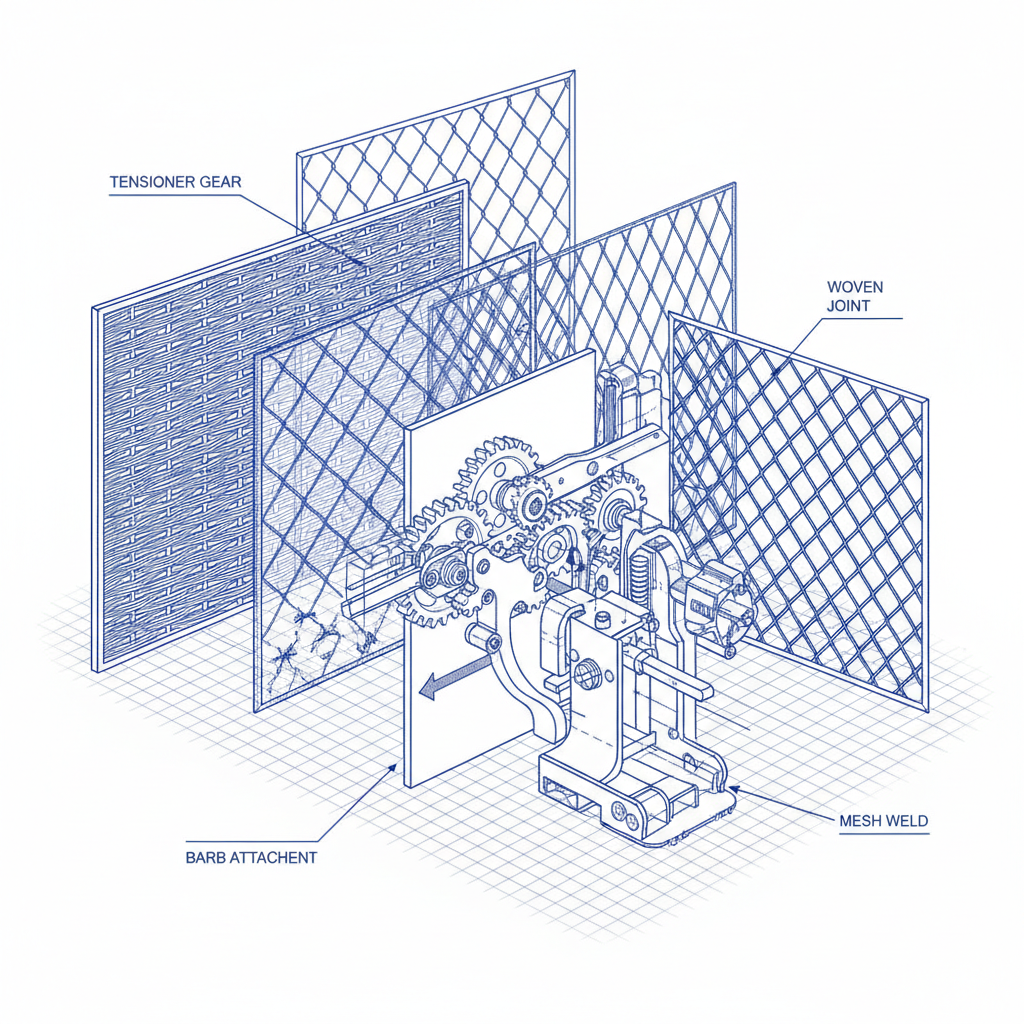
A complete metal wire fence system consists of several key components. First, the wire itself – the material determining strength and longevity. Second, the posts, typically made of steel or treated wood, providing structural support. Third, the tensioning system – wire stretchers and bracing – ensuring the fence remains taut and secure. Finally, the accessories – gates, locks, and barbed wire additions – enhance security and functionality.
The interplay between these components is critical for optimal performance. The choice of wire gauge dictates the fence’s ability to withstand stress, while the post spacing influences overall stability. A properly designed tensioning system prevents sagging and ensures the fence maintains its integrity over time. These components working in unison create a secure and lasting barrier.
Often overlooked but important is the ground preparation. Solid anchoring of posts into the ground is essential and varies based on soil type and local conditions. This foundational aspect significantly affects the overall longevity and resilience of the metal wire fence.
Key Factors of Metal Wire Fence Performance
Several factors directly influence the performance of a metal wire fence. Durability is paramount; the resistance to corrosion, weather damage, and physical impact determines the lifespan of the fence. Scalability refers to the fence's ability to adapt to varying terrain and project requirements, offering flexibility in installation and configuration.
Cost efficiency is also crucial, encompassing both the initial investment and long-term maintenance costs. Security level, defined by wire gauge, mesh size, and additional features like barbed wire, dictates the fence's effectiveness in preventing unauthorized access. Finally, ease of installation and maintenance impact project timelines and ongoing upkeep expenses.
Metal Wire Fence Performance Metrics
Global Applications of Metal Wire Fence
Metal wire fence finds widespread application across the globe. In agriculture, it’s used for livestock containment, protecting crops, and defining property boundaries. Industrial sites utilize it for security perimeters, protecting valuable assets and controlling access. The construction industry relies on it for site safety, erosion control, and temporary barriers.
In post-disaster relief operations, metal wire fence serves as a critical component in establishing temporary shelters and securing aid distribution centers. In remote industrial zones, it protects infrastructure from theft and vandalism. Across many countries, especially those with limited resources, metal wire fence is fundamental for securing schools, hospitals, and other vital community facilities.
Advantages and Long-Term Value
The advantages of metal wire fence are numerous. Tangible benefits include lower costs compared to solid barriers, ease of installation, and minimal maintenance requirements. Its sustainability lies in its recyclability and long lifespan, reducing the need for frequent replacements. The social impact extends to enhanced security, improved safety, and increased peace of mind for communities.
Logically, the robust nature of metal wire fence instills trust and reliability. Emotionally, it provides a sense of security and protection for individuals and their property. The innovation in materials and techniques constantly enhances its performance and expands its applicability, solidifying its long-term value.
Future Trends in Metal Wire Fence Technology
Future trends in metal wire fence technology are focused on sustainability and automation. The development of bio-based coatings that reduce environmental impact and extend the lifespan of the fence is a growing area of research. Advancements in automated installation techniques, utilizing robotics and GPS-guided systems, will streamline the construction process and reduce labor costs.
Integrating smart technologies, like sensors and remote monitoring systems, will further enhance security and provide real-time alerts for breaches or damage. The demand for lightweight and high-strength materials will continue to drive innovation in wire manufacturing. These advancements promise a future where metal wire fence is even more efficient, durable, and environmentally responsible.
The convergence of digital transformation and green energy initiatives will likely see metal wire fence integrated into smart city infrastructure, playing a role in securing renewable energy facilities and managing urban environments.
Summarized Analysis of Metal Wire Fence Challenges and Potential Solutions
| Challenge |
Impact on Metal Wire Fence Performance |
Potential Solution |
Implementation Cost (1-10) |
| Corrosion |
Reduced lifespan, structural weakening |
Galvanization, powder coating, stainless steel alloys |
6 |
| Vandalism |
Breaches in security, repair costs |
Barbed wire additions, security cameras, reinforced posts |
7 |
| Uneven Terrain |
Difficult installation, reduced stability |
Adjustable post heights, stepped installation, terracing |
5 |
| High Wind Loads |
Fence deformation, failure |
Increased post density, wind bracing, high-tensile wire |
8 |
| Ground Instability |
Post sinking, fence sagging |
Deep post foundations, concrete footings, helical piers |
9 |
| Limited Visibility |
Increased risk of accidents, potential security blind spots |
Use of brightly colored wire, integrated lighting, perimeter clearing |
4 |
FAQS
The most common materials used are various grades of steel, including carbon steel, galvanized steel, and stainless steel. Galvanized steel provides excellent corrosion resistance at a reasonable cost, making it popular for general fencing applications. Stainless steel offers superior corrosion resistance but is more expensive, often used in harsh environments. Aluminum is also used for lighter-duty applications where corrosion is a concern but strength is less critical.
Galvanization is the process of coating steel with zinc, creating a protective layer that prevents rust and corrosion. This significantly extends the lifespan of a metal wire fence, especially in outdoor environments exposed to moisture and harsh weather. The thickness of the zinc coating directly impacts the level of protection, with thicker coatings providing longer-lasting durability. Galvanization is a cost-effective way to increase the service life of a fence.
Chain-link fencing is made from interlocking wires formed into a diamond pattern, providing a strong and relatively flexible barrier. It’s primarily used for security purposes. Woven wire fencing, on the other hand, features wires woven together in a mesh pattern. It’s often used for agricultural applications like livestock containment and is available in various mesh sizes and configurations. Woven wire is generally less expensive than chain-link but offers lower security.
The maintenance requirements for metal wire fence vary depending on the material and environment. Generally, galvanized or stainless steel fences require minimal maintenance. However, regular inspections for corrosion, broken wires, and loose tension are recommended. Repairing minor damage promptly can prevent larger issues. Periodic cleaning to remove dirt and debris can also help prolong the fence’s lifespan. Wooden post supports will need more regular maintenance.
When installing metal wire fence on uneven ground, it’s crucial to follow a contour-following approach. This involves adjusting the height of the posts to maintain a consistent fence line. Stepped installation, where posts are placed at varying heights, is often necessary. Properly bracing the fence and using tensioning systems are also essential to ensure stability. In severe cases, terracing or grading the ground may be required.
Yes, metal wire fence is highly recyclable. Steel and aluminum, the primary materials used in its construction, are valuable recyclable commodities. Recycling metal wire fence conserves natural resources, reduces landfill waste, and lowers the environmental impact of production. Many scrap metal recycling facilities will accept and process used metal wire fence for reuse.
Conclusion
Metal wire fence remains a critical infrastructure component across diverse sectors worldwide. Its adaptability, cost-effectiveness, and increasing sustainability make it an essential solution for security, containment, and shelter. Understanding its core components, performance factors, and emerging trends is vital for informed decision-making in construction, agriculture, disaster relief, and beyond. The continued innovation in materials and installation techniques ensures that metal wire fence will remain a cornerstone of both industrial and humanitarian efforts.
Looking ahead, investment in research and development is crucial to unlock the full potential of metal wire fence technology. By embracing sustainable materials, automated installation methods, and smart monitoring systems, we can create fencing solutions that are not only effective and affordable but also environmentally responsible and resilient. Visit our website at metal wire fence to explore our range of solutions and learn how we can meet your specific needs.