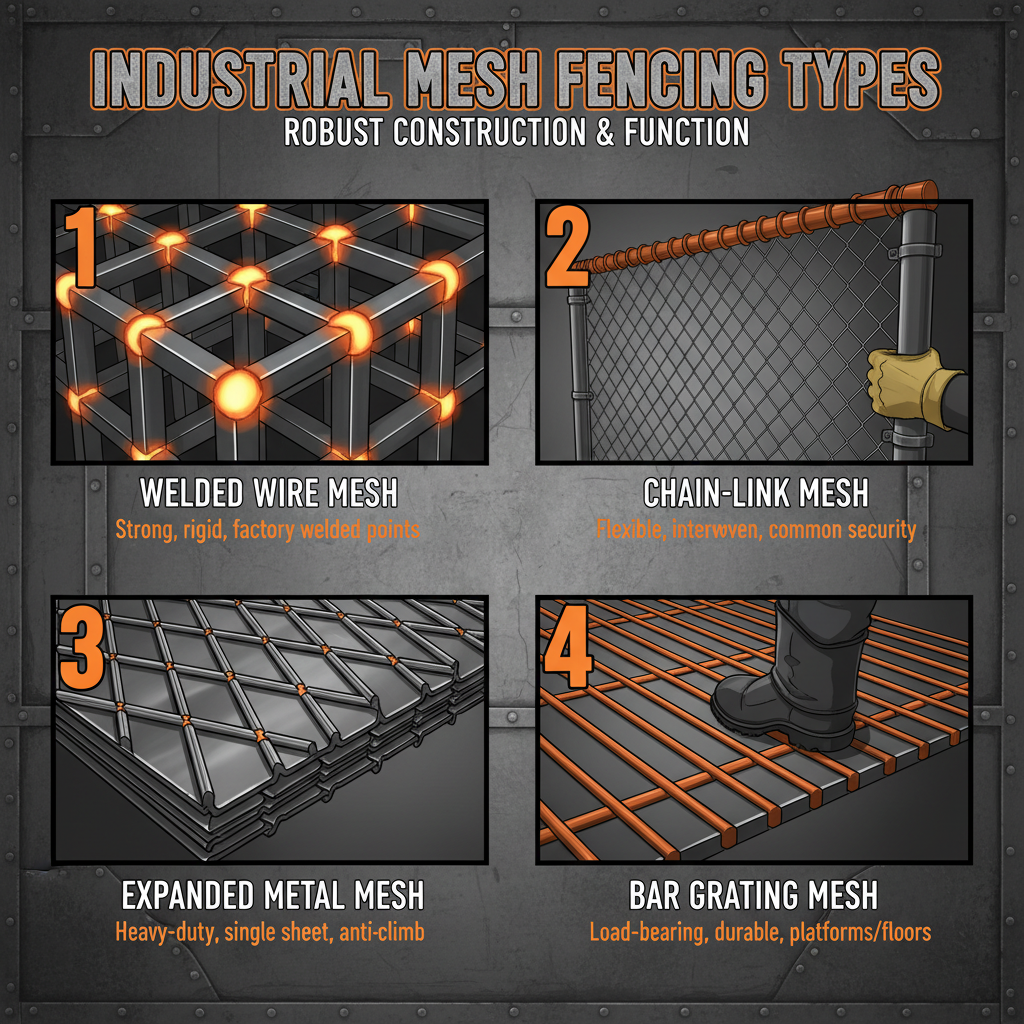
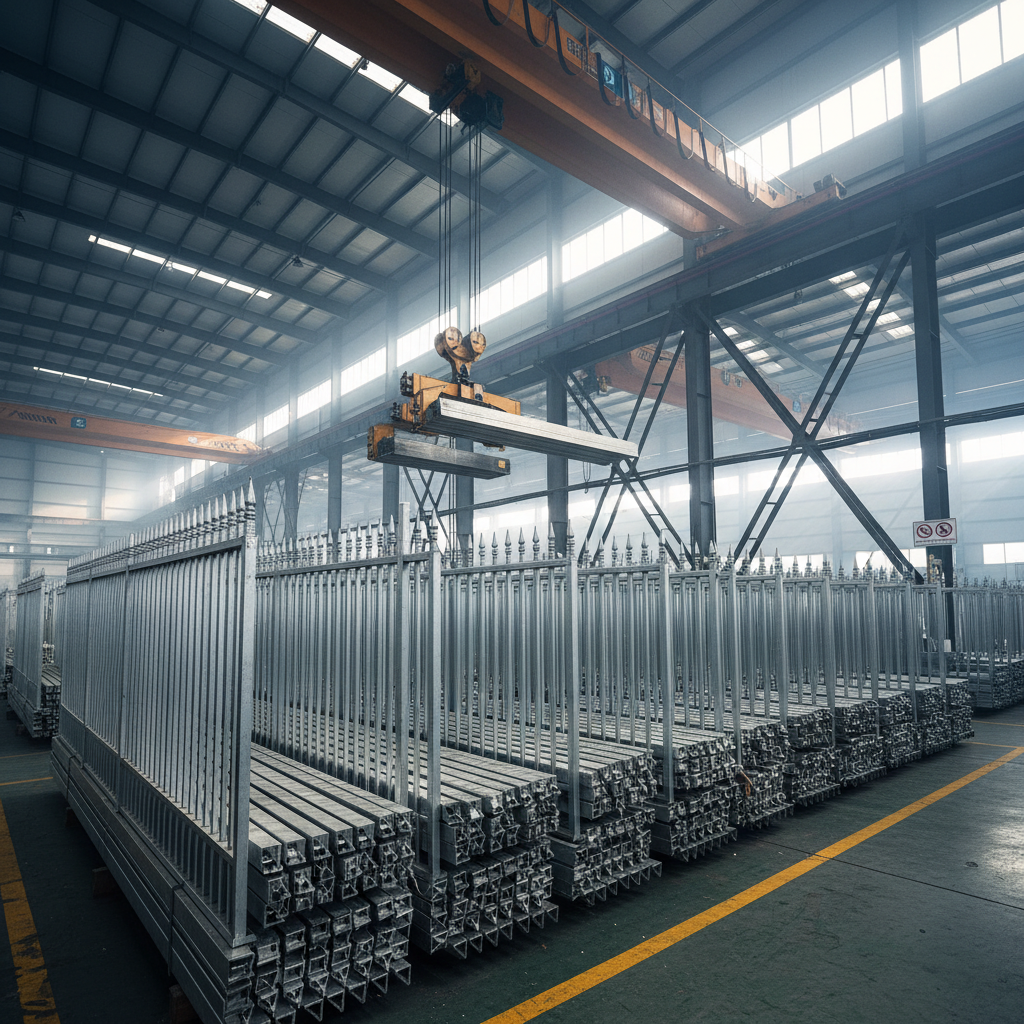
Wire mesh fence suppliers are the backbone of security and containment across a huge range of industries. From securing construction sites and protecting agricultural lands to controlling crowds at events and providing high-security perimeters for critical infrastructure, these suppliers play a vital, often unseen, role in keeping things safe and orderly. It’s not just about fences, though. It's about understanding material science, installation techniques, and, most importantly, the specific needs of the client. I’ve spent years out on sites, seeing what works and what doesn’t, and reliable suppliers are the first piece of that puzzle.
Globally, the demand for effective perimeter security is constantly increasing, driven by factors like urbanization, growing concerns about public safety, and the need to protect valuable assets. The United Nations estimates a continued rise in urban populations, which directly correlates with increased demand for security infrastructure. World Bank data shows significant investment in infrastructure projects in developing nations, many requiring robust fencing solutions. Even standards organizations like ISO have increasingly stringent requirements for security fencing, particularly in sectors like transportation and energy. This isn't a niche market; it’s a fundamental part of modern development.
The biggest issue I consistently see is clients underestimating the long-term cost of a cheap fence. They go with the lowest bid, and six months later, they’re dealing with rust, failures, and a total replacement. That's where a good wire mesh fence supplier comes in – they don’t just sell you a product, they provide a solution tailored to your environment and budget, considering the lifespan and total cost of ownership.
As someone who’s spent decades walking job sites, I can tell you a fence isn't just a visual barrier. It's about asset protection, safety, and liability. A quality wire mesh fence from a reputable supplier provides a tangible return on investment by deterring theft, preventing unauthorized access, and minimizing risks. It’s also about compliance – many industries have strict regulations regarding perimeter security. Working with a supplier who understands these regulations is crucial.
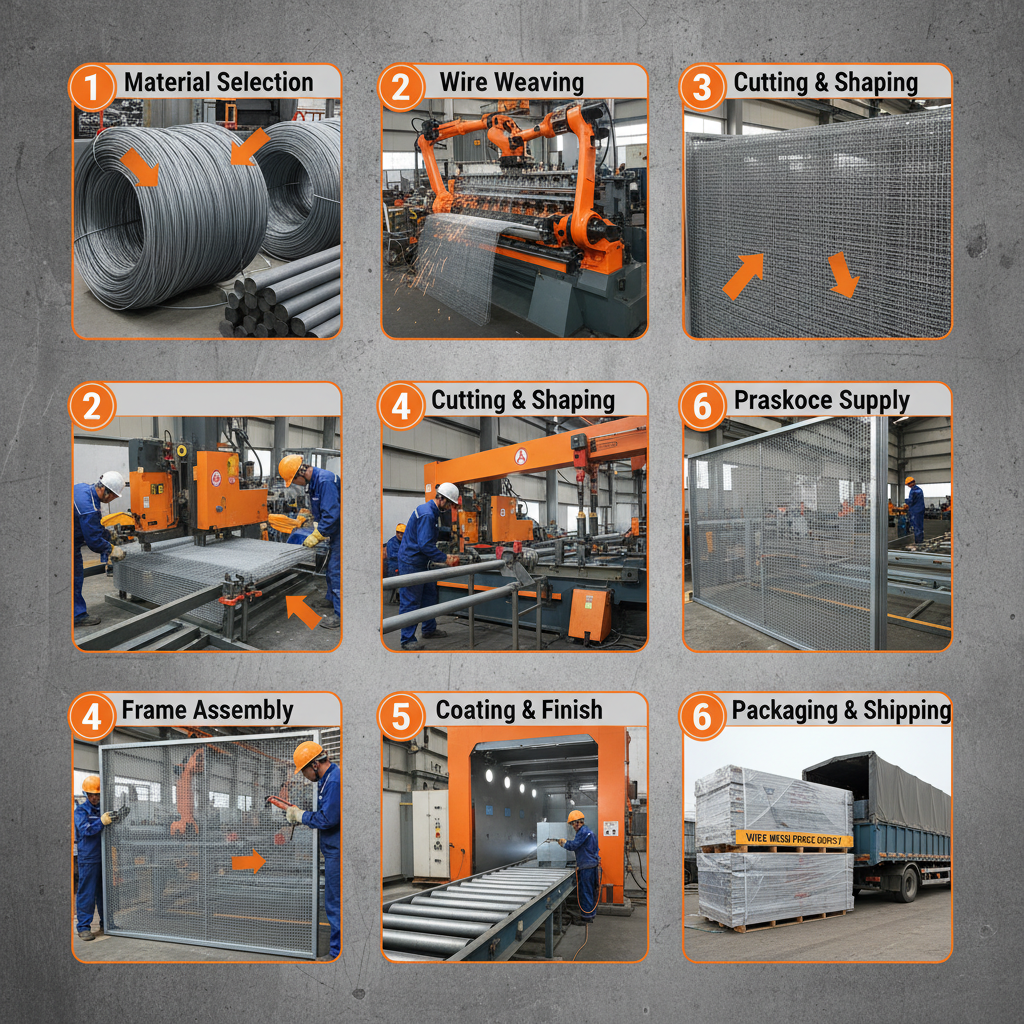
The devil is always in the details. It’s not enough to simply buy a roll of wire mesh. You need to consider the gauge of the wire, the mesh opening size, the coating type, and the overall construction of the fence. A good wire mesh fence supplier will guide you through these considerations and help you select the right materials for your specific application. They'll also provide proper installation instructions and support, which is often overlooked.
You see wire mesh fencing everywhere. Construction sites use it to secure materials and prevent unauthorized access. Agriculture relies on it for livestock containment and crop protection. In post-disaster relief operations, it’s used to create temporary shelters and secure aid distribution points.
It’s also vital for securing critical infrastructure like power plants, water treatment facilities, and communication towers. High-security wire mesh fencing is specifically designed to withstand attacks and prevent intrusions. I’ve worked on projects where the security of the perimeter was paramount, and the right fencing system made all the difference.
The biggest advantage, honestly, is cost-effectiveness. Compared to solid concrete walls or elaborate security systems, wire mesh fencing provides a high level of security at a fraction of the cost. But it's not just about the initial price tag. It's about the long-term value. A well-maintained wire mesh fence can last for decades, providing years of reliable service.
It also offers flexibility and scalability. You can easily modify or expand a wire mesh fence system to meet changing security needs. And, when done right, it’s a visually appealing solution that doesn't detract from the surrounding environment. It’s a practical and sustainable choice for a wide range of applications.
We're seeing a lot of innovation in the wire mesh fencing space. Smart fencing systems that integrate with sensors, cameras, and alarm systems are becoming increasingly popular. These systems provide real-time monitoring and alert security personnel to potential threats. wire mesh fence suppliers are now offering systems that can even detect attempts to cut or climb the fence.
There’s also a growing focus on sustainable materials and manufacturing processes. Suppliers are exploring the use of recycled materials and developing more eco-friendly coatings. And with the rise of automation, we're seeing more efficient and cost-effective manufacturing techniques.
I expect to see continued integration with IoT devices and AI-powered analytics. The ability to remotely monitor and manage fencing systems will be crucial for large-scale infrastructure projects and critical asset protection.
| Challenge | Impact on wire mesh fence suppliers | Potential Solution | Implementation Cost (1-10) |
|---|---|---|---|
| Material Corrosion | Reduced fence lifespan, increased maintenance costs | Use of corrosion-resistant coatings (e.g., galvanization, PVC) | 6 |
| Vandalism/Cutting | Security breaches, repair costs | Higher gauge wire, tamper-proof fasteners, anti-climb features | 8 |
| Installation Errors | Compromised security, premature failure | Certified installers, detailed installation guides, on-site supervision | 7 |
| Supply Chain Disruptions | Material shortages, project delays | Diversification of suppliers, strategic inventory management | 5 |
| Rising Material Costs | Increased project budgets, reduced profitability | Negotiating long-term contracts, exploring alternative materials | 4 |
| Lack of Standardization | Compatibility issues, increased complexity | Promoting industry standards, developing modular systems | 3 |
The lifespan of a wire mesh fence depends on several factors, including the material used (galvanized steel, stainless steel, etc.), the coating type, the environment (coastal areas are more corrosive), and the level of maintenance. Regular inspections and timely repairs can significantly extend the fence’s life. Proper installation is also crucial – a poorly installed fence will fail much sooner. I've seen fences last 20+ years with good care, while others need replacement after just a few.
The gauge of the wire mesh refers to its thickness. A lower gauge number indicates a thicker wire, which makes the fence more difficult to cut or break. For high-security applications, a lower gauge wire mesh is essential. However, thicker wire also means a higher cost. It's about finding the right balance between security and budget. Also, the weave pattern plays a role – tighter weaves offer greater resistance to cutting.
Common coatings include galvanization (zinc coating for corrosion resistance), PVC coating (for added protection and color options), and powder coating (for a durable and aesthetically pleasing finish). Galvanization is the most basic and cost-effective, while PVC and powder coating offer superior protection and aesthetics. The best coating depends on the environment and the desired lifespan of the fence.
Professional installation is extremely important. A poorly installed fence will be structurally weak and vulnerable to damage. Qualified installers will ensure proper post spacing, secure connections, and appropriate tensioning of the wire mesh. They’ll also be familiar with local regulations and best practices. Don’t skimp on installation; it's a critical investment.
Coastal environments are highly corrosive due to salt spray. In these areas, it's essential to use marine-grade materials, such as stainless steel or heavily galvanized wire mesh. PVC coating can also provide an extra layer of protection. Regular inspections and maintenance are crucial to prevent rust and corrosion. I always recommend a thicker coating in these applications.
Yes, there’s a growing demand for sustainable fencing solutions. Some suppliers are now offering wire mesh made from recycled materials. Others are using more eco-friendly coatings and manufacturing processes. It's also important to consider the longevity of the fence – a durable fence that lasts for decades is more sustainable than a cheaper fence that needs to be replaced frequently.
In conclusion, selecting the right wire mesh fence and a reliable supplier is a critical decision with long-term implications. It’s not just about buying a product; it’s about investing in security, safety, and peace of mind. From understanding material science and installation techniques to considering environmental factors and future trends, a proactive approach is essential. A good wire mesh fence suppliers partner will guide you through the process and help you choose the solution that best meets your needs.
Looking ahead, the wire mesh fencing industry will continue to evolve, driven by innovation and sustainability. Expect to see more smart fencing systems, eco-friendly materials, and advanced manufacturing techniques. By staying informed and working with reputable suppliers, you can ensure that your fencing investment provides lasting value and protection. Don't hesitate to reach out for a consultation – a little planning goes a long way.






Top