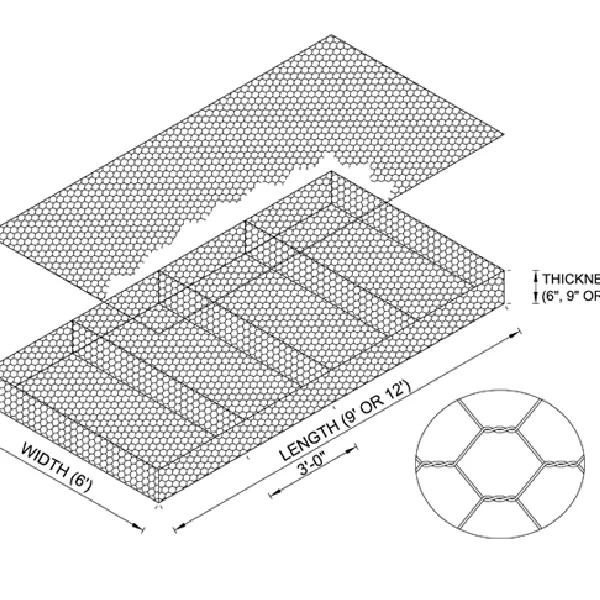
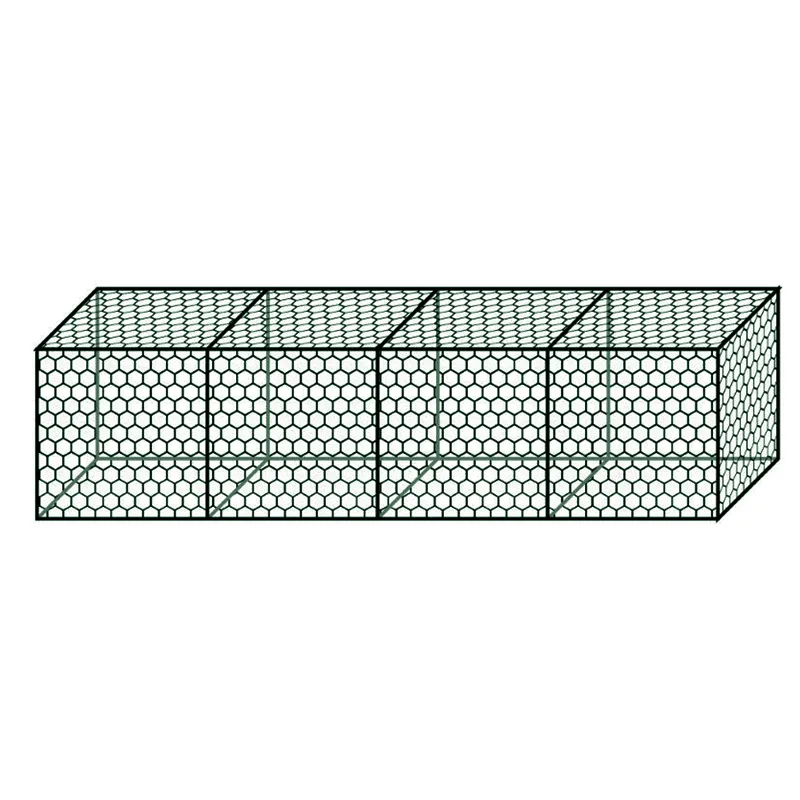
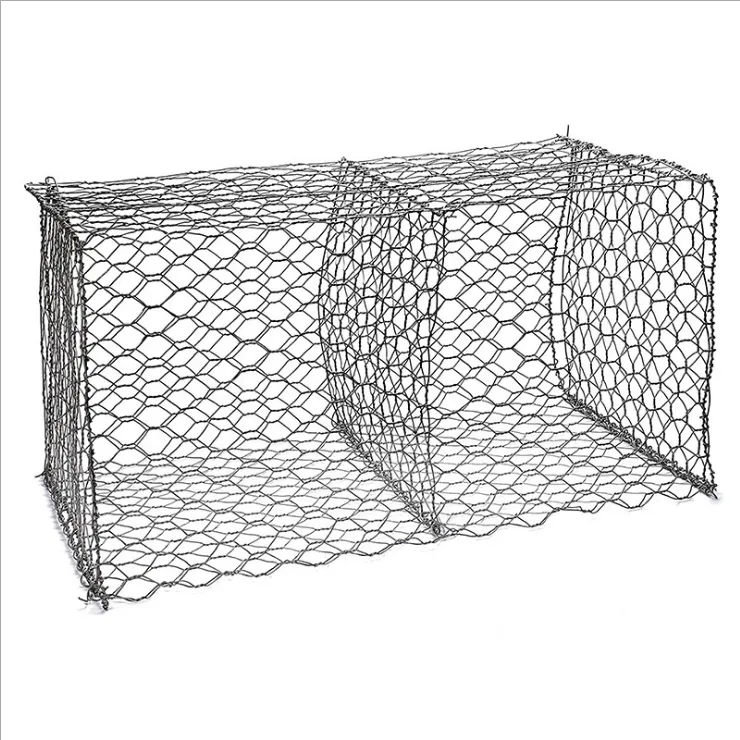
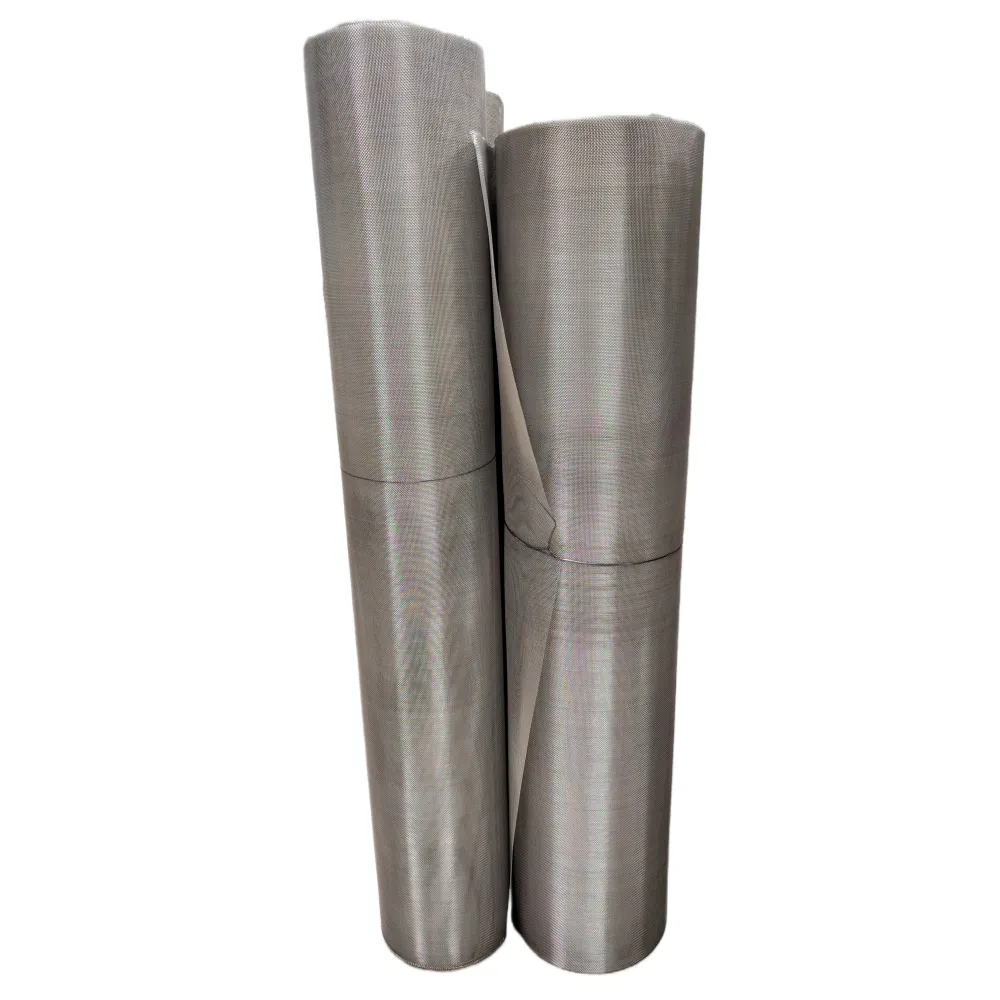
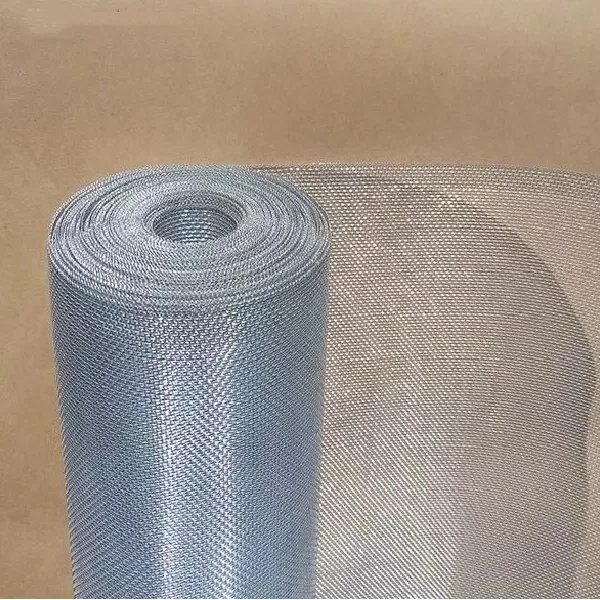
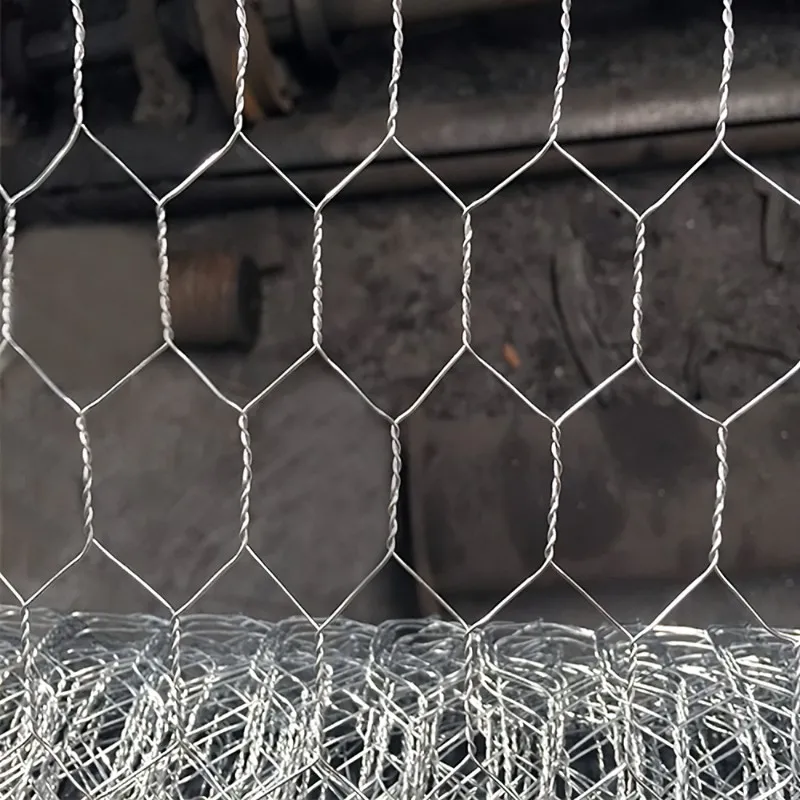
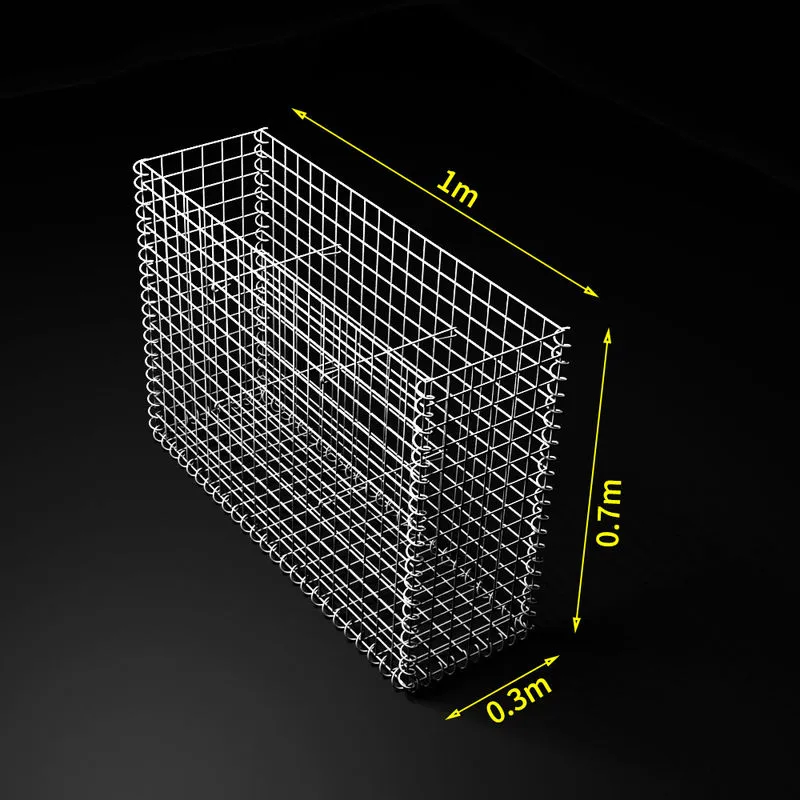
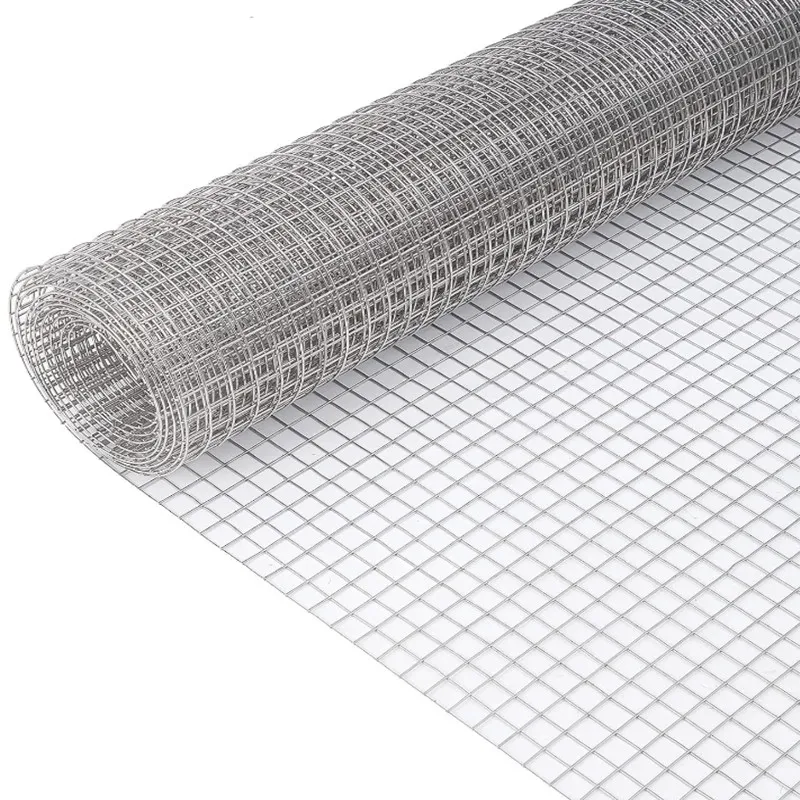
Having spent more than a decade in the industrial equipment sector, I've seen the humble steel expanded metal prove itself time and again. It’s not flashy, but that’s partly why it works so well. For those not familiar, steel expanded metal is exactly what it sounds like — steel sheets that are simultaneously cut and stretched to form a diamond-shaped mesh. This design is deceptively simple yet offers a surprising array of practical benefits.
Oddly enough, expanded metal has been around for a long time, but many engineers I know still appreciate its versatility. I suppose when you’re in the market for robust, durable, and cost-effective fencing, walkways, or protective guards, it sticks around because it just works. I recall a project where we needed a rugged anti-slip surface for an oil rig platform — nobody wanted to doubt the strength of expanded metal for that role.
Steel expanded metal is generally made from low carbon steel, but you can find stainless and galvanized options for corrosive environments. From my perspective, the choice of material really comes down to the intended usage and environmental exposure. For example, galvanized steel expanded metal is a common pick for outdoor fencing because it’s resistant to rust without adding too much to the budget.
The mesh size and thickness vary widely, which affects strength, weight, and aesthetics. Smaller mesh is better for fine filtration or reinforcement, while larger mesh maximizes light and airflow. Here’s a quick overview of typical specs you’ll encounter:
| Specification | Range/Example |
|---|---|
| Material | Low Carbon Steel, Galvanized, Stainless Steel |
| Mesh Opening (Diamond Length) | 6 mm to 100 mm (0.25" to 4") |
| Strand Thickness | 0.8 mm to 6 mm (0.03" to 0.24") |
| Sheet Dimensions | Typically up to 2m x 6m (6.5’ x 20’) |
| Finish | Plain, Galvanized, Painted, or Powder Coated |
While the product specs can tell you a lot, the real-world experience with vendors varies. From working hands-on with several suppliers, I noticed some distinct differences worth considering if you're shopping for steel expanded metal:
| Vendor | Product Variety | Customization Options | Lead Time | Pricing |
|---|---|---|---|---|
| Vendor A | Wide - multiple materials & finishes | High - custom mesh & sheet sizes | 2-3 weeks | Mid-range |
| Vendor B | Moderate - mainly galvanized steel | Limited | 1 week | Budget-friendly |
| Vendor C | Specialized - stainless & custom patterns | Very High | 4 weeks | Premium pricing |
From my conversations, most clients lean towards vendors like Vendor A for a good balance of quality and service. However, if time is tight and budget limited, Vendor B often meets immediate needs. You know, it’s rarely a one-size-fits-all choice.
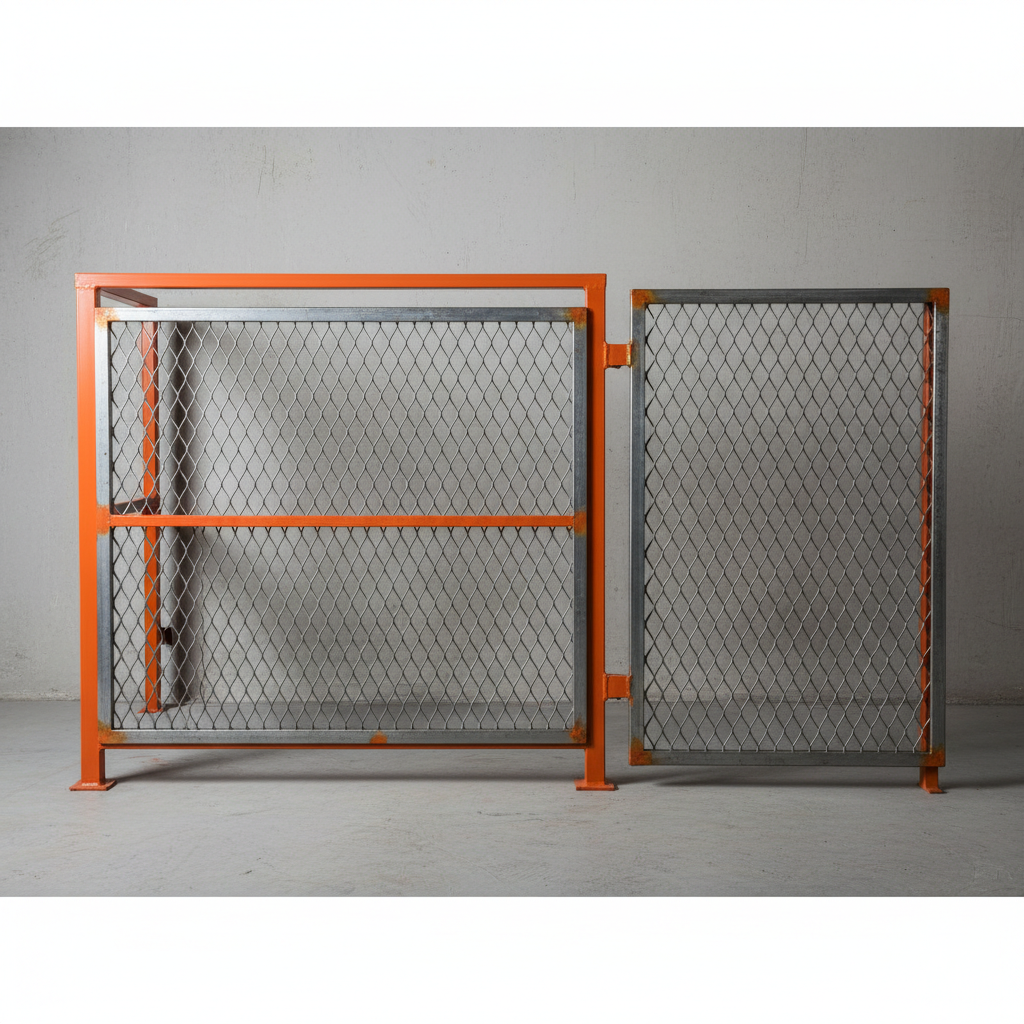
Steel expanded metal is incredibly adaptable. I saw it used for security fencing around high-voltage stations, reinforcing concrete panels, stair treads, and even artistic architectural facades. Its open mesh means it lets air and light through, yet provides reliable protection.
One standout story: a client once had a recurring problem with birds nesting inside machinery enclosures, causing downtime. We replaced plain panels with expanded metal sheets, which, after installation, struck the sweet spot between ventilation and exclusion. Problem solved, and with minimal fuss.
Frankly, in an era of complex composites and pricey alloys, steel expanded metal remains refreshingly straightforward and reliable. I suppose that’s why I keep coming back to it for many projects — it just fits, quietly and effectively.
For anyone looking to source steel expanded metal, it’s wise to check for quality certifications and confirm material specs. Make sure you also request samples where possible; seeing and handling the mesh makes all the difference in understanding how it will perform in your application.
Wrapping up — steel expanded metal might not be glamorous, but it’s the kind of product that quietly keeps the industrial world moving.
References:
RELATED PRODUCTS





Top