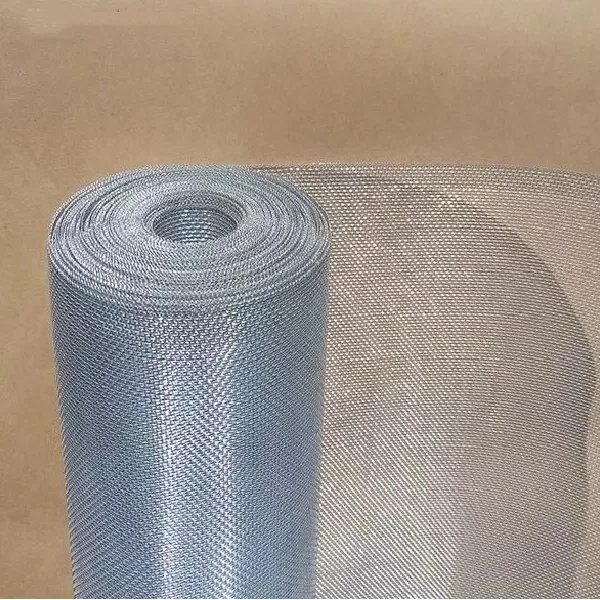
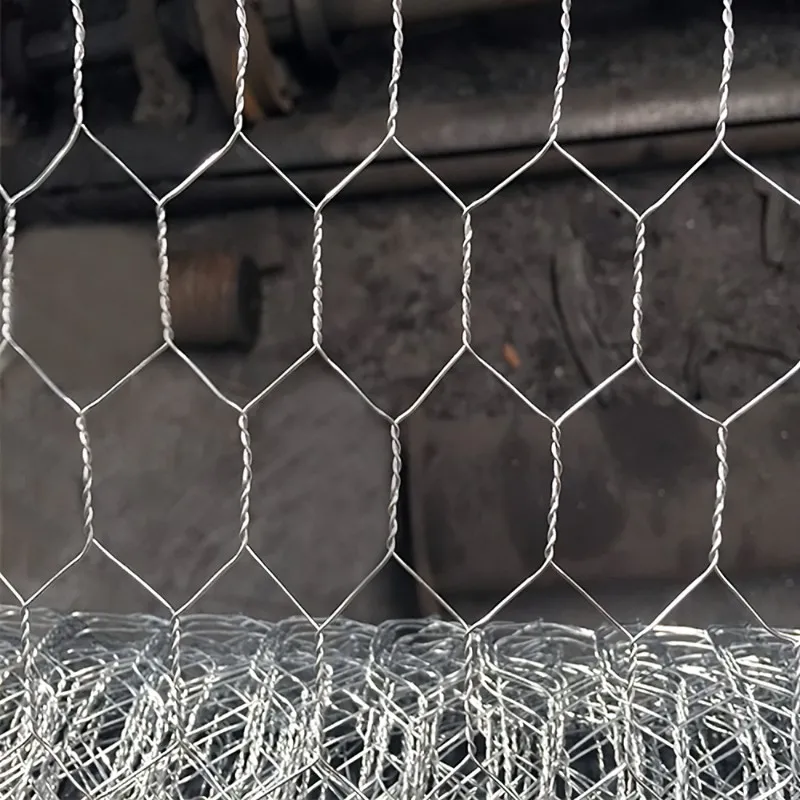
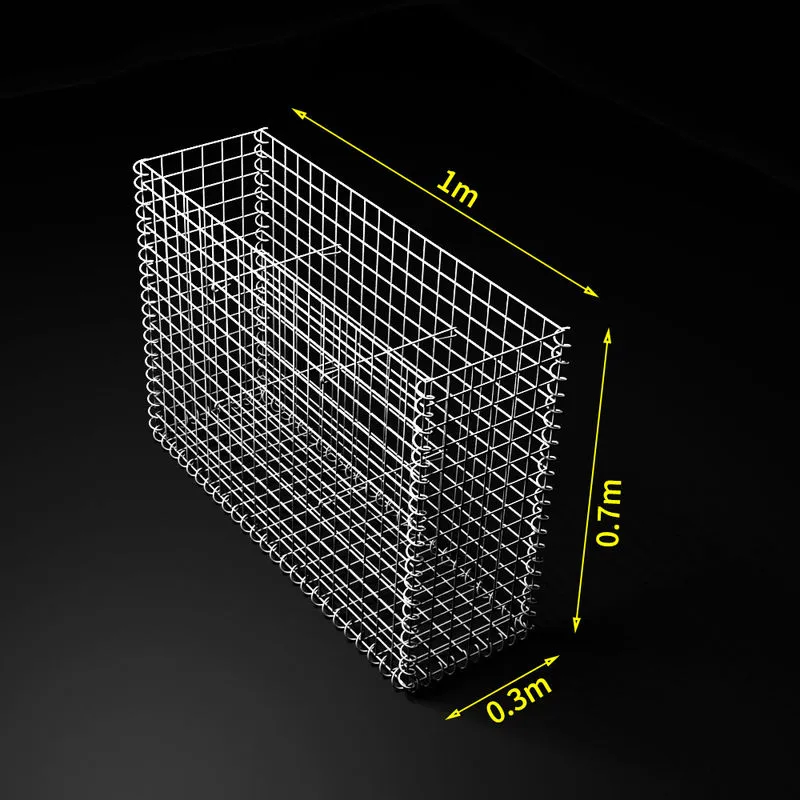
Having spent more years than I'd like to admit working alongside fabricators and structural engineers, expamet mesh always stands out as one of those quietly essential materials in the industrial world. You don’t hear it shouted from the rooftops, but it sure makes a difference on projects that demand durability and flexibility.
In real terms, expamet mesh is an expanded metal mesh that’s been gaining traction for everything from protective barriers to filtration panels. Oddly enough, its simplicity — just metal stretched and cut in a pattern — often disguises its versatility. I remember once overseeing a installation where switching to expamet mesh shaved weeks off the maintenance downtime. That kind of impact can be a gamechanger in industrial settings.
Let’s dive into what makes this mesh tick, the kind of materials used, and why engineers often trust it for both temporary and permanent solutions.
Typically, expamet mesh is made from carbon steel, stainless steel, or aluminum — you know, metals that balance strength with corrosion resistance. Stainless steel is particularly favored in environments where moisture or chemicals pose risks. Thickness varies, but most industrial-grade options tend to hover between 1mm to 3mm, providing a sturdy yet lightweight framework.
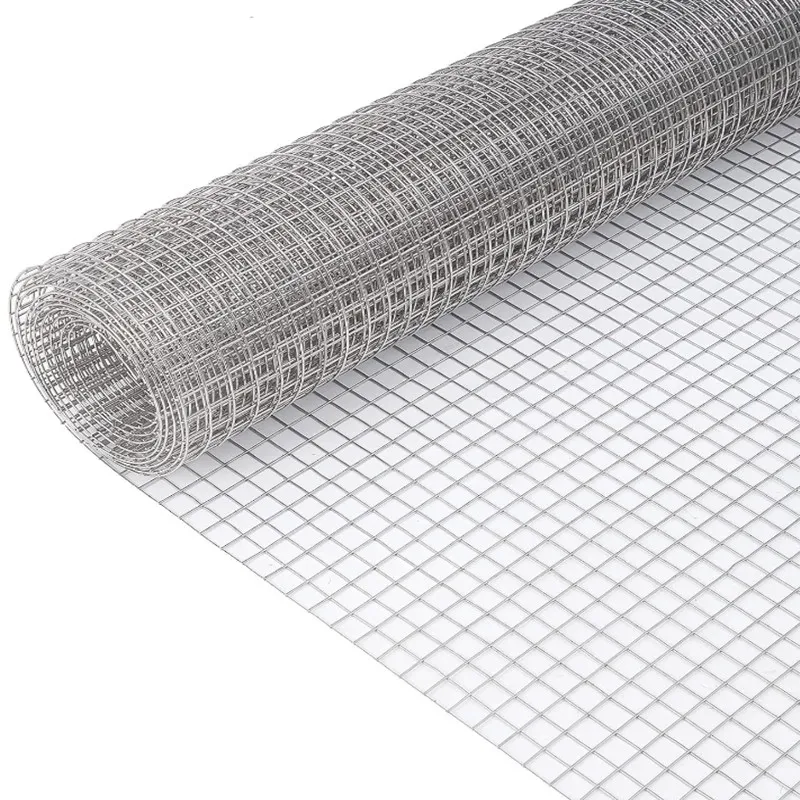
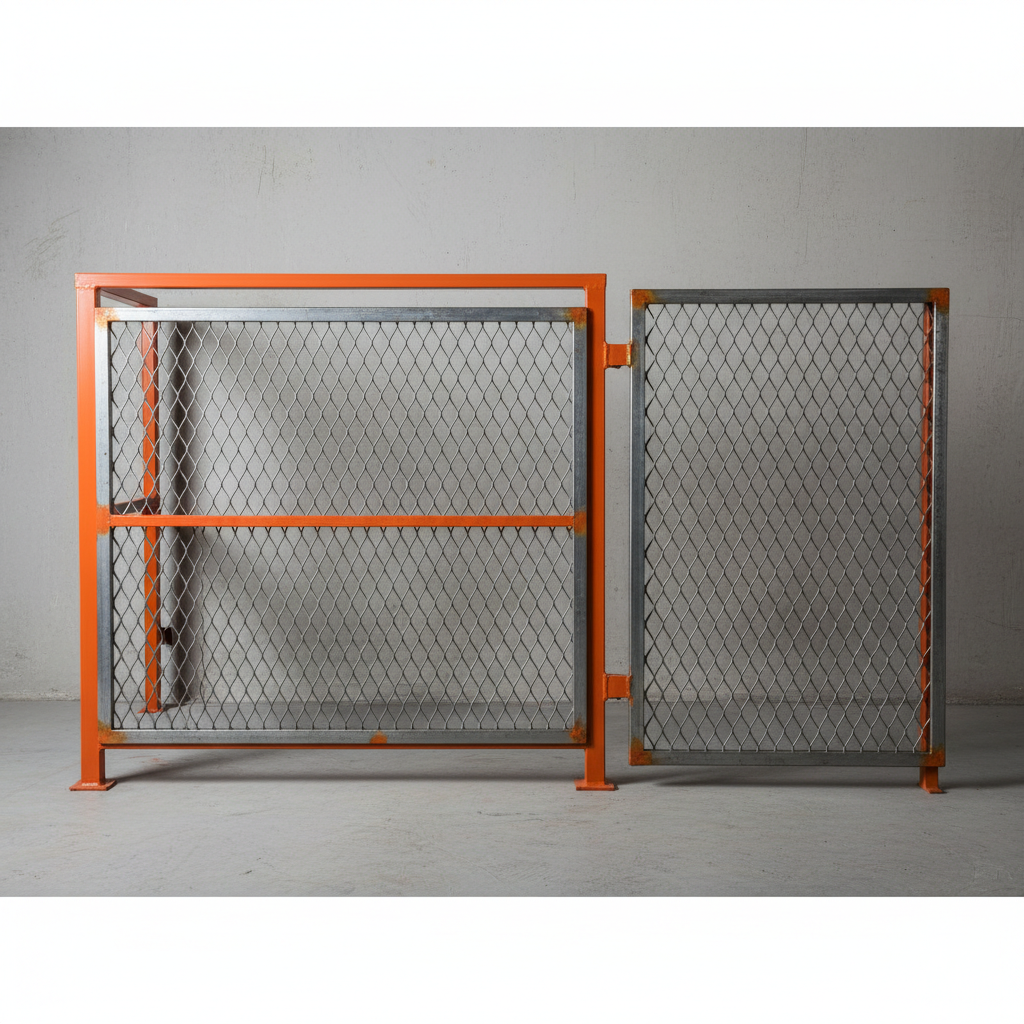
The design features a diamond-shaped pattern created by slitting and stretching the metal sheet. This pattern isn’t just for looks — it lets air, light, and liquids pass through while maintaining structural integrity, which is why it excels in ventilation grills or machine guards.
| Specification | Details |
|---|---|
| Material | Carbon Steel, Stainless Steel, Aluminum |
| Thickness | 1mm to 3mm |
| Strand Width | 3mm to 10mm (varies by vendor) |
| Mesh Size (Diamond Opening) | 10mm to 50mm |
| Surface Finish | Galvanized, Powder-Coated, Plain |
In my experience, selecting the right vendor can feel like navigating a maze. You want consistent quality, competitive pricing, and decent lead times — no surprises. Here's how some prominent vendors stack up, based on industry chatter and hands-on assessments I’ve encountered:
| Vendor | Quality | Lead Time | Pricing | Customization |
|---|---|---|---|---|
| Tike Metal | High | 1-2 weeks | Competitive | Excellent - custom sizes & finishes |
| MeshPro Inc. | Good | 2-3 weeks | Mid-range | Limited options |
| SteelNet Solutions | Fair | 3-4 weeks | Budget-friendly | Standard sizes only |
Why do so many engineers and technicians lean toward expamet mesh? Well, it really boils down to a few factors:
Let me share an anecdote. At one site, a customer was struggling with corrosion on their protective fences. Switching to a galvanized expamet mesh panel not only improved durability but also slashed maintenance visits by half. Little wins like that add up over time.
Now, I won’t pretend every expamet mesh product meets the exacting standards required for every industry. Site-specific testing, including tensile strength and corrosion resistance tests, is crucial. Many certified vendors now provide documentation compliant with ASTM and ISO standards. It’s important to request these before purchase — don't just take a vendor’s word at face value.
And frankly, if you’re looking for specialized applications (like food processing or hazardous environments), check for FDA or other relevant compliance too. I’ve learned over time that diligence here saves a lot of headaches later.
All told, whether you’re retrofitting an existing installation or designing a new facility, expamet mesh is a solid, adaptable choice that keeps turning up on my site visits and project reviews.
So, next time you need a mesh that balances strength, versatility, and price, you might just want to give expamet a hard look.
References:
1. ASTM International, Standard Test Methods for Expanded Metal
2. "Expanded Metal Mesh: Applications & Properties," Industrial Metals Journal, 2022
3. Conversations with site managers and engineers, 2018–2023
RELATED PRODUCTS





Top