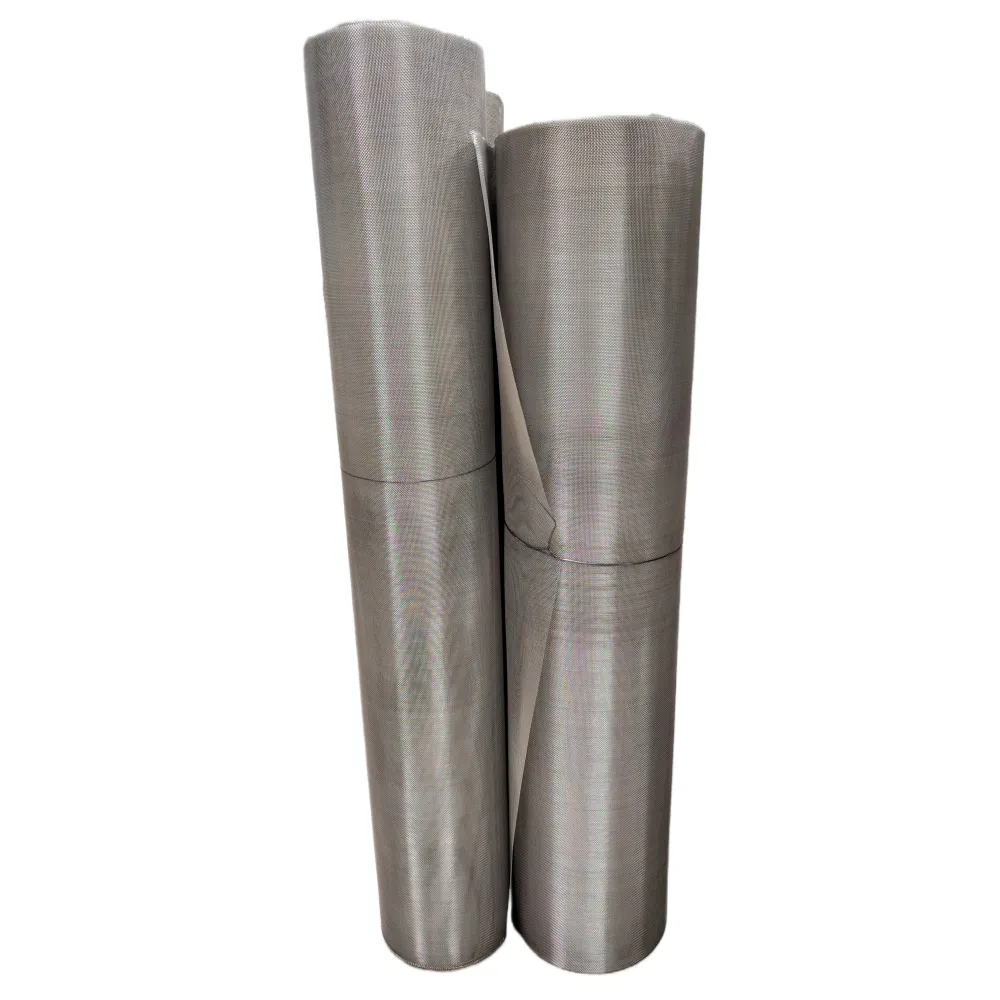
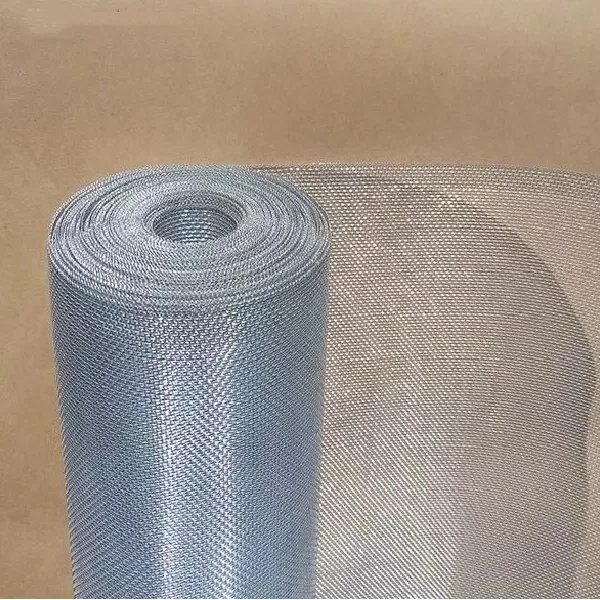
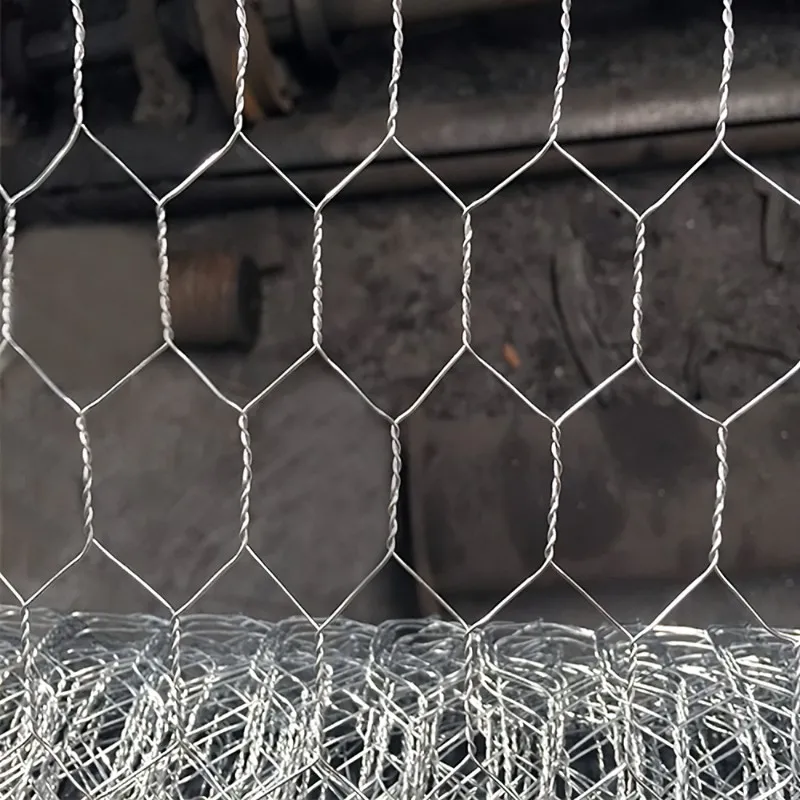
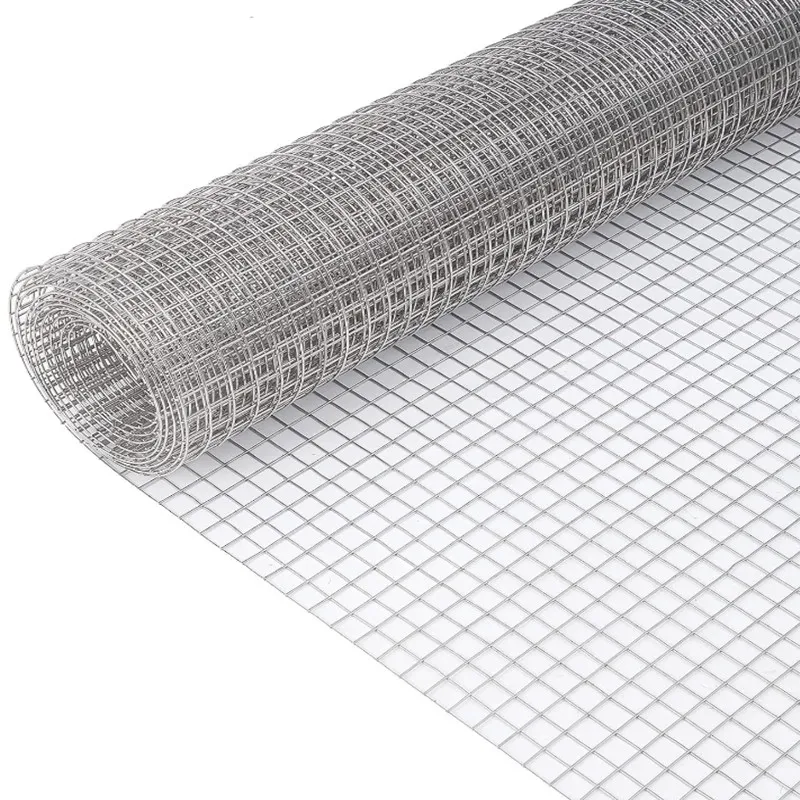
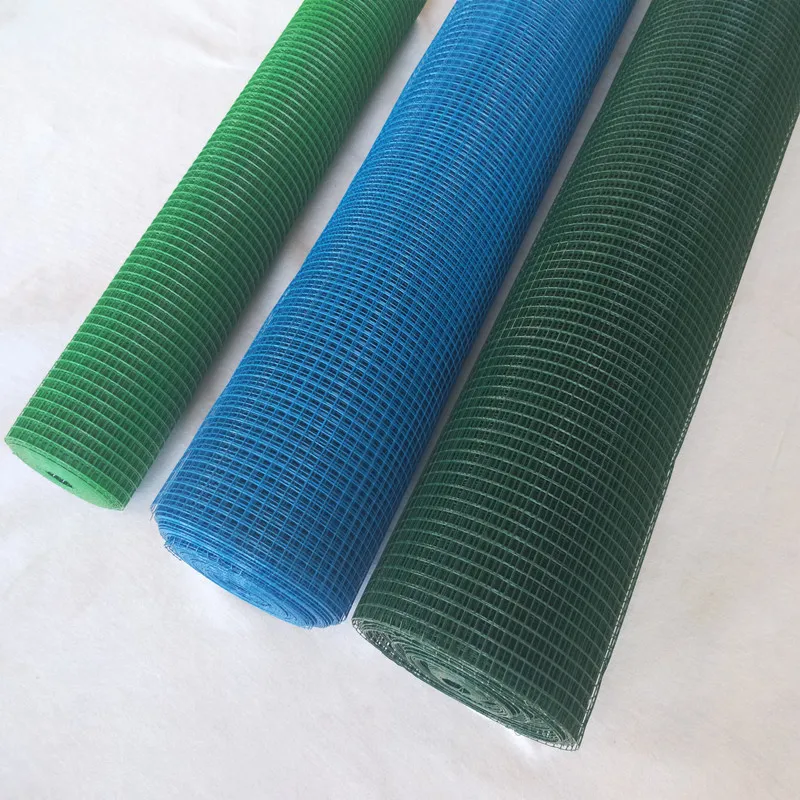
Having spent more than a decade involved with industrial equipment and materials, I've come to appreciate the quiet reliability of products like 1/4 inch metal mesh. It’s one of those items that rarely gets the spotlight but quietly holds together countless projects across industries — from filtration systems to safety guards.
Oddly enough, the simplicity of a 1/4 inch opening can mask how much thought goes into its design and production. Engineers I’ve worked with frequently emphasize mesh size not just as a functional sizing issue, but as a balance between strength, durability, and filtering capability. Achieve one wrong, and the whole system's performance can be compromised.
At its core, this mesh size—meaning each square opening measures a quarter of an inch—strikes a versatile middle ground. It's tight enough to filter many larger particles yet open enough to allow substantial airflow or liquid passage, depending on the application. That’s why you’ll find it in everything from industrial sieves to architectural facades and even protective enclosures.
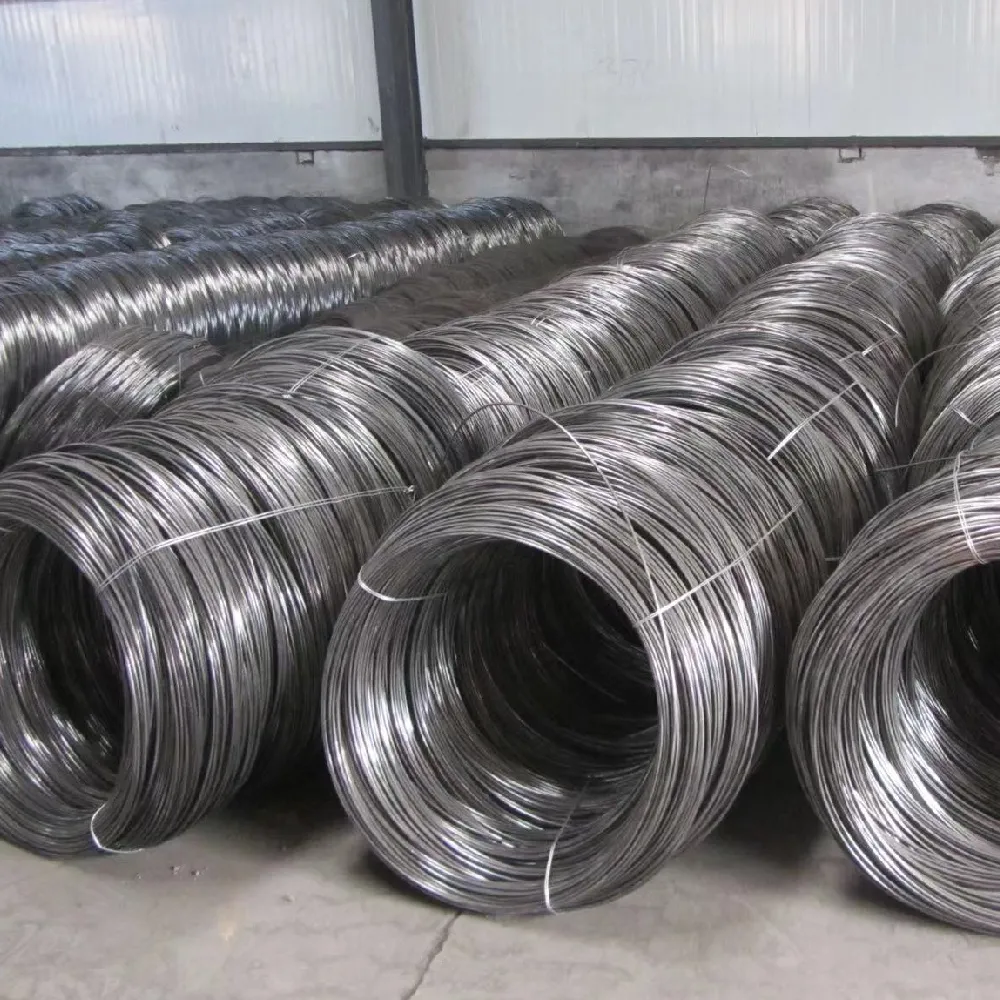
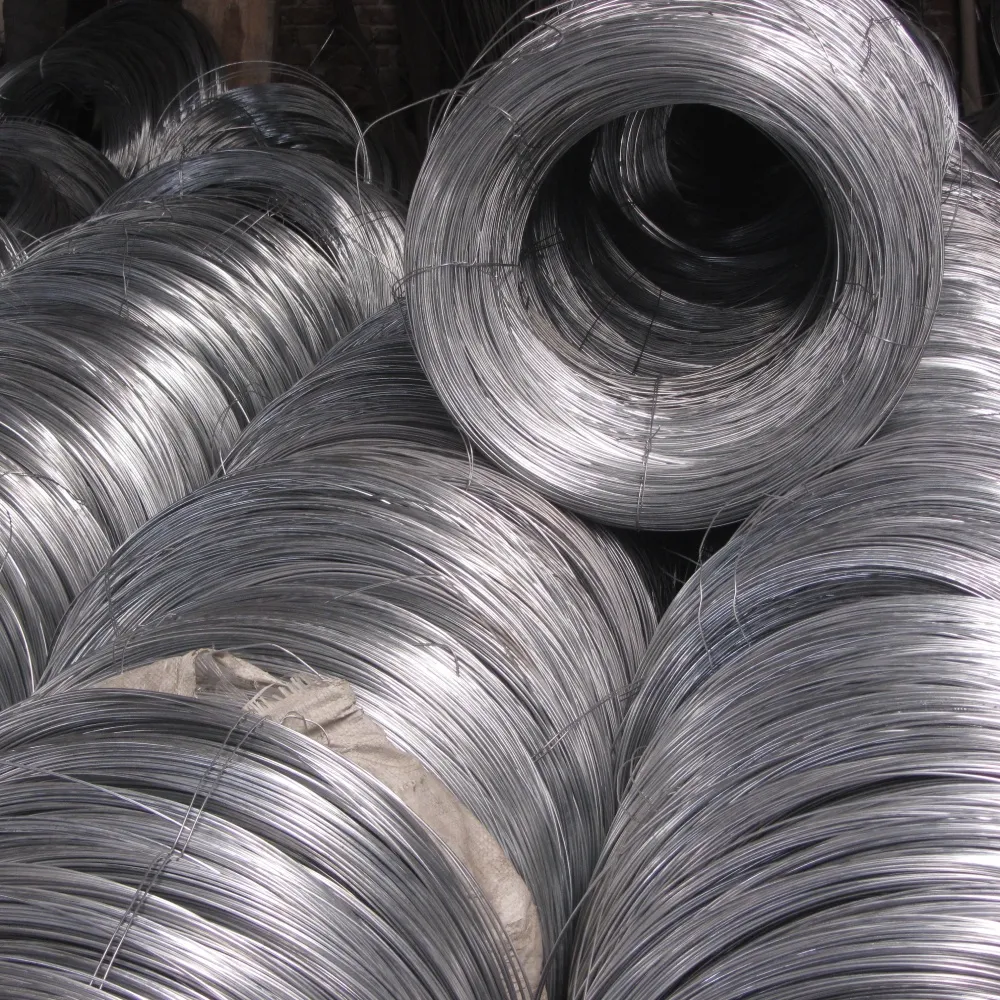
Material choice plays a huge role here, too. Most commonly, this mesh is crafted from stainless steel or galvanized steel. Stainless steel meshes offer excellent corrosion resistance—vital in harsh environments like chemical plants or food processing. Meanwhile, galvanized options provide an economical alternative for applications where rust prevention is still important but budgets are tighter.
Testing is no afterthought. The manufacturers I’ve visited stress that tensile strength and dimensional accuracy undergo rigorous checks. The last thing anyone wants is mesh that warps under tension or has inconsistent gaps, which could lead to failures in filtration or shielding.
Customization possibilities are also surprisingly broad. Need a specific wire gauge, a particular metal grade, or even specialized coatings? Most suppliers accommodate these requests, which is great for niche industrial needs.
| Property | Value |
|---|---|
| Mesh Opening Size | 1/4 inch (6.35 mm) |
| Wire Diameter | 0.028 - 0.120 inch (varies by application) |
| Material | Stainless Steel 304, Galvanized Steel, Aluminum |
| Typical Weight | 2.5 - 5.0 lbs/sq ft (depends on wire gauge) |
| Standard Roll Width | 36" – 60" |
| Tensile Strength | Up to 75,000 psi (stainless steel) |
During one memorable project, a client needed a mesh that could withstand both abrasion from fine rock particles and exposure to outdoor elements for a mining operation. After some back-and-forth, we settled on a stainless steel 1/4 inch mesh with a heavier wire gauge for durability. The client swore by how long it lasted without maintenance — definitely one of those moments where real-world conditions proved the specs.
Choosing a reliable vendor can be a little daunting, though. Mesh quality might look the same on paper but not all suppliers maintain consistent production standards. Here’s how some popular vendors compare in basic features and ordering flexibility:
| Vendor | Material Options | Customization | Typical Lead Time | Minimum Order |
|---|---|---|---|---|
| Tike Metal | Stainless, Galvanized, Aluminum | Wire gauge, coatings, roll width | 2-4 weeks | One roll |
| Metro Wire | Stainless, Carbon Steel | Limited | 1-3 weeks | 5 rolls |
| Smith & Sons | Galvanized Only | None | 1-2 weeks | 10 rolls |
Frankly, it feels like vendors like Tike Metal have an edge when you want solid quality combined with customization options. That flexibility can really matter — especially in projects where one size doesn’t fit all.
In real terms, 1/4 inch metal mesh isn’t exactly glamorous. But its dependability makes it a quiet underpinning of many industries. If you’re specifying materials for filtration, screening, or protection, understanding what’s behind that simple quarter-inch lattice can save headaches down the road.
After all, if a mesh holds up decades of rough use and tough conditions, you know the specs and sourcing matter. I’ve seen it time and time again.
– Robert M., Industrial Equipment Specialist
References:
RELATED PRODUCTS






Top