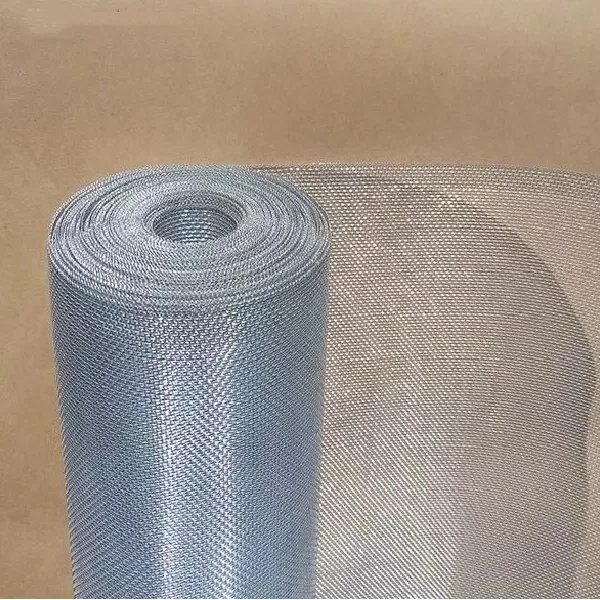
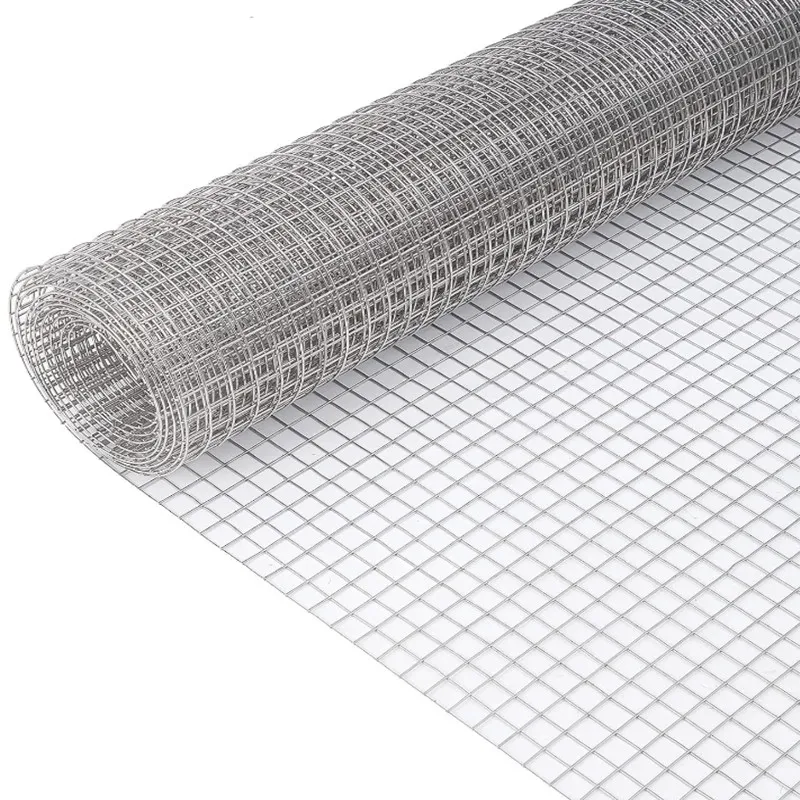
Having spent quite a few years around industrial equipment and supply chains, I’ve come to appreciate products that seem simple but are deceptively versatile—like the 1 4 metal mesh. At first glance, it might just look like another metal grid... but the applications, materials, and specifications behind it actually tell a story of precision and ruggedness.
Oddly enough, many engineers I’ve worked with swear by this mesh for sieving, reinforcement, or even architectural features. It’s not just steel or metal thrown together; the design reflects decades of refinement — balancing aperture size, wire diameter, and tensile strength to fit niche industrial needs without breaking the bank.
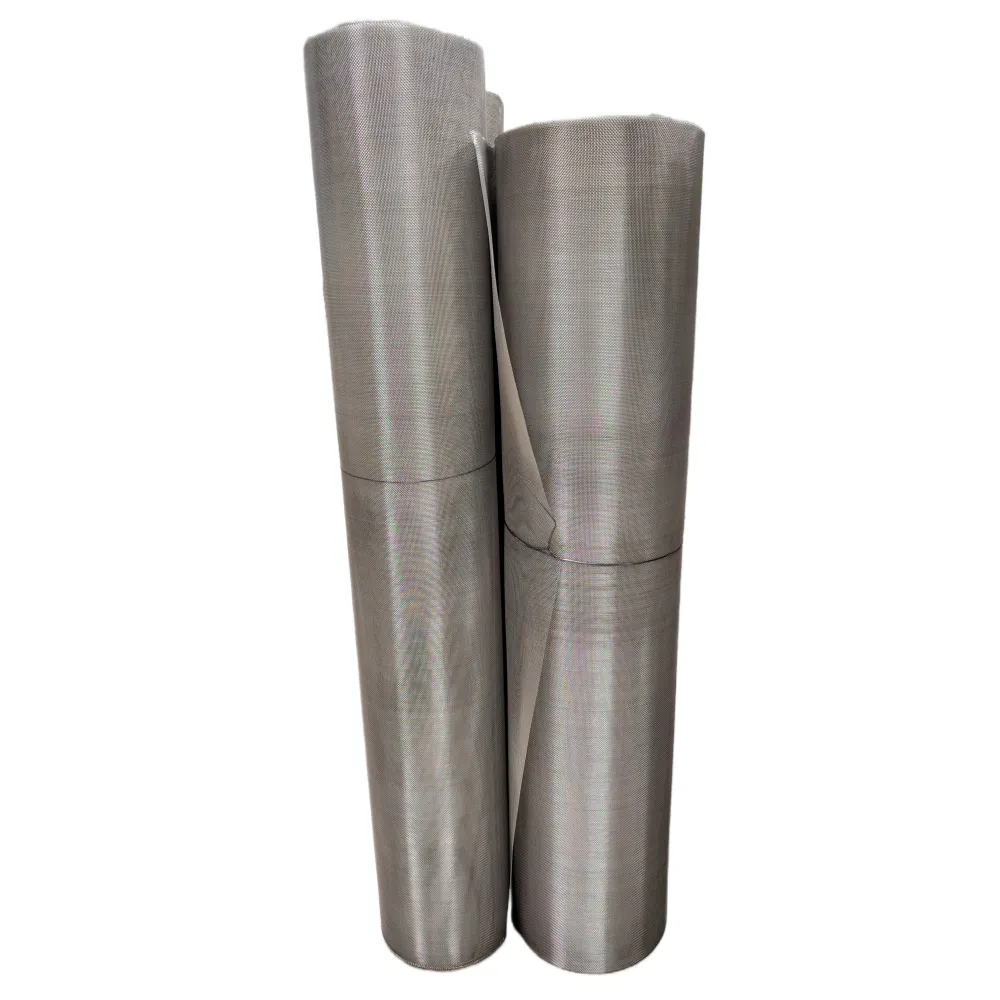
The “1 4” usually refers to a mesh opening roughly a quarter inch, though depending on specs, that can flex slightly. Typically crafted from stainless steel, carbon steel, or other alloys, this mesh undergoes rigorous tension tests to ensure durability. I remember a project where the mesh was exposed to chemical processes and extreme temperatures — and it held up remarkably well.
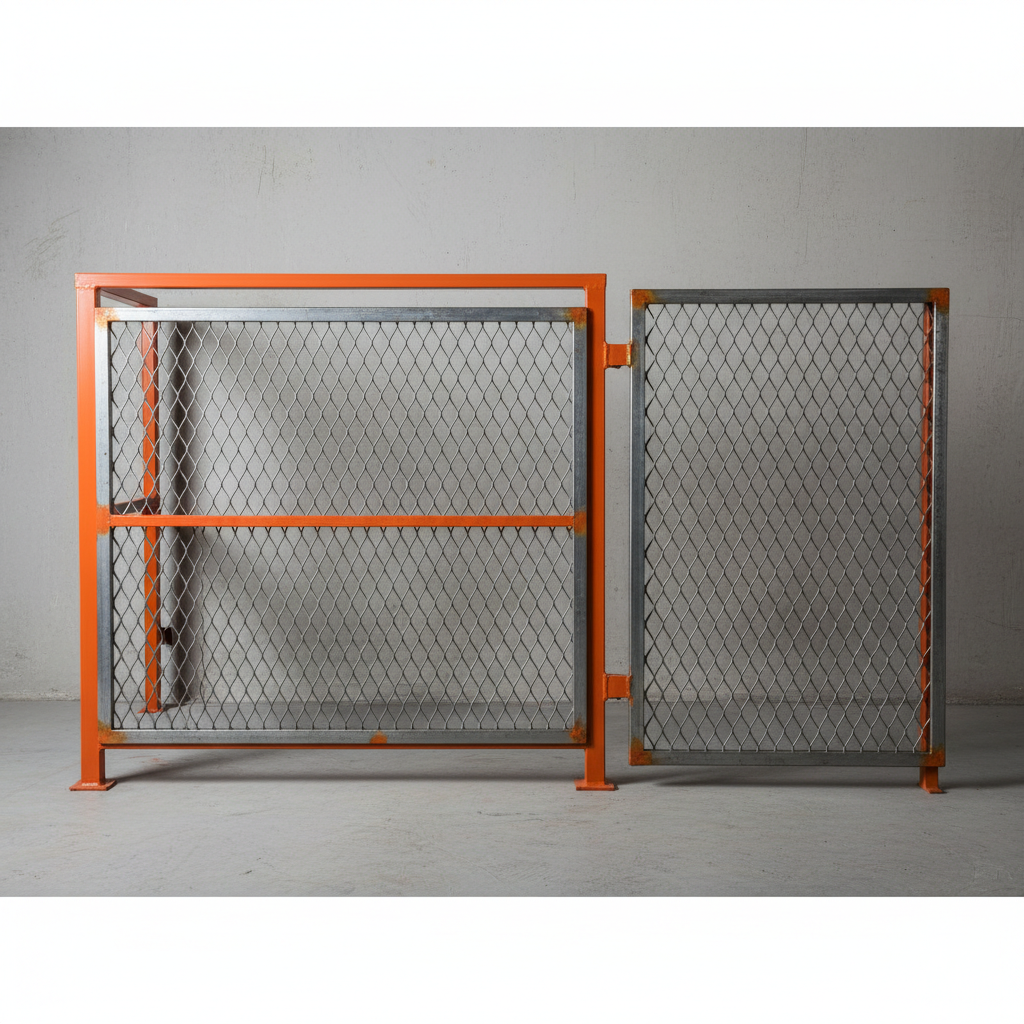
In real terms, this means the mesh can be counted on for everything from filtration of coarse materials to protective guarding on machinery. Many find it easier to customize to specific applications than just ordering a one-size-fits-all product.
| Specification | Details |
|---|---|
| Mesh Opening Size | 1/4 inch (approx. 6.35 mm) |
| Common Materials | Stainless steel, Carbon steel, Galvanized steel |
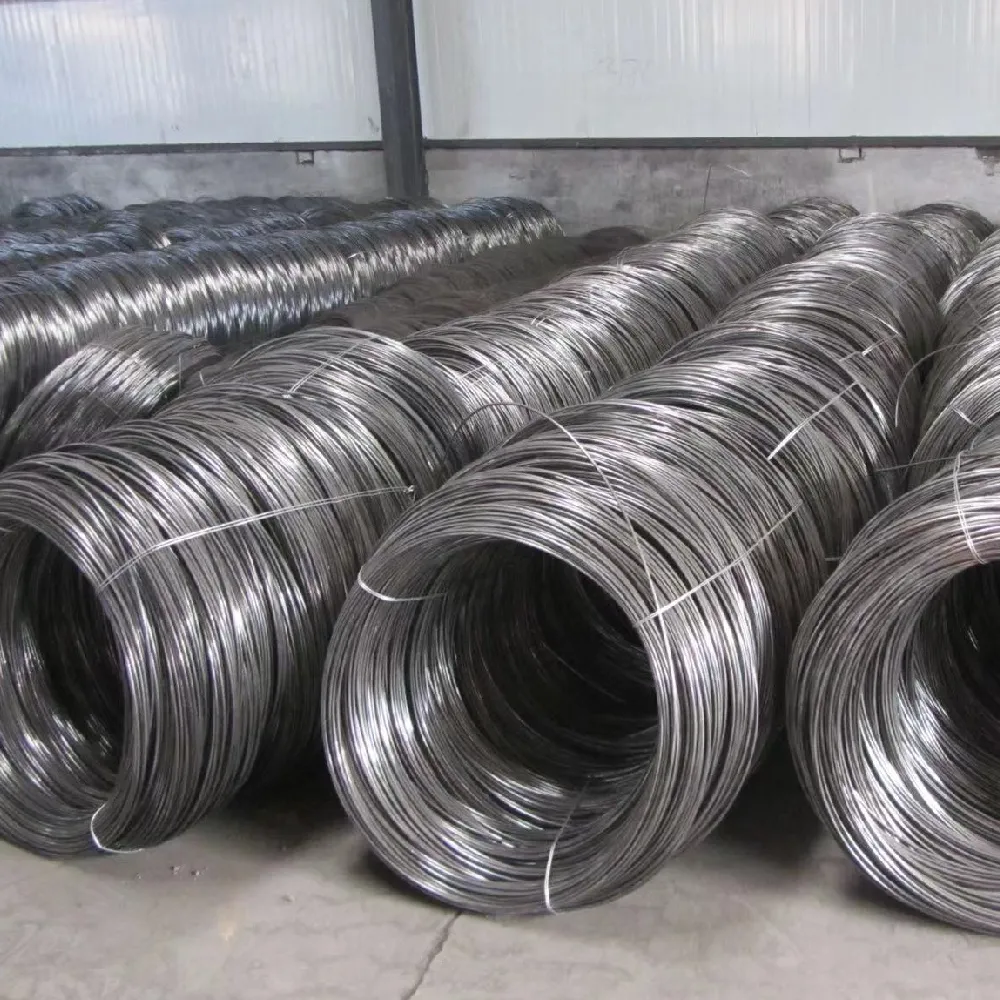
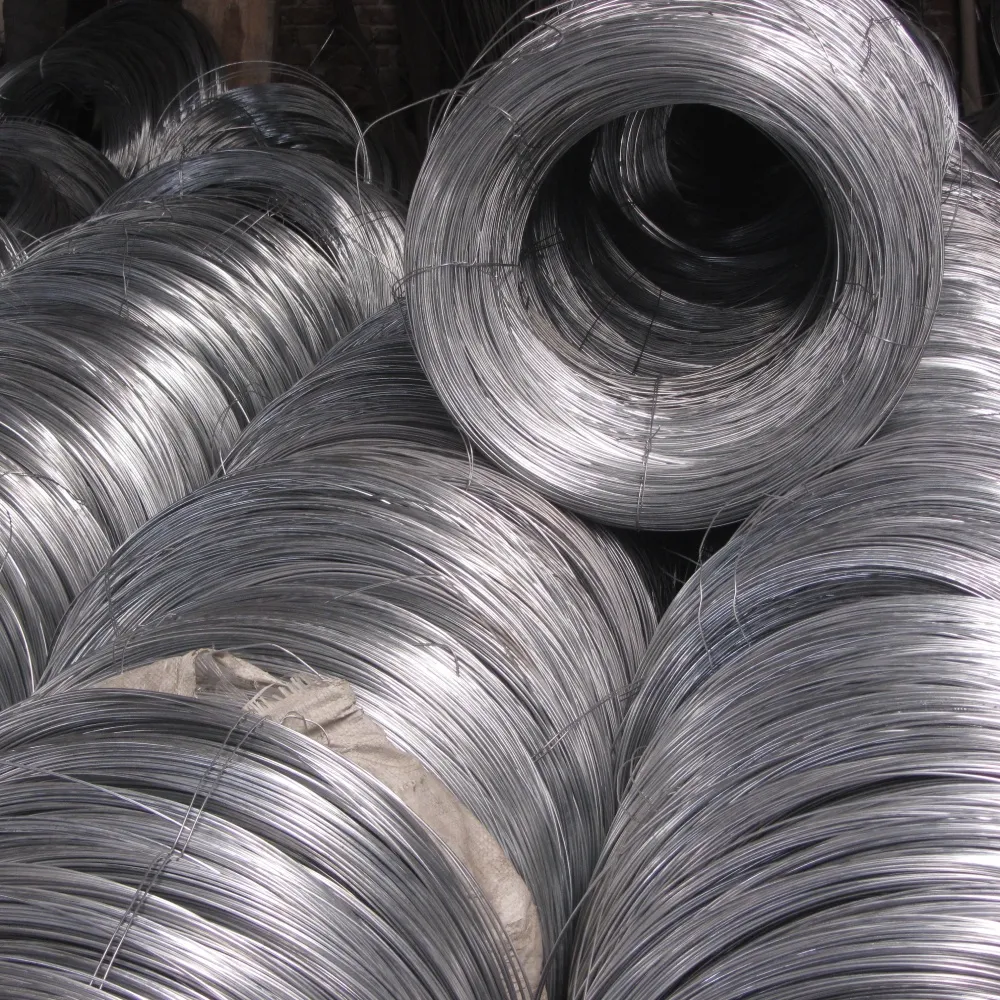
| Wire Diameter | 0.7 mm - 1.2 mm (varies by supplier) |
| Typical Roll Size | Width: 1 m to 2 m; Length: 10 m to 30 m |
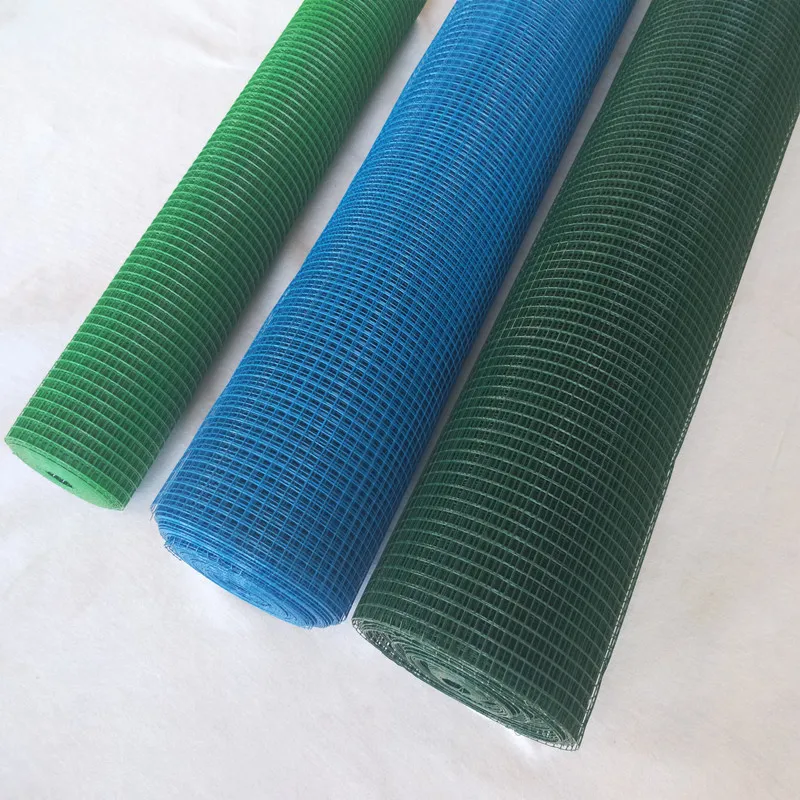
| Surface Treatment | Powder coating, Galvanization, Electro-polishing |
| Tensile Strength | Typical 350-550 MPa |
You know, selecting the right vendor for 1 4 metal mesh isn’t just about price. Quality and consistency matter a ton. I looked at three well-known suppliers in the industry, and some differences are evident.
| Feature | Tike Metal | SteelGrid Co. | MeshMasters |
|---|---|---|---|
| Material Options | Stainless, Galvanized, Powder Coated | Stainless, Carbon Steel | Stainless Only |
| Customization | High (size & surface finish) | Moderate (limited coatings) | Low |
| Lead Time | 1–2 weeks | 2–3 weeks | 3+ weeks |
| Minimum Order Quantity | Small runs accepted | Medium lots only | Large lots only |
| Typical Use Cases | Filtration, Construction, Safety Guards | Construction, Shelving | Fine Filtration |
Frankly, I’ve come to favor Tike Metal when working on projects needing quick turnarounds and tailored specs. Their flexibility reminds me of a time when a client needed a slightly smaller roll for a bespoke machine guard — Tike Metal delivered exactly that without fuss.
I suppose what makes this metal mesh stick around is its blend of reliability and adaptability. Industries are always chasing materials that won’t fail under pressure, be it mechanical strain or environmental exposure. The 1 4 metal mesh checks those boxes, often coming out ahead of synthetic or plastic alternatives in longevity.
Besides, customization possibilities mean you’re not stuck with a stock product — you can tailor wire thickness, surface treatment, and roll size to your project needs. That kind of precision is gold in engineering circles.
An engineer I know once put it quite simply: “The right mesh keeps the whole system breathing clean and safe.” I’d add that it also tends to keep headaches away.
So if you’re on the lookout for a dependable, well-specified metal mesh—whether for filtration, shielding, or structural reinforcement—it’s worth giving the 1 4 metal mesh from a trusted vendor a serious look.
Just a small note: Always ask suppliers about testing certifications and batch traceability. In my experience, those little details give away a lot about product quality.
References:
1. Industry standard mesh size documentation - ASTM E11
2. Material Science of Stainless Steel Wire Mesh, Journal of Materials Engineering (2022)
3. Experience-based insights from multiple industrial plant projects (2010–2023)
RELATED PRODUCTS





Top