Having spent over a decade in the industrial equipment sector—often knee-deep in warehouses and manufacturing plants—I've seen first-hand how pesky rat infestations can quietly wreak havoc. Oddly enough, it's not always the high-tech fixes that work best. Sometimes, the low-tech muscle of metal mesh for rats outshines others. It’s a bit like using a trusty hammer rather than fancy gadgets: simple, tough, and reliable.
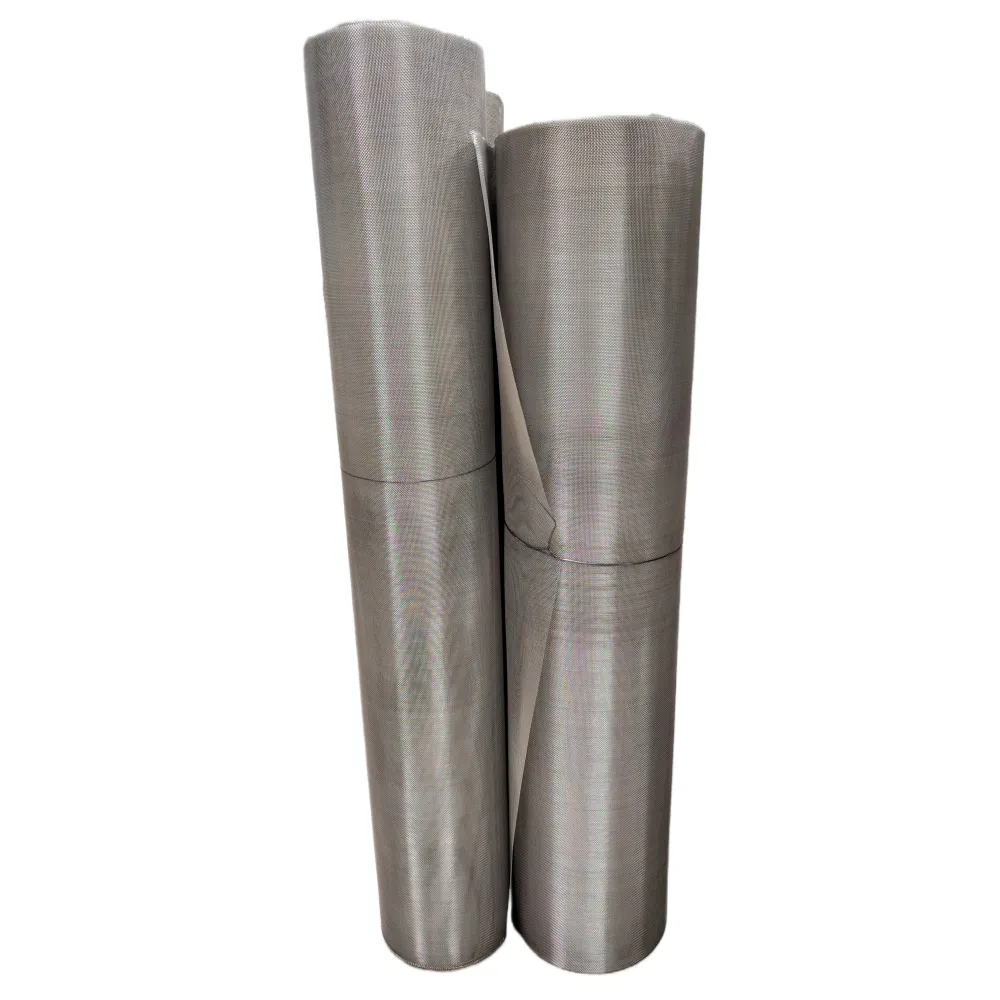
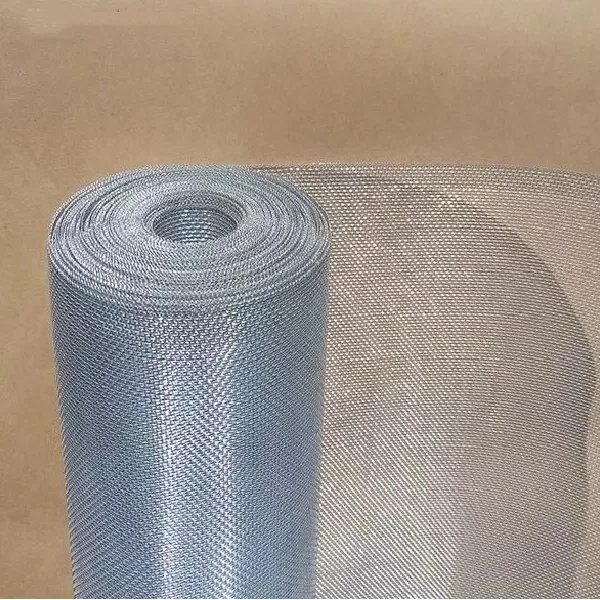
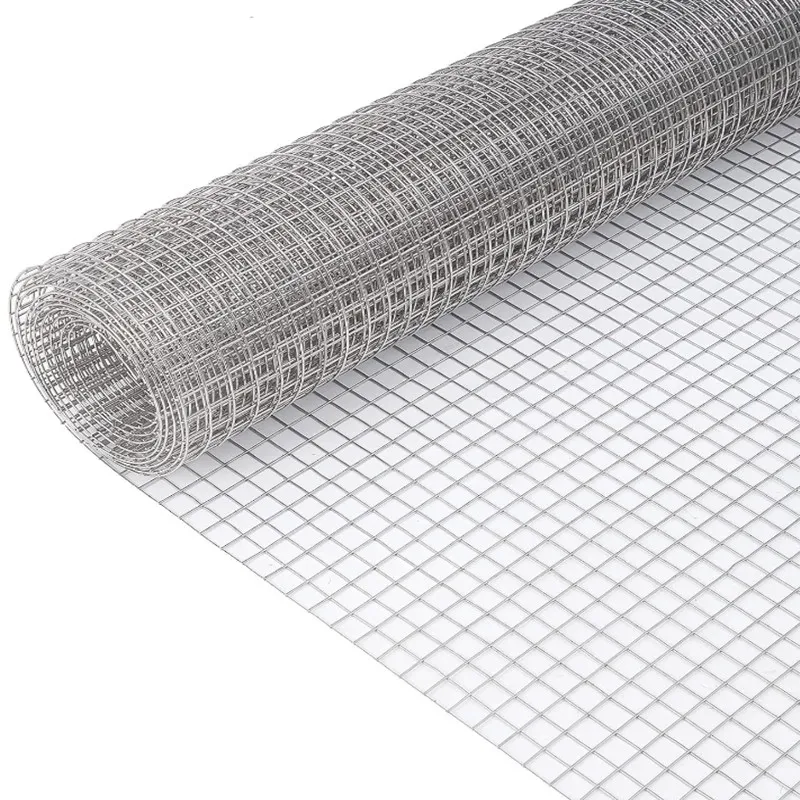
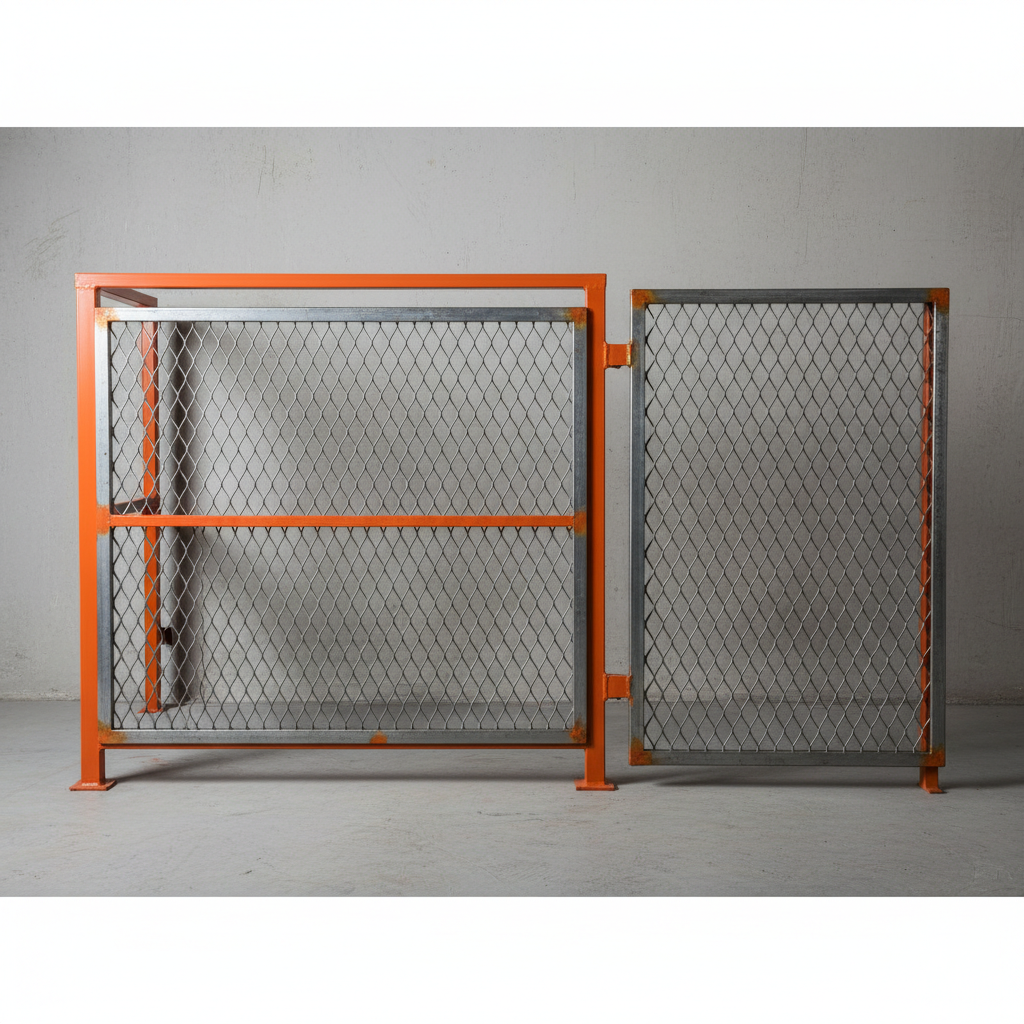
Now, metal mesh designed specifically to keep out rats isn’t just your average hardware-store wire mesh. It’s crafted with precision—think stainless steel with tight apertures, usually somewhere between 1/4” to 1/2” to stop any nimble rodents without choking airflow or visibility. Over the years, I've noticed that quality metal mesh can effectively supplement other pest control measures, making it the unsung hero in rodent mitigation.
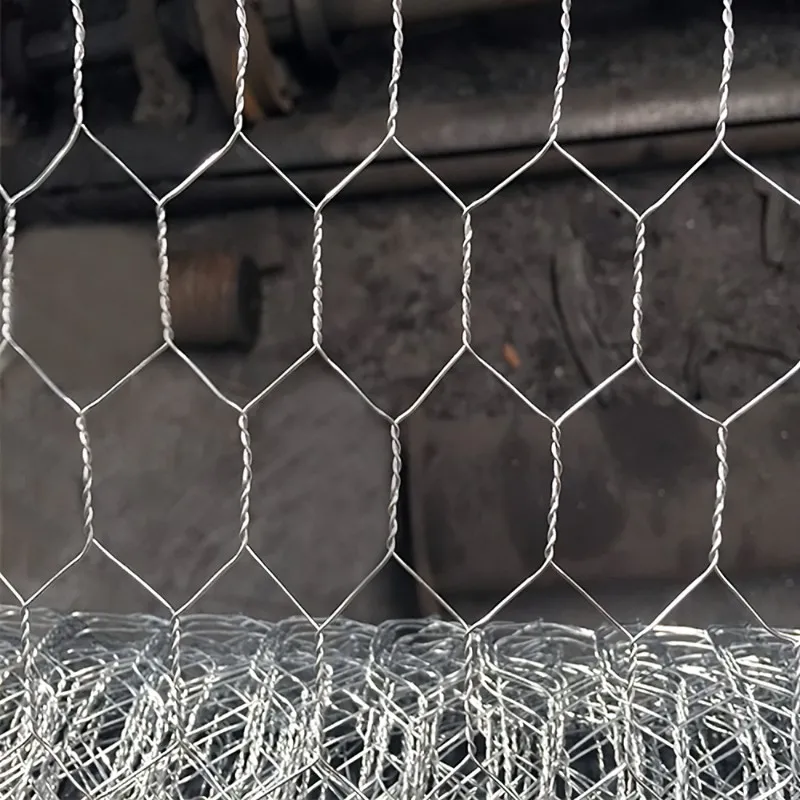
In terms of industry trends, “rust-proof” stainless steel meshes have become increasingly popular—soon as you try galvanized ones, you often face corrosion, especially in humid warehouses. One site I recall, a food packaging plant, replaced a corroded mesh with stainless steel, and within months, rodent incidents dramatically dropped. That little upgrade paid back itself—staff noticed it, I noticed it, and frankly, it was one of those head-slap moments where simple metal engineering solves complex biological problems.
| Spec | Description |
|---|---|
| Material | 304 or 316 Stainless Steel (rust-resistant) |
| Mesh Aperture | 1/4" to 1/2" openings to block rats |
| Wire Diameter | 0.8mm to 1.2mm for durability |
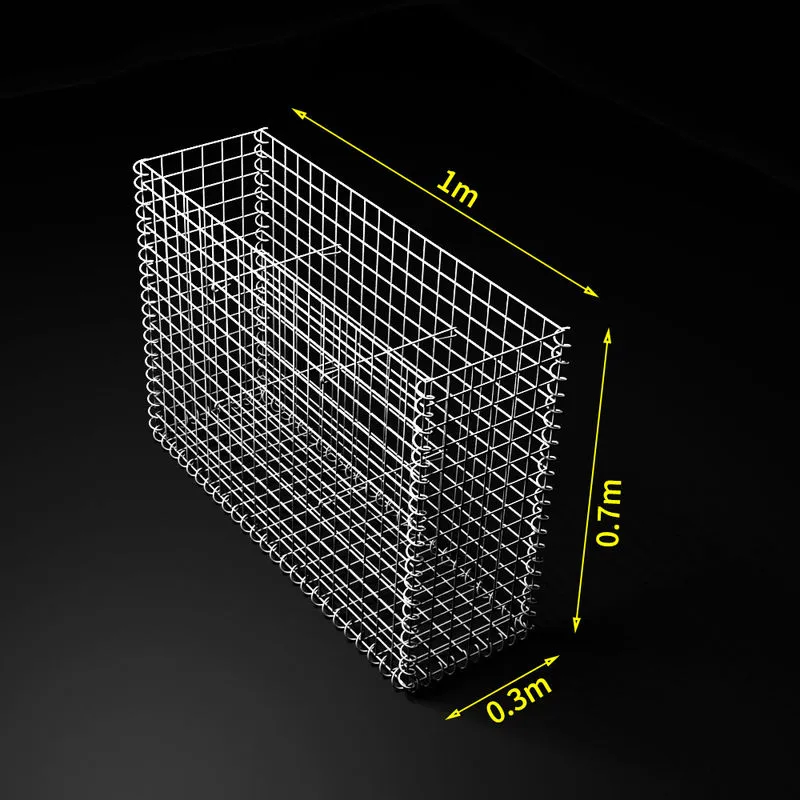
| Sheet Size | Typically 1m x 2m or custom cut |
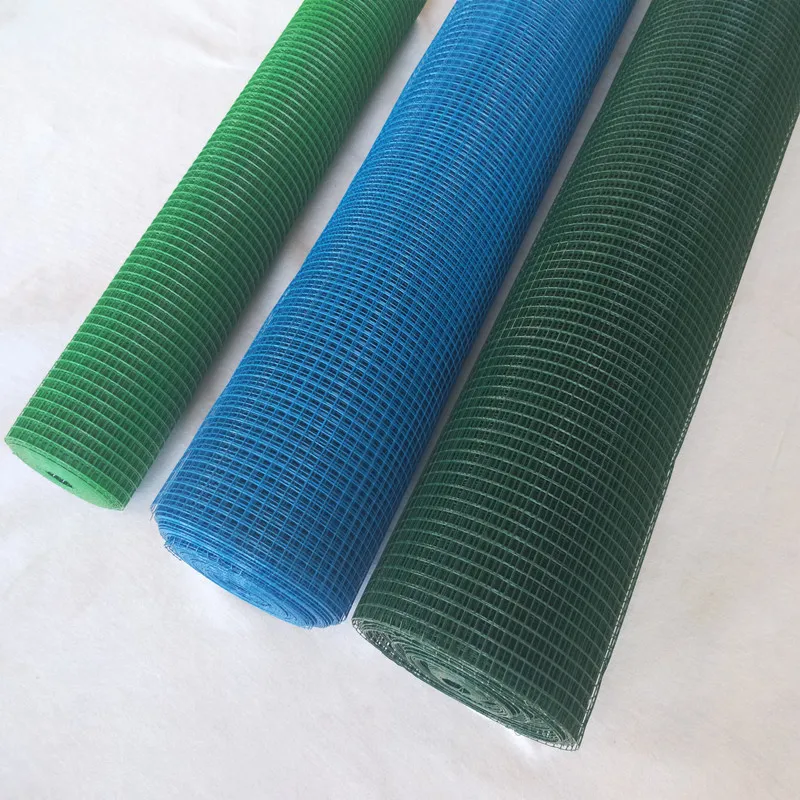
| Finish | Smooth edges, powder coated optional |
What strikes me, and many engineers I chat with, is that metal mesh is versatile. You can use it freshly cut for patching holes, frame it around ventilation, or even embed it inside concrete for long-term protection. The customization options are surprisingly wide. Though it might sound mundane, the right mesh thickness can mean the difference between a product that lasts 6 months versus 6 years.
Speaking of vendors, we all know not all mesh manufacturers deliver the same level of quality. Frankly, it pays to ask questions about their testing processes. I’ve worked with suppliers who actually send each batch through strength and corrosion-resistance tests—that's no small thing when you’re installing in facilities that must meet strict food safety audits.
| Vendor | Material Quality | Customization | Testing Standards | Pricing |
|---|---|---|---|---|
| Tike Metal | 304/316 Stainless | Custom cuts, coatings | Batch tested corrosion & strength | Moderate, value-driven |
| Generic Supplier A | Mixed stainless grades | Limited options | Spot testing only | Low |
| Supplier B | Galvanized steel | Standard sizes only | No documented tests | Low to moderate |
There’s a tiny story I like to share: a small bakery I consulted for kept losing stock to rats chewing into storage rooms. After installing heavy-duty stainless metal mesh vents from metal mesh for rats, the problem basically vanished. The owner once told me, “It’s like a shield that just won’t quit,” and that really sums it up — this mesh is industrial, durable, and sometimes just what you need.
In real terms, if you’re considering a rodent-proofing upgrade for your facility, I’d recommend focusing on stainless steel mesh with proven specs and proper testing credentials. You want a product that outlasts pests and the environments they invade, and frankly, investing a little more upfront pays off long-term.
So, if you’re ever in doubt, just remember: no rat gets through a well-installed, quality metal mesh. It feels like a classic but undefeatable barrier in today’s industrial maze.
Takeaway: Smart metal mesh isn’t just wire—it’s crafted defense backed by years of field-tested reliability.
RELATED PRODUCTS





Top