When someone says buy metal mesh, it might sound like a simple procurement task—just another building supply on a long list. But if you pause to consider it, metal mesh is a quietly essential component in many industries, from construction to agriculture, from aerospace to humanitarian aid. Understanding its benefits and where to source quality metal mesh is more important than you might think, especially in a world increasingly focused on sustainability, durability, and rapid deployment needs.
Globally, as urbanization accelerates and infrastructure projects boom, metal mesh becomes a backbone material: reinforcing concrete, protecting sites, filtering fluids, or even securing borders. In some contexts, such as disaster response in vulnerable regions, metal mesh is invaluable for creating quick, reliable structures while balancing cost and durability.
The demand to buy metal mesh is exploding worldwide. According to recent industry reports, the global metal mesh market size was valued at over $5 billion in 2023 and is expected to grow steadily in the coming decade (source: Statista, 2024). The construction industry alone accounts for a significant slice, driven by large infrastructure and housing projects.
However, supply challenges abound. Fluctuating metal prices, supply chain issues, and varying quality standards complicate sourcing metal mesh reliably. For NGOs and governments responding to crises, finding trustworthy suppliers who can deliver fast and durable metal mesh solutions is crucial. It’s not just about materials — it’s about solutions that last and serve people in real-world conditions.
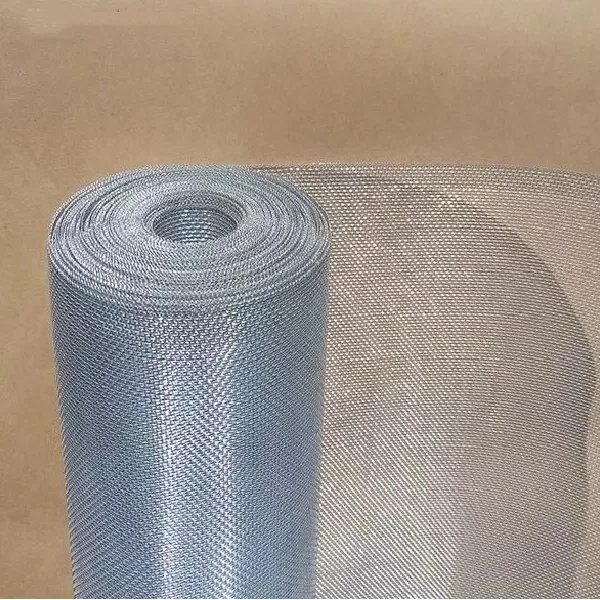
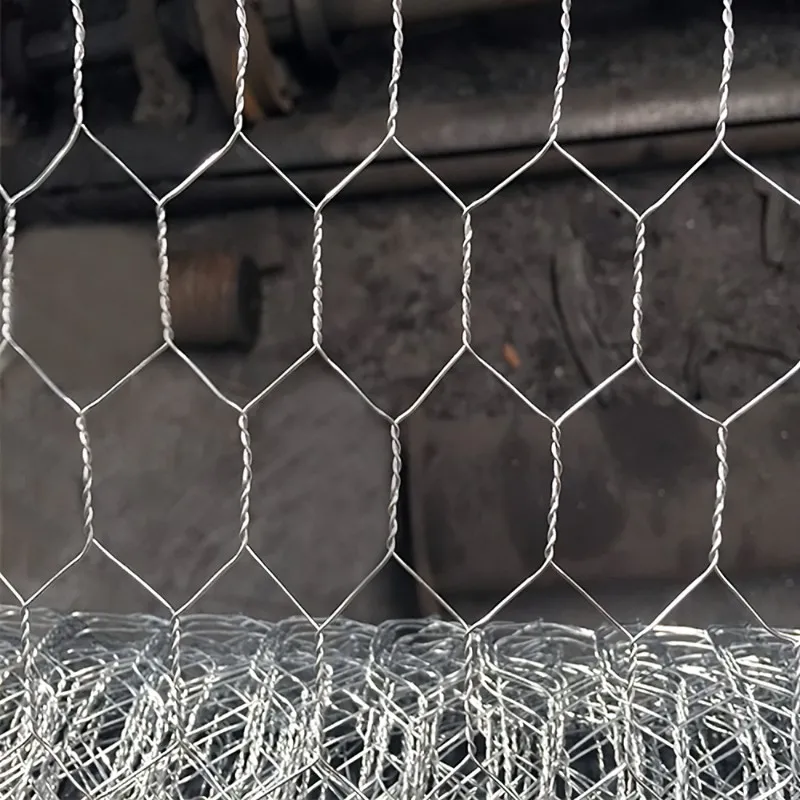
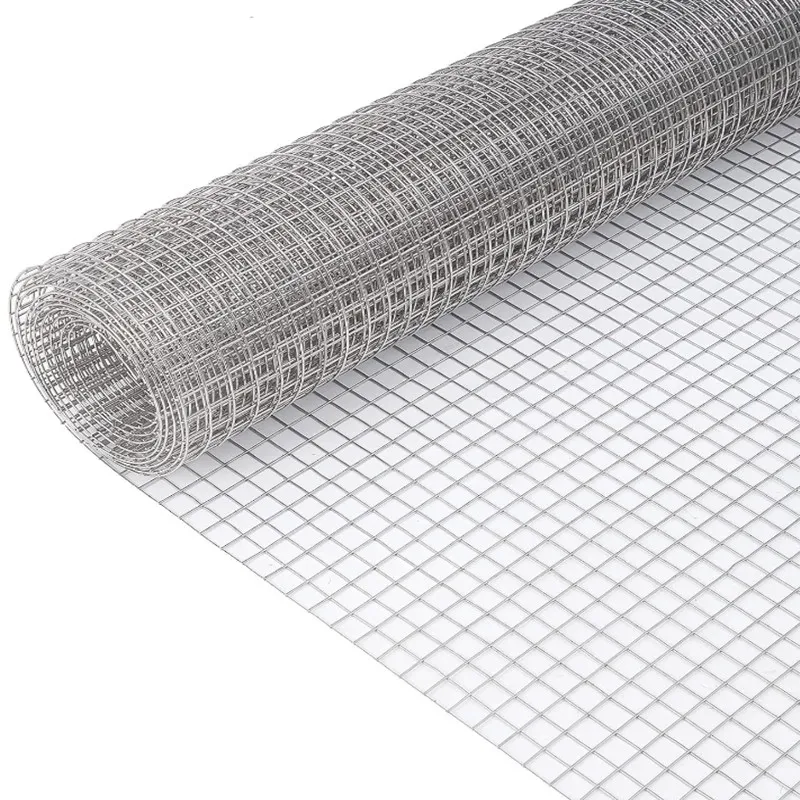
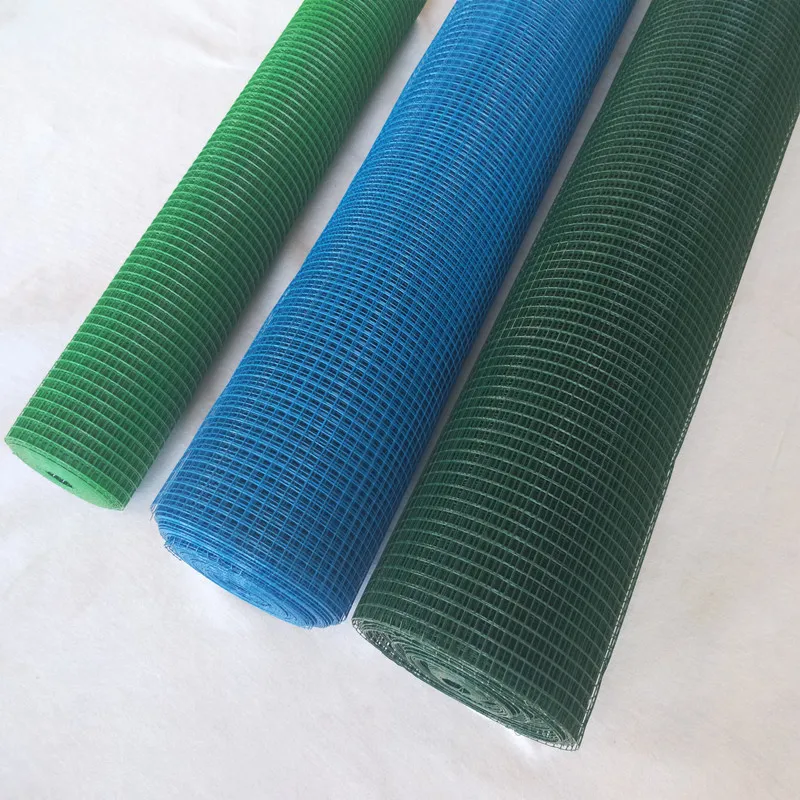
Simply put, buying metal mesh means acquiring woven, welded, or expanded grids of metal wire or strips, typically steel, aluminum, or stainless steel, for various applications. Metal mesh acts as reinforcement, filtration, or protection depending on the use.
From reinforcing concrete in construction to creating fencing or barriers, metal mesh is a kind of physical backbone that also touches modern humanitarian work—think rapid shelters or protection in conflict zones. The versatility and robustness make it a modern industry essential, linked closely with today’s engineering, manufacturing, and sustainability challenges.
You want metal mesh that resists corrosion, endures pressure, and lasts years. For example, galvanized steel mesh is popular because it can withstand weather conditions that simple steel cannot.
Projects vary wildly. You may need small mesh for filters or massive panels for construction reinforcement. Suppliers offering flexible sizes and custom weaving catch clients' attention every time.
Buying metal mesh isn’t just about sticker price. Long-term value comes from durability and reduced replacement needs. Sometimes cheaper mesh winds up costing more in labor and downtime.
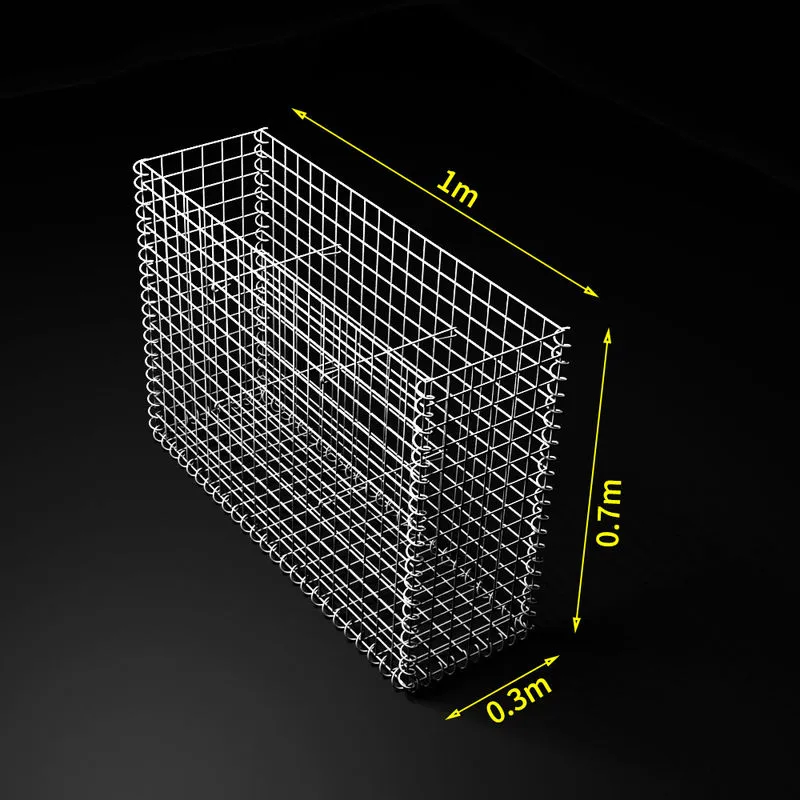
Not all metal mesh types fit every use-case. For filtration, fine mesh with uniform openings is essential; for security fencing, welded wire mesh has to be tough and tamper-resistant.
Increasingly, eco-conscious buyers look for metal mesh made from recycled materials or produced with lower emissions. Sustainable manufacturing is no longer just a niche trend.
For instance, after the 2022 floods in Southeast Asia, NGOs needed quick, durable fencing and shelter supports, making the timely buy metal mesh decisions more than just supply choices—they became mission-critical.
Choosing quality metal mesh delivers many benefits:
In many ways, metal mesh is a quiet but sturdy guardian of progress and safety. It feels a bit like the unsung hero of building and protection.
| Specification | Welded Steel Mesh | Expanded Aluminum Mesh | Stainless Steel Woven Mesh |
|---|---|---|---|
| Material | Galvanized Steel | Aluminum Alloy | 304 Stainless Steel |
| Mesh Opening Size | 25mm x 25mm | Varies (Expanded Pattern) | Fine weave, 1mm openings |
| Thickness | 3.5 mm | 1.2 mm | 0.5 mm |
| Weight | 8 kg/m² | 4.2 kg/m² | 3.6 kg/m² |
| Typical Use | Structural Reinforcement | Ventilation & Facades | Filtration & Security |
| Vendor | Product Range | Custom Orders | Delivery Speed | Sustainability Certifications |
|---|---|---|---|---|
| TikeMetal Inc. | Extensive - Steel, Aluminum, Stainless | Yes | 1–3 days (local) | ISO 14001, RoHS |
| GlobalMesh Supplies | Moderate - Focus on Steel Mesh | Limited | 5–7 days | None disclosed |
| EcoMetal Solutions | Specialized Organic and Recycled Metals | Yes | 7–10 days | ISO 9001, LEED Partner |
Interestingly, the future of buying metal mesh is not just about metal alloys. Innovations are pushing toward smarter, eco-friendlier materials. Think conductive meshes for solar panels, or coatings that reduce rust without harsh chemicals.
Automation in manufacturing means custom meshes are now easier to order and arrive faster than ever. Plus, digital inventory platforms are emerging where buyers can track, customize, and reorder with ease—kind of like the Amazon of industrial materials.
Green manufacturing policies are also shaping vendor practices, with more suppliers pursuing certifications like ISO 14001 and offering recycled products. The global push for sustainability means metal mesh buyers are increasingly interested in environmental impact, not just price or specs.
One common challenge is inconsistent quality from suppliers, especially in off-shore markets. It’s tempting to buy cheaper mesh, but often you face delays, product failures, or non-compliance with local regulations. Here, working with verified vendors like TikeMetal makes a big difference.
Another issue: logistical hurdles in shipping large or heavy products swiftly, especially for urgent humanitarian projects. The solution? Prioritize suppliers with local warehouses or fast fulfillment policies.
Finally, environmental concerns are pushing buyers to demand transparency about sourcing and production processes. Certifications and audits help build trust. It’s not always easy, but the market is responding.
In real terms, whether you’re an engineer, project manager, or NGO coordinator, knowing where and how to buy metal mesh can make or break your project’s success. Beyond mere purchase, it’s about securing long-term reliability, cost efficiency, and sustainability. For dependable supply paired with industry-grade quality and environmental commitment, be sure to explore options like buying metal mesh from vetted suppliers.
Visit our website to browse product ranges, place an order, or get expert advice tailored to your project needs. The right mesh is out there — and it’s waiting to support your next build, barrier, or breakthrough.
Mini takeaway: Metal mesh is an adaptable, essential material with a bright future shaped by innovation and sustainability. Sourcing wisely matters — it truly impacts outcomes worldwide.
RELATED PRODUCTS





Top